
Where to Place LN2 Tanks: Room Layout and Handling
Editor:adminClick:
Time:2026-11-09 09:42
A single liquid nitrogen tank is not fussy about location; a ventilated, shaded corner will do. Once one unit becomes a row, however, placement stops being a matter of finding spare floor. It shapes how easily refills run, how smoothly inventories are checked and how quickly staff can act when something changes.
Start with the environment. The room should be well ventilated, kept out of direct sunlight and clear of radiators, steam lines and other heat sources, as well as acid or salt mist and corrosive atmospheres. These conditions affect both safety and the rate at which the shell and welds age. Floors need to be level and carry adequate load: the filled weight of a tank is often underestimated, and rises sharply with capacity, so slab loading is worth checking where relevant. Units are best kept upright on a stable base rather than sitting directly on damp flooring.
Spacing and access come next. Each tank needs working room around it for opening the lid, lifting racks straight up and connecting a transfer hose. Gaps between tanks and between tanks and walls should not be so tight that an operator has to lean awkwardly. A clear main aisle allows supply vessels to enter and samples to be moved out in an emergency. Number plates, level log cards and tank identifiers are better facing the aisle, so inventory does not require walking behind every unit; grouping by project or sample type also maps more cleanly onto position coordinates in the register.
Monitoring is best planned at room level rather than per tank. Oxygen and temperature alarms can be positioned with the room's geometry in mind, near low points and corners where gas may collect, and the signal should reach someone who can respond, with a duty contact and response sequence written down.
Handling is another common weak point. A tank moved while filled contains free liquid, and since the neck plug is not a seal, tilting or laying it down may cause spillage; the vacuum interspace and internal getter are also vulnerable to impact. A steadier approach is to move units with little or no liquid, keep them upright throughout, use a trolley with a restraining base, and avoid dragging, rolling or prising at the plug. Where a route passes through an enclosed space such as a lift, alternative arrangements are preferable to carrying bulk liquid nitrogen alongside people. After arrival, let the unit stand while frost pattern and level are observed, then resume the refill rhythm and re-check its consumption baseline.
Layout is decided once but paid for every day. Drawing aisles, ventilation and record flow into the floor plan together is usually easier than shifting tanks after they arrive. Specific clearances, loads and alarm settings should follow institutional procedures, equipment manuals and local requirements.
Keywords:
Relevant Information
- Acceptance Checks When a New LN2 Tank Arrives
- Records, Samples, Positions: Check-in and Inventory in an LN2 Biobank
- One Tank, Four Contexts: Matching LN2 Storage to How It Will Be Used
- When the Nitrogen Supply Stops: Buffer Time and Contingency Planning for LN2 Ta
- How Long Does a Liquid Nitrogen Tank Last? Vacuum Life and Replacement Timing
- Where Liquid Nitrogen Comes From: From Air to −196 °C
- Why Should a Liquid Nitrogen Tank Not Be Placed Directly on a Concrete Floor? —
- Does the Seal Ring of a Liquid Nitrogen Container Need Replacement?
- Does the Seal Ring of a Liquid Nitrogen Container Need Replacement?
- Why Portable Liquid Nitrogen Tanks Place Higher Demands on Vacuum Technology

Latest Products
- 110m3 double wall cryogenic Liqu

Cryogenic Liquid Tanks are available in vertical or horizonta...[more]
- 2vertical stainless steel pressu
Cryogenic Liquid Tanks are available in vertical or horizonta...[more]
- 310 cubic meters cryogenic Liqui
Cryogenic Liquid Tanks are available in vertical or horizonta...[more]
- 4GB150 pressure vessels cryogeni
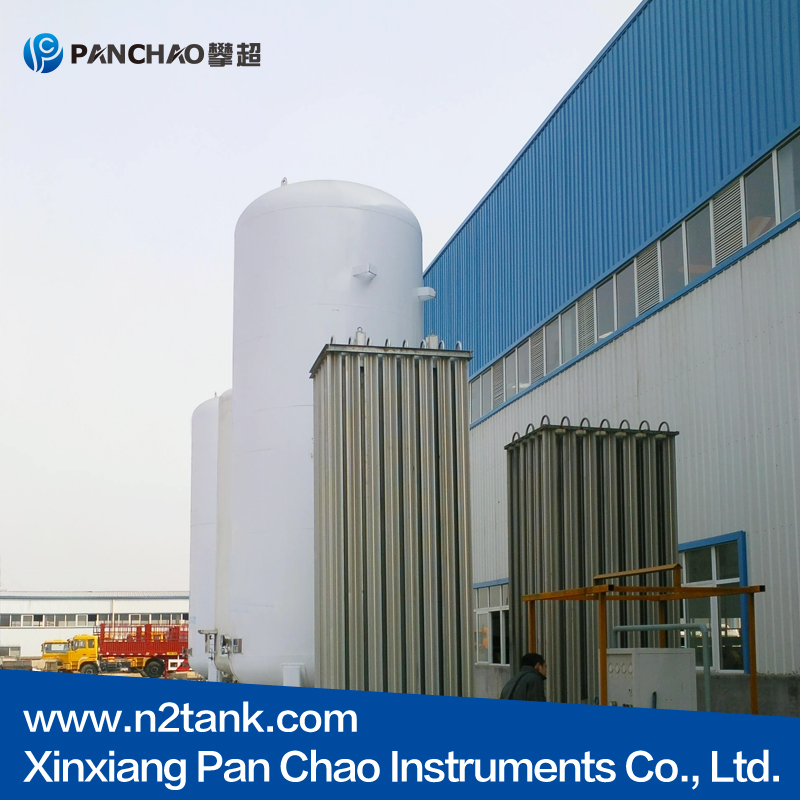
Cryogenic Liquid Tanks are available in vertical or horizonta...[more]
- 5New double Vertical cryogenic L
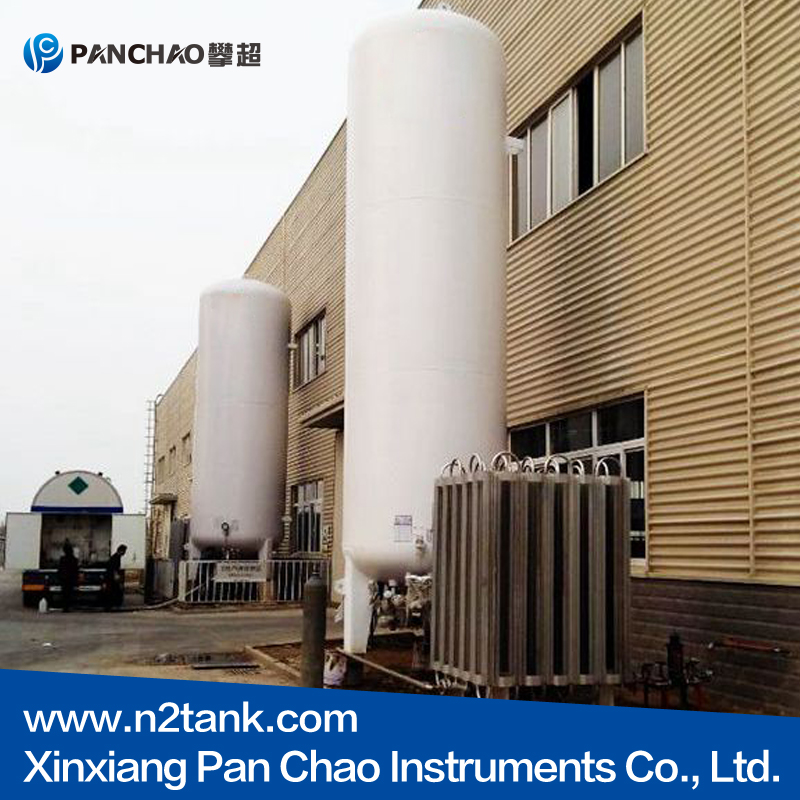
Cryogenic Liquid Tanks are available in vertical or horizonta...[more]
Rankings Of Similar Articles
- Acceptance Checks When a New LN2 Tank Arrives
- Records, Samples, Positions: Check-in and Inventory in an LN2
- One Tank, Four Contexts: Matching LN2 Storage to How It Will
- When the Nitrogen Supply Stops: Buffer Time and Contingency P
- How Long Does a Liquid Nitrogen Tank Last? Vacuum Life and Re
- Where Liquid Nitrogen Comes From: From Air to −196 °C
- Why Should a Liquid Nitrogen Tank Not Be Placed Directly on a
- Does the Seal Ring of a Liquid Nitrogen Container Need Replac
- Does the Seal Ring of a Liquid Nitrogen Container Need Replac
- Why Portable Liquid Nitrogen Tanks Place Higher Demands on Va
Latest Information
- Acceptance Checks When a New LN2 Tank Arrives
- Where to Place LN2 Tanks: Room Layout and Handling
- Records, Samples, Positions: Check-in and Inventory in an LN2
- One Tank, Four Contexts: Matching LN2 Storage to How It Will
- Refilling a Liquid Nitrogen Tank: How Self-Pressurizing Suppl
- When the Nitrogen Supply Stops: Buffer Time and Contingency P
- Freezing Is Only Half the Story: Why Thawing Should Be Fast
- Breaking in a New Tank: Why the First Fill Should Be Slow
- Liquid Nitrogen or Mechanical Freezer? Two Roles in Cold Stor
- How Much Is Left Inside? Four Ways to Monitor Liquid Nitrogen
