
Freezing Is Only Half the Story: Why Thawing Should Be Fast
Editor:adminClick:
Time:2026-11-04 16:35
Discussion of cryopreservation tends to centre on how a sample is frozen, while thawing is often treated as a simple matter of letting it melt. In practice, whether a sample recovers depends heavily on how it is warmed. The field often sums up the rhythm as "slow freeze, fast thaw": cooling is controlled, whereas rewarming is generally recommended to be quick. The two seem contradictory, yet both address the same risk — how water behaves across different temperature ranges.
Ice crystals formed during cooling do not vanish the moment warming begins. As a sample passes through roughly −50 °C to 0 °C, small crystals tend to rearrange and merge into larger ones, a process known as recrystallisation. Slow rewarming keeps the sample in that range longer, giving fine crystals time to grow into more damaging forms that again stress membranes and organelles. Passing through the zone quickly is intended to shorten the window in which recrystallisation can occur.
Cryoprotectants have a second side as well. Dimethyl sulfoxide and glycerol depress the freezing point and moderate solute concentration at low temperatures, but at ambient temperature they may be toxic to cells, and concentrated solutions carry high osmotic pressure. Adding a large volume of medium immediately after thawing drives water rapidly into the cell, which can swell and damage it through osmotic shock. A common approach is stepwise dilution, lowering protectant concentration in stages, followed where appropriate by centrifugation and resuspension. Vitrified samples use higher protectant concentrations and correspondingly require stricter warming rates and wash-out steps.
Several handling details are worth noting. A usual method is to place the vial in a 37 °C water bath with gentle agitation and remove it while a little ice remains. The outside of the vial should be dry and clean, or the vial sealed in a bag, so that bath water cannot enter through the thread gap — a concern related to the same ingress route behind burst vials. Venting the cap slightly under protection before warming, then moving promptly to culture or analysis, limits time spent in protectant; repeated freeze–thaw cycles are best avoided. Specific temperatures, durations and dilution ratios should follow the protocol in use and local institutional guidance.
Thawing also closes the information loop. Recording the time, batch and operator, together with a brief assessment of recovery, feeds back into judging whether the earlier cooling and storage steps were sound. The cold chain does not end when a sample enters the tank; it closes when the sample returns to ambient conditions and is usable again.
Keywords:
Relevant Information
- Applications of Liquid Nitrogen Tanks in Food Freezing
- Why Do Some Liquid Nitrogen Tanks Last Only 5 Years While Others Last 10?
- Choosing the right neck size for a liquid nitrogen tank can save half of the li
- How to Clean and Maintain Liquid Nitrogen Tank after Freezing Semen
- Advantages of liquid nitrogen quick freezing
- Freezing copper heads Liquid nitrogen cryotherapy pen
- Freezing copper heads Liquid nitrogen cryotherapy pen
- Application of liquid nitrogen freezing in dermatology clinic
- Principle and Technology of Liquid Nitrogen Freezing


Latest Products
- 110m3 double wall cryogenic Liqu
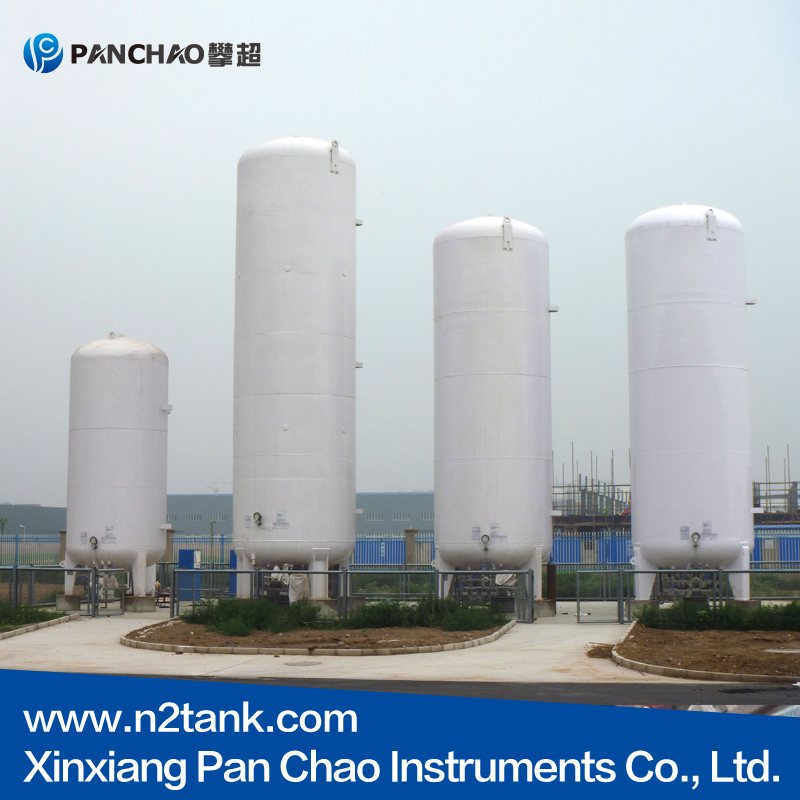
Cryogenic Liquid Tanks are available in vertical or horizonta...[more]
- 2vertical stainless steel pressu
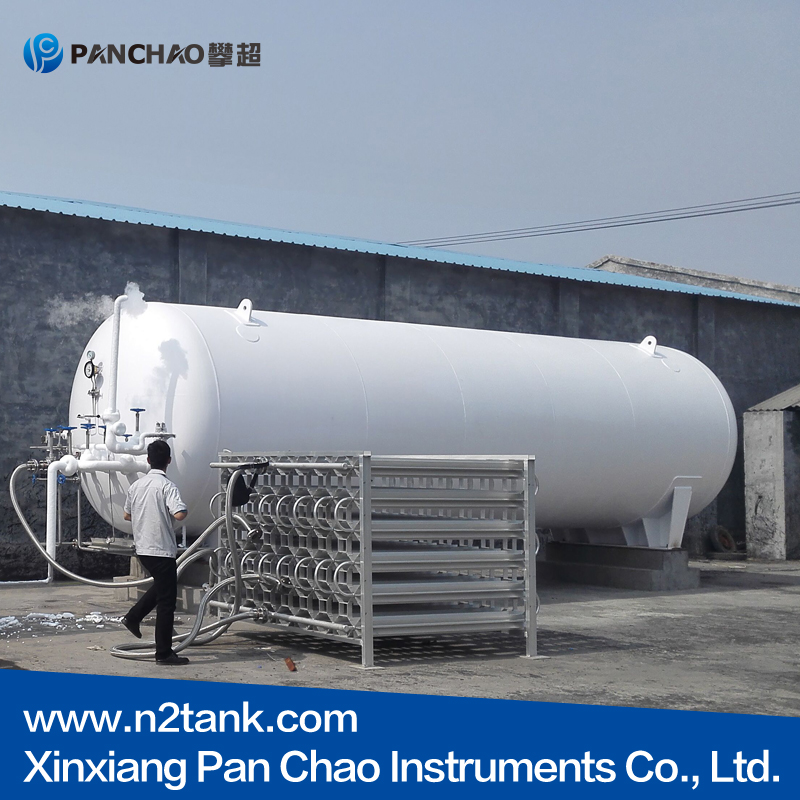
Cryogenic Liquid Tanks are available in vertical or horizonta...[more]
- 310 cubic meters cryogenic Liqui
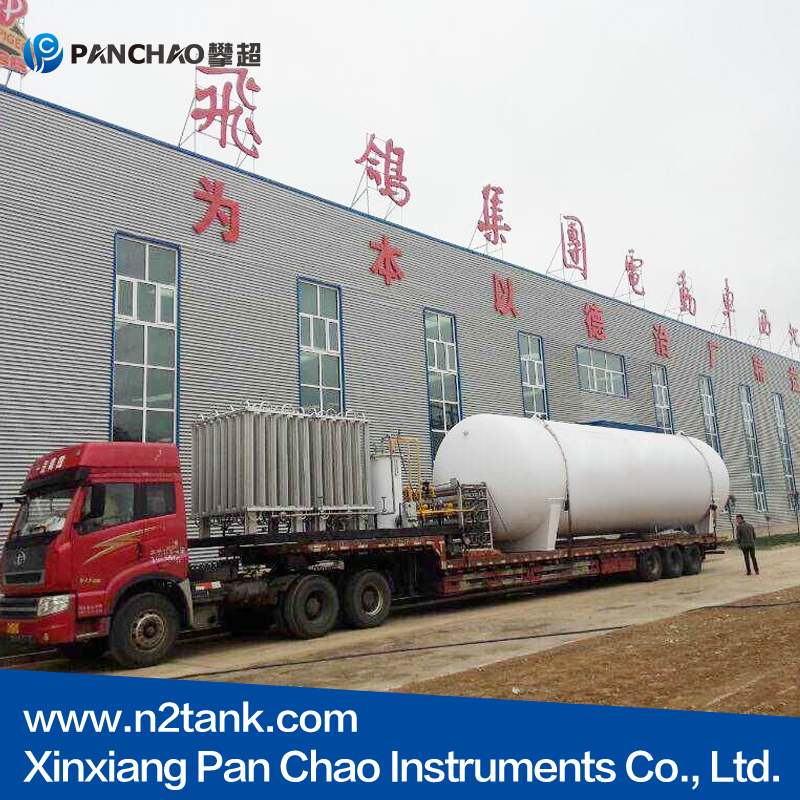
Cryogenic Liquid Tanks are available in vertical or horizonta...[more]
- 4GB150 pressure vessels cryogeni
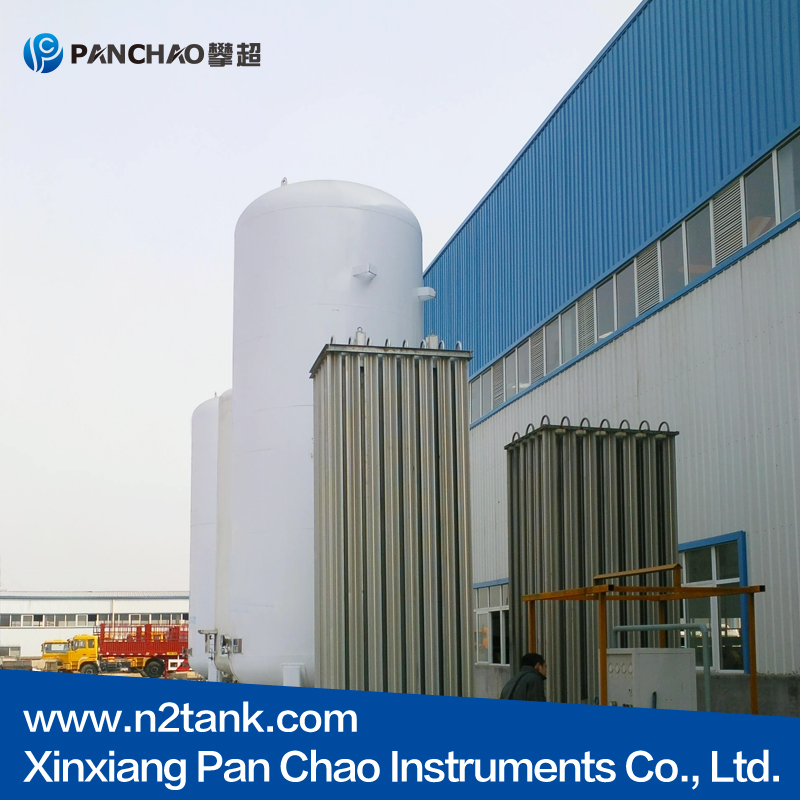
Cryogenic Liquid Tanks are available in vertical or horizonta...[more]
- 5New double Vertical cryogenic L
Cryogenic Liquid Tanks are available in vertical or horizonta...[more]
Rankings Of Similar Articles
- Applications of Liquid Nitrogen Tanks in Food Freezing
- Why Do Some Liquid Nitrogen Tanks Last Only 5 Years While Oth
- Choosing the right neck size for a liquid nitrogen tank can s
- How to Clean and Maintain Liquid Nitrogen Tank after Freezing
- Advantages of liquid nitrogen quick freezing
- Freezing copper heads Liquid nitrogen cryotherapy pen
- Freezing copper heads Liquid nitrogen cryotherapy pen
- Application of liquid nitrogen freezing in dermatology clinic
- Principle and Technology of Liquid Nitrogen Freezing
Latest Information
- When the Nitrogen Supply Stops: Buffer Time and Contingency P
- Freezing Is Only Half the Story: Why Thawing Should Be Fast
- Breaking in a New Tank: Why the First Fill Should Be Slow
- Liquid Nitrogen or Mechanical Freezer? Two Roles in Cold Stor
- How Much Is Left Inside? Four Ways to Monitor Liquid Nitrogen
- How Long Does a Liquid Nitrogen Tank Last? Vacuum Life and Re
- Why Labels Fall off Cryovials in Liquid Nitrogen
- Liquid Nitrogen Storage Tanks: Stable Low Temperature for Ev
- Why Samples Should Not Be Plunged Straight into Liquid Nitrog
- Where Liquid Nitrogen Comes From: From Air to −196 °C
