
When the Nitrogen Supply Stops: Buffer Time and Contingency Planning for LN2 Tanks
Editor:adminClick:
Time:2026-11-05 13:10
One feature of a liquid nitrogen tank is easy to overlook: it does not generate cold, it stores cold and slows the heat coming in from outside. A power cut therefore has limited effect on it. What actually interrupts preservation is a break in the nitrogen supply, and that does not raise the temperature at once — it starts a race against time.
The buffer available depends on several variables together: the remaining liquid level, the unit's static evaporation rate, tank capacity, ambient temperature and how often the lid is opened. A lower evaporation rate, a fuller tank and less handling all extend the window, which may range from several days to a few weeks. The figure is best estimated from that specific tank's own consumption baseline rather than a generic number. This is where routine level logs and weight records earn their keep: without a baseline, it is hard to judge how much margin is left when supply stops.
The cause usually lies outside the equipment. Late deliveries, severe weather or transport disruption, scheduling gaps around holidays, slow procurement or invoicing, and faults in a bulk supply tank or self-pressurizing unit can all push a refill off plan. Sudden failure of the storage tank itself is comparatively uncommon.
A staged response works well. At the warning stage, an alert is triggered once the level reaches a preset threshold, set with lead time beyond the normal refill interval. In the first tier, non-essential access is curtailed, lid openings and rack exposure are kept short, and samples that are more sensitive or difficult to replace are moved first to a healthy backup tank; a dry shipper may serve for longer transfers. In the second tier, alternate suppliers are contacted, storage capacity at partner sites is activated and sample owners are informed. Once supply resumes, filling in stages is preferable to a single full pour, following the same logic as initial cool-down; temperature and level records should be checked, sample condition audited and the delay reviewed.
The greater value lies in preparation: maintain dual sourcing and a modest safety stock, keep a file and consumption curve for each tank, arrange level or temperature alarms with a clear duty contact, and hold a backup unit ready to take over. Rehearsing a transfer once in a while is far calmer than arranging people and vehicles under pressure. Specific plans should follow institutional procedures and local requirements.
Reliability in cryogenic storage rests half on the vessel and half on the supply chain behind it.
Keywords:
Relevant Information
- Refilling a Liquid Nitrogen Tank: How Self-Pressurizing Supply Vessels Work
- Freezing Is Only Half the Story: Why Thawing Should Be Fast
- Breaking in a New Tank: Why the First Fill Should Be Slow
- Liquid Nitrogen or Mechanical Freezer? Two Roles in Cold Storage
- How Much Is Left Inside? Four Ways to Monitor Liquid Nitrogen Level
- How Long Does a Liquid Nitrogen Tank Last? Vacuum Life and Replacement Timing
- Why Labels Fall off Cryovials in Liquid Nitrogen
- Liquid Nitrogen Storage Tanks: Stable Low Temperature for Every Important Samp
- Why Samples Should Not Be Plunged Straight into Liquid Nitrogen?
- Where Liquid Nitrogen Comes From: From Air to −196 °C


Latest Products
- 110m3 double wall cryogenic Liqu
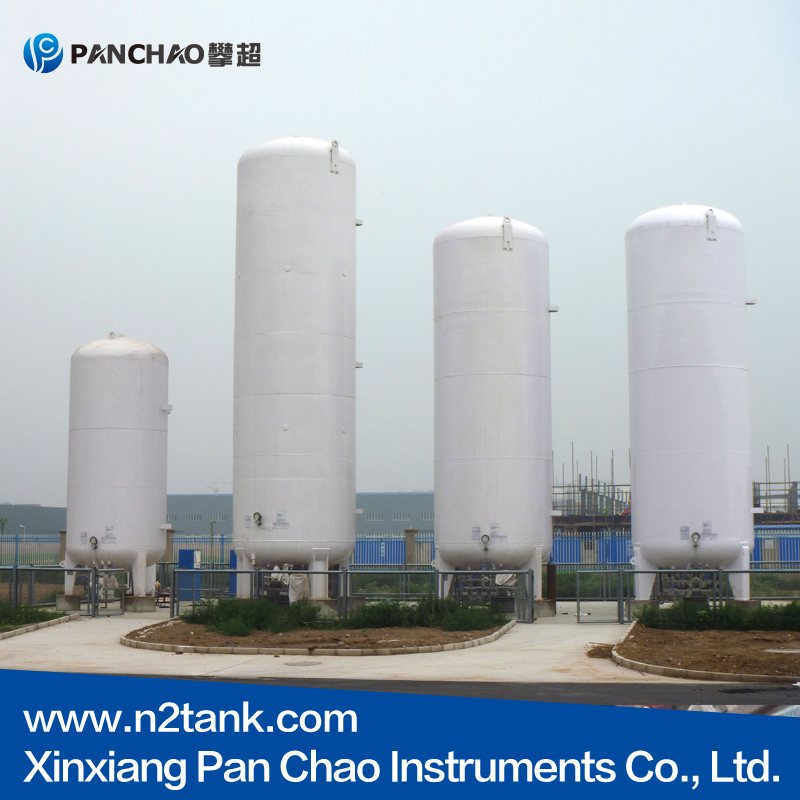
Cryogenic Liquid Tanks are available in vertical or horizonta...[more]
- 2vertical stainless steel pressu
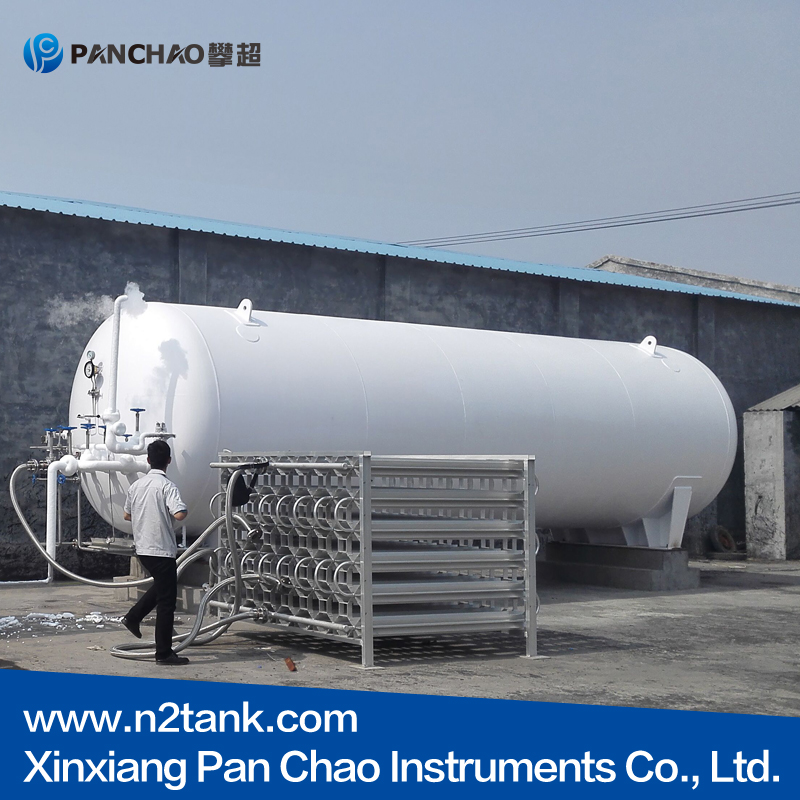
Cryogenic Liquid Tanks are available in vertical or horizonta...[more]
- 310 cubic meters cryogenic Liqui
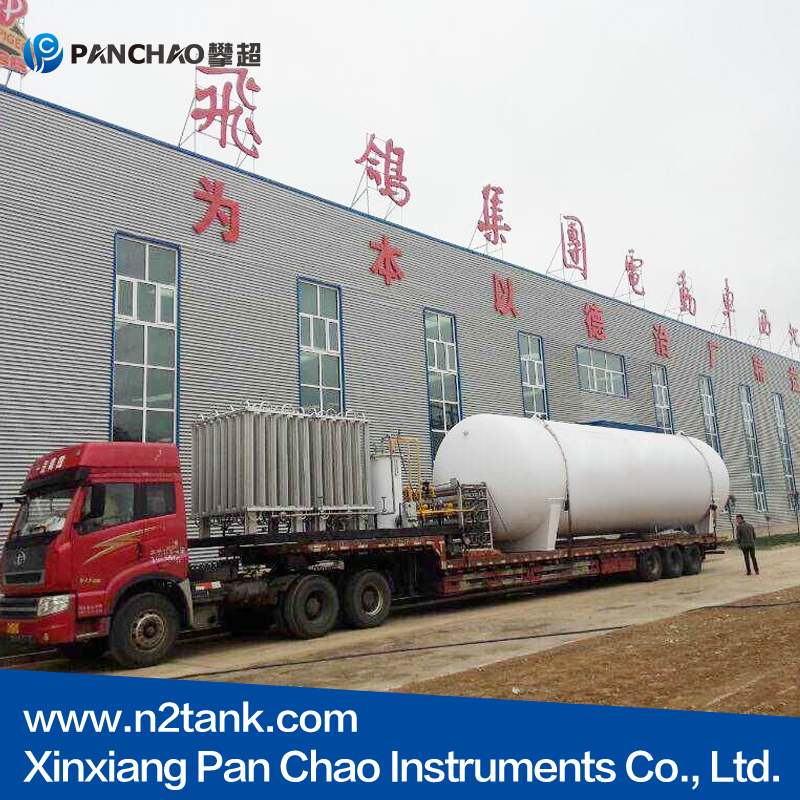
Cryogenic Liquid Tanks are available in vertical or horizonta...[more]
- 4GB150 pressure vessels cryogeni
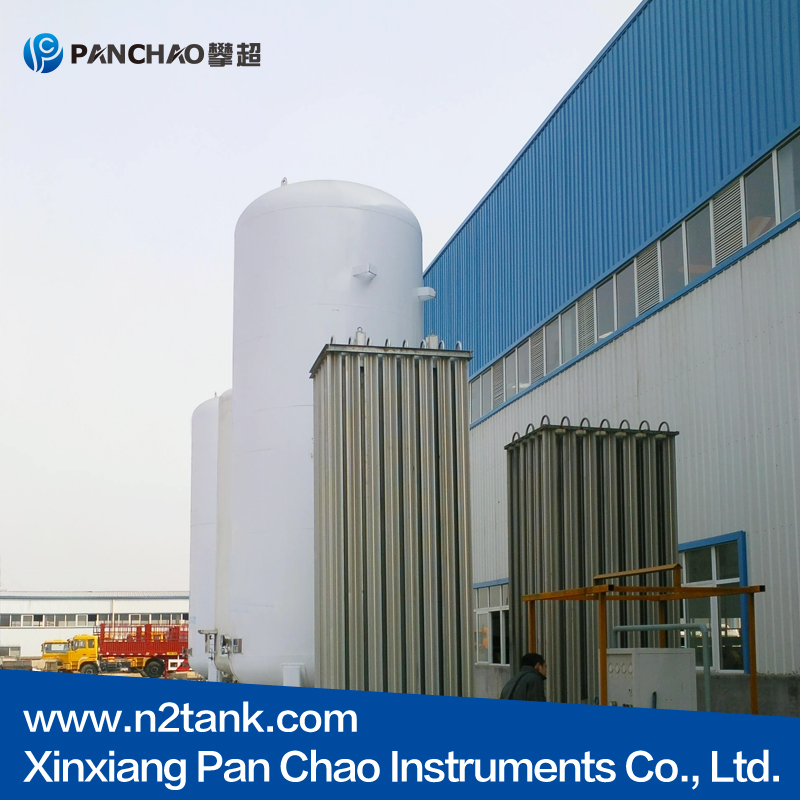
Cryogenic Liquid Tanks are available in vertical or horizonta...[more]
- 5New double Vertical cryogenic L
Cryogenic Liquid Tanks are available in vertical or horizonta...[more]
Rankings Of Similar Articles
- Refilling a Liquid Nitrogen Tank: How Self-Pressurizing Suppl
- Freezing Is Only Half the Story: Why Thawing Should Be Fast
- Breaking in a New Tank: Why the First Fill Should Be Slow
- Liquid Nitrogen or Mechanical Freezer? Two Roles in Cold Stor
- How Much Is Left Inside? Four Ways to Monitor Liquid Nitrogen
- How Long Does a Liquid Nitrogen Tank Last? Vacuum Life and Re
- Why Labels Fall off Cryovials in Liquid Nitrogen
- Liquid Nitrogen Storage Tanks: Stable Low Temperature for Ev
- Why Samples Should Not Be Plunged Straight into Liquid Nitrog
- Where Liquid Nitrogen Comes From: From Air to −196 °C
Latest Information
- Refilling a Liquid Nitrogen Tank: How Self-Pressurizing Suppl
- When the Nitrogen Supply Stops: Buffer Time and Contingency P
- Freezing Is Only Half the Story: Why Thawing Should Be Fast
- Breaking in a New Tank: Why the First Fill Should Be Slow
- Liquid Nitrogen or Mechanical Freezer? Two Roles in Cold Stor
- How Much Is Left Inside? Four Ways to Monitor Liquid Nitrogen
- How Long Does a Liquid Nitrogen Tank Last? Vacuum Life and Re
- Why Labels Fall off Cryovials in Liquid Nitrogen
- Liquid Nitrogen Storage Tanks: Stable Low Temperature for Ev
- Why Samples Should Not Be Plunged Straight into Liquid Nitrog
