
Liquid Nitrogen or Mechanical Freezer? Two Roles in Cold Storage
Editor:adminClick:
Time:2026-11-02 17:23
A recurring question when planning sample storage is whether to choose a liquid nitrogen tank or a −80 °C ultra-low temperature freezer. Both preserve by cold, but they work on different principles and serve different roles.
A mechanical freezer uses compressor-based refrigeration, runs on mains power and holds temperature steadily around −80 °C. Its strength is convenience: the door opens for immediate access, temperature is maintained automatically and no refrigerant needs topping up, so routine management is light. A liquid nitrogen tank, by contrast, relies on the cold of the nitrogen itself, needs no external power and can hold roughly −196 °C over long periods, but requires refilling.
The first difference is temperature. The gap between −80 °C and −196 °C is well over a hundred degrees, and long-term stability differs accordingly. At −80 °C some biochemical reactions are not entirely halted, so certain cell types, tissue samples and materials intended for very long storage tend to suit liquid nitrogen temperatures better. Freezers are widely used for material with shorter intended storage and frequent access, such as routine cell lines, proteins and nucleic acid preparations.
The second is how each behaves in operation. If a freezer loses power or breaks down, internal temperature climbs within a relatively short time, which is why temperature alarms and backup power are standard. A tank has no such dependency, but it depends on a continuing nitrogen supply; interruption lets the level fall, with the same effect on preservation. Access also differs: a freezer is markedly more convenient, whereas each opening of a tank disturbs the temperature profile and increases evaporation.
In practice the two are often used side by side, with the freezer handling high-frequency turnover and the tank long-term storage. The choice can be guided by intended storage duration, access frequency, sample sensitivity and the reliability of nitrogen supply.
Keywords:
Relevant Information
- How Much Is Left Inside? Four Ways to Monitor Liquid Nitrogen Level
- How Long Does a Liquid Nitrogen Tank Last? Vacuum Life and Replacement Timing
- Why Labels Fall off Cryovials in Liquid Nitrogen
- Liquid Nitrogen Storage Tanks: Stable Low Temperature for Every Important Samp
- Why Samples Should Not Be Plunged Straight into Liquid Nitrogen?
- Where Liquid Nitrogen Comes From: From Air to −196 °C
- Frost on a Liquid Nitrogen Tank: Normal or a Warning Sign?
- Why Temperature Inside a Liquid Nitrogen Tank Is Not Uniform
- How a Liquid Nitrogen Tank "Freezes Time": Inside −196 °C
- Liquid Nitrogen Tanks: A Practical Guide to Cryogenic Storage
Latest Products
- 110m3 double wall cryogenic Liqu

Cryogenic Liquid Tanks are available in vertical or horizonta...[more]
- 2vertical stainless steel pressu
Cryogenic Liquid Tanks are available in vertical or horizonta...[more]
- 310 cubic meters cryogenic Liqui

Cryogenic Liquid Tanks are available in vertical or horizonta...[more]
- 4GB150 pressure vessels cryogeni

Cryogenic Liquid Tanks are available in vertical or horizonta...[more]
- 5New double Vertical cryogenic L
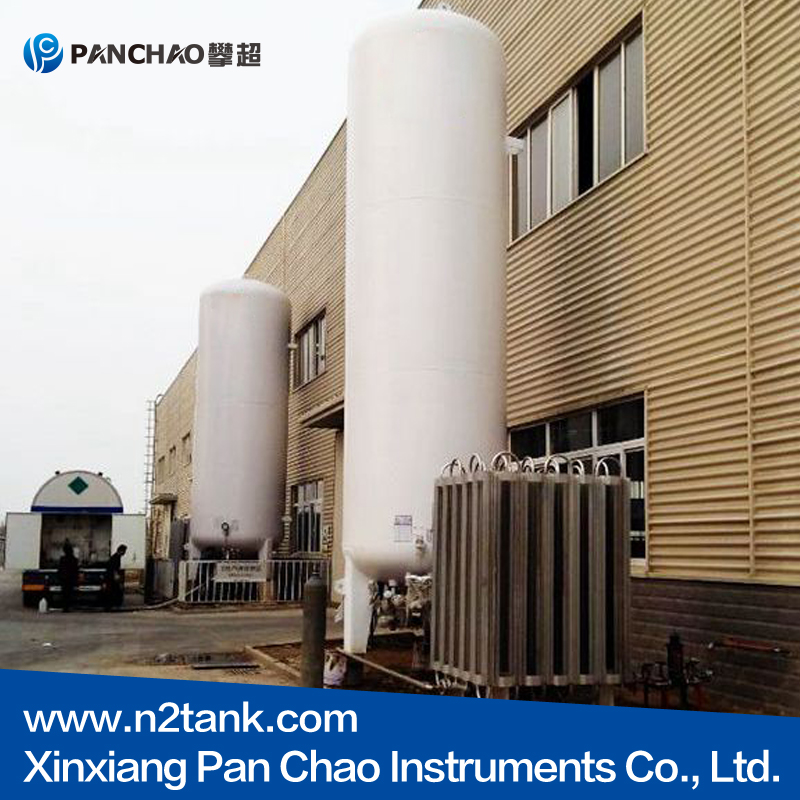
Cryogenic Liquid Tanks are available in vertical or horizonta...[more]
Rankings Of Similar Articles
- How Much Is Left Inside? Four Ways to Monitor Liquid Nitrogen
- How Long Does a Liquid Nitrogen Tank Last? Vacuum Life and Re
- Why Labels Fall off Cryovials in Liquid Nitrogen
- Liquid Nitrogen Storage Tanks: Stable Low Temperature for Ev
- Why Samples Should Not Be Plunged Straight into Liquid Nitrog
- Where Liquid Nitrogen Comes From: From Air to −196 °C
- Frost on a Liquid Nitrogen Tank: Normal or a Warning Sign?
- Why Temperature Inside a Liquid Nitrogen Tank Is Not Uniform
- How a Liquid Nitrogen Tank "Freezes Time": Inside −196 °
- Liquid Nitrogen Tanks: A Practical Guide to Cryogenic Storage
Latest Information
- Breaking in a New Tank: Why the First Fill Should Be Slow
- Liquid Nitrogen or Mechanical Freezer? Two Roles in Cold Stor
- How Much Is Left Inside? Four Ways to Monitor Liquid Nitrogen
- How Long Does a Liquid Nitrogen Tank Last? Vacuum Life and Re
- Why Labels Fall off Cryovials in Liquid Nitrogen
- Liquid Nitrogen Storage Tanks: Stable Low Temperature for Ev
- Why Samples Should Not Be Plunged Straight into Liquid Nitrog
- Where Liquid Nitrogen Comes From: From Air to −196 °C
- Frost on a Liquid Nitrogen Tank: Normal or a Warning Sign?
- Why Temperature Inside a Liquid Nitrogen Tank Is Not Uniform
