
Breaking in a New Tank: Why the First Fill Should Be Slow
Editor:adminClick:
Time:2026-11-03 13:10
A new tank — or one returning to service after a long idle period — can be unnerving at its first fill. White mist rolls from the neck, boiling is audible, and the level seems to drop almost as quickly as nitrogen is poured in, as though something were leaking. In most cases nothing is wrong: the vessel is simply cooling down.
The reason is the heat stored in the tank itself. The inner vessel, neck tube, racks and canisters all start at room temperature and carry a substantial amount of sensible heat. Liquid nitrogen boils vigorously on contact and carries that heat away as vapour, so consumption during the first cycle is far higher than in steady operation. A vacuum interlayer limits continuous heat ingress from outside; it cannot remove heat already held in the materials. These are different things.
Thermal stress is a second consideration. Aluminium alloy, stainless steel and seals contract by different amounts between room temperature and −196 °C. An abrupt cool-down creates a steep gradient and raises stress at welds and joints. Filling in stages lets the materials move through that transition more gently.
A measured approach works well: add a small amount first, replace the neck plug and let it stand until boiling subsides, then top up in several steps towards the working level. Racks, boxes and canisters can be pre-cooled at the same time, so that introducing them later does not trigger fresh boiling. Samples are better held back until this first cool-down is complete.
Two signals suggest the process has settled: the evaporation rate falling to a steady value, and a stable frost pattern around the neck. The static evaporation rate recorded at that point makes a sensible initial baseline for the unit, giving later vacuum assessment something to compare against. The same patience applies when a tank returns after long storage, or when the absorbent in a dry shipper is being saturated; a fast early draw-down should not be read straight away as vacuum failure.
A tank does not reach its steady state the moment it is filled. Taking the first cool-down slowly usually saves trouble later.
Keywords:
Relevant Information
- How Long Does a Liquid Nitrogen Tank Last? Vacuum Life and Replacement Timing
- Liquid Nitrogen Storage Tanks: Stable Low Temperature for Every Important Samp
- Frost on a Liquid Nitrogen Tank: Normal or a Warning Sign?
- Why Temperature Inside a Liquid Nitrogen Tank Is Not Uniform
- How a Liquid Nitrogen Tank "Freezes Time": Inside −196 °C
- Liquid Nitrogen Tanks: A Practical Guide to Cryogenic Storage
- Keep Your Samples Safe with Our Liquid Nitrogen Tanks
- Liquid Nitrogen Storage Tanks: Safe, Efficient, and Reliable Cryogenic Storage
- How to Maintain Liquid Nitrogen Tanks for Long-Term Biological Sample Storage
- Is It Really Necessary to Install a "Liquid Level Alarm" on a Liquid Nitrog


Latest Products
- 110m3 double wall cryogenic Liqu

Cryogenic Liquid Tanks are available in vertical or horizonta...[more]
- 2vertical stainless steel pressu
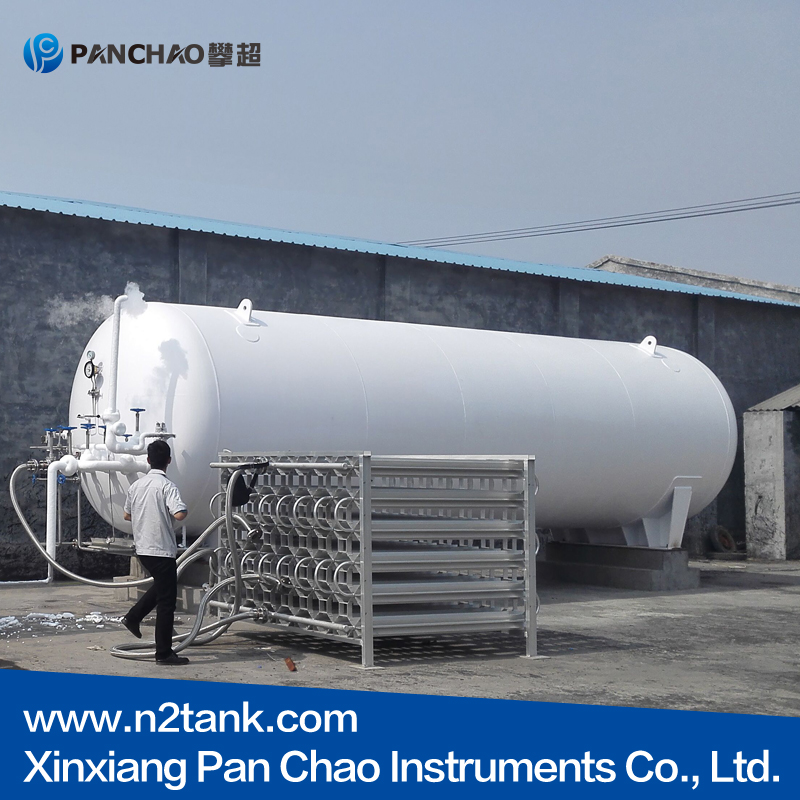
Cryogenic Liquid Tanks are available in vertical or horizonta...[more]
- 310 cubic meters cryogenic Liqui
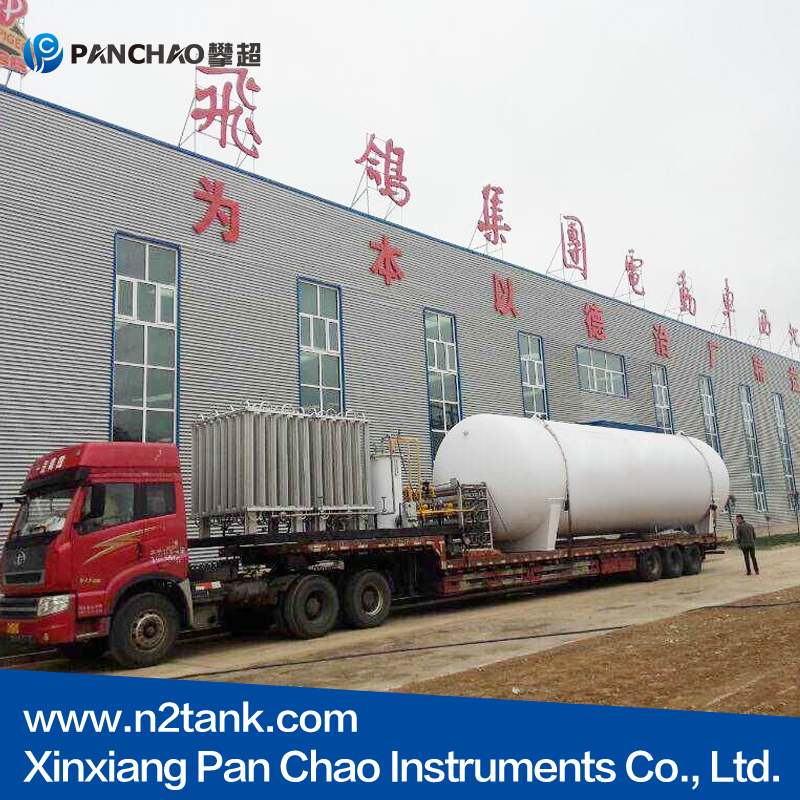
Cryogenic Liquid Tanks are available in vertical or horizonta...[more]
- 4GB150 pressure vessels cryogeni
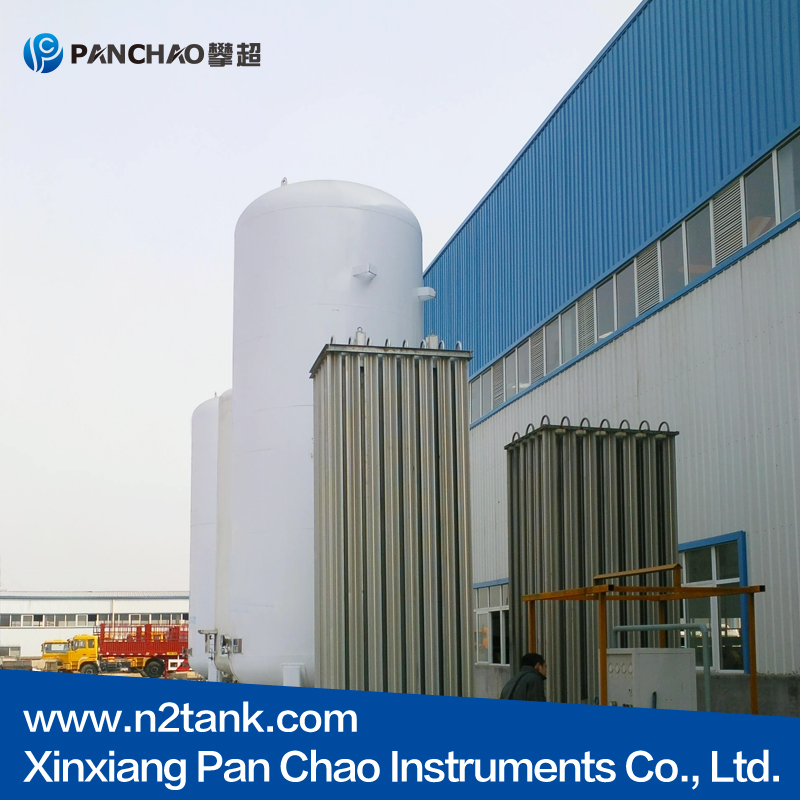
Cryogenic Liquid Tanks are available in vertical or horizonta...[more]
- 5New double Vertical cryogenic L
Cryogenic Liquid Tanks are available in vertical or horizonta...[more]
Rankings Of Similar Articles
- How Long Does a Liquid Nitrogen Tank Last? Vacuum Life and Re
- Liquid Nitrogen Storage Tanks: Stable Low Temperature for Ev
- Frost on a Liquid Nitrogen Tank: Normal or a Warning Sign?
- Why Temperature Inside a Liquid Nitrogen Tank Is Not Uniform
- How a Liquid Nitrogen Tank "Freezes Time": Inside −196 °
- Liquid Nitrogen Tanks: A Practical Guide to Cryogenic Storage
- Keep Your Samples Safe with Our Liquid Nitrogen Tanks
- Liquid Nitrogen Storage Tanks: Safe, Efficient, and Reliable
- How to Maintain Liquid Nitrogen Tanks for Long-Term Biologica
- Is It Really Necessary to Install a "Liquid Level Alarm"
Latest Information
- Freezing Is Only Half the Story: Why Thawing Should Be Fast
- Breaking in a New Tank: Why the First Fill Should Be Slow
- Liquid Nitrogen or Mechanical Freezer? Two Roles in Cold Stor
- How Much Is Left Inside? Four Ways to Monitor Liquid Nitrogen
- How Long Does a Liquid Nitrogen Tank Last? Vacuum Life and Re
- Why Labels Fall off Cryovials in Liquid Nitrogen
- Liquid Nitrogen Storage Tanks: Stable Low Temperature for Ev
- Why Samples Should Not Be Plunged Straight into Liquid Nitrog
- Where Liquid Nitrogen Comes From: From Air to −196 °C
- Frost on a Liquid Nitrogen Tank: Normal or a Warning Sign?
