
Refilling a Liquid Nitrogen Tank: How Self-Pressurizing Supply Vessels Work
Editor:adminClick:
Time:2026-11-06 16:39
Refilling a liquid nitrogen tank is not quite like pouring water into a bottle. Cryogenic liquid boils vigorously on contact with room-temperature lines, so the task is usually carried out with a dedicated vessel: the self-pressurizing supply tank.
Its logic is almost the reverse of a storage tank. A storage tank's neck plug is deliberately loose, letting vapour escape so pressure cannot build. A supply tank, by contrast, needs to build a little pressure on purpose in order to push liquid out. The principle is straightforward: a small portion of the nitrogen inside evaporates naturally; with the vent closed and the pressurization valve opened, pressure in the vapour space rises; once it exceeds that on the receiving side, the outlet valve is opened and liquid is driven through a cryogenic hose. No external power or mechanical pump is involved — only the evaporation of the nitrogen itself and the resulting pressure difference.
What needs care is the pace. When the hose is first connected, heavy white mist and audible boiling usually mean the ambient-temperature line is being cooled down, not that something is leaking. A measured approach is to start with a small flow so the line and neck cool gradually, then open the valve further; a sudden surge can cause splashing and briefly disturb the temperature profile in the receiving tank. Cryogenic gloves and eye protection are advisable, the area should be ventilated, and hoses, valves and couplings are best rated for low-temperature service.
How far to fill matters too. The level need not reach the neck; headroom is normally retained, and the next refill date estimated from the static evaporation rate — the same staged logic used when a new tank is first cooled down. At the end of the operation the outlet valve is usually closed first, residual pressure released according to the equipment instructions, and only then is the hose disconnected, so that no coupling is handled while pressurised.
Recording the date, the amount added and the total weight before and after each refill gradually builds a consumption curve for that tank. It serves both as a baseline for judging vacuum degradation and as the basis for estimating buffer time if supply is interrupted. Specific valve sequences, pressure ranges and authorisation should follow the equipment manual and institutional procedures.
Refilling is a routine action in the cold chain. It looks like simply topping up, yet pressure, temperature and record-keeping are all part of it.
Keywords:
Relevant Information
- When the Nitrogen Supply Stops: Buffer Time and Contingency Planning for LN2 Ta
- Liquid Nitrogen or Mechanical Freezer? Two Roles in Cold Storage
- How Much Is Left Inside? Four Ways to Monitor Liquid Nitrogen Level
- How Long Does a Liquid Nitrogen Tank Last? Vacuum Life and Replacement Timing
- Why Labels Fall off Cryovials in Liquid Nitrogen
- Liquid Nitrogen Storage Tanks: Stable Low Temperature for Every Important Samp
- Why Samples Should Not Be Plunged Straight into Liquid Nitrogen?
- Where Liquid Nitrogen Comes From: From Air to −196 °C
- Frost on a Liquid Nitrogen Tank: Normal or a Warning Sign?
- Why Temperature Inside a Liquid Nitrogen Tank Is Not Uniform


Latest Products
- 110m3 double wall cryogenic Liqu
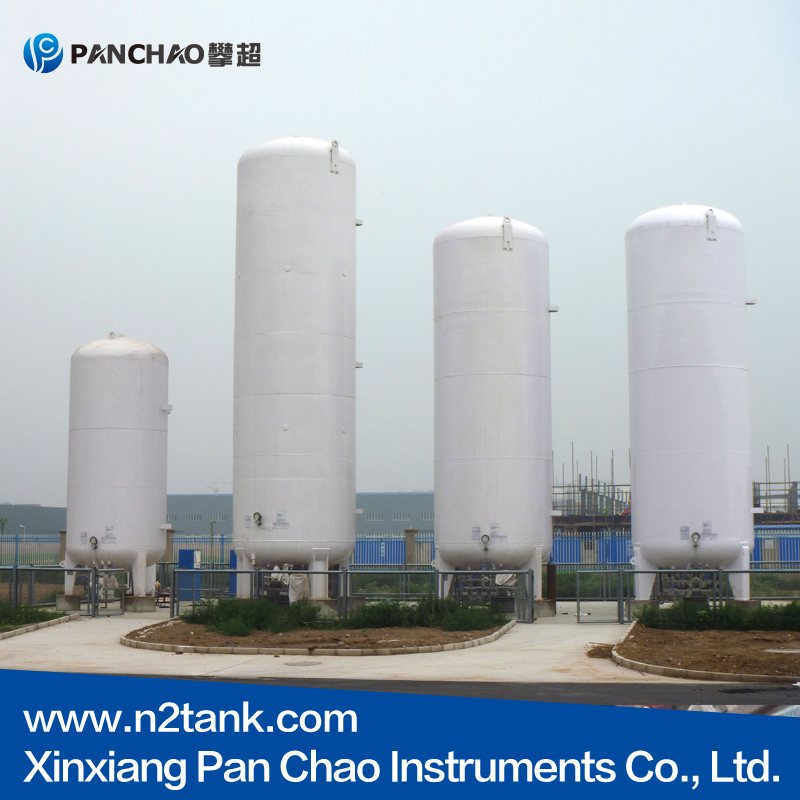
Cryogenic Liquid Tanks are available in vertical or horizonta...[more]
- 2vertical stainless steel pressu
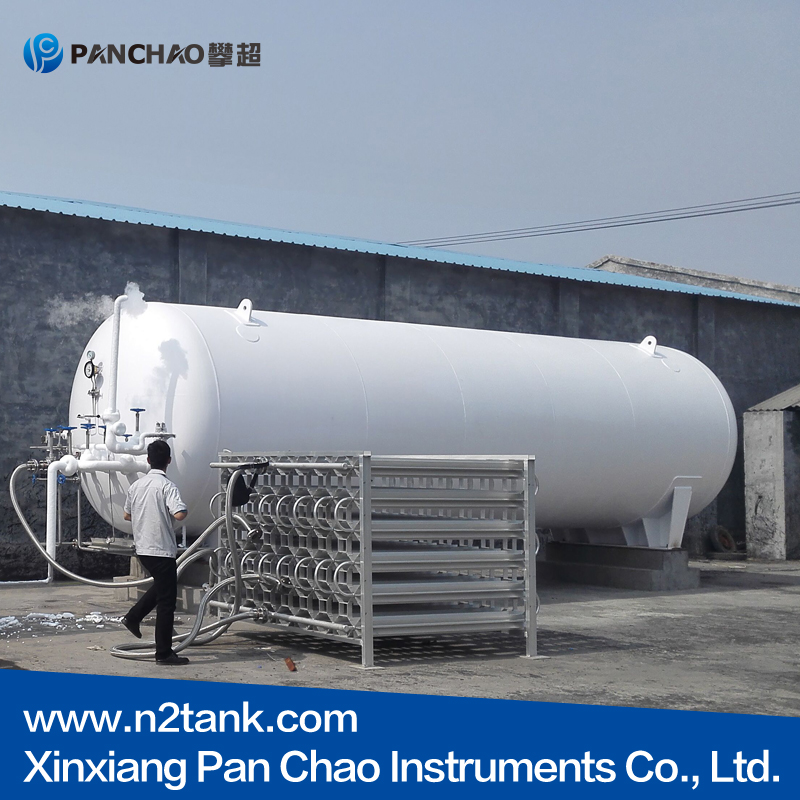
Cryogenic Liquid Tanks are available in vertical or horizonta...[more]
- 310 cubic meters cryogenic Liqui
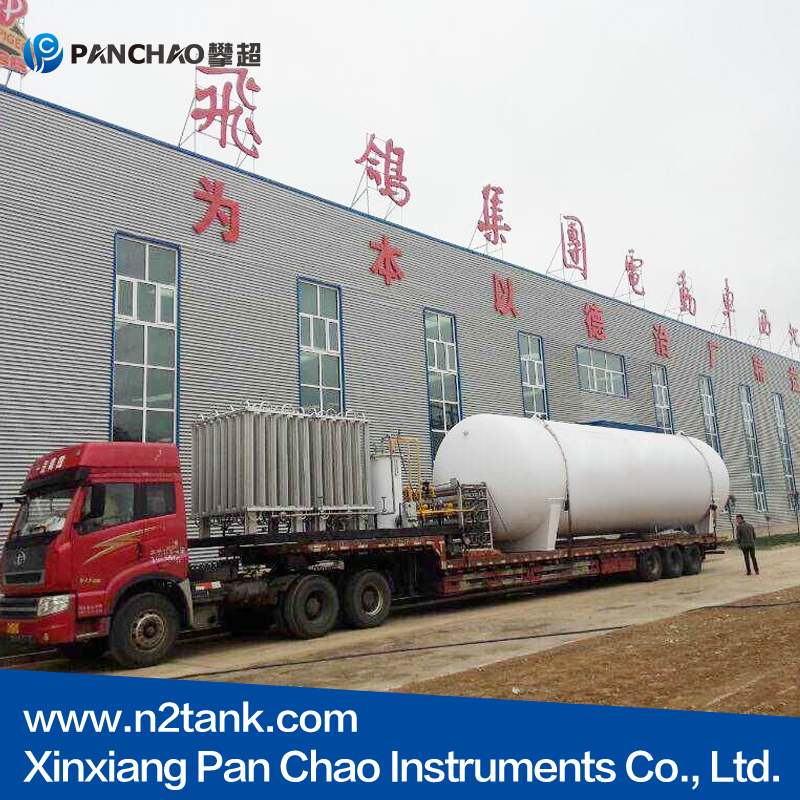
Cryogenic Liquid Tanks are available in vertical or horizonta...[more]
- 4GB150 pressure vessels cryogeni
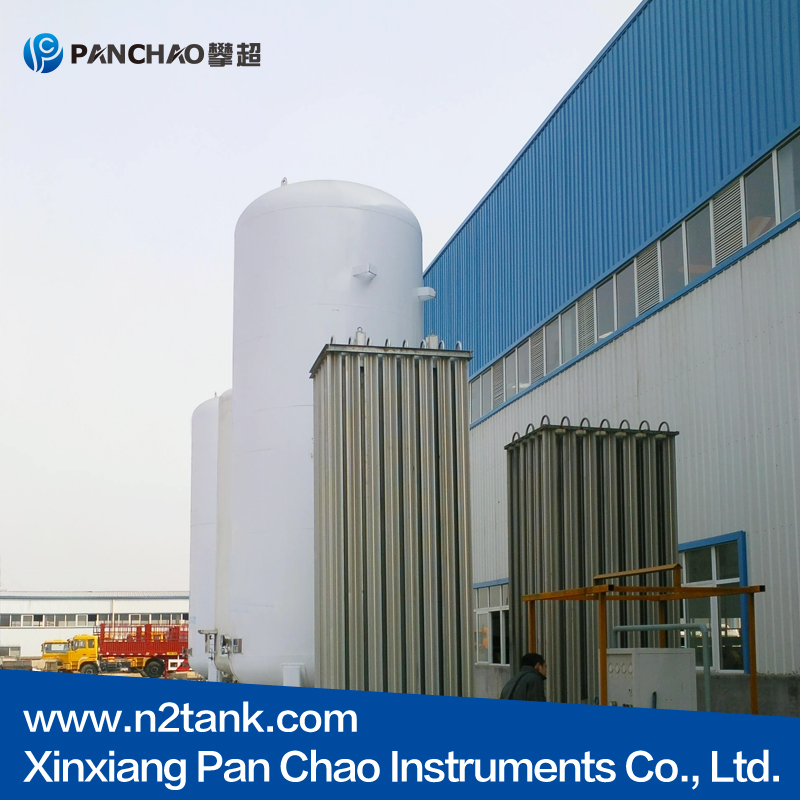
Cryogenic Liquid Tanks are available in vertical or horizonta...[more]
- 5New double Vertical cryogenic L
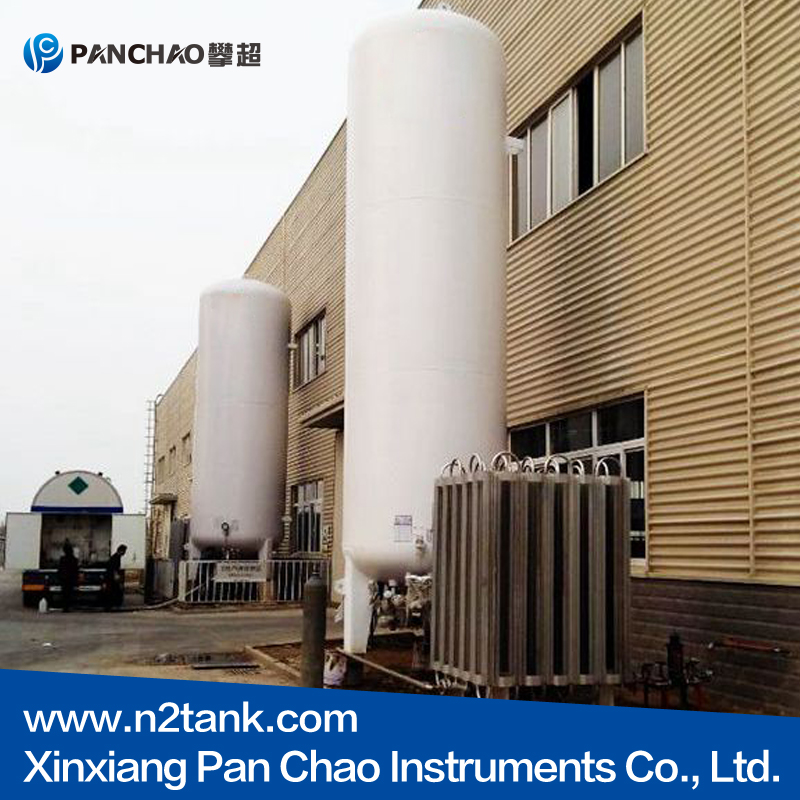
Cryogenic Liquid Tanks are available in vertical or horizonta...[more]
Rankings Of Similar Articles
- When the Nitrogen Supply Stops: Buffer Time and Contingency P
- Liquid Nitrogen or Mechanical Freezer? Two Roles in Cold Stor
- How Much Is Left Inside? Four Ways to Monitor Liquid Nitrogen
- How Long Does a Liquid Nitrogen Tank Last? Vacuum Life and Re
- Why Labels Fall off Cryovials in Liquid Nitrogen
- Liquid Nitrogen Storage Tanks: Stable Low Temperature for Ev
- Why Samples Should Not Be Plunged Straight into Liquid Nitrog
- Where Liquid Nitrogen Comes From: From Air to −196 °C
- Frost on a Liquid Nitrogen Tank: Normal or a Warning Sign?
- Why Temperature Inside a Liquid Nitrogen Tank Is Not Uniform
Latest Information
- One Tank, Four Contexts: Matching LN2 Storage to How It Will
- Refilling a Liquid Nitrogen Tank: How Self-Pressurizing Suppl
- When the Nitrogen Supply Stops: Buffer Time and Contingency P
- Freezing Is Only Half the Story: Why Thawing Should Be Fast
- Breaking in a New Tank: Why the First Fill Should Be Slow
- Liquid Nitrogen or Mechanical Freezer? Two Roles in Cold Stor
- How Much Is Left Inside? Four Ways to Monitor Liquid Nitrogen
- How Long Does a Liquid Nitrogen Tank Last? Vacuum Life and Re
- Why Labels Fall off Cryovials in Liquid Nitrogen
- Liquid Nitrogen Storage Tanks: Stable Low Temperature for Ev
