
One Tank, Four Contexts: Matching LN2 Storage to How It Will Be Used
Editor:adminClick:
Time:2026-11-07 09:57
A common way to choose a tank is to compare volume, neck diameter and price first. It is often more useful to begin with a few questions about use: how long samples will stay, how often they are accessed, whether they move between sites, and whether they could be replaced if lost. Different answers shift the priorities.
In medical and biobank settings, the defining word is irreplaceability. Cells, reproductive cells and tissue samples are hard to recreate, storage is measured in years, and traceability matters. Vapour-phase storage is often preferred to reduce concern over cross-contamination between vials. Continuous level and temperature monitoring, remote alarms, a clear numbering scheme and a backup tank kept ready all fit this context, as do dual sourcing and a modest reserve on the supply side.
Animal breeding runs to a different rhythm. Frozen semen and embryos are held in bulk as straws, organised by breed, batch and collection date, often across scattered sites with regular movement between farms. Wide-neck racks, layered indexing and shock-resistant construction become practical here, and dry shippers suit inter-site transfer. Refill intervals are best aligned with delivery radius so that the level does not approach the sample zone between visits.
Research laboratories handle mixed sample types, frequent access and projects of varying duration. A frequent arrangement is a −80 °C freezer for high-turnover material and a liquid nitrogen tank for long-term holdings. Several small or medium units divided by project or group are often easier to manage than one large vessel. Lid-opening frequency, cryogenic labelling and check-in records tend to take the most attention.
Industrial cryogenic work deals with objects rather than biological samples. Shrink-fit assembly, materials treatment and superconductivity experiments emphasise cooling capacity and handling of larger items, so open or wide-neck vessels and self-pressurizing supply tanks are common. Filling tends to be more frequent, and ventilation with oxygen monitoring belongs in the layout discussion.
Set side by side, the four contexts suggest a simple mapping: irreplaceability sets redundancy, access frequency shapes zoning and opening routines, transport radius determines shipping equipment, and sample form determines containers and racks. Writing a requirement list before returning to the specification table is usually steadier than starting from a capacity figure.
Keywords:
Relevant Information
- Where to Place LN2 Tanks: Room Layout and Handling
- Refilling a Liquid Nitrogen Tank: How Self-Pressurizing Supply Vessels Work
- When the Nitrogen Supply Stops: Buffer Time and Contingency Planning for LN2 Ta
- Breaking in a New Tank: Why the First Fill Should Be Slow
- How Much Is Left Inside? Four Ways to Monitor Liquid Nitrogen Level
- How Long Does a Liquid Nitrogen Tank Last? Vacuum Life and Replacement Timing
- Why Labels Fall off Cryovials in Liquid Nitrogen
- Liquid Nitrogen Storage Tanks: Stable Low Temperature for Every Important Samp
- Frost on a Liquid Nitrogen Tank: Normal or a Warning Sign?
- Why Temperature Inside a Liquid Nitrogen Tank Is Not Uniform


Latest Products
- 110m3 double wall cryogenic Liqu
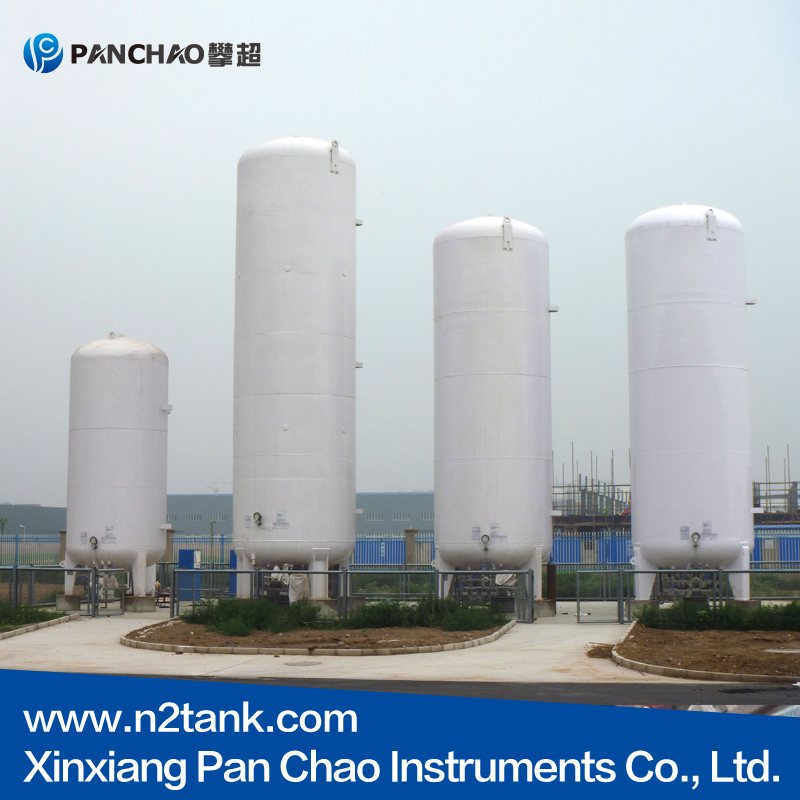
Cryogenic Liquid Tanks are available in vertical or horizonta...[more]
- 2vertical stainless steel pressu
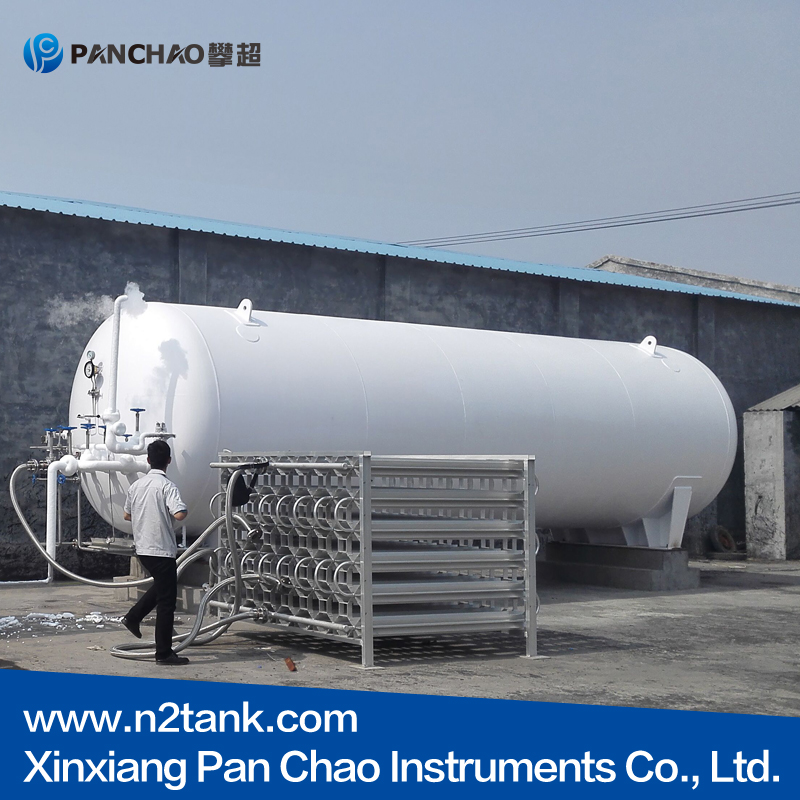
Cryogenic Liquid Tanks are available in vertical or horizonta...[more]
- 310 cubic meters cryogenic Liqui
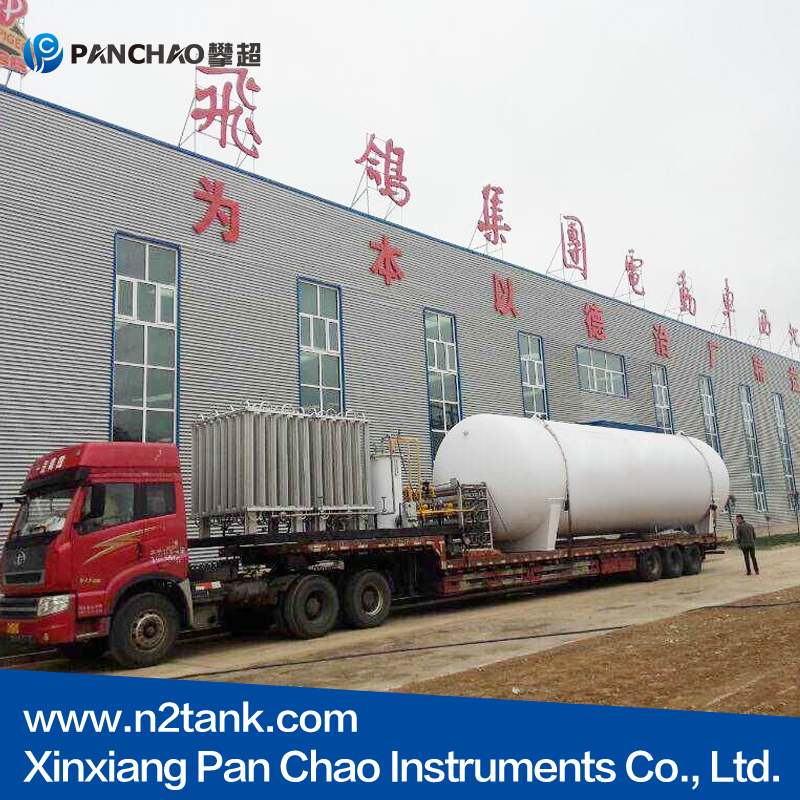
Cryogenic Liquid Tanks are available in vertical or horizonta...[more]
- 4GB150 pressure vessels cryogeni
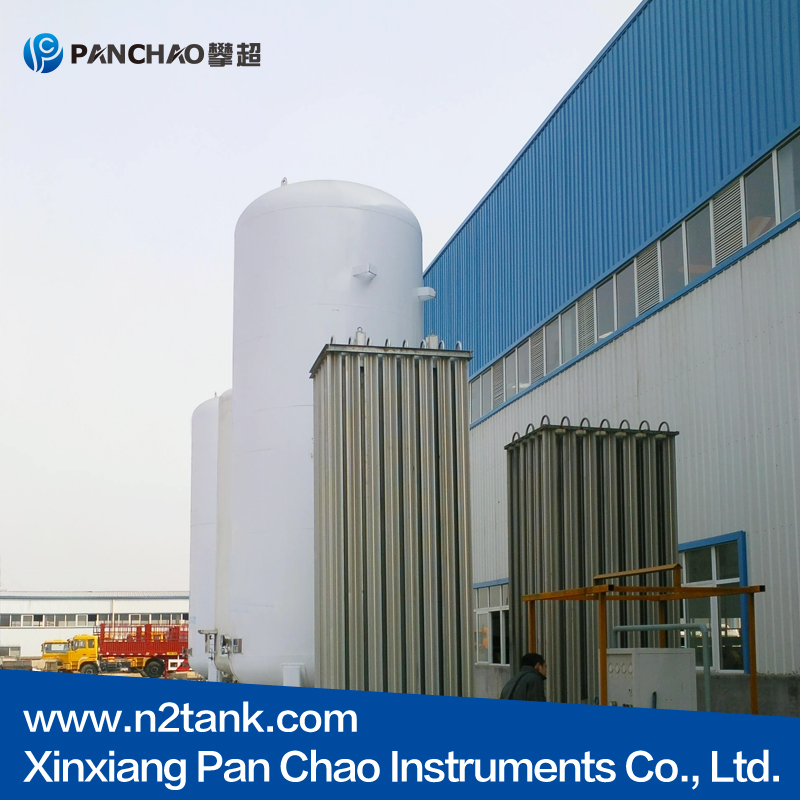
Cryogenic Liquid Tanks are available in vertical or horizonta...[more]
- 5New double Vertical cryogenic L
Cryogenic Liquid Tanks are available in vertical or horizonta...[more]
Rankings Of Similar Articles
- Where to Place LN2 Tanks: Room Layout and Handling
- Refilling a Liquid Nitrogen Tank: How Self-Pressurizing Suppl
- When the Nitrogen Supply Stops: Buffer Time and Contingency P
- Breaking in a New Tank: Why the First Fill Should Be Slow
- How Much Is Left Inside? Four Ways to Monitor Liquid Nitrogen
- How Long Does a Liquid Nitrogen Tank Last? Vacuum Life and Re
- Why Labels Fall off Cryovials in Liquid Nitrogen
- Liquid Nitrogen Storage Tanks: Stable Low Temperature for Ev
- Frost on a Liquid Nitrogen Tank: Normal or a Warning Sign?
- Why Temperature Inside a Liquid Nitrogen Tank Is Not Uniform
Latest Information
- Where to Place LN2 Tanks: Room Layout and Handling
- Records, Samples, Positions: Check-in and Inventory in an LN2
- One Tank, Four Contexts: Matching LN2 Storage to How It Will
- Refilling a Liquid Nitrogen Tank: How Self-Pressurizing Suppl
- When the Nitrogen Supply Stops: Buffer Time and Contingency P
- Freezing Is Only Half the Story: Why Thawing Should Be Fast
- Breaking in a New Tank: Why the First Fill Should Be Slow
- Liquid Nitrogen or Mechanical Freezer? Two Roles in Cold Stor
- How Much Is Left Inside? Four Ways to Monitor Liquid Nitrogen
- How Long Does a Liquid Nitrogen Tank Last? Vacuum Life and Re
