
Why Should a Liquid Nitrogen Tank Not Be Placed Directly on a Concrete Floor? — Corrosion and Protection
It is a common sight: a liquid nitrogen tank sitting directly on a concrete floor. This practice, however, is a significant and often overlooked threat to the tank's longevity and performance. The seemingly harmless contact with concrete can lead to corrosion and damage to the tank's base.
The Corrosion Mechanism
Liquid nitrogen tanks are typically made of aluminum or stainless steel. While these materials are chosen for their durability, they are not immune to attack, especially from moisture and salts. When a tank is placed directly on a concrete floor, several processes begin to act on the metal.
Concrete is a porous material that absorbs and retains moisture. This moisture often contains dissolved salts and minerals, which are deposited on the metal surface where the tank makes contact. When water is trapped between the concrete and the metal, it forms a localized electrochemical cell. This leads to corrosion—a process that eats away at the metal.
The Role of Condensation
The problem is worsened by the tank's operation. The contents of the tank are at -196°C, and even with excellent insulation, the base of the tank can become very cold. This cold surface causes moisture from the air to condense on the outer shell, including the bottom. When a cold tank is placed on concrete, the moisture condenses and is trapped against the metal, accelerating the corrosion process.
Why the Base is Vulnerable
The base of a liquid nitrogen tank is a critical area. It is where the inner and outer vessels are joined, and it must maintain its structural integrity to preserve the vacuum insulation. Damage to the base can lead to a loss of vacuum, dramatically shortening the tank's holding time. The bottom of a tank that is stored directly on concrete is often not easily visible, so corrosion in this area can go undetected for a long time.
Protection: The Simple Solution
The solution is simple: use a protective barrier. Place the tank on a piece of plywood, a rubber mat, or a specially designed tank stand. This barrier breaks the direct contact between the tank and the damp concrete, preventing the moisture from reaching the metal and stopping the corrosion.
Additional Measures
In addition to a barrier, there are other steps you can take. For tanks in damp environments, ensure the storage area is well-ventilated to reduce humidity. Periodically inspect the base of the tank for signs of corrosion or pitting, and if the tank is used on a wet floor, wipe away any moisture from the base after use.
The Bottom Line
Placing a liquid nitrogen tank directly on a concrete floor is a practice that can lead to costly damage and premature failure. The combination of moisture, salts, and the cold metal creates the perfect conditions for corrosion. Using a simple barrier, such as a wooden pallet or a rubber mat, is a low-cost investment that can protect your valuable tank from a slow, silent, and expensive demise.
Relevant Information
- Does a Liquid Nitrogen Tank Have to Be Scrapped Once Its "Vacuum Warranty Per
- Why Must a Liquid Nitrogen Tank Be Pre-Cooled Before Use? — Preventing Therma
- How to Choose Between "Canisters" and "Racks" Inside a Liquid Nitrogen
- Why Is the Neck Plug of a Liquid Nitrogen Tank Not Solid? — Unveiling the Str
- How Is the "Daily Evaporation Rate" of a Liquid Nitrogen Tank Actuall
- Can a Liquid Nitrogen Tank Still Be Used After Ten Years?
- 5 Key Parameters to Focus on When Purchasing a Liquid Nitrogen Tank
- Is a Lower Static Evaporation Rate Always Better for Liquid Nitrogen Tanks?
- How to Determine If a Liquid Nitrogen Tank's Vacuum Layer Has Failed
- Application Trends of Liquid Nitrogen Tanks in the Biopharmaceutical Industry


Latest Products
- 110m3 double wall cryogenic Liqu

Cryogenic Liquid Tanks are available in vertical or horizonta...[more]
- 2vertical stainless steel pressu
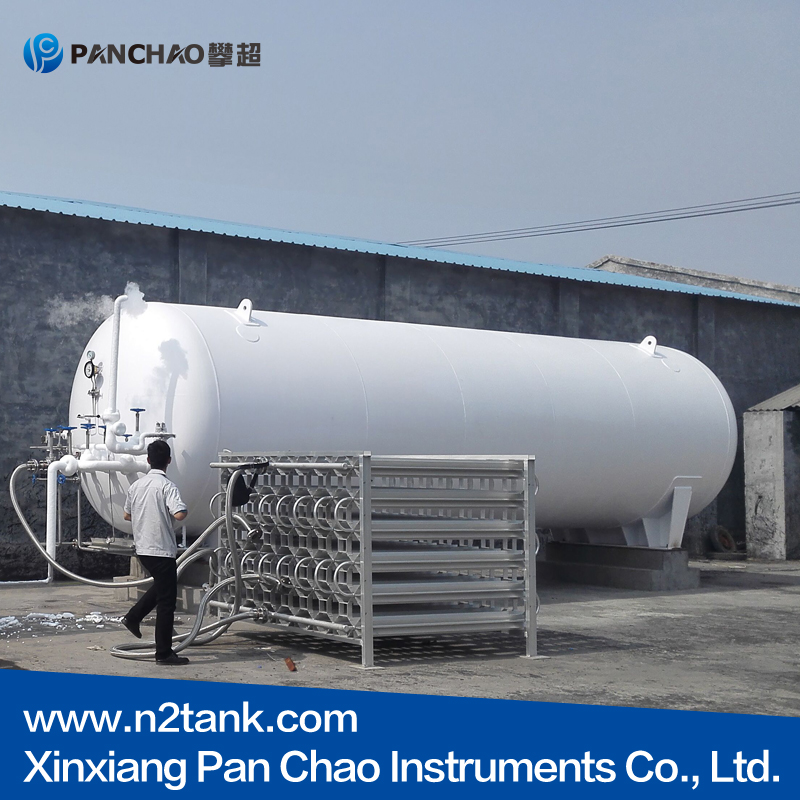
Cryogenic Liquid Tanks are available in vertical or horizonta...[more]
- 310 cubic meters cryogenic Liqui
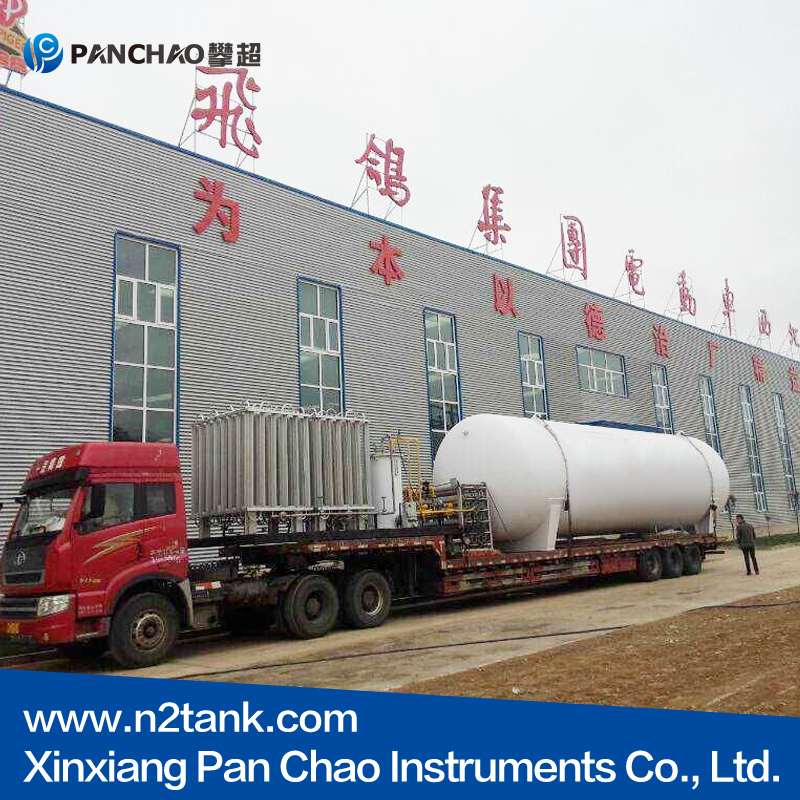
Cryogenic Liquid Tanks are available in vertical or horizonta...[more]
- 4GB150 pressure vessels cryogeni

Cryogenic Liquid Tanks are available in vertical or horizonta...[more]
- 5New double Vertical cryogenic L
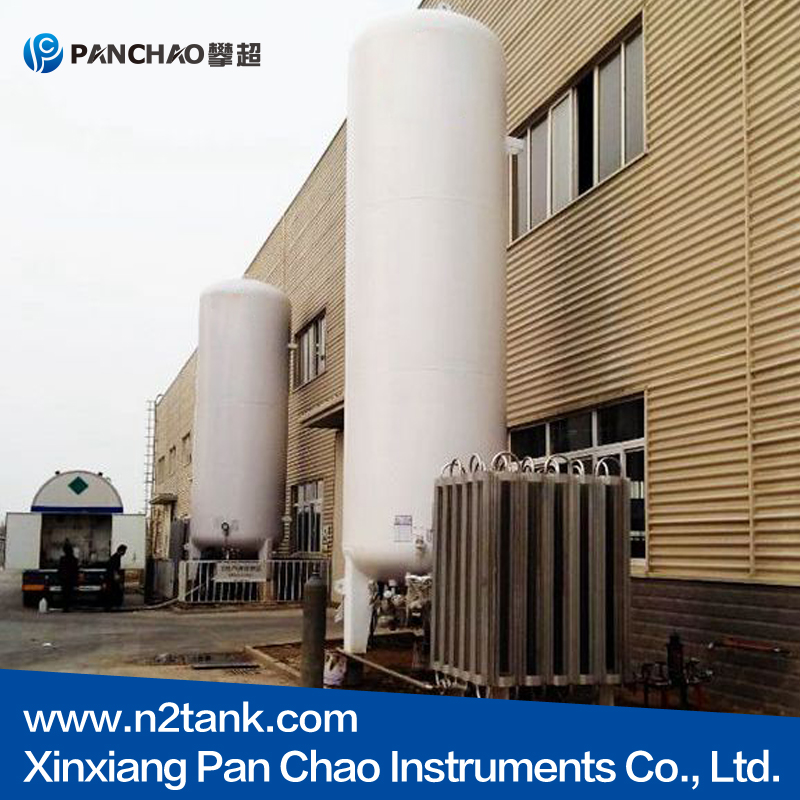
Cryogenic Liquid Tanks are available in vertical or horizonta...[more]
Rankings Of Similar Articles
- Does a Liquid Nitrogen Tank Have to Be Scrapped Once Its "V
- Why Must a Liquid Nitrogen Tank Be Pre-Cooled Before Use? —
- How to Choose Between "Canisters" and "Racks" Inside
- Why Is the Neck Plug of a Liquid Nitrogen Tank Not Solid? —
- How Is the "Daily Evaporation Rate" of a Liquid Nit
- Can a Liquid Nitrogen Tank Still Be Used After Ten Years?
- 5 Key Parameters to Focus on When Purchasing a Liquid Nitroge
- Is a Lower Static Evaporation Rate Always Better for Liquid N
- How to Determine If a Liquid Nitrogen Tank's Vacuum Layer Has
- Application Trends of Liquid Nitrogen Tanks in the Biopharmac
Latest Information
- Does Frost on the Outside of a Liquid Nitrogen Tank Always In
- Why Liquid Nitrogen Dewars Should Not Be Stored Empty Long-Te
- How to Understand the Static Evaporation Rate of a Liquid Nit
- Aluminum Alloy vs. Stainless Steel Liquid Nitrogen Tanks: Adv
- The Cooling Principle of Liquid Nitrogen Tanks: How Do They M
- The Vacuum Layer in Liquid Nitrogen Tanks: Invisible but Esse
- Holiday Notice
- Storage Environment Requirements for Liquid Nitrogen Tanks: T
- Hot sale thawing cup
- Storage of liquid nitrogen tank
