
Why Must a Liquid Nitrogen Tank Be Pre-Cooled Before Use? — Preventing Thermal Shock
A new or completely empty liquid nitrogen tank is essentially a room-temperature vessel with a sophisticated vacuum insulation system. Filling such a tank directly with -196°C liquid nitrogen is a recipe for disaster. The extreme temperature difference, known as thermal shock, can severely damage the tank's inner structure. Here is why pre-cooling is an essential, non-negotiable step.
Understanding Thermal Shock
Thermal shock occurs when a material is subjected to a rapid and extreme temperature change. In a liquid nitrogen tank, the inner vessel is made of metal, typically aluminum or stainless steel. When you pour room-temperature liquid nitrogen into a warm metal vessel, the metal at the bottom and sides cools and contracts rapidly, while the upper parts of the vessel remain warm.
This creates a sharp temperature gradient, which leads to internal stress within the metal. If the stress exceeds the material's yield strength, it can cause cracking, warping, or distortion of the inner vessel. This damage is often permanent and can severely compromise the tank's ability to hold a vacuum and maintain thermal efficiency.
Why the Tank's Design Makes It Vulnerable
The liquid nitrogen tank's design exacerbates the risk of thermal shock. The multi-layer insulation and high vacuum are excellent at preventing heat from entering, but they also mean that once the inner vessel is cooled, it stays cold. However, during initial filling, the thermal energy from the warm metal is removed very quickly by the liquid nitrogen, concentrating the stress at the weld points and joints where the inner and outer vessels connect.
Pre-Cooling: The Protective Procedure
Pre-cooling is a gradual process that involves adding small amounts of liquid nitrogen to the tank, allowing them to boil off and cool the inner vessel down to cryogenic temperatures safely.
Step 1: Add a small amount of LN₂ (about 5-10% of the tank's capacity). As it boils vigorously, it will rapidly cool the bottom of the vessel.
Step 2: Allow the LN₂ to completely boil off and the boiling to subside. This cools the inner vessel's temperature to a manageable level.
Step 3: Repeat this process once or twice more. This ensures that the entire inner vessel and all the internal components are uniformly cooled.
Step 4: After this pre-cooling, the tank can be safely filled to its normal operating level. The gradual cooling allows the metal to contract slowly and evenly, preventing harmful internal stresses.
The Consequences of Skipping Pre-Cooling
If you skip pre-cooling and pour liquid nitrogen directly into a warm tank, you risk cracking the inner vessel, which can lead to vacuum failure and a permanently damaged tank. The tank's holding time will be compromised, and the repair cost is often significant.
The Bottom Line
Pre-cooling a liquid nitrogen tank is not a mere suggestion; it is a mandatory procedure to protect the tank from the damaging effects of thermal shock. This simple step, which takes only a few minutes, can significantly extend the life of your valuable equipment and prevent costly repairs or replacements. In cryogenics, patience is not just a virtue; it is an essential safety practice.
Relevant Information
- Why Should a Liquid Nitrogen Tank Not Be Placed Directly on a Concrete Floor? —
- How to Choose Between "Canisters" and "Racks" Inside a Liquid Nitrogen
- Why Is the Neck Plug of a Liquid Nitrogen Tank Not Solid? — Unveiling the Str
- How Is the "Daily Evaporation Rate" of a Liquid Nitrogen Tank Actuall
- Can a Liquid Nitrogen Tank Still Be Used After Ten Years?
- 5 Key Parameters to Focus on When Purchasing a Liquid Nitrogen Tank
- Is a Lower Static Evaporation Rate Always Better for Liquid Nitrogen Tanks?
- How to Determine If a Liquid Nitrogen Tank's Vacuum Layer Has Failed
- Application Trends of Liquid Nitrogen Tanks in the Biopharmaceutical Industry
- The Role of Liquid Nitrogen Tanks in Vaccine Development: Ensuring Low-Temperat

Latest Products
- 110m3 double wall cryogenic Liqu
Cryogenic Liquid Tanks are available in vertical or horizonta...[more]
- 2vertical stainless steel pressu
Cryogenic Liquid Tanks are available in vertical or horizonta...[more]
- 310 cubic meters cryogenic Liqui
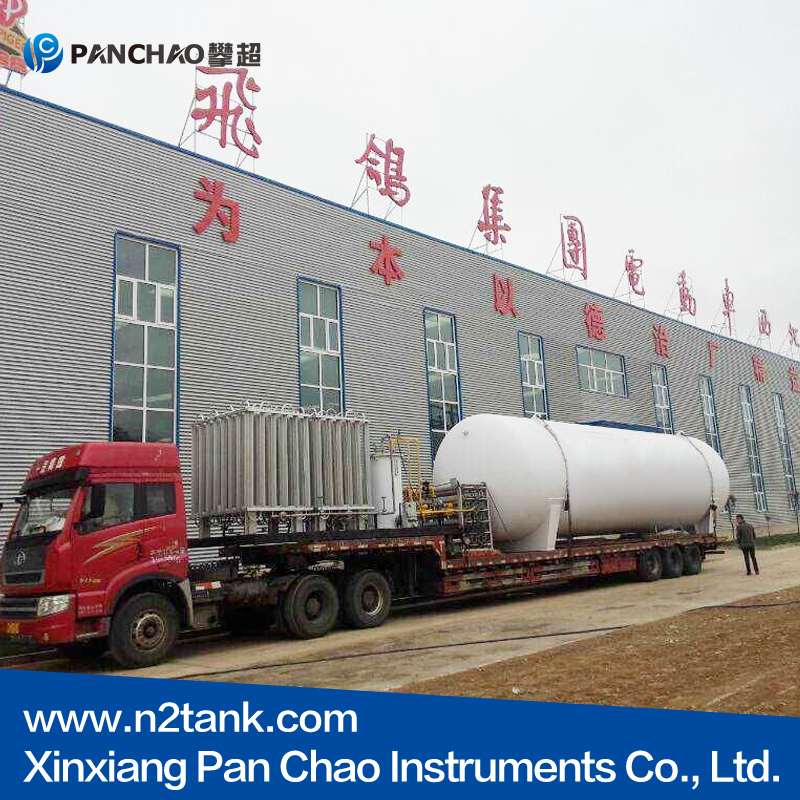
Cryogenic Liquid Tanks are available in vertical or horizonta...[more]
- 4GB150 pressure vessels cryogeni
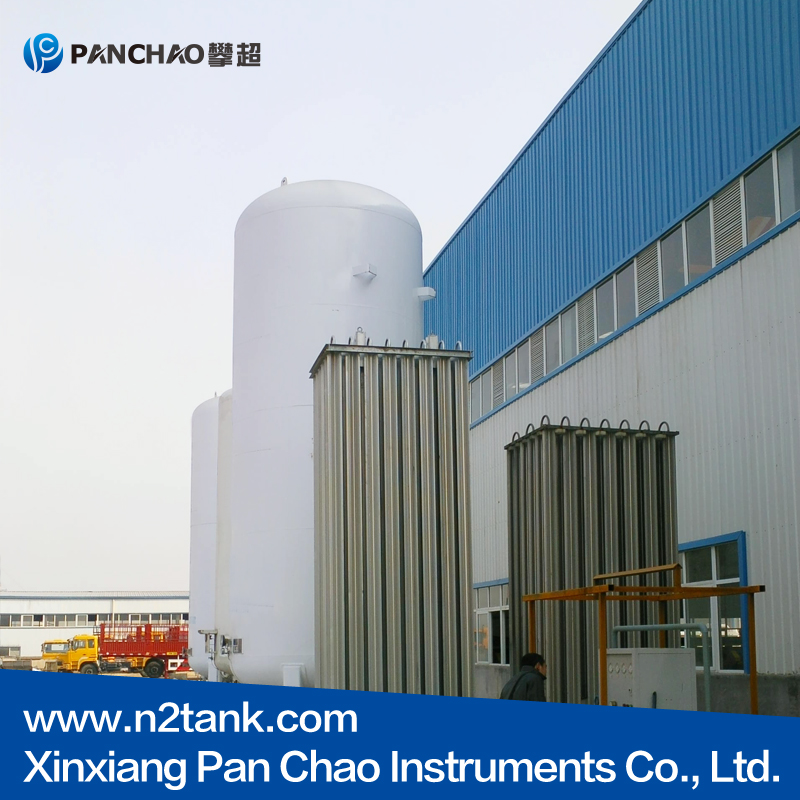
Cryogenic Liquid Tanks are available in vertical or horizonta...[more]
- 5New double Vertical cryogenic L
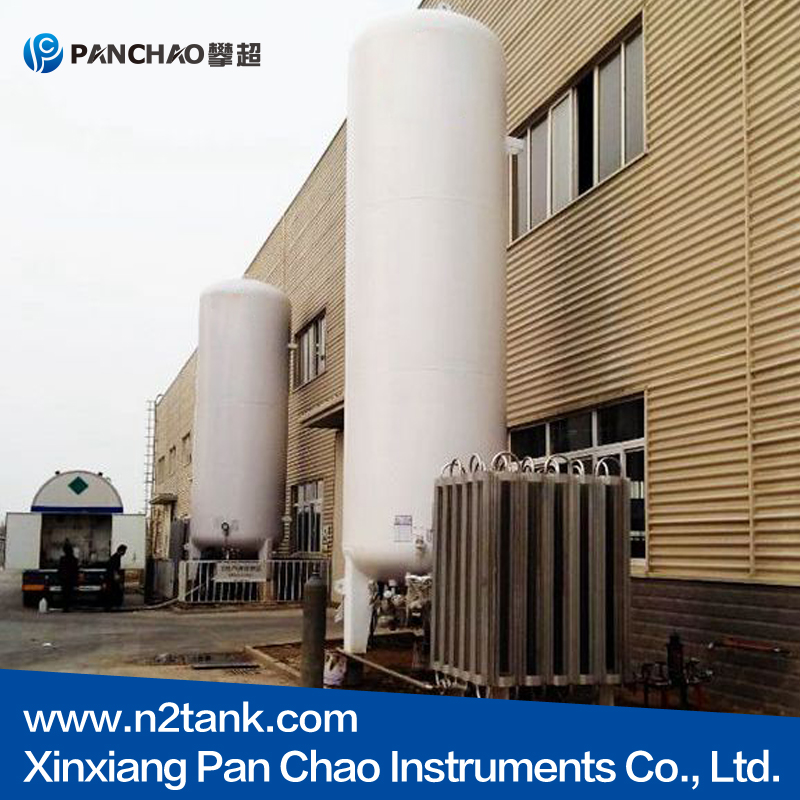
Cryogenic Liquid Tanks are available in vertical or horizonta...[more]
Rankings Of Similar Articles
- Why Should a Liquid Nitrogen Tank Not Be Placed Directly on a
- How to Choose Between "Canisters" and "Racks" Inside
- Why Is the Neck Plug of a Liquid Nitrogen Tank Not Solid? —
- How Is the "Daily Evaporation Rate" of a Liquid Nit
- Can a Liquid Nitrogen Tank Still Be Used After Ten Years?
- 5 Key Parameters to Focus on When Purchasing a Liquid Nitroge
- Is a Lower Static Evaporation Rate Always Better for Liquid N
- How to Determine If a Liquid Nitrogen Tank's Vacuum Layer Has
- Application Trends of Liquid Nitrogen Tanks in the Biopharmac
- The Role of Liquid Nitrogen Tanks in Vaccine Development: Ens
Latest Information
- Does Frost on the Outside of a Liquid Nitrogen Tank Always In
- Why Liquid Nitrogen Dewars Should Not Be Stored Empty Long-Te
- How to Understand the Static Evaporation Rate of a Liquid Nit
- Aluminum Alloy vs. Stainless Steel Liquid Nitrogen Tanks: Adv
- The Cooling Principle of Liquid Nitrogen Tanks: How Do They M
- The Vacuum Layer in Liquid Nitrogen Tanks: Invisible but Esse
- Holiday Notice
- Storage Environment Requirements for Liquid Nitrogen Tanks: T
- Hot sale thawing cup
- Storage of liquid nitrogen tank
