
Application Trends of Liquid Nitrogen Tanks in the Biopharmaceutical Industry
The biopharmaceutical industry is undergoing rapid transformation, driven by advances in cell and gene therapies, personalized medicine, and biologics manufacturing. At the heart of this revolution lies a critical piece of equipment: the liquid nitrogen tank. Here are the key trends shaping its application in this dynamic sector.
The Rise of Cell and Gene Therapies
Cell and gene therapies represent one of the most significant trends in biopharmaceuticals. These therapies involve modifying a patient's own cells or introducing genetic material to treat diseases. The manufacturing process requires the preservation of living cells at various stages, from raw material to final product. Liquid nitrogen tanks provide the ultra-low temperature environment necessary to maintain cell viability throughout this process.
Therapies such as CAR-T cell therapy rely on the ability to preserve engineered cells until they can be administered to patients. Vapor phase storage has become the standard for these applications, virtually eliminating the risk of cross-contamination while maintaining temperatures below -150°C.
Increased Focus on Supply Chain Resilience
The COVID-19 pandemic highlighted the vulnerability of global supply chains. Biopharmaceutical companies are now investing in more resilient supply chains, including redundant cryogenic storage capacity. This includes installing multiple liquid nitrogen tanks at manufacturing sites and distribution centers to ensure uninterrupted storage in case of equipment failure.
Automation and Digital Integration
Automation is transforming liquid nitrogen storage. Automated filling systems and robotic retrieval arms are reducing manual handling, minimizing the risk of human error, and improving efficiency. Digital integration is also becoming more prevalent. Tanks equipped with sensors and data loggers provide real-time information on temperature, liquid level, and vacuum status. This data can be monitored remotely, enabling proactive maintenance and ensuring compliance.
Sustainability and Energy Efficiency
Sustainability is becoming a priority in the biopharmaceutical industry. Manufacturers are seeking ways to reduce the environmental impact of their operations. This includes improving the energy efficiency of liquid nitrogen tanks. Advances in insulation materials and design are reducing the rate of nitrogen evaporation, lowering the energy required to produce and transport liquid nitrogen.
Expansion of Biologics Manufacturing
The trend toward biologics—therapeutic proteins, monoclonal antibodies, and vaccines—continues to drive demand for liquid nitrogen storage. These products require strict temperature control throughout the manufacturing and distribution process. Liquid nitrogen tanks play a critical role in preserving cell lines used to produce these biologics, as well as in storing the final products.
The Bottom Line
Liquid nitrogen tanks are evolving to meet the changing needs of the biopharmaceutical industry. The rise of cell and gene therapies, the focus on supply chain resilience, automation, and sustainability are driving innovation in this field. As the industry continues to grow, liquid nitrogen tanks will remain indispensable tools for ensuring the viability and safety of life-saving therapies.
Relevant Information
- How to Determine If a Liquid Nitrogen Tank's Vacuum Layer Has Failed
- The Role of Liquid Nitrogen Tanks in Vaccine Development: Ensuring Low-Temperat
- How Liquid Nitrogen Tanks Serve University Research Laboratories
- Application Standards for Liquid Nitrogen Tanks in Hospital Biobanks
- The Value of Liquid Nitrogen Tanks in Animal Breeding
- The Critical Role of Liquid Nitrogen Tanks in Assisted Reproductive Technology
- How Liquid Nitrogen Tanks Preserve Long-Term Viability of Biological Samples
- Applications of Liquid Nitrogen Tanks in Cell Therapy
- How to Maintain a Liquid Nitrogen Tank During Idle Periods
- How to Extend the Actual Service Life of a Liquid Nitrogen Tank
Latest Products
- 110m3 double wall cryogenic Liqu
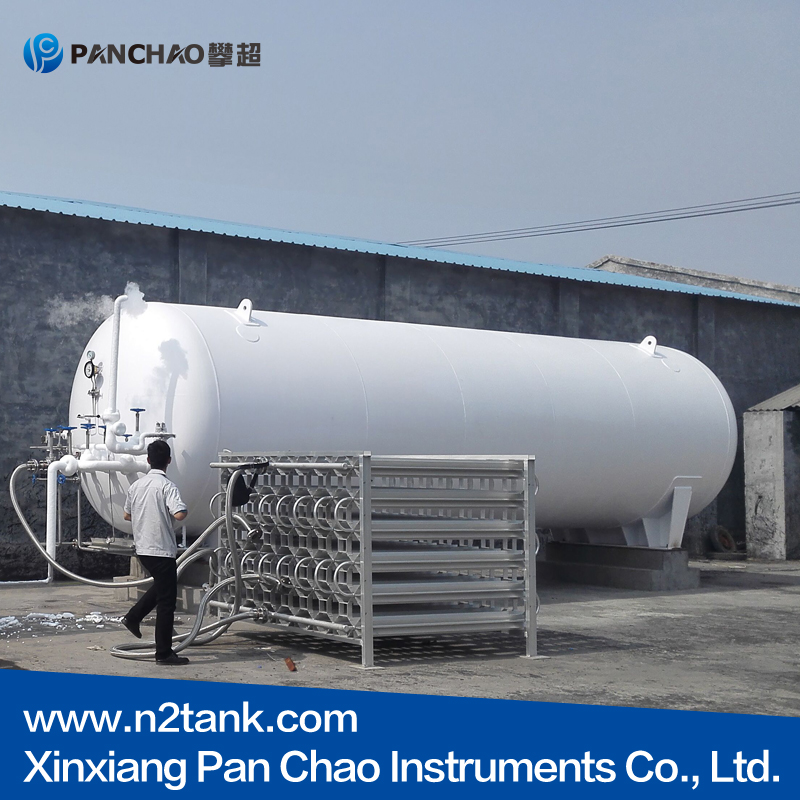
Cryogenic Liquid Tanks are available in vertical or horizonta...[more]
- 2vertical stainless steel pressu
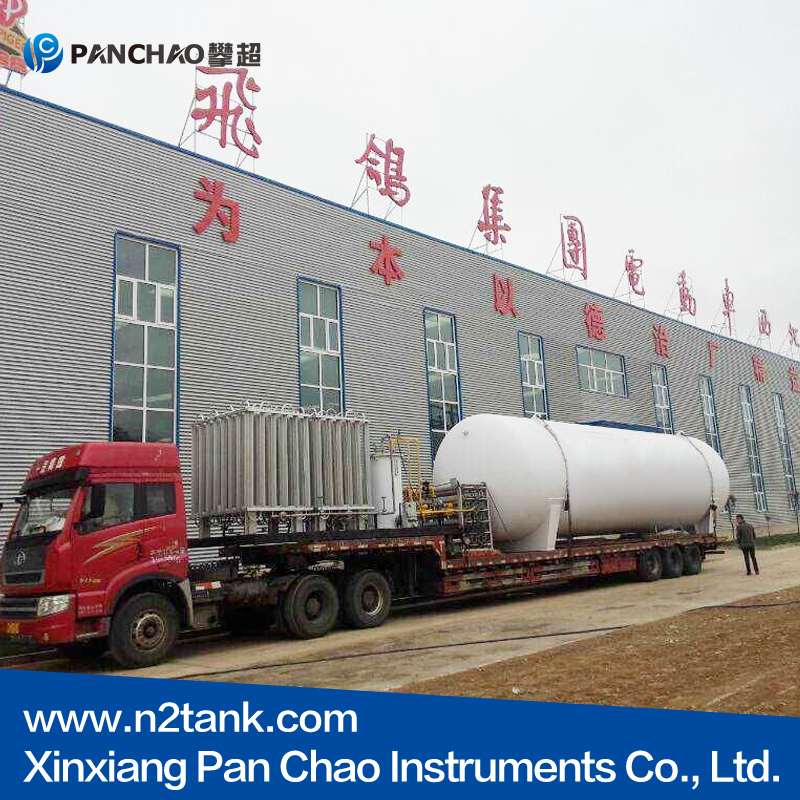
Cryogenic Liquid Tanks are available in vertical or horizonta...[more]
- 310 cubic meters cryogenic Liqui
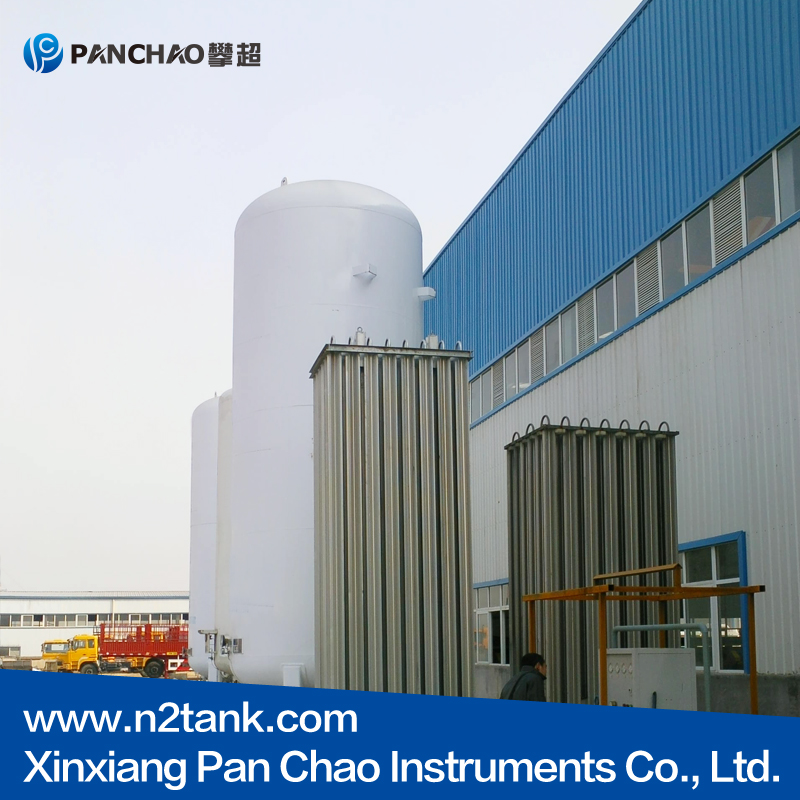
Cryogenic Liquid Tanks are available in vertical or horizonta...[more]
- 4GB150 pressure vessels cryogeni
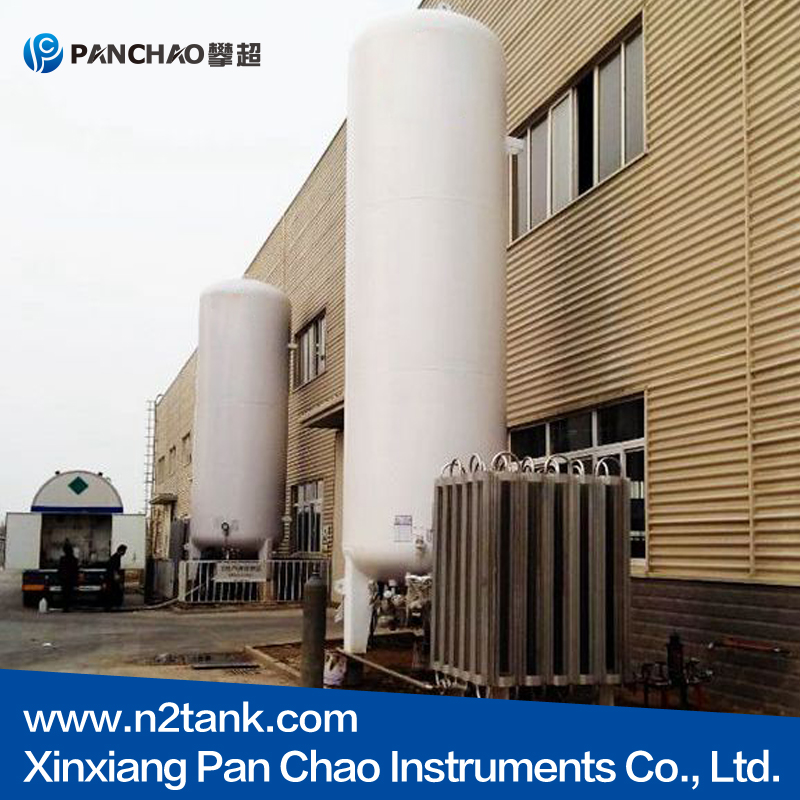
Cryogenic Liquid Tanks are available in vertical or horizonta...[more]
- 5New double Vertical cryogenic L
Cryogenic Liquid Tanks are available in vertical or horizonta...[more]
Rankings Of Similar Articles
- How to Determine If a Liquid Nitrogen Tank's Vacuum Layer Has
- The Role of Liquid Nitrogen Tanks in Vaccine Development: Ens
- How Liquid Nitrogen Tanks Serve University Research Laborator
- Application Standards for Liquid Nitrogen Tanks in Hospital B
- The Value of Liquid Nitrogen Tanks in Animal Breeding
- The Critical Role of Liquid Nitrogen Tanks in Assisted Reprod
- How Liquid Nitrogen Tanks Preserve Long-Term Viability of Bio
- Applications of Liquid Nitrogen Tanks in Cell Therapy
- How to Maintain a Liquid Nitrogen Tank During Idle Periods
- How to Extend the Actual Service Life of a Liquid Nitrogen Ta
Latest Information
- Does Frost on the Outside of a Liquid Nitrogen Tank Always In
- Why Liquid Nitrogen Dewars Should Not Be Stored Empty Long-Te
- How to Understand the Static Evaporation Rate of a Liquid Nit
- Aluminum Alloy vs. Stainless Steel Liquid Nitrogen Tanks: Adv
- The Cooling Principle of Liquid Nitrogen Tanks: How Do They M
- The Vacuum Layer in Liquid Nitrogen Tanks: Invisible but Esse
- Holiday Notice
- Storage Environment Requirements for Liquid Nitrogen Tanks: T
- Hot sale thawing cup
- Storage of liquid nitrogen tank
