
How Liquid Nitrogen Tanks Preserve Long-Term Viability of Biological Samples
Liquid nitrogen tanks are essential tools in biobanks and research laboratories, providing the ultra-low temperature environment required to preserve the long-term viability of biological samples. Here is how these remarkable devices work to protect valuable biological materials.
The Principle of Cryopreservation
Biological samples, whether cells, tissues, or microorganisms, require extremely low temperatures to stop all metabolic and enzymatic activity. Liquid nitrogen has a boiling point of -196°C, a temperature low enough to effectively suspend biological time. At this temperature, biochemical reactions halt almost completely, preventing degradation and preserving the sample's integrity.
The key to successful long-term storage is maintaining a consistent temperature, free from damaging fluctuations. Liquid nitrogen tanks achieve this through their sophisticated design.
The Science of the Tank Design
The core of the liquid nitrogen tank's effectiveness lies in its double-walled construction. The space between the inner and outer walls is evacuated to a high vacuum, which eliminates the transfer of heat through conduction or convection. Additionally, a multi-layer insulation system, often consisting of alternating layers of aluminum foil and fiberglass, is placed within this vacuum. This reflects radiant heat, further reducing thermal energy from entering the tank.
This insulating design keeps the liquid nitrogen at a stable -196°C, minimizing its natural evaporation. As a result, a well-maintained tank can preserve samples in a state of suspended animation for years.
Vapor Phase vs. Liquid Phase Storage
An important consideration for sample viability is the storage method: liquid phase or vapor phase. In liquid phase storage, samples are directly submerged in the liquid nitrogen, ensuring a uniform and stable -196°C temperature. However, this method carries a risk of cross-contamination if vials are not perfectly sealed.
Vapor phase storage has become the gold standard for many sensitive biological materials. In this method, samples are stored in the cold nitrogen gas above the liquid. The temperature in the vapor phase is stable between -150°C and -190°C, which is still well below the threshold required to preserve most biological materials. This method virtually eliminates the risk of cross-contamination, making it the preferred choice for storing irreplaceable patient-specific samples, such as those used in cell and gene therapies.
Monitoring and Backup Systems
Maintaining the sample temperature depends on a continuous supply of liquid nitrogen. Tanks are equipped with temperature monitoring systems to track conditions and ensure they remain within safe limits. Alarms are integrated to alert personnel if the temperature rises unexpectedly or if nitrogen levels become critically low.
For critical applications, backup systems are essential. Having a secondary liquid nitrogen tank and a reliable supply chain ensures that samples can be quickly transferred if the primary storage system fails.
The Bottom Line
Liquid nitrogen tanks protect biological samples through a combination of ultra-low temperature science and robust engineering. By creating and maintaining a stable, ultra-cold environment, these tanks effectively halt biological degradation. This ability to safeguard biological integrity for years is what makes liquid nitrogen tanks the backbone of modern biobanking and critical to advancing therapies that depend on viable, preserved cells.
Relevant Information
- The Critical Role of Liquid Nitrogen Tanks in Assisted Reproductive Technology
- Applications of Liquid Nitrogen Tanks in Cell Therapy
- How to Maintain a Liquid Nitrogen Tank During Idle Periods
- How to Extend the Actual Service Life of a Liquid Nitrogen Tank
- The Importance of Liquid Nitrogen Tank Usage Record Management
- The Importance of Liquid Nitrogen Tank Usage Record Management
- What Is the Appropriate Cleaning and Maintenance Cycle for Liquid Nitrogen Tank
- Long-Term Sample Storage in Liquid Nitrogen Tanks: Key Considerations
- How to Avoid Cross-Contamination of Samples in Liquid Nitrogen Tanks
- Key Details to Pay Attention to When Filling a Liquid Nitrogen Tank
Latest Products
- 110m3 double wall cryogenic Liqu
Cryogenic Liquid Tanks are available in vertical or horizonta...[more]
- 2vertical stainless steel pressu
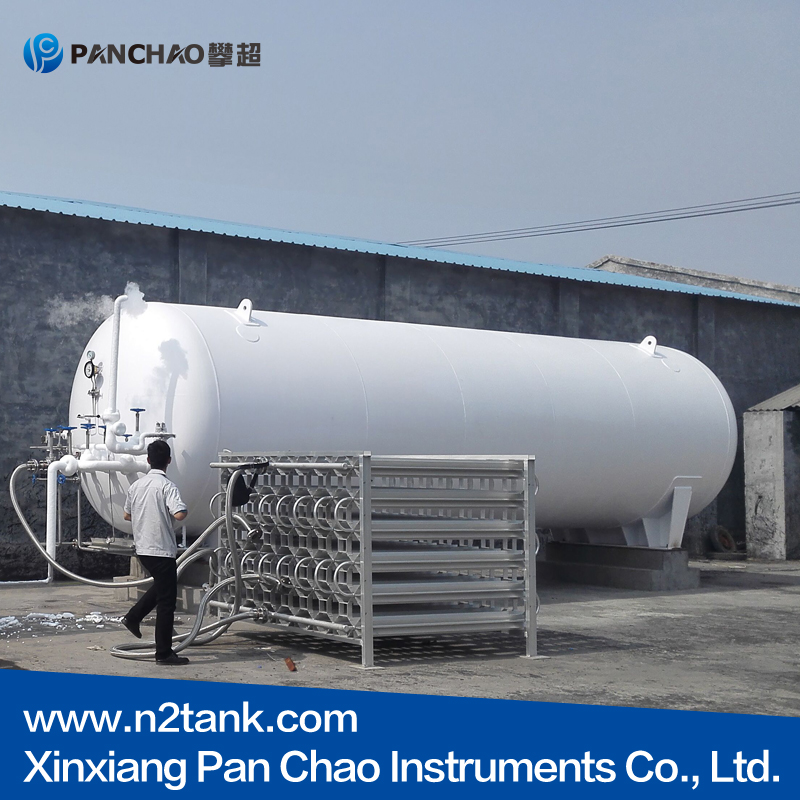
Cryogenic Liquid Tanks are available in vertical or horizonta...[more]
- 310 cubic meters cryogenic Liqui
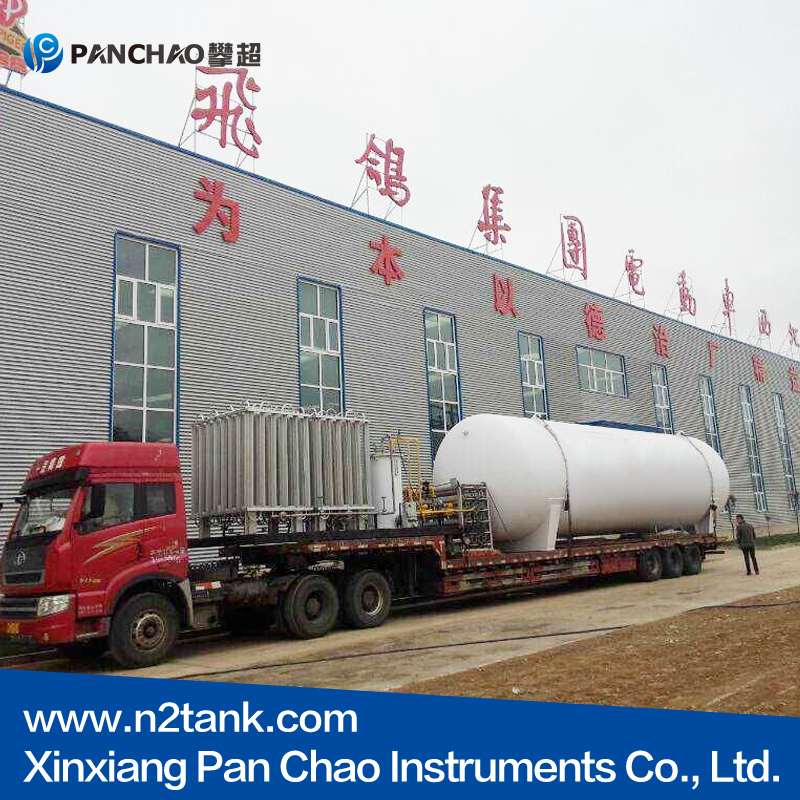
Cryogenic Liquid Tanks are available in vertical or horizonta...[more]
- 4GB150 pressure vessels cryogeni

Cryogenic Liquid Tanks are available in vertical or horizonta...[more]
- 5New double Vertical cryogenic L
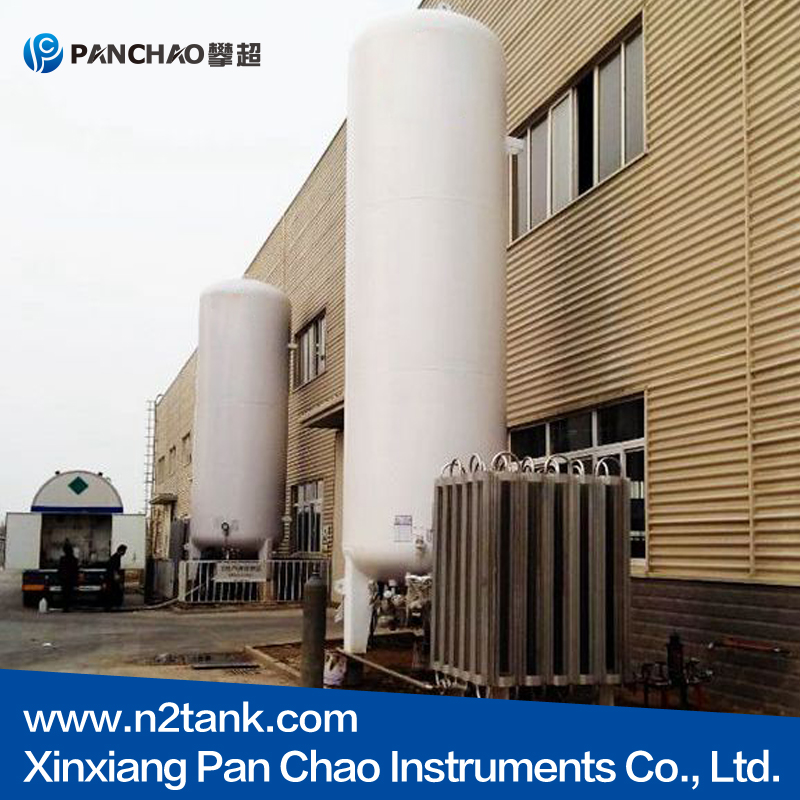
Cryogenic Liquid Tanks are available in vertical or horizonta...[more]
Rankings Of Similar Articles
- The Critical Role of Liquid Nitrogen Tanks in Assisted Reprod
- Applications of Liquid Nitrogen Tanks in Cell Therapy
- How to Maintain a Liquid Nitrogen Tank During Idle Periods
- How to Extend the Actual Service Life of a Liquid Nitrogen Ta
- The Importance of Liquid Nitrogen Tank Usage Record Managemen
- The Importance of Liquid Nitrogen Tank Usage Record Managemen
- What Is the Appropriate Cleaning and Maintenance Cycle for Li
- Long-Term Sample Storage in Liquid Nitrogen Tanks: Key Consid
- How to Avoid Cross-Contamination of Samples in Liquid Nitroge
- Key Details to Pay Attention to When Filling a Liquid Nitroge
Latest Information
- Does Frost on the Outside of a Liquid Nitrogen Tank Always In
- Why Liquid Nitrogen Dewars Should Not Be Stored Empty Long-Te
- How to Understand the Static Evaporation Rate of a Liquid Nit
- Aluminum Alloy vs. Stainless Steel Liquid Nitrogen Tanks: Adv
- The Cooling Principle of Liquid Nitrogen Tanks: How Do They M
- The Vacuum Layer in Liquid Nitrogen Tanks: Invisible but Esse
- Holiday Notice
- Storage Environment Requirements for Liquid Nitrogen Tanks: T
- Hot sale thawing cup
- Storage of liquid nitrogen tank
