
Key Details to Pay Attention to When Filling a Liquid Nitrogen Tank
Filling a liquid nitrogen (LN₂) tank may seem straightforward, but improper technique can lead to equipment damage, sample loss, or serious injury. Adhering to correct procedures is essential for safety and maintaining the tank's thermal performance. Here are the critical details to follow during the filling process.
Safety First: Protective Equipment and Environment
Before beginning, ensure you are wearing the proper personal protective equipment. This includes cryogenic gloves (designed for -196°C), a full face shield or safety goggles, and long sleeves. Regular gloves are not adequate for handling LN₂ and can cause severe frostbite on contact.
The filling area must be well-ventilated. As liquid nitrogen evaporates, it displaces oxygen, creating a risk of asphyxiation in enclosed spaces. Never fill a tank in a small, closed room without proper ventilation. Ensure the area is free of flammable materials, as the cold gas can condense oxygen from the air, increasing fire risk.
Pre-Fill Inspection
Always inspect the tank before adding LN₂. Check the outer shell for any dents, cracks, or frost, which could indicate vacuum loss. Inspect the neck tube for ice blockages or debris. Ensure the tank is upright and stable on a flat surface. If the tank is new or has been completely empty and warm, it must be pre-cooled gradually with small amounts of LN₂ to prevent thermal shock damage to the inner vessel.
The Filling Procedure
Use a proper filling hose or transfer line designed for cryogenic liquids. Avoid using makeshift equipment. Insert the filling nozzle into the tank's neck tube, but do not force it if there is resistance, as this can damage the neck.
Slowly begin the transfer. Do not fill the tank completely to the brim. Leave adequate headspace (typically a few centimeters below the neck tube) to allow for nitrogen gas expansion and to prevent liquid from spilling when the plug is inserted.
Watch carefully for signs that the tank is full. A common indication is a sudden increase in the flow of vapor or splashing from the neck. When this occurs, stop the filling immediately to prevent overfilling. Never leave the tank unattended during filling.
Post-Fill Checks
After filling, carefully remove the transfer line. Allow any residual LN₂ to evaporate from the neck before inserting the neck plug, as inserting it too soon can trap liquid and cause pressure buildup. Check for any spills or splashes on the outer shell and wipe them off. Inspect the exterior for any new frost or condensation, which would indicate a problem.
Handling and Storage After Filling
After filling, handle the tank carefully to avoid impact. Place it in its designated storage location. Ensure the pressure relief valve is clear and functioning correctly. Record the fill date and amount for inventory tracking and to monitor evaporation rates. If the tank has a pressure gauge, monitor it to ensure it remains within the normal operating range.
Filling a liquid nitrogen tank requires careful attention to safety protocols, proper technique, and thorough post-fill checks. Following these procedures protects the operator, preserves the tank's performance, and ensures the safety of valuable stored samples. When in doubt, refer to the manufacturer's instructions.
Relevant Information
- Application Details of Liquid Nitrogen Containers in Vaccine Cold Chain Systems
- The Key Role of Liquid Nitrogen Containers in Biological Sample Transportation
- Long-Term Sample Storage in Liquid Nitrogen Tanks: Key Considerations
- Key Control Points in the Vacuum Pumping Process of Liquid Nitrogen Containers
- Key Indicators That Define the Insulation Performance of Liquid Nitrogen Tanks
- Internal Canister Design in Liquid Nitrogen Tanks: A Key to Sample Safety
- Liquid Nitrogen Tank Maintenance Schedule: Key Points for Regular Inspection an
- Liquid Nitrogen Tank Maintenance Schedule: Key Points for Regular Inspection an
- How Long Can a Liquid Nitrogen Tank Store? Key Factors Affecting Duration
- Internal Canister Design in Liquid Nitrogen Tanks: The Key to Sample Safety
Latest Products
- 110m3 double wall cryogenic Liqu
Cryogenic Liquid Tanks are available in vertical or horizonta...[more]
- 2vertical stainless steel pressu
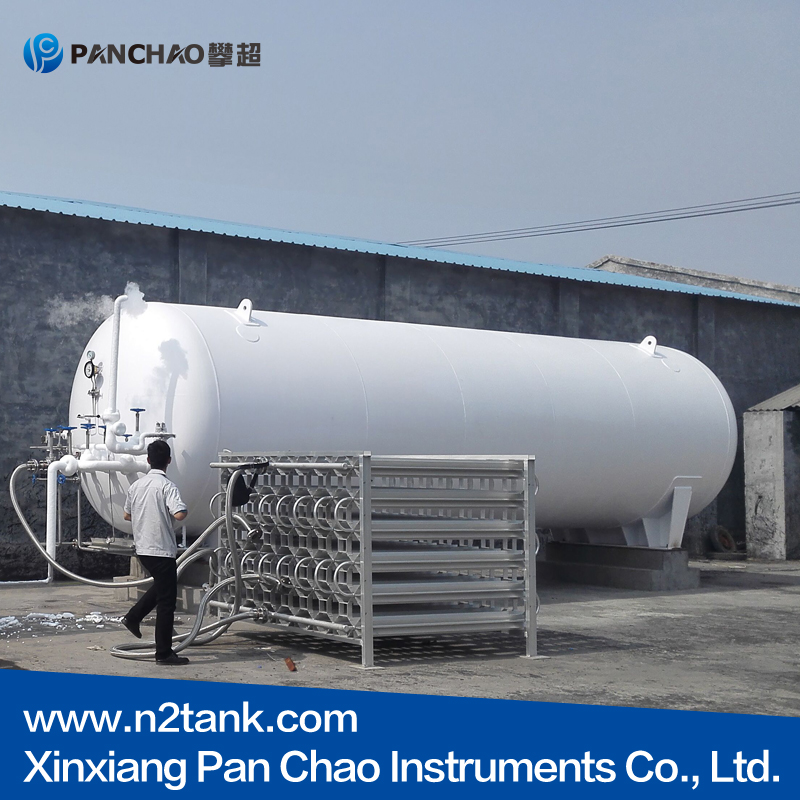
Cryogenic Liquid Tanks are available in vertical or horizonta...[more]
- 310 cubic meters cryogenic Liqui
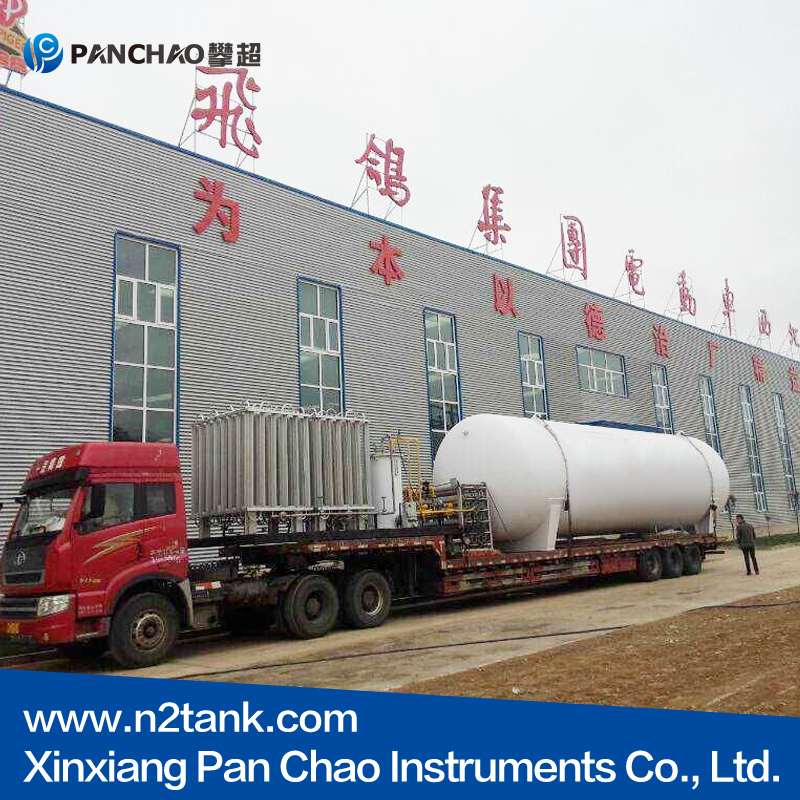
Cryogenic Liquid Tanks are available in vertical or horizonta...[more]
- 4GB150 pressure vessels cryogeni
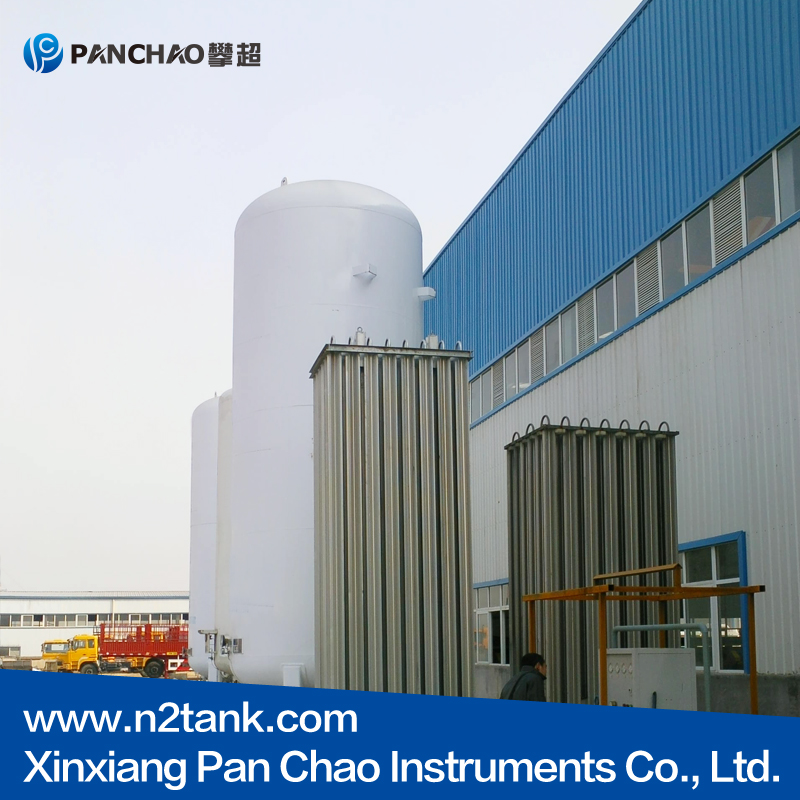
Cryogenic Liquid Tanks are available in vertical or horizonta...[more]
- 5New double Vertical cryogenic L
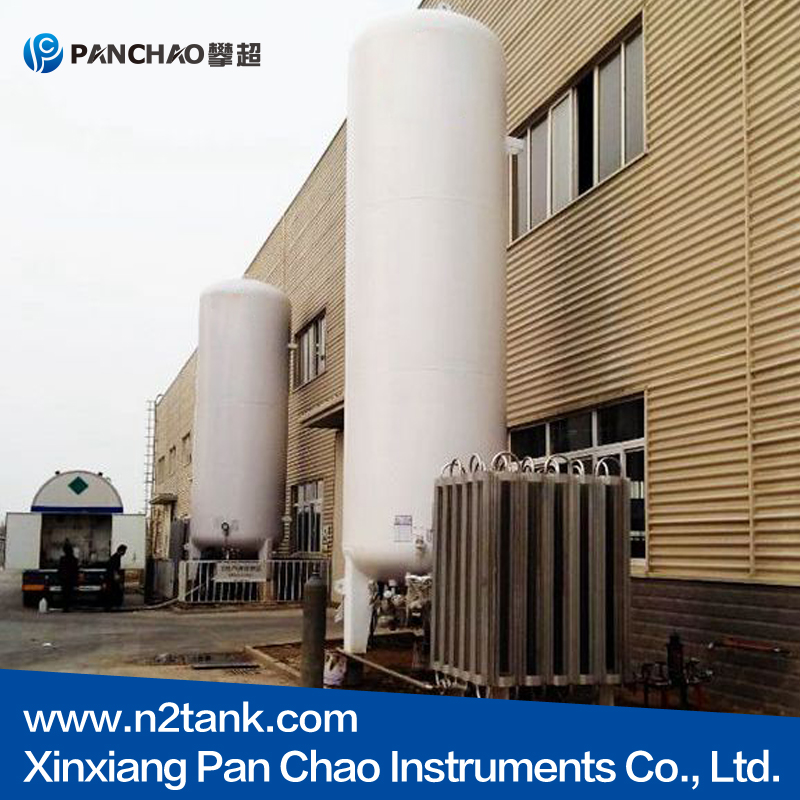
Cryogenic Liquid Tanks are available in vertical or horizonta...[more]
Rankings Of Similar Articles
- Application Details of Liquid Nitrogen Containers in Vaccine
- The Key Role of Liquid Nitrogen Containers in Biological Samp
- Long-Term Sample Storage in Liquid Nitrogen Tanks: Key Consid
- Key Control Points in the Vacuum Pumping Process of Liquid Ni
- Key Indicators That Define the Insulation Performance of Liqu
- Internal Canister Design in Liquid Nitrogen Tanks: A Key to S
- Liquid Nitrogen Tank Maintenance Schedule: Key Points for Reg
- Liquid Nitrogen Tank Maintenance Schedule: Key Points for Reg
- How Long Can a Liquid Nitrogen Tank Store? Key Factors Affect
- Internal Canister Design in Liquid Nitrogen Tanks: The Key to
Latest Information
- Does Frost on the Outside of a Liquid Nitrogen Tank Always In
- Why Liquid Nitrogen Dewars Should Not Be Stored Empty Long-Te
- How to Understand the Static Evaporation Rate of a Liquid Nit
- Aluminum Alloy vs. Stainless Steel Liquid Nitrogen Tanks: Adv
- The Cooling Principle of Liquid Nitrogen Tanks: How Do They M
- The Vacuum Layer in Liquid Nitrogen Tanks: Invisible but Esse
- Holiday Notice
- Storage Environment Requirements for Liquid Nitrogen Tanks: T
- Hot sale thawing cup
- Storage of liquid nitrogen tank
