
Key Indicators That Define the Insulation Performance of Liquid Nitrogen Tanks
The insulation performance of a liquid nitrogen tank is the most critical factor determining its efficiency, safety, and suitability for long-term cryogenic storage. High-quality insulation minimizes heat ingress, reduces nitrogen evaporation, and ensures stable ultra-low temperatures at –196°C. Several core indicators are commonly used to evaluate insulation performance.
The first and most direct indicator is static holding time. This refers to the duration a liquid nitrogen tank can retain nitrogen without refilling under normal ambient conditions. A longer static holding time indicates lower heat leakage and a more effective insulation system. It is often used as a benchmark for comparing different tank models and manufacturers.
Another key indicator is the static evaporation rate. This measures how much liquid nitrogen is lost per day due to heat entering the tank. Lower evaporation rates mean better insulation efficiency and reduced operating costs, especially in applications requiring continuous storage.
Vacuum insulation quality is the foundation behind both holding time and evaporation rate. Liquid nitrogen tanks rely on a high-vacuum layer between the inner and outer vessels to block heat transfer by conduction and convection. The stability of this vacuum over time directly affects long-term performance. Tanks with getter materials and advanced vacuum sealing typically maintain insulation quality for longer periods.
The neck structure design also plays an important role. Since the neck is the primary heat transfer path, a narrower and well-optimized neck reduces thermal conduction and limits warm air exchange. Proper neck length and material selection further enhance insulation efficiency.
In addition, outer shell temperature stability provides practical on-site insight. A properly insulated tank should remain close to ambient temperature, without frosting or condensation. Abnormal cold spots often signal insulation degradation.
In conclusion, static holding time, evaporation rate, vacuum insulation quality, neck design, and surface temperature behavior are the core indicators of liquid nitrogen tank insulation performance. Evaluating these factors together helps users select reliable tanks, optimize operating costs, and protect valuable stored samples over the long term.
Relevant Information
- Internal Canister Design in Liquid Nitrogen Tanks: A Key to Sample Safety
- Liquid Nitrogen Tank Maintenance Schedule: Key Points for Regular Inspection an
- Liquid Nitrogen Tank Maintenance Schedule: Key Points for Regular Inspection an
- How Long Can a Liquid Nitrogen Tank Store? Key Factors Affecting Duration
- Internal Canister Design in Liquid Nitrogen Tanks: The Key to Sample Safety
- Vacuuming Process in Liquid Nitrogen Tanks: A Key Factor Determining Lifespan
- Key Safety Considerations When Transporting Liquid Nitrogen Tanks
- Vacuum layer of liquid nitrogen tank: key technology for safeguarding ultra-low
- Liquid Nitrogen Tank Maintenance Guide
- 10 key pints of liquid nitrogen containers that you should know

Latest Products
- 110m3 double wall cryogenic Liqu
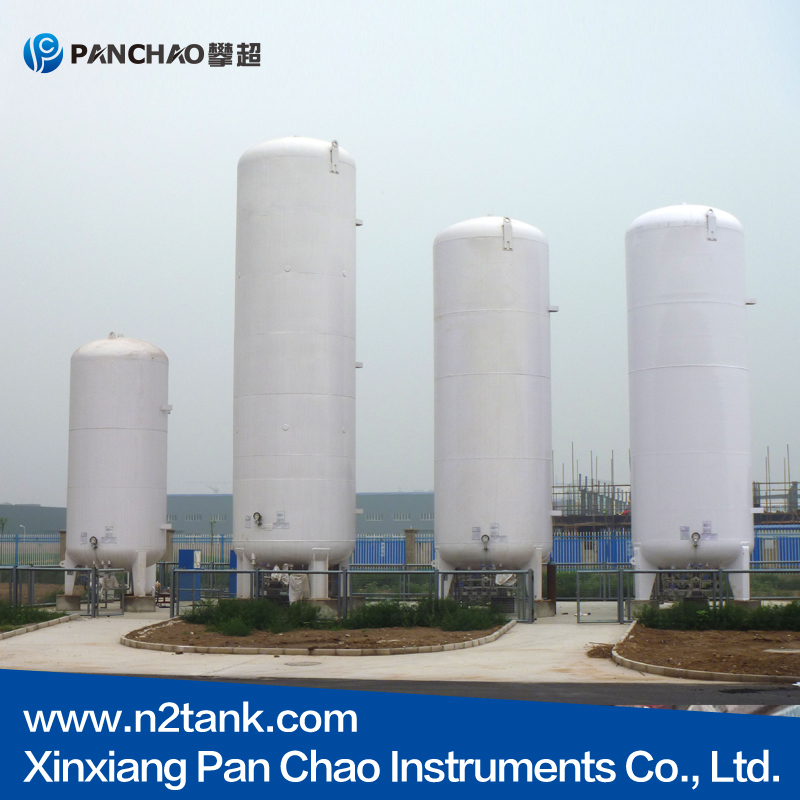
Cryogenic Liquid Tanks are available in vertical or horizonta...[more]
- 2vertical stainless steel pressu
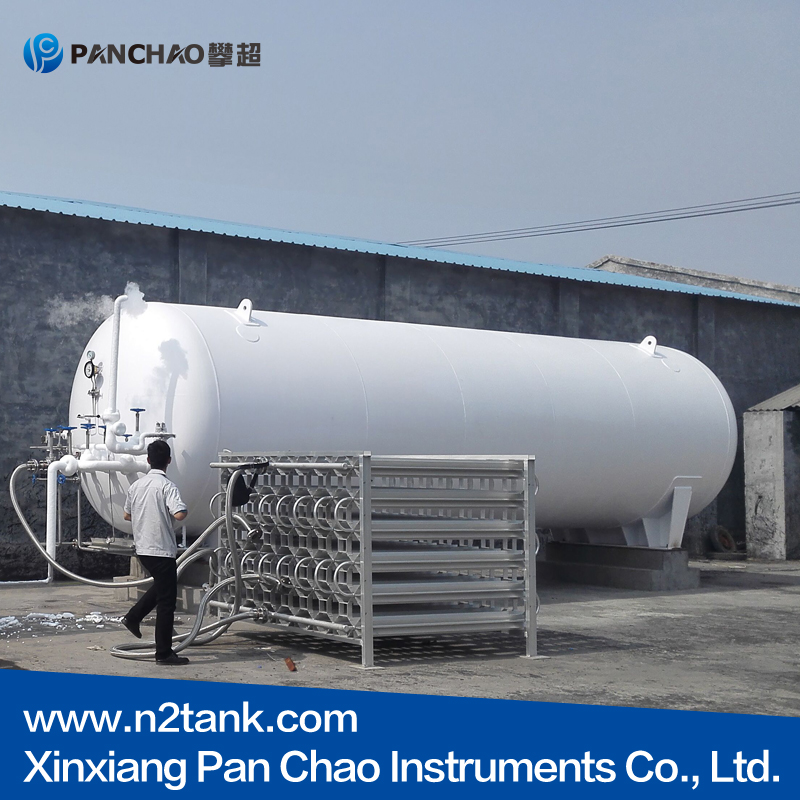
Cryogenic Liquid Tanks are available in vertical or horizonta...[more]
- 310 cubic meters cryogenic Liqui
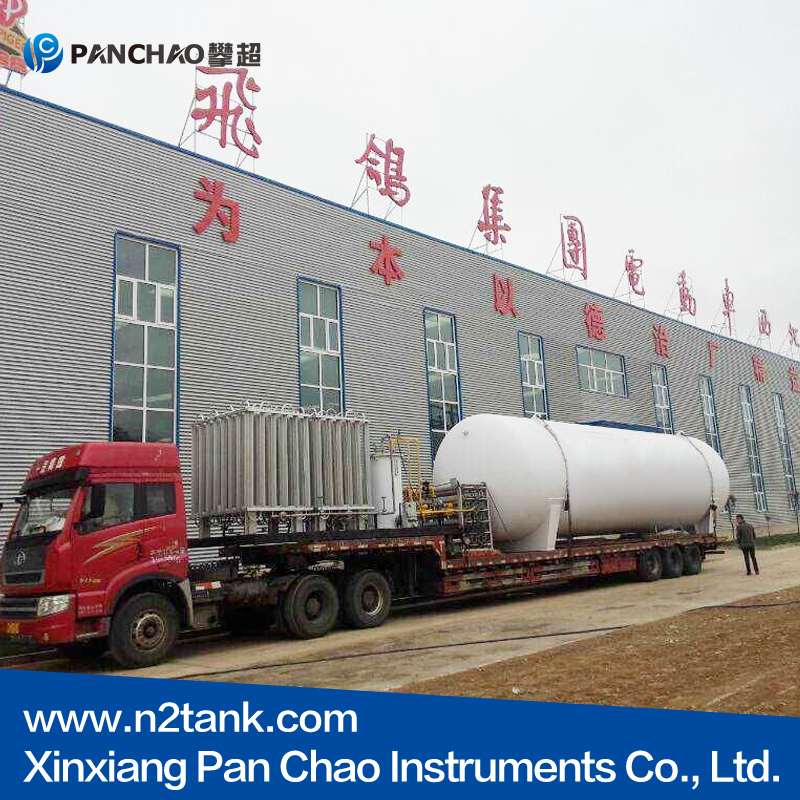
Cryogenic Liquid Tanks are available in vertical or horizonta...[more]
- 4GB150 pressure vessels cryogeni
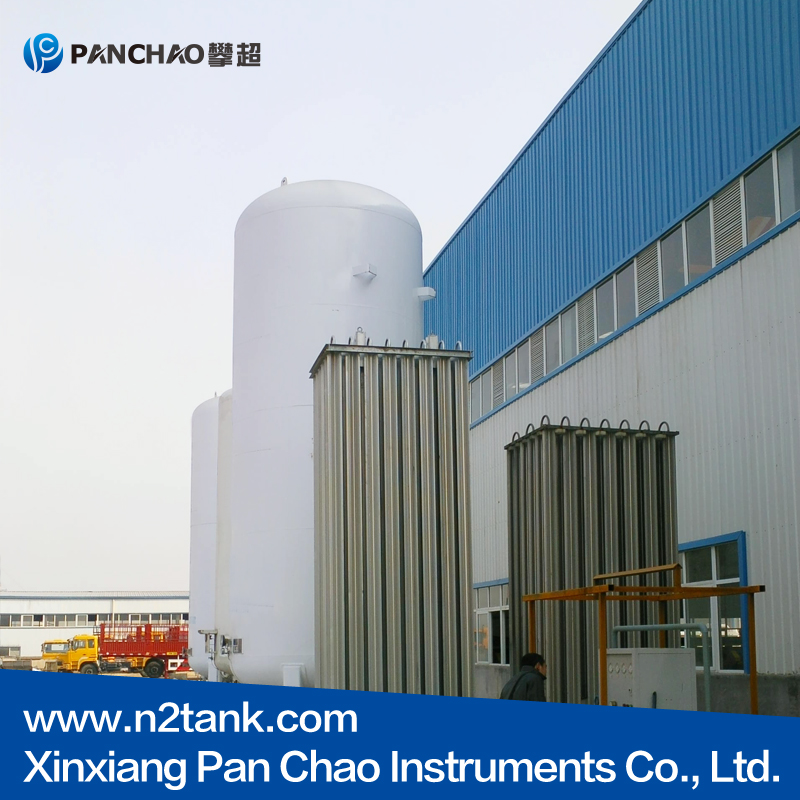
Cryogenic Liquid Tanks are available in vertical or horizonta...[more]
- 5New double Vertical cryogenic L
Cryogenic Liquid Tanks are available in vertical or horizonta...[more]
Rankings Of Similar Articles
- Internal Canister Design in Liquid Nitrogen Tanks: A Key to S
- Liquid Nitrogen Tank Maintenance Schedule: Key Points for Reg
- Liquid Nitrogen Tank Maintenance Schedule: Key Points for Reg
- How Long Can a Liquid Nitrogen Tank Store? Key Factors Affect
- Internal Canister Design in Liquid Nitrogen Tanks: The Key to
- Vacuuming Process in Liquid Nitrogen Tanks: A Key Factor Dete
- Key Safety Considerations When Transporting Liquid Nitrogen T
- Vacuum layer of liquid nitrogen tank: key technology for safe
- Liquid Nitrogen Tank Maintenance Guide
- 10 key pints of liquid nitrogen containers that you should kn
Latest Information
- Aluminum Alloy vs. Stainless Steel Liquid Nitrogen Tanks: Adv
- The Cooling Principle of Liquid Nitrogen Tanks: How Do They M
- The Vacuum Layer in Liquid Nitrogen Tanks: Invisible but Esse
- Holiday Notice
- Storage Environment Requirements for Liquid Nitrogen Tanks: T
- Hot sale thawing cup
- Storage of liquid nitrogen tank
- Application of liquid nitrogen tank in heat treatment field
- Liquid nitrogen tank for nitrogen station
- What is the liquid nitrogen tank made of?
