
Design of the Inner Canister (Rack) in Liquid Nitrogen Tanks
The inner canister, often called the rack or carrier, is a key structural component inside a liquid nitrogen tank. Although it is not part of the insulation system, its design directly affects sample safety, ease of operation, and long-term storage reliability. A well-designed canister ensures efficient use of space while minimizing risks during daily handling.
One of the primary design considerations is material selection. Most canisters are made from lightweight aluminum alloy or stainless steel. Aluminum alloy is preferred in many applications because it is light, corrosion-resistant, and easy to handle, reducing operator fatigue during frequent lifting. The material must maintain mechanical strength at cryogenic temperatures and should not become brittle at –196°C.
Another critical aspect is the bottom structure, commonly classified as open-bottom (perforated) or closed-bottom designs. Open-bottom canisters allow liquid nitrogen to flow freely, ensuring rapid cooling and uniform temperature distribution for stored samples. They are ideal for long-term static storage. Closed-bottom designs, on the other hand, reduce direct exposure to liquid nitrogen and help limit sample disturbance during lifting, making them suitable for short-term access and frequent retrieval.
The dimensions and compatibility of the canister must match the tank’s neck diameter and internal height. Proper clearance ensures smooth insertion and removal without scraping the neck, which could damage the insulation structure over time. Standardized dimensions also help users organize vials, straws, or sample boxes efficiently.
Ergonomics and safety are also important. Many canisters feature reinforced handles, anti-slip grips, or balanced lifting points to prevent accidental dropping. Smooth edges and rounded corners reduce the risk of damage to both the tank interior and stored containers.
In summary, the design of a liquid nitrogen tank canister focuses on material performance at ultra-low temperatures, optimized bottom structure, precise dimensional matching, and safe handling. Thoughtful canister design not only protects valuable samples but also improves operational efficiency and extends the service life of the tank.
Relevant Information
- Key Indicators That Define the Insulation Performance of Liquid Nitrogen Tanks
- How to Determine Whether a Liquid Nitrogen Tank Needs Replacement: Professional
- The Critical Role of Liquid Nitrogen Tanks in Frozen Semen Storage for the Live
- What Makes the Sealing Structure of a Liquid Nitrogen Tank Lid So Important?
- The Cooling Principle of Liquid Nitrogen Tanks: Why Can They Maintain –196°C
- What Are the Early Warning Signs of Performance Degradation in Liquid Nitrogen
- How Is the Vacuum Layer in a Liquid Nitrogen Tank Manufactured?
- Design Logic of the Inner Canister in Liquid Nitrogen Tanks: How It Protects Sa
- How Is the Static Holding Time of a Liquid Nitrogen Tank Calculated?
- A Detailed Explanation of Liquid Nitrogen Tank Vacuum Technology: The Core of C

Latest Products
- 110m3 double wall cryogenic Liqu
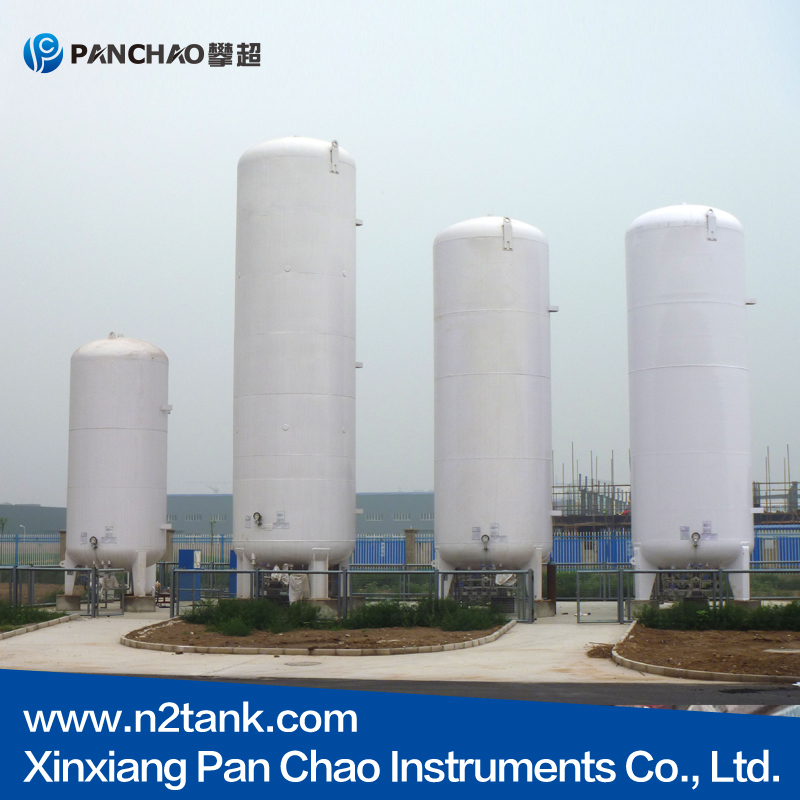
Cryogenic Liquid Tanks are available in vertical or horizonta...[more]
- 2vertical stainless steel pressu
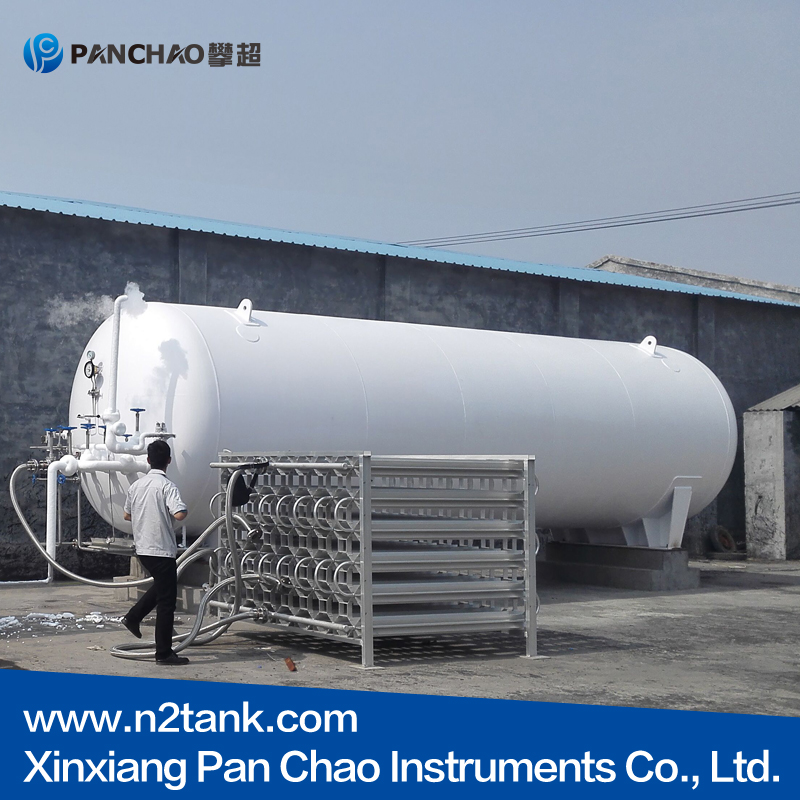
Cryogenic Liquid Tanks are available in vertical or horizonta...[more]
- 310 cubic meters cryogenic Liqui
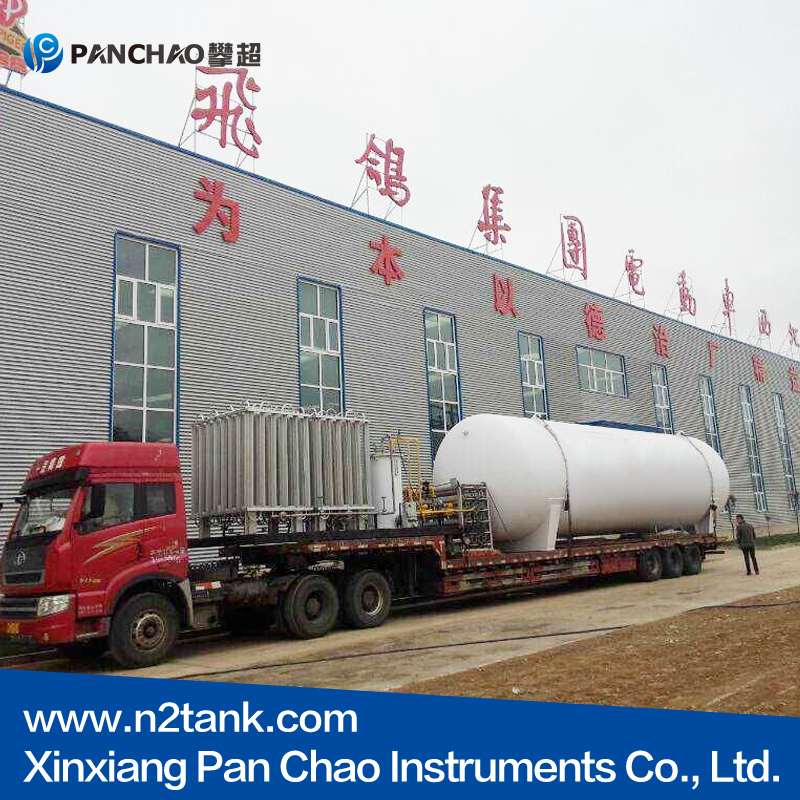
Cryogenic Liquid Tanks are available in vertical or horizonta...[more]
- 4GB150 pressure vessels cryogeni
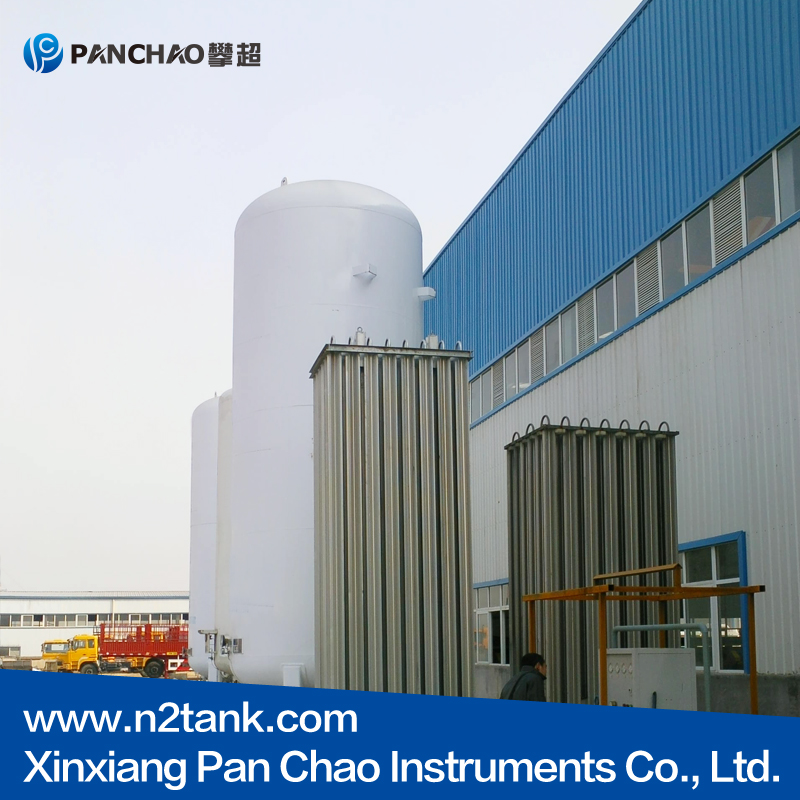
Cryogenic Liquid Tanks are available in vertical or horizonta...[more]
- 5New double Vertical cryogenic L
Cryogenic Liquid Tanks are available in vertical or horizonta...[more]
Rankings Of Similar Articles
- Key Indicators That Define the Insulation Performance of Liqu
- How to Determine Whether a Liquid Nitrogen Tank Needs Replace
- The Critical Role of Liquid Nitrogen Tanks in Frozen Semen St
- What Makes the Sealing Structure of a Liquid Nitrogen Tank Li
- The Cooling Principle of Liquid Nitrogen Tanks: Why Can They
- What Are the Early Warning Signs of Performance Degradation i
- How Is the Vacuum Layer in a Liquid Nitrogen Tank Manufacture
- Design Logic of the Inner Canister in Liquid Nitrogen Tanks:
- How Is the Static Holding Time of a Liquid Nitrogen Tank Calc
- A Detailed Explanation of Liquid Nitrogen Tank Vacuum Technol
Latest Information
- Aluminum Alloy vs. Stainless Steel Liquid Nitrogen Tanks: Adv
- The Cooling Principle of Liquid Nitrogen Tanks: How Do They M
- The Vacuum Layer in Liquid Nitrogen Tanks: Invisible but Esse
- Holiday Notice
- Storage Environment Requirements for Liquid Nitrogen Tanks: T
- Hot sale thawing cup
- Storage of liquid nitrogen tank
- Application of liquid nitrogen tank in heat treatment field
- Liquid nitrogen tank for nitrogen station
- What is the liquid nitrogen tank made of?
