
How Is the Vacuum Layer in a Liquid Nitrogen Tank Manufactured?
The vacuum layer inside a liquid nitrogen (LN₂) tank is the most critical component responsible for thermal insulation. Although invisible from the outside, this layer directly determines evaporation rate, static holding time, and overall tank performance. Manufacturing a stable, long-lasting vacuum layer requires precision engineering and strict process control.
1. Double-Wall Structure Preparation
The process begins with the fabrication of the inner vessel and outer shell, usually made from high-strength aluminum alloy or stainless steel. These two components are assembled concentrically, creating a narrow interspace between them. This gap will later become the vacuum insulation layer.
2. Surface Cleaning and Degassing
Before evacuation, both inner and outer surfaces are thoroughly cleaned to remove oil, moisture, and contaminants. Even trace residues can release gas over time and degrade vacuum quality. The assembly may undergo thermal baking, where it is heated under controlled conditions to drive off absorbed gases.
3. Deep Vacuum Pumping
Once sealed, the interspace is connected to high-performance vacuum pumps, such as rotary, diffusion, or molecular pumps. Air molecules are extracted until the pressure reaches ultra-low levels—often between 10⁻³ and 10⁻⁵ Pa. This step dramatically reduces heat transfer via conduction and convection.
4. Multi-Layer Insulation Installation
To further minimize radiant heat transfer, multi-layer insulation (MLI) materials—typically alternating layers of reflective aluminum foil and low-conductivity spacers—are placed within the vacuum gap. These layers reflect thermal radiation away from the inner vessel.
5. Getter Material Placement and Sealing
Finally, getter materials, such as activated charcoal or metal oxides, are added inside the vacuum space. These materials absorb residual gases released during long-term use. After final vacuum verification, the evacuation port is sealed permanently.
Conclusion
Through precision fabrication, deep vacuum pumping, insulation layering, and gas absorption techniques, the vacuum layer becomes a powerful thermal barrier. This carefully engineered system allows liquid nitrogen tanks to maintain ultra-low temperatures reliably over many years.
Relevant Information
- What Are the Early Warning Signs of Performance Degradation in Liquid Nitrogen
- Design Logic of the Inner Canister in Liquid Nitrogen Tanks: How It Protects Sa
- How Is the Static Holding Time of a Liquid Nitrogen Tank Calculated?
- A Detailed Explanation of Liquid Nitrogen Tank Vacuum Technology: The Core of C
- Why Does a Narrower Neck Improve the Insulation of a Liquid Nitrogen Tank?
- Liquid Nitrogen Tank Vacuuming Technology: The Core of Long-Term Insulation
- Neck Opening Design in Liquid Nitrogen Tanks
- What Are the Early Signs of Liquid Nitrogen Tank Performance Degradation?
- The Cooling Principle of Liquid Nitrogen Tanks: How Do They Maintain –196°C?
- The Vacuum Layer in Liquid Nitrogen Tanks: Invisible but Essential

Latest Products
- 110m3 double wall cryogenic Liqu
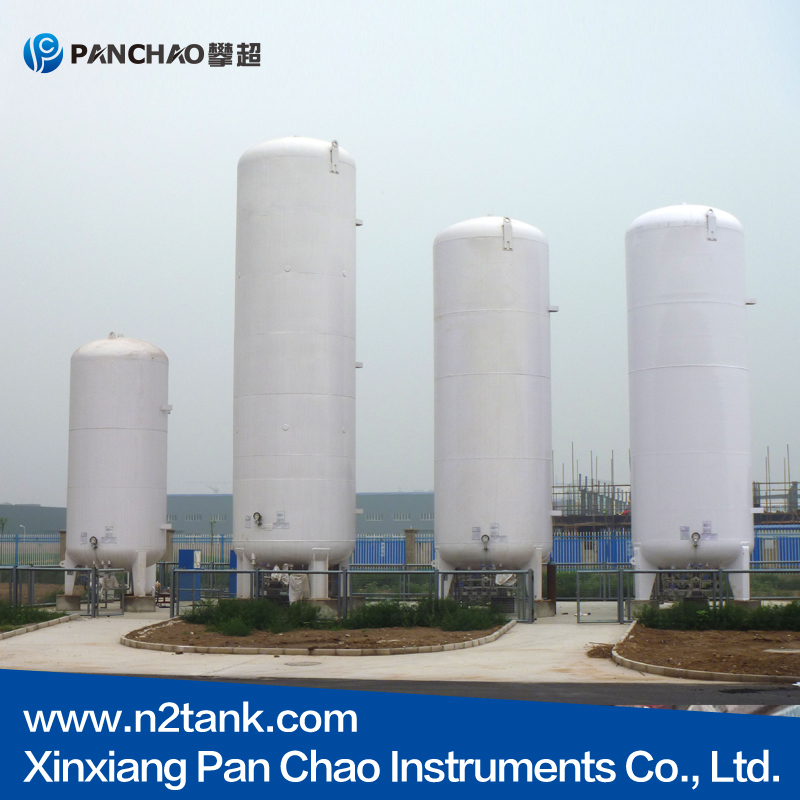
Cryogenic Liquid Tanks are available in vertical or horizonta...[more]
- 2vertical stainless steel pressu
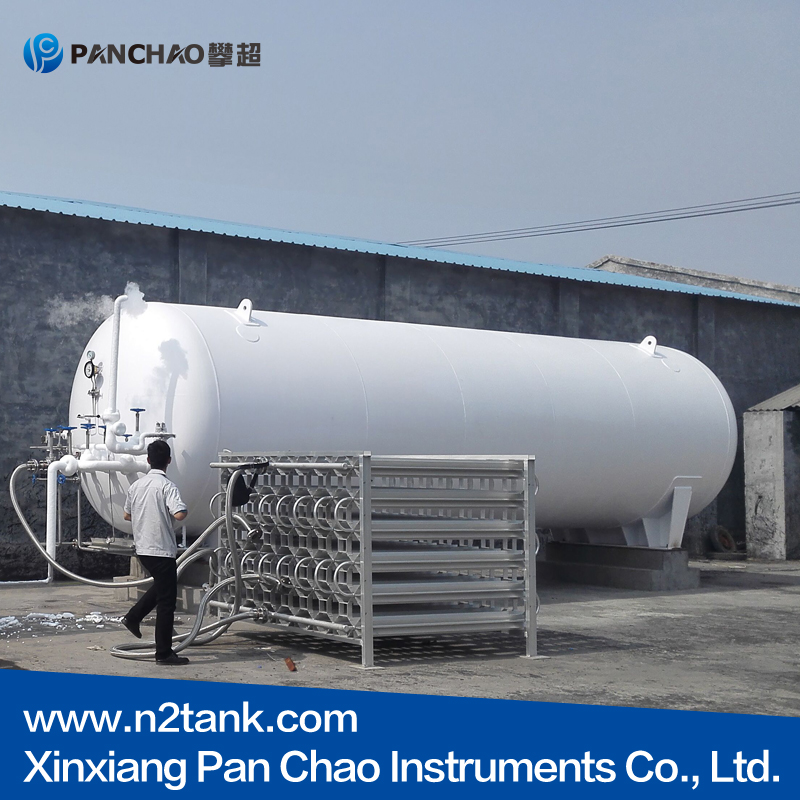
Cryogenic Liquid Tanks are available in vertical or horizonta...[more]
- 310 cubic meters cryogenic Liqui
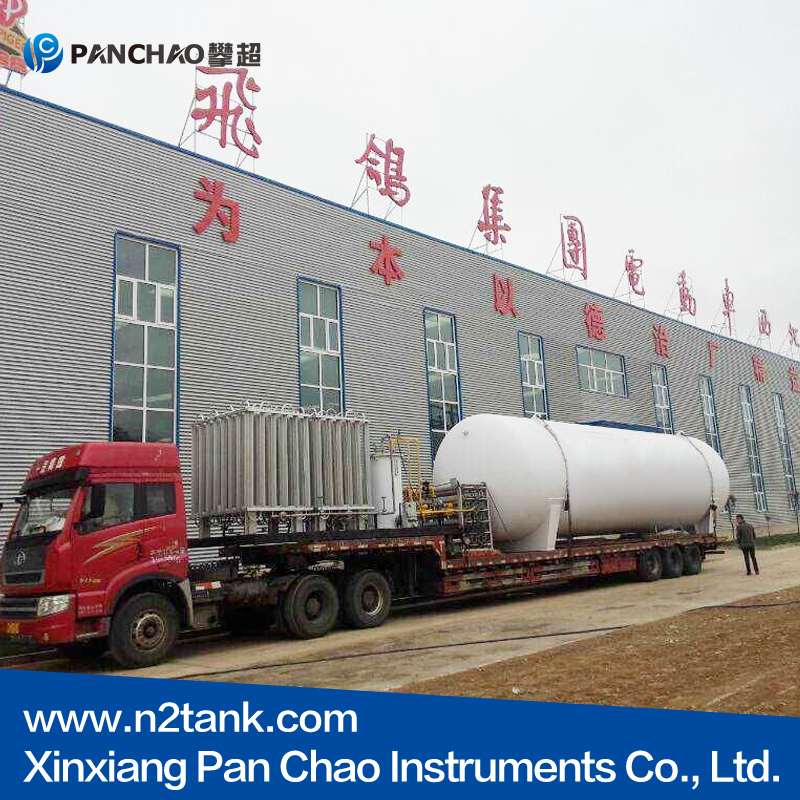
Cryogenic Liquid Tanks are available in vertical or horizonta...[more]
- 4GB150 pressure vessels cryogeni
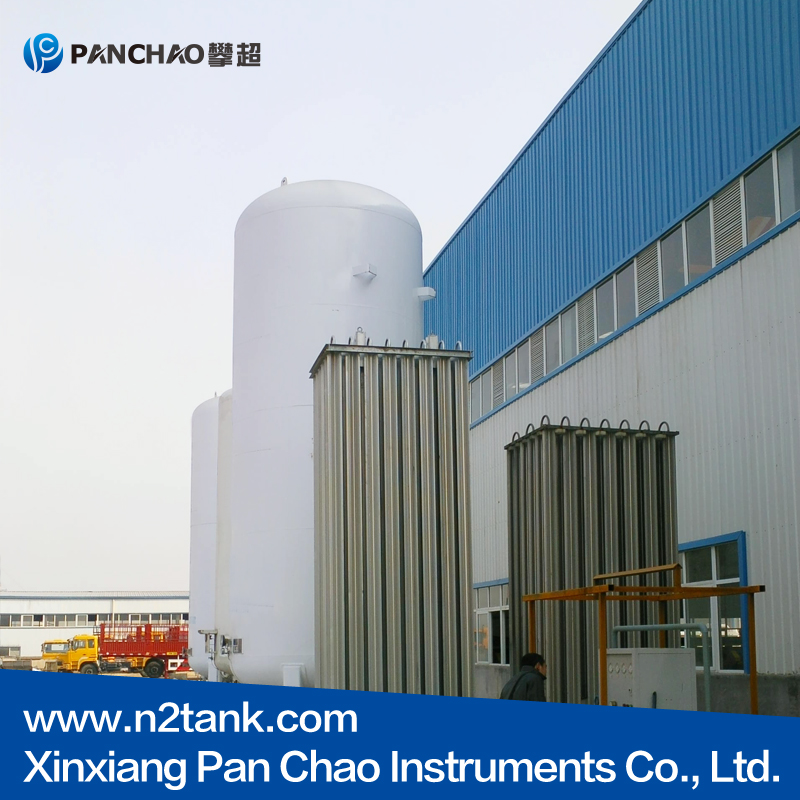
Cryogenic Liquid Tanks are available in vertical or horizonta...[more]
- 5New double Vertical cryogenic L
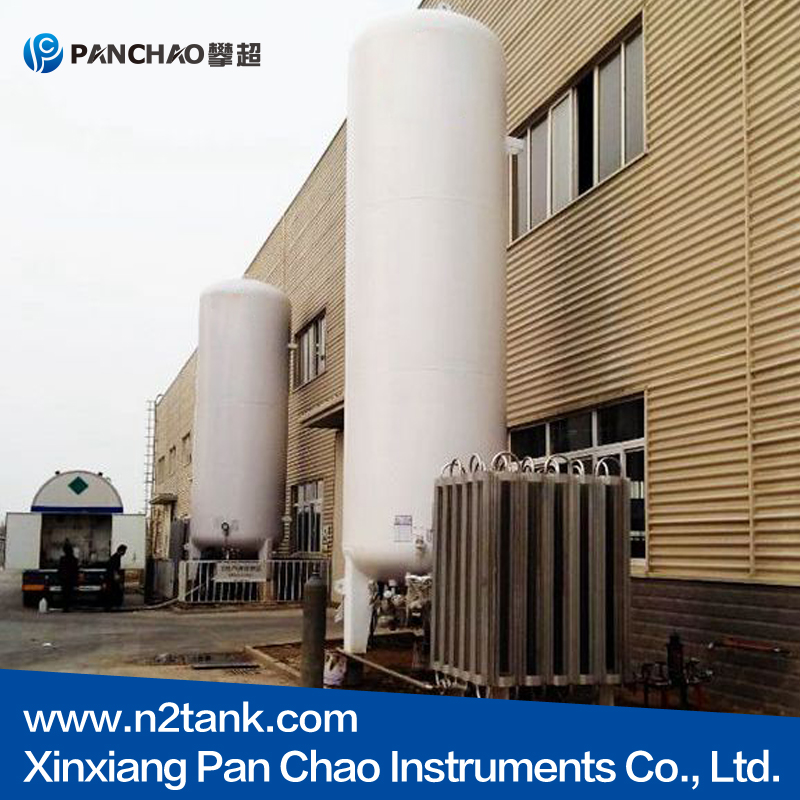
Cryogenic Liquid Tanks are available in vertical or horizonta...[more]
Rankings Of Similar Articles
- What Are the Early Warning Signs of Performance Degradation i
- Design Logic of the Inner Canister in Liquid Nitrogen Tanks:
- How Is the Static Holding Time of a Liquid Nitrogen Tank Calc
- A Detailed Explanation of Liquid Nitrogen Tank Vacuum Technol
- Why Does a Narrower Neck Improve the Insulation of a Liquid N
- Liquid Nitrogen Tank Vacuuming Technology: The Core of Long-T
- Neck Opening Design in Liquid Nitrogen Tanks
- What Are the Early Signs of Liquid Nitrogen Tank Performance
- The Cooling Principle of Liquid Nitrogen Tanks: How Do They M
- The Vacuum Layer in Liquid Nitrogen Tanks: Invisible but Esse
Latest Information
- The Cooling Principle of Liquid Nitrogen Tanks: How Do They M
- The Vacuum Layer in Liquid Nitrogen Tanks: Invisible but Esse
- Holiday Notice
- Storage Environment Requirements for Liquid Nitrogen Tanks: T
- Hot sale thawing cup
- Storage of liquid nitrogen tank
- Application of liquid nitrogen tank in heat treatment field
- Liquid nitrogen tank for nitrogen station
- What is the liquid nitrogen tank made of?
- What is the liquid nitrogen tank made of?
