
What Are the Early Warning Signs of Performance Degradation in Liquid Nitrogen Tanks?
Liquid nitrogen (LN₂) tanks are designed for long-term cryogenic storage, but over time, their performance may gradually decline due to aging, mechanical damage, or vacuum degradation. Identifying early warning signs allows users to take corrective action before sample safety is compromised or operating costs rise significantly.
1. Increased Evaporation Rate
One of the earliest and most noticeable signs is abnormally high LN₂ consumption. If refilling becomes more frequent without changes in usage, it often indicates heat leakage caused by partial vacuum loss. Monitoring daily evaporation rates helps detect subtle performance changes.
2. Frost or Condensation on the Outer Shell
A properly functioning tank should remain dry and free of frost. Ice formation or sweating on the outer wall or neck area suggests insulation failure. This symptom usually points to vacuum degradation, allowing ambient heat to penetrate the tank.
3. Unusual Boiling or Noise
Excessive bubbling sounds when the tank is undisturbed may signal increased heat input. While some boiling is normal, persistent or aggressive noise often indicates declining insulation efficiency.
4. Shortened Static Holding Time
If the tank no longer achieves its rated static holding time under normal conditions, it is a clear indicator of performance loss. This is especially important for tanks used in long-term biological storage.
5. Neck Tube Temperature Increase
The neck tube is the main heat entry point. A noticeably warmer neck compared to normal operation suggests abnormal thermal conduction or damage to internal insulation structures.
6. Mechanical Deformation or Structural Damage
Dents, cracks, or bent bases may seem cosmetic but can affect the vacuum jacket’s integrity. Even minor impacts can lead to slow vacuum leakage over time.
Conclusion
Early detection of LN₂ tank performance degradation relies on routine observation and record keeping. Addressing issues early—through inspection, servicing, or replacement—helps protect valuable samples and ensures safe, reliable cryogenic storage.
Relevant Information
- The Cooling Principle of Liquid Nitrogen Tanks: Why Can They Maintain –196°C
- How Is the Vacuum Layer in a Liquid Nitrogen Tank Manufactured?
- Liquid Nitrogen Tank Maintenance Guide: From Daily Checks to Long-Term Care
- Design Logic of the Inner Canister in Liquid Nitrogen Tanks: How It Protects Sa
- How Is the Static Holding Time of a Liquid Nitrogen Tank Calculated?
- What to Do When a Liquid Nitrogen Tank Leaks: Detection Methods and Repair Sugg
- A Detailed Explanation of Liquid Nitrogen Tank Vacuum Technology: The Core of C
- Why Does a Narrower Neck Improve the Insulation of a Liquid Nitrogen Tank?
- Liquid Nitrogen Tank Vacuuming Technology: The Core of Long-Term Insulation
- Neck Opening Design in Liquid Nitrogen Tanks

Latest Products
- 110m3 double wall cryogenic Liqu
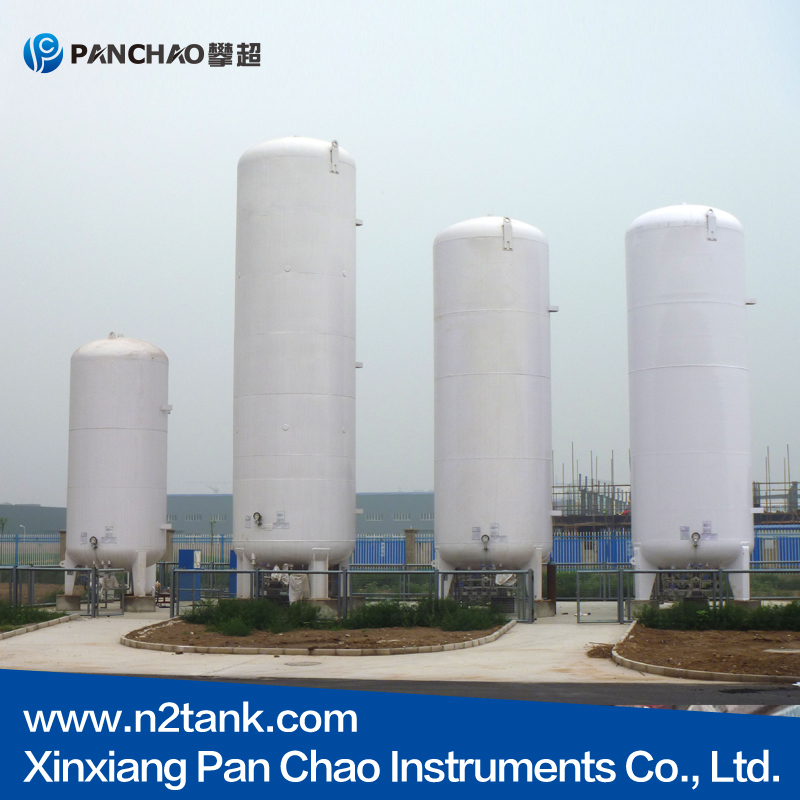
Cryogenic Liquid Tanks are available in vertical or horizonta...[more]
- 2vertical stainless steel pressu
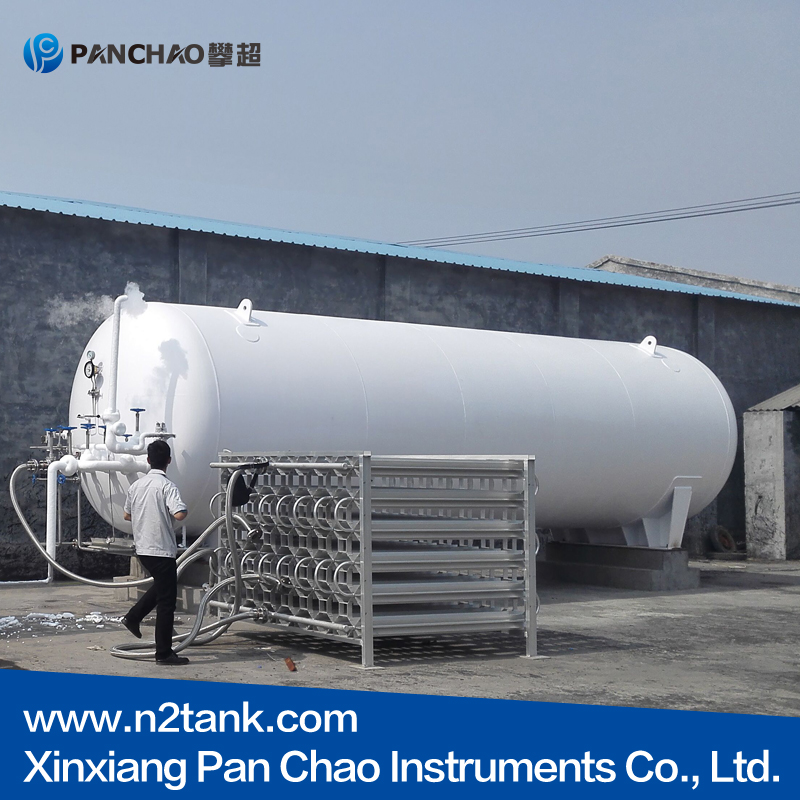
Cryogenic Liquid Tanks are available in vertical or horizonta...[more]
- 310 cubic meters cryogenic Liqui
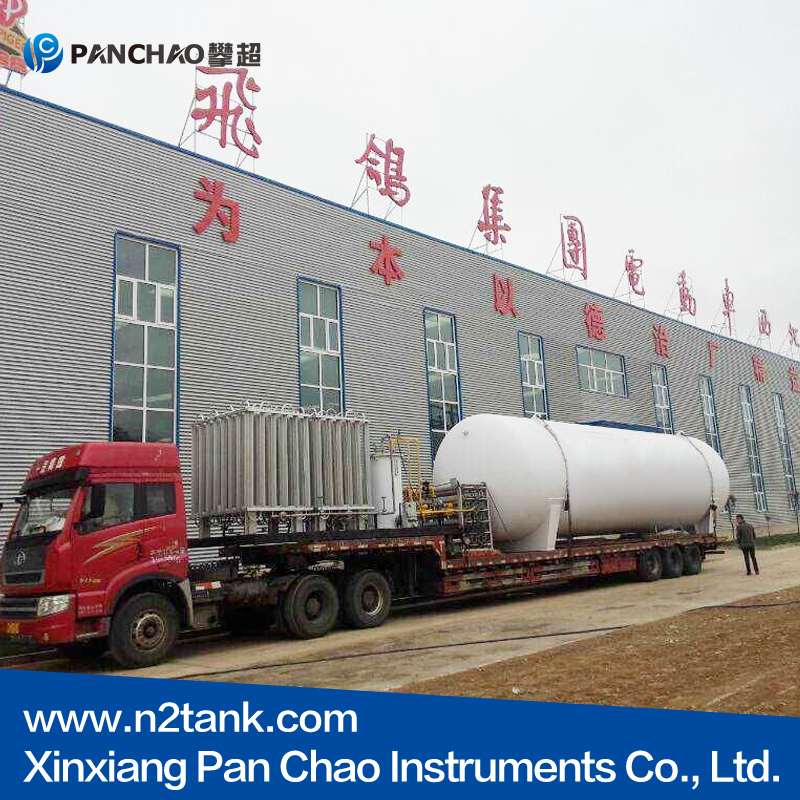
Cryogenic Liquid Tanks are available in vertical or horizonta...[more]
- 4GB150 pressure vessels cryogeni
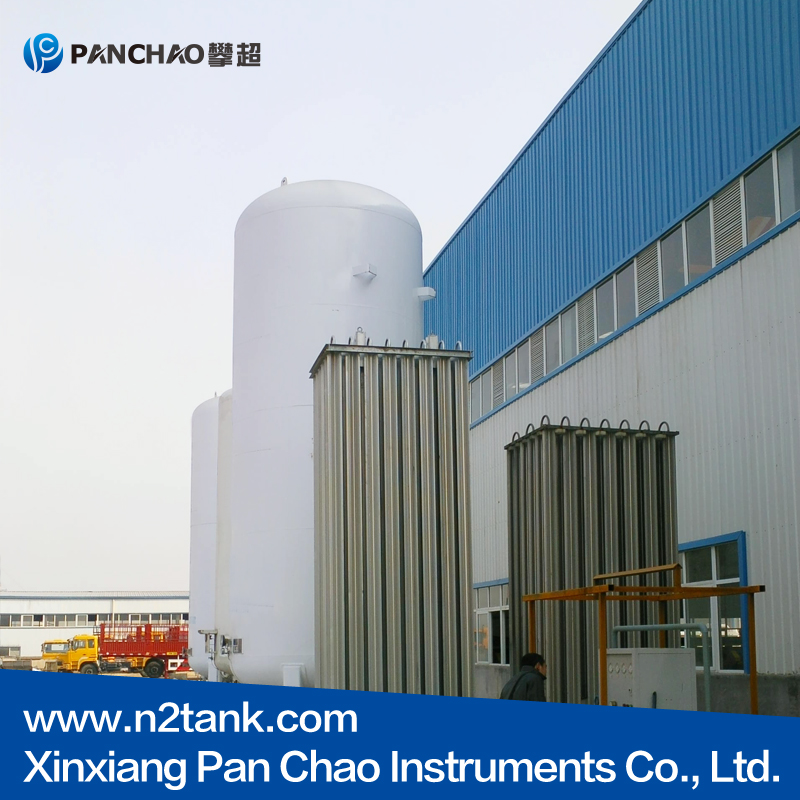
Cryogenic Liquid Tanks are available in vertical or horizonta...[more]
- 5New double Vertical cryogenic L
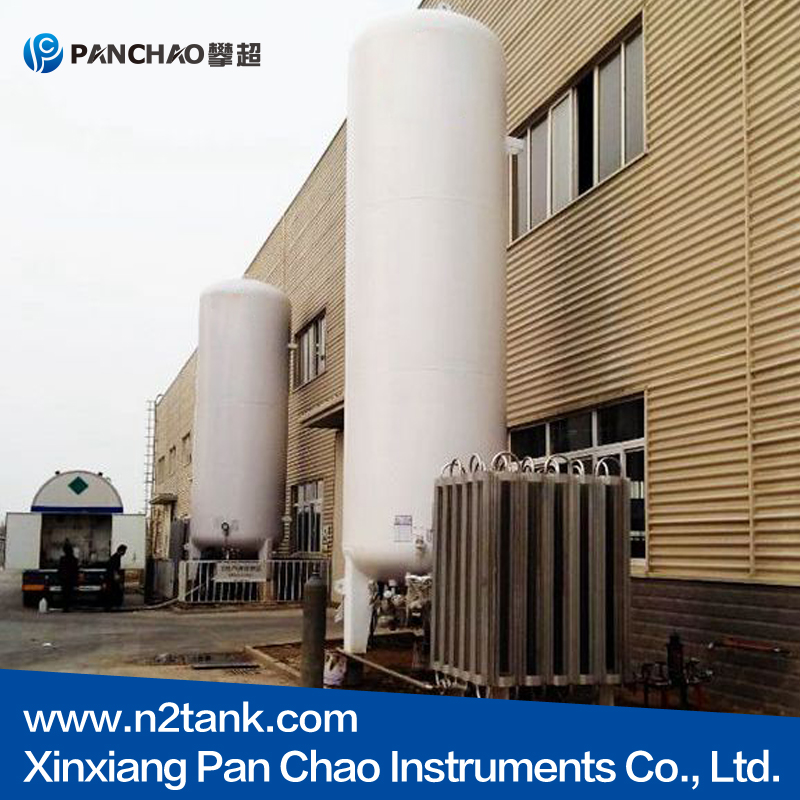
Cryogenic Liquid Tanks are available in vertical or horizonta...[more]
Rankings Of Similar Articles
- The Cooling Principle of Liquid Nitrogen Tanks: Why Can They
- How Is the Vacuum Layer in a Liquid Nitrogen Tank Manufacture
- Liquid Nitrogen Tank Maintenance Guide: From Daily Checks to
- Design Logic of the Inner Canister in Liquid Nitrogen Tanks:
- How Is the Static Holding Time of a Liquid Nitrogen Tank Calc
- What to Do When a Liquid Nitrogen Tank Leaks: Detection Metho
- A Detailed Explanation of Liquid Nitrogen Tank Vacuum Technol
- Why Does a Narrower Neck Improve the Insulation of a Liquid N
- Liquid Nitrogen Tank Vacuuming Technology: The Core of Long-T
- Neck Opening Design in Liquid Nitrogen Tanks
Latest Information
- The Cooling Principle of Liquid Nitrogen Tanks: How Do They M
- The Vacuum Layer in Liquid Nitrogen Tanks: Invisible but Esse
- Holiday Notice
- Storage Environment Requirements for Liquid Nitrogen Tanks: T
- Hot sale thawing cup
- Storage of liquid nitrogen tank
- Application of liquid nitrogen tank in heat treatment field
- Liquid nitrogen tank for nitrogen station
- What is the liquid nitrogen tank made of?
- What is the liquid nitrogen tank made of?
