
The Cooling Principle of Liquid Nitrogen Tanks: Why Can They Maintain –196°C?
Liquid nitrogen (LN₂) tanks are designed to store one of the coldest commonly used cryogenic substances on Earth. At atmospheric pressure, liquid nitrogen boils at –196°C, and maintaining this extreme temperature requires a precise combination of physical principles and engineering design. Understanding how LN₂ tanks work helps users operate them more safely and efficiently.
1. The Physical Property of Liquid Nitrogen
Nitrogen becomes liquid only when cooled below its boiling point of –196°C. Inside the tank, liquid nitrogen continuously absorbs heat from its surroundings and evaporates into gas. This phase change absorbs a large amount of thermal energy, which helps keep the remaining liquid at a stable low temperature.
2. High-Vacuum Insulation
The key to temperature maintenance lies in the vacuum insulation layer between the inner vessel and outer shell. By removing air from this space, heat transfer through conduction and convection is almost completely eliminated. With no air molecules to carry heat, external warmth cannot easily reach the liquid nitrogen.
3. Multi-Layer Radiation Shielding
Even in a vacuum, thermal radiation can still pass through. To counter this, LN₂ tanks use multi-layer insulation (MLI) made of reflective materials. These layers reflect radiant heat away from the inner container, significantly reducing heat absorption.
4. Neck Tube Heat Control
The neck tube is the only direct connection between the inner vessel and the outside environment. Its narrow, elongated design minimizes heat conduction while allowing nitrogen vapor to escape safely. This careful balance prevents pressure buildup while limiting heat input.
5. Continuous Self-Regulating Cooling
As heat enters the tank, a small amount of LN₂ boils off. This natural evaporation continuously removes heat, maintaining the internal temperature at the boiling point of nitrogen.
Conclusion
Liquid nitrogen tanks maintain –196°C through a combination of LN₂’s physical properties, vacuum insulation, radiation shielding, and controlled evaporation. This integrated design ensures stable, reliable cryogenic storage across scientific, medical, and industrial applications.
Relevant Information
- What Makes the Sealing Structure of a Liquid Nitrogen Tank Lid So Important?
- What Are the Early Warning Signs of Performance Degradation in Liquid Nitrogen
- How Is the Vacuum Layer in a Liquid Nitrogen Tank Manufactured?
- Design Logic of the Inner Canister in Liquid Nitrogen Tanks: How It Protects Sa
- How Is the Static Holding Time of a Liquid Nitrogen Tank Calculated?
- A Detailed Explanation of Liquid Nitrogen Tank Vacuum Technology: The Core of C
- Why Does a Narrower Neck Improve the Insulation of a Liquid Nitrogen Tank?
- Liquid Nitrogen Tank Vacuuming Technology: The Core of Long-Term Insulation
- Neck Opening Design in Liquid Nitrogen Tanks
- What Are the Early Signs of Liquid Nitrogen Tank Performance Degradation?

Latest Products
- 110m3 double wall cryogenic Liqu
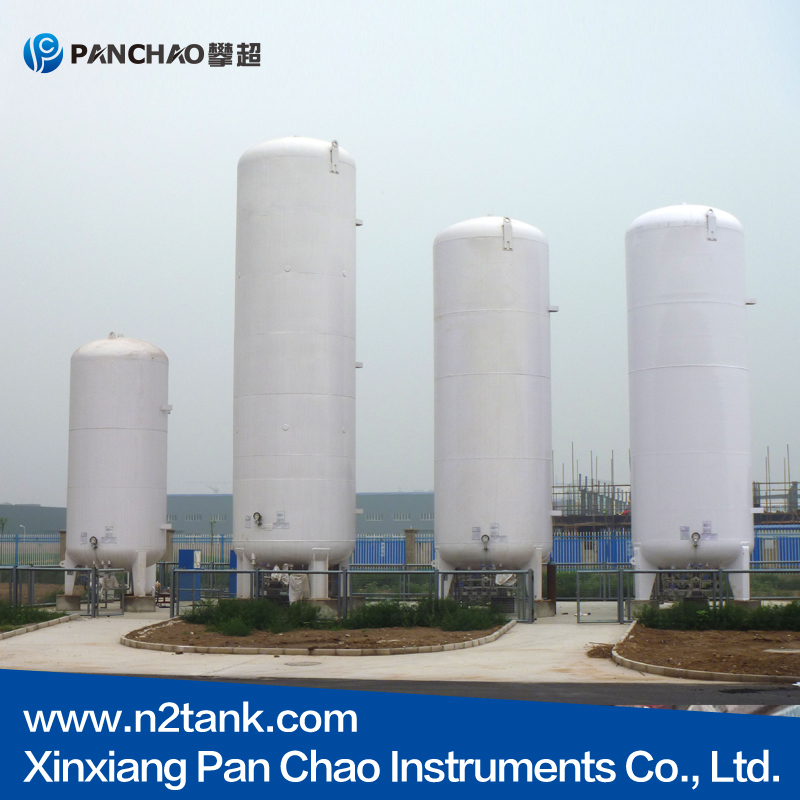
Cryogenic Liquid Tanks are available in vertical or horizonta...[more]
- 2vertical stainless steel pressu
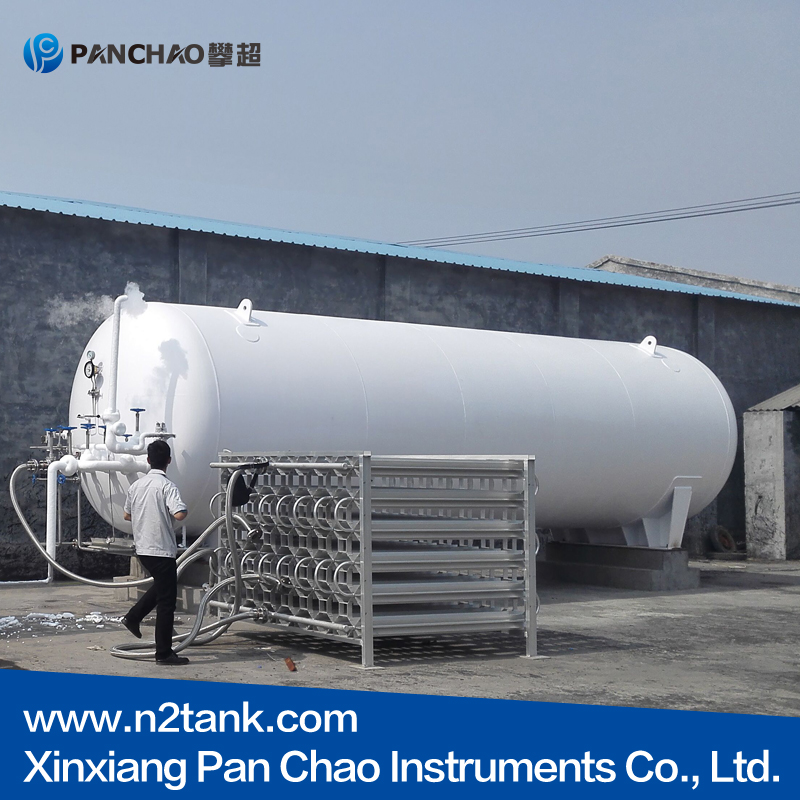
Cryogenic Liquid Tanks are available in vertical or horizonta...[more]
- 310 cubic meters cryogenic Liqui
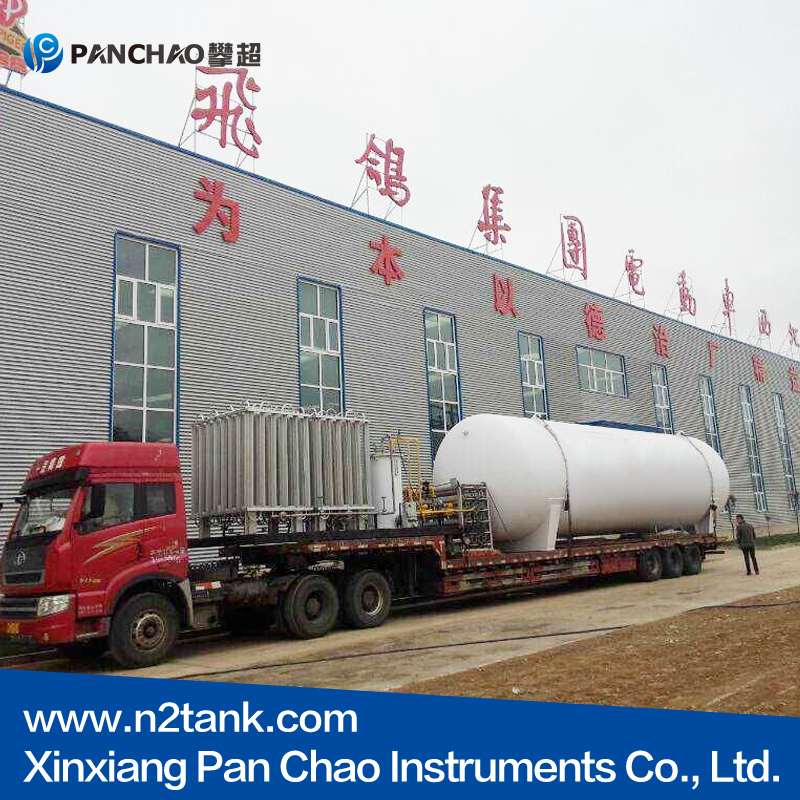
Cryogenic Liquid Tanks are available in vertical or horizonta...[more]
- 4GB150 pressure vessels cryogeni
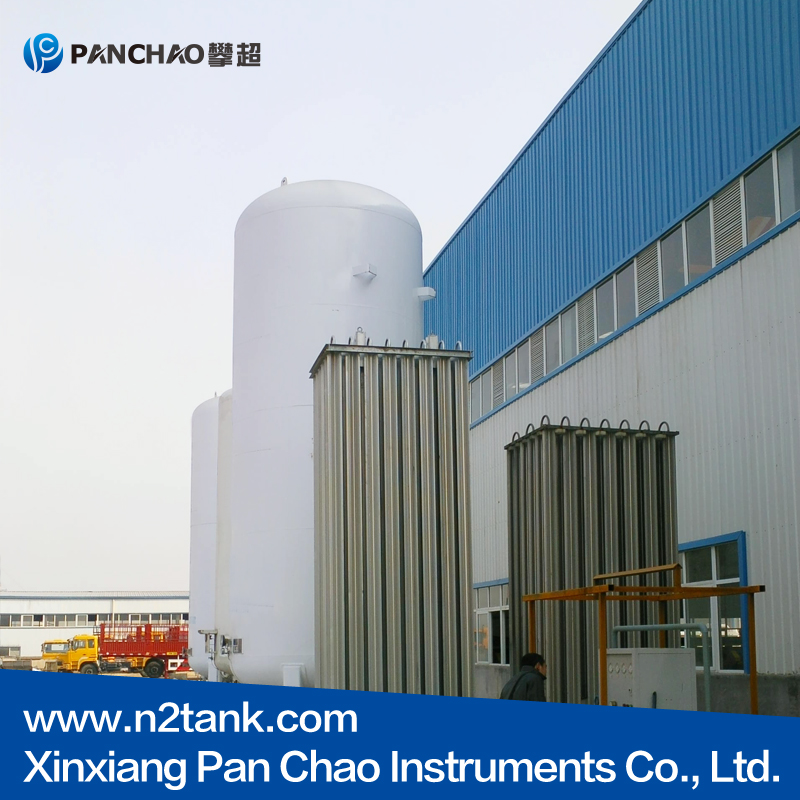
Cryogenic Liquid Tanks are available in vertical or horizonta...[more]
- 5New double Vertical cryogenic L
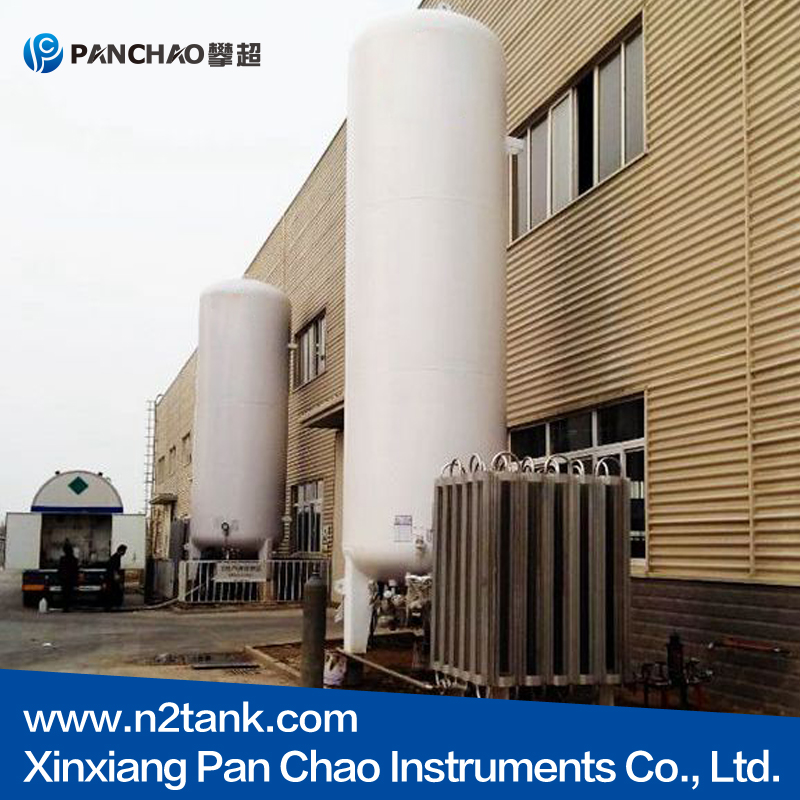
Cryogenic Liquid Tanks are available in vertical or horizonta...[more]
Rankings Of Similar Articles
- What Makes the Sealing Structure of a Liquid Nitrogen Tank Li
- What Are the Early Warning Signs of Performance Degradation i
- How Is the Vacuum Layer in a Liquid Nitrogen Tank Manufacture
- Design Logic of the Inner Canister in Liquid Nitrogen Tanks:
- How Is the Static Holding Time of a Liquid Nitrogen Tank Calc
- A Detailed Explanation of Liquid Nitrogen Tank Vacuum Technol
- Why Does a Narrower Neck Improve the Insulation of a Liquid N
- Liquid Nitrogen Tank Vacuuming Technology: The Core of Long-T
- Neck Opening Design in Liquid Nitrogen Tanks
- What Are the Early Signs of Liquid Nitrogen Tank Performance
Latest Information
- The Cooling Principle of Liquid Nitrogen Tanks: How Do They M
- The Vacuum Layer in Liquid Nitrogen Tanks: Invisible but Esse
- Holiday Notice
- Storage Environment Requirements for Liquid Nitrogen Tanks: T
- Hot sale thawing cup
- Storage of liquid nitrogen tank
- Application of liquid nitrogen tank in heat treatment field
- Liquid nitrogen tank for nitrogen station
- What is the liquid nitrogen tank made of?
- What is the liquid nitrogen tank made of?
