
Precautions for Transporting Liquid Nitrogen Tanks
Transporting liquid nitrogen tanks requires strict attention to safety and handling procedures. These containers store liquid nitrogen at –196°C, and improper transportation can lead to vacuum damage, accelerated evaporation, equipment failure, or even safety hazards. Whether transporting tanks over short distances or long-haul shipping, the following precautions are essential.
First, always keep the liquid nitrogen tank in an upright position. Tilting or laying the tank horizontally can disrupt internal structures, increase liquid nitrogen spillage risk, and damage the vacuum insulation layer. Prolonged inclination may also cause abnormal pressure release or liquid contact with non-designed areas of the tank.
Second, prevent vibration and impact. Strong shocks during loading, unloading, or transit are one of the main causes of vacuum layer failure. Tanks should be securely fixed using straps, brackets, or cushioning materials to minimize movement. Avoid rolling, dropping, or dragging the tank at any time.
Third, ensure proper ventilation during transport, especially in enclosed vehicles. As liquid nitrogen naturally evaporates, nitrogen gas is released. In poorly ventilated spaces, oxygen concentration can drop rapidly, creating an asphyxiation risk. Transport vehicles should have adequate airflow, and tanks should never be sealed in airtight compartments.
Fourth, do not overfill the tank before transportation. Leave sufficient vapor space to accommodate evaporation caused by movement and temperature changes. Overfilling increases internal pressure and may lead to excessive venting or safety valve activation.
Fifth, protect critical components, such as the neck, lid, and outer shell. Use original protective covers where possible. Never block the vent or modify the lid to “seal” the tank, as this can cause dangerous pressure buildup.
Finally, inspect the tank before and after transport. Check for dents, frost, unusual sounds, or rapid nitrogen loss. Any abnormal signs may indicate internal damage and should be addressed before further use.
In summary, safe liquid nitrogen tank transportation depends on upright positioning, impact protection, good ventilation, proper filling levels, and careful inspection. Following these precautions helps preserve insulation performance, extend service life, and ensure safe operation throughout the transport process.
Relevant Information
- The Critical Role of Liquid Nitrogen Tanks in Frozen Semen Storage for the Live
- What Are the Early Warning Signs of Performance Degradation in Liquid Nitrogen
- A Selection Guide for Different Liquid Nitrogen Tank Models: Choosing for Resea
- A Complete Analysis of Application Scenarios for Portable Liquid Nitrogen Tanks
- What Are the Early Signs of Liquid Nitrogen Tank Performance Degradation?
- Liquid Nitrogen Tank Maintenance Schedule: Key Points for Regular Inspection an
- Liquid Nitrogen Tank Maintenance Schedule: Key Points for Regular Inspection an
- Liquid Nitrogen Tank Transportation Guide: Anti-Tilt and Anti-Vibration Precaut
- Liquid Nitrogen Tank Transportation Guide: Anti-Tilt and Anti-Vibration Precaut
- Future Trends: How Smart Equipment Is Shaping New Demands for Sight Glass

Latest Products
- 110m3 double wall cryogenic Liqu

Cryogenic Liquid Tanks are available in vertical or horizonta...[more]
- 2vertical stainless steel pressu
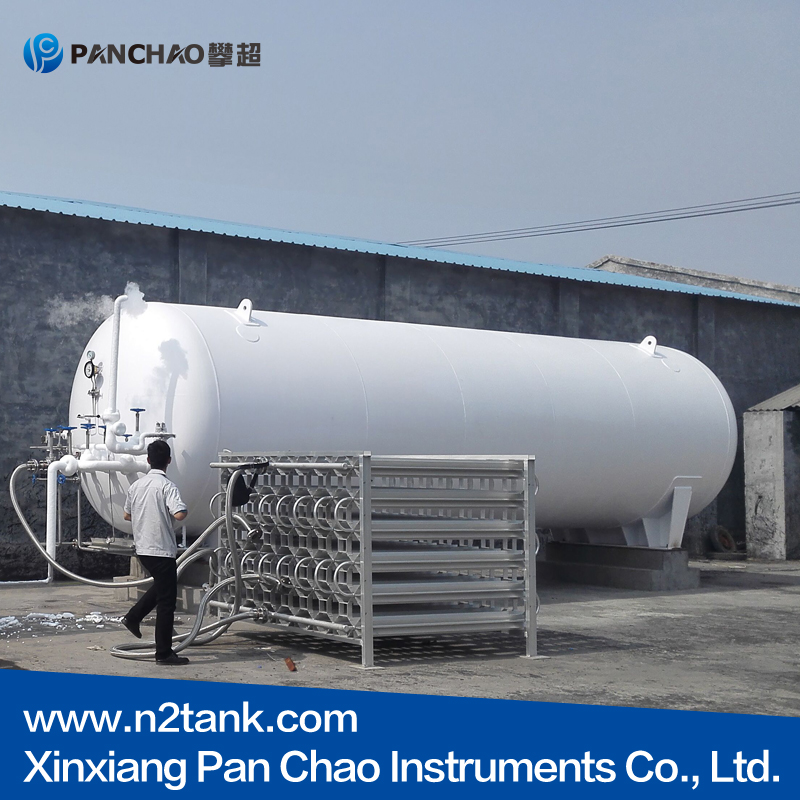
Cryogenic Liquid Tanks are available in vertical or horizonta...[more]
- 310 cubic meters cryogenic Liqui
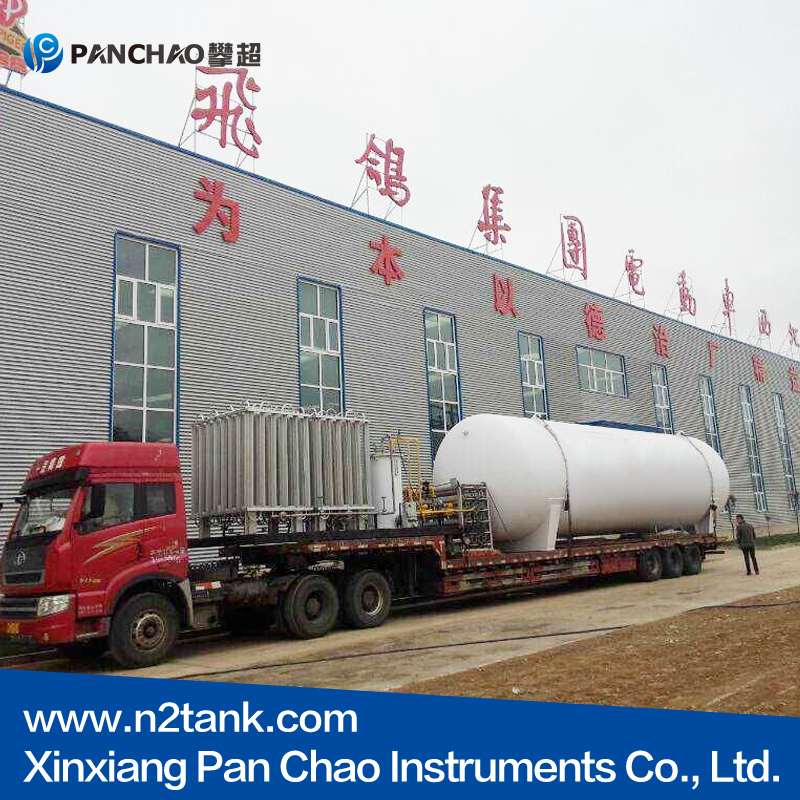
Cryogenic Liquid Tanks are available in vertical or horizonta...[more]
- 4GB150 pressure vessels cryogeni
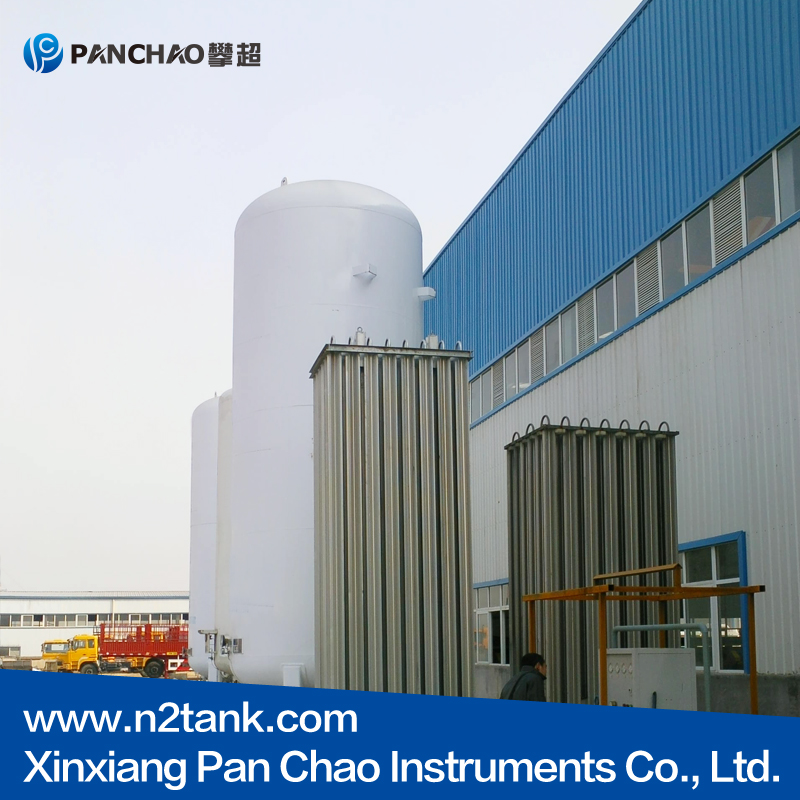
Cryogenic Liquid Tanks are available in vertical or horizonta...[more]
- 5New double Vertical cryogenic L
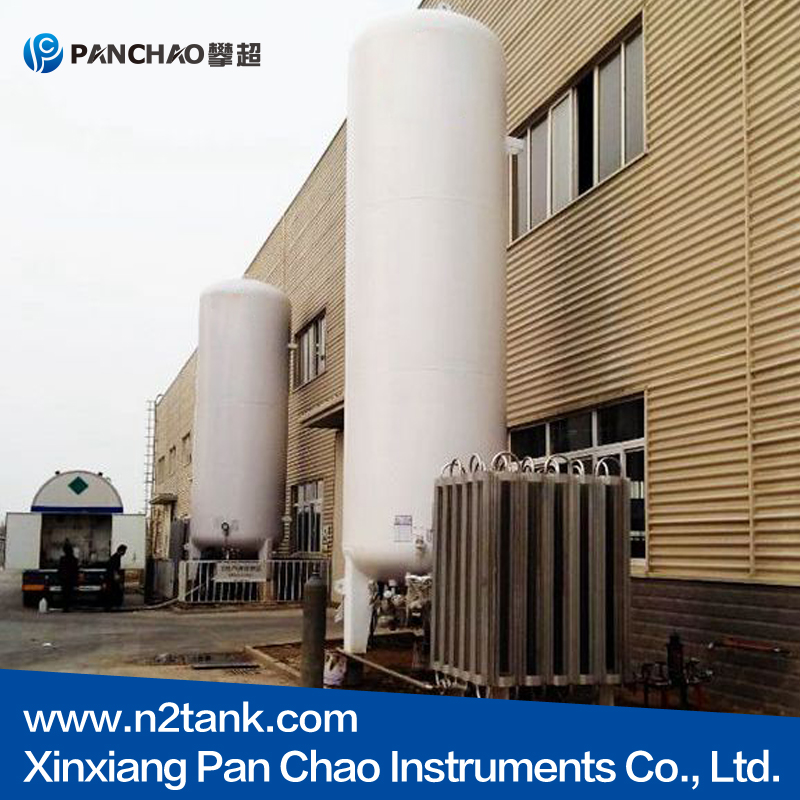
Cryogenic Liquid Tanks are available in vertical or horizonta...[more]
Rankings Of Similar Articles
- The Critical Role of Liquid Nitrogen Tanks in Frozen Semen St
- What Are the Early Warning Signs of Performance Degradation i
- A Selection Guide for Different Liquid Nitrogen Tank Models:
- A Complete Analysis of Application Scenarios for Portable Liq
- What Are the Early Signs of Liquid Nitrogen Tank Performance
- Liquid Nitrogen Tank Maintenance Schedule: Key Points for Reg
- Liquid Nitrogen Tank Maintenance Schedule: Key Points for Reg
- Liquid Nitrogen Tank Transportation Guide: Anti-Tilt and Anti
- Liquid Nitrogen Tank Transportation Guide: Anti-Tilt and Anti
- Future Trends: How Smart Equipment Is Shaping New Demands for
Latest Information
- Aluminum Alloy vs. Stainless Steel Liquid Nitrogen Tanks: Adv
- The Cooling Principle of Liquid Nitrogen Tanks: How Do They M
- The Vacuum Layer in Liquid Nitrogen Tanks: Invisible but Esse
- Holiday Notice
- Storage Environment Requirements for Liquid Nitrogen Tanks: T
- Hot sale thawing cup
- Storage of liquid nitrogen tank
- Application of liquid nitrogen tank in heat treatment field
- Liquid nitrogen tank for nitrogen station
- What is the liquid nitrogen tank made of?
