
A Detailed Explanation of Vacuum Evacuation Technology in Liquid Nitrogen Tanks
Vacuum evacuation technology is the core process that determines the insulation performance and service life of a liquid nitrogen tank. Unlike ordinary containers, liquid nitrogen tanks rely on a high-vacuum insulation layer to minimize heat transfer and maintain the internal temperature at –196°C. Without effective vacuum technology, liquid nitrogen would evaporate rapidly, making long-term storage impossible.
The structure of a liquid nitrogen tank typically consists of an inner vessel and an outer shell. The space between them is evacuated to create a high-vacuum environment, which significantly reduces heat transfer through conduction and convection. In many high-quality tanks, this vacuum space is also combined with multi-layer reflective insulation, further blocking radiant heat from the external environment.
The vacuum evacuation process begins after the inner and outer shells are welded and sealed. Specialized vacuum pumps are used to remove air and residual gases from the interlayer space. This process may involve multiple stages, including rough pumping and high-vacuum pumping, to achieve the required vacuum level. In advanced manufacturing, the vacuum degree is carefully monitored to ensure consistency and reliability.
Once the target vacuum is reached, the vacuum port is sealed, often through pinch-off welding or brazing. Some manufacturers also introduce getter materials into the vacuum layer. These materials absorb residual gases over time, helping maintain vacuum stability throughout the tank’s lifespan.
The quality of vacuum evacuation directly affects key performance indicators such as static holding time and liquid nitrogen consumption rate. Poor vacuum quality leads to increased heat leakage, faster evaporation, and visible issues such as frosting or condensation on the outer shell.
Over long-term use, vacuum degradation may occur due to mechanical shock, material aging, or micro-leaks. Since on-site vacuum repair is extremely difficult, vacuum integrity largely determines whether a tank can continue to be used or must be replaced.
In conclusion, vacuum evacuation technology is the foundation of liquid nitrogen tank performance. Precise evacuation, reliable sealing, and long-term vacuum stability are essential for efficient insulation, operational safety, and the protection of valuable biological and industrial samples.
Relevant Information
- Causes of Vacuum Failure in Liquid Nitrogen Tanks and On-Site Identification Me
- How Is the Vacuum Layer in a Liquid Nitrogen Tank Manufactured?
- A Detailed Explanation of Liquid Nitrogen Tank Vacuum Technology: The Core of C
- Liquid Nitrogen Tank Vacuuming Technology: The Core of Long-Term Insulation
- The Vacuum Layer in Liquid Nitrogen Tanks: Invisible but Essential
- Vacuum Technology in Liquid Nitrogen Tanks: How to Maintain Long-Term Low Tempe
- Why Doesn’t a Liquid Nitrogen Tank Freeze? The Science Behind Vacuum Insulati
- Vacuuming Process in Liquid Nitrogen Tanks: A Key Factor Determining Lifespan
- How to Measure Liquid Nitrogen Tank Insulation Time: A Detailed Look at Static
- Why does the liquid nitrogen tank need to be vacuumed regularly? Maintain detai

Latest Products
- 110m3 double wall cryogenic Liqu
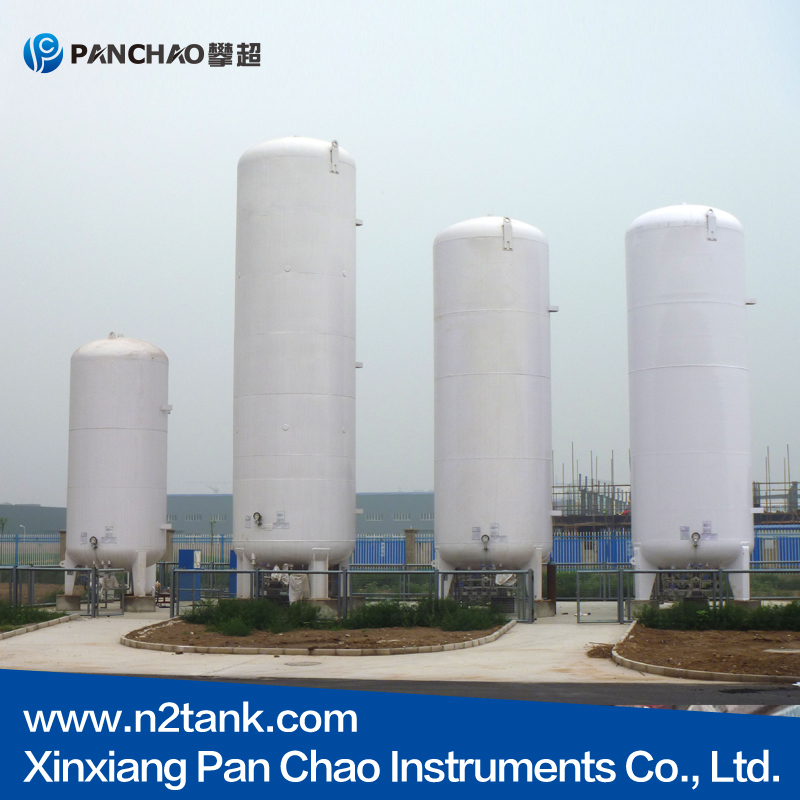
Cryogenic Liquid Tanks are available in vertical or horizonta...[more]
- 2vertical stainless steel pressu
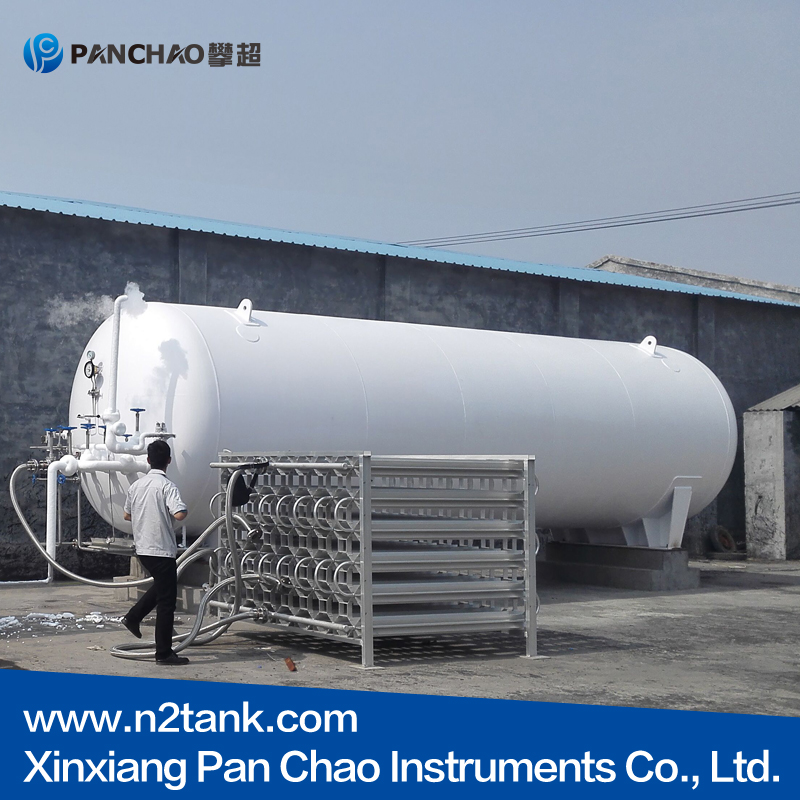
Cryogenic Liquid Tanks are available in vertical or horizonta...[more]
- 310 cubic meters cryogenic Liqui
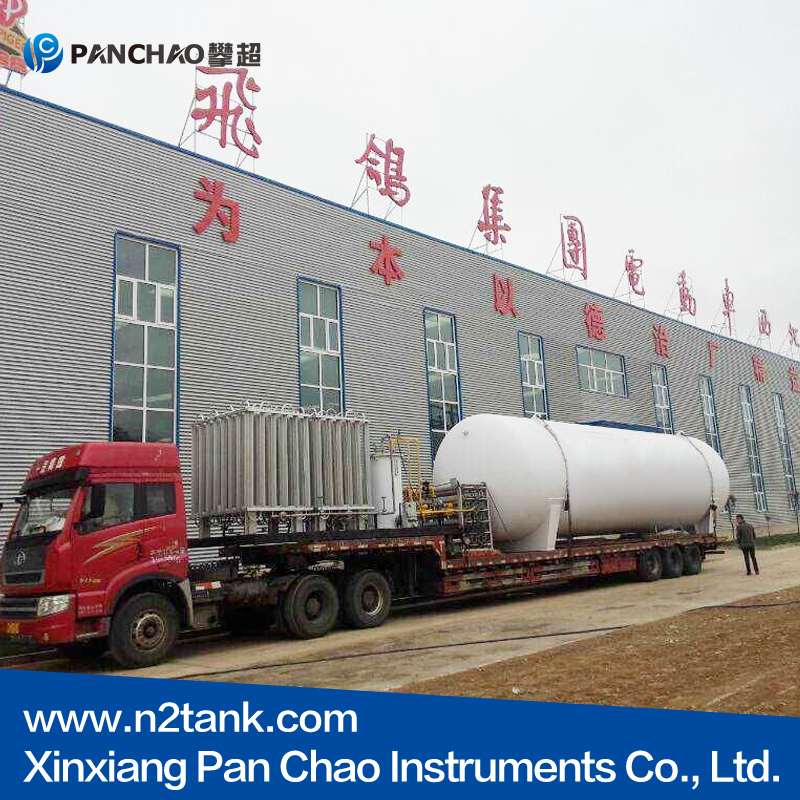
Cryogenic Liquid Tanks are available in vertical or horizonta...[more]
- 4GB150 pressure vessels cryogeni
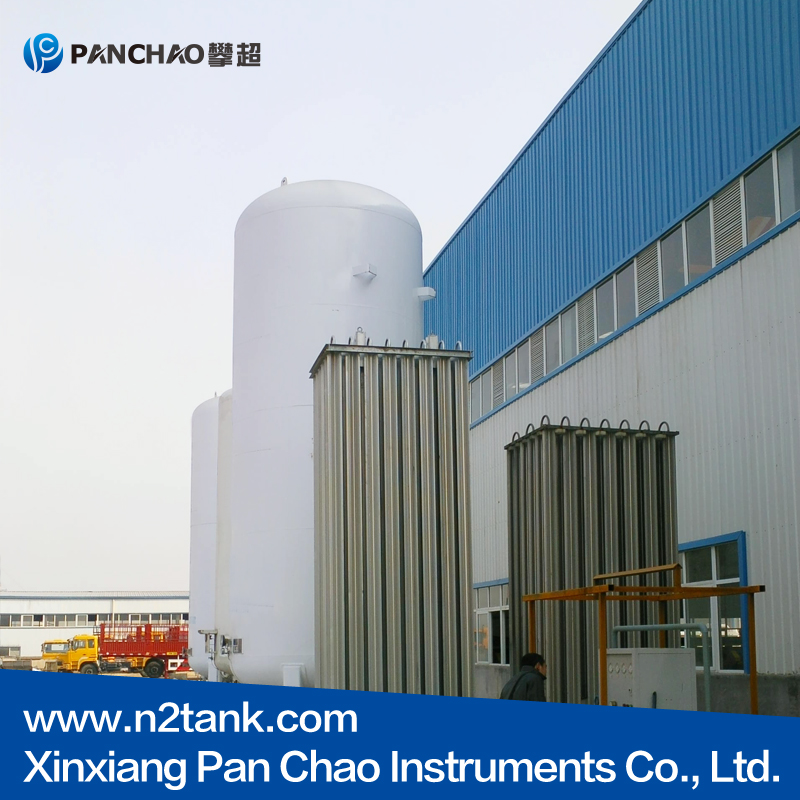
Cryogenic Liquid Tanks are available in vertical or horizonta...[more]
- 5New double Vertical cryogenic L
Cryogenic Liquid Tanks are available in vertical or horizonta...[more]
Rankings Of Similar Articles
- Causes of Vacuum Failure in Liquid Nitrogen Tanks and On-Site
- How Is the Vacuum Layer in a Liquid Nitrogen Tank Manufacture
- A Detailed Explanation of Liquid Nitrogen Tank Vacuum Technol
- Liquid Nitrogen Tank Vacuuming Technology: The Core of Long-T
- The Vacuum Layer in Liquid Nitrogen Tanks: Invisible but Esse
- Vacuum Technology in Liquid Nitrogen Tanks: How to Maintain L
- Why Doesn’t a Liquid Nitrogen Tank Freeze? The Science Behi
- Vacuuming Process in Liquid Nitrogen Tanks: A Key Factor Dete
- How to Measure Liquid Nitrogen Tank Insulation Time: A Detail
- Why does the liquid nitrogen tank need to be vacuumed regular
Latest Information
- Aluminum Alloy vs. Stainless Steel Liquid Nitrogen Tanks: Adv
- The Cooling Principle of Liquid Nitrogen Tanks: How Do They M
- The Vacuum Layer in Liquid Nitrogen Tanks: Invisible but Esse
- Holiday Notice
- Storage Environment Requirements for Liquid Nitrogen Tanks: T
- Hot sale thawing cup
- Storage of liquid nitrogen tank
- Application of liquid nitrogen tank in heat treatment field
- Liquid nitrogen tank for nitrogen station
- What is the liquid nitrogen tank made of?
