
Five Typical Signs of Vacuum Failure in Liquid Nitrogen Tanks
The vacuum insulation layer is the core component that allows a liquid nitrogen tank to maintain ultra-low temperatures efficiently. Once the vacuum integrity is compromised, insulation performance deteriorates rapidly, leading to increased nitrogen loss, higher operating costs, and potential safety risks. Recognizing the early signs of vacuum failure is essential for timely intervention.
The first and most obvious sign is a significant reduction in static holding time. Under the same ambient conditions and usage pattern, a healthy tank should maintain a stable holding period. If refilling becomes noticeably more frequent, it often indicates that heat is entering the tank due to vacuum degradation.
The second sign is abnormal frosting or condensation on the outer shell. A properly functioning liquid nitrogen tank should remain dry and close to room temperature on the outside. Persistent cold spots, sweating, or ice formation strongly suggest that the insulation layer is no longer effective.
Another common indicator is unusual boiling sounds. Excessive heat ingress causes liquid nitrogen to evaporate rapidly, producing continuous or louder-than-normal boiling noises. This behavior reflects increased thermal load caused by vacuum loss.
The fourth sign involves abnormal nitrogen consumption during normal operation. Even without frequent opening or sample retrieval, a damaged vacuum layer allows constant heat transfer, accelerating evaporation and raising overall nitrogen usage.
The fifth sign is localized cold areas near the neck or bottom. While some heat transfer through the neck is expected, extended cold zones on the outer shell often indicate internal structural issues affecting vacuum integrity.
In summary, reduced holding time, external frosting, abnormal sounds, increased nitrogen consumption, and localized cold spots are five typical signs of vacuum failure in liquid nitrogen tanks. Early detection helps prevent sample loss, ensures operational safety, and allows users to make informed decisions about repair or replacement.
Relevant Information
- What Are the Early Warning Signs of Performance Degradation in Liquid Nitrogen
- What Are the Early Signs of Liquid Nitrogen Tank Performance Degradation?
- Liquid Nitrogen Tank Safety Guidelines: Five Common Misconceptions Explained
- What Are the Warning Signs of Declining Liquid Nitrogen Tank Performance?

Latest Products
- 110m3 double wall cryogenic Liqu
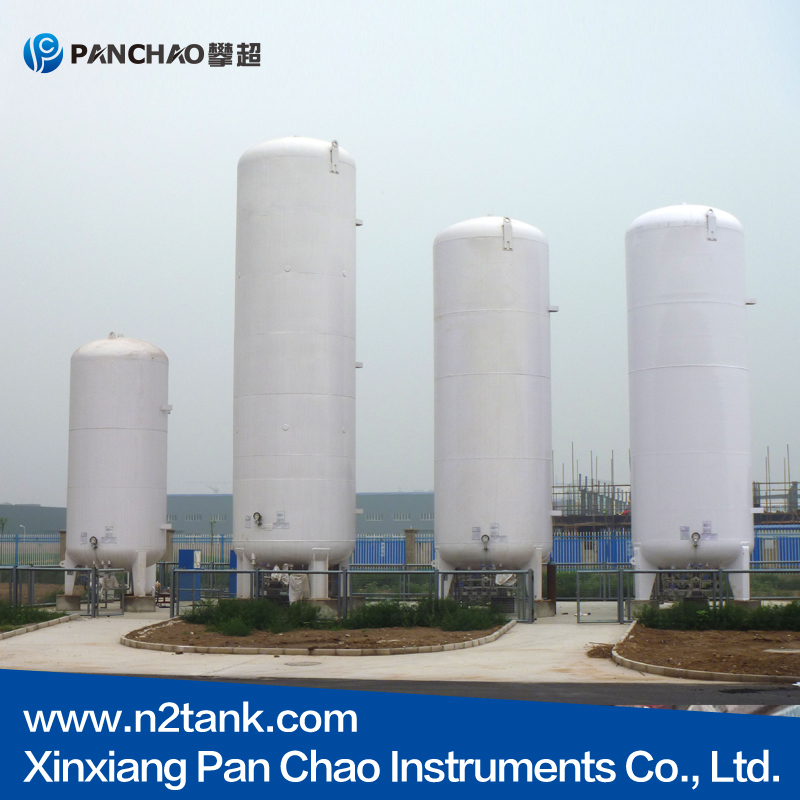
Cryogenic Liquid Tanks are available in vertical or horizonta...[more]
- 2vertical stainless steel pressu
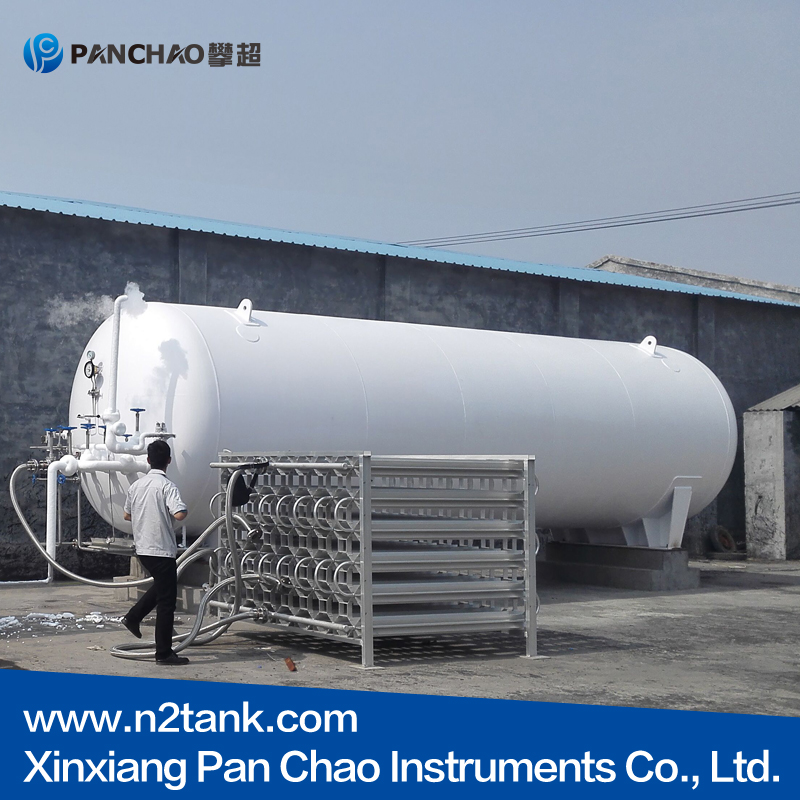
Cryogenic Liquid Tanks are available in vertical or horizonta...[more]
- 310 cubic meters cryogenic Liqui
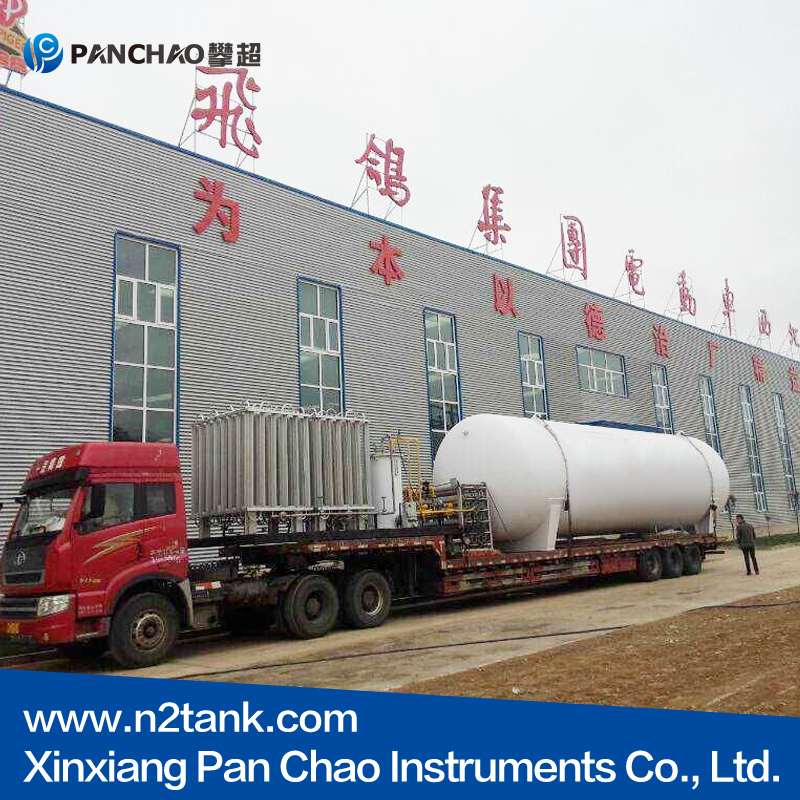
Cryogenic Liquid Tanks are available in vertical or horizonta...[more]
- 4GB150 pressure vessels cryogeni
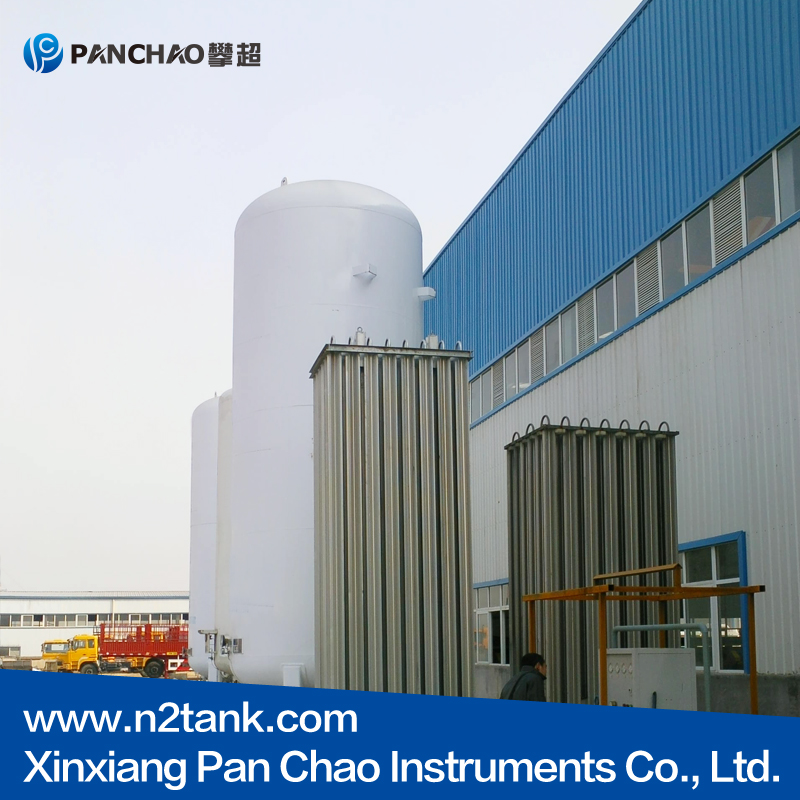
Cryogenic Liquid Tanks are available in vertical or horizonta...[more]
- 5New double Vertical cryogenic L
Cryogenic Liquid Tanks are available in vertical or horizonta...[more]
Rankings Of Similar Articles
- What Are the Early Warning Signs of Performance Degradation i
- What Are the Early Signs of Liquid Nitrogen Tank Performance
- Liquid Nitrogen Tank Safety Guidelines: Five Common Misconcep
- What Are the Warning Signs of Declining Liquid Nitrogen Tank
Latest Information
- Aluminum Alloy vs. Stainless Steel Liquid Nitrogen Tanks: Adv
- The Cooling Principle of Liquid Nitrogen Tanks: How Do They M
- The Vacuum Layer in Liquid Nitrogen Tanks: Invisible but Esse
- Holiday Notice
- Storage Environment Requirements for Liquid Nitrogen Tanks: T
- Hot sale thawing cup
- Storage of liquid nitrogen tank
- Application of liquid nitrogen tank in heat treatment field
- Liquid nitrogen tank for nitrogen station
- What is the liquid nitrogen tank made of?
