
How Neck Tube Length Affects Evaporation Loss in Liquid Nitrogen Tanks
Evaporation loss is a key factor in evaluating the efficiency of a liquid nitrogen tank, and the neck tube plays a decisive role in controlling this loss. As the only direct connection between the ultra-cold interior and the ambient environment, the neck tube becomes the primary pathway for heat transfer. Its length has a direct and measurable impact on evaporation performance.
A longer neck tube increases the heat transfer path between the inner vessel and the outside air. This extended distance reduces heat conduction from the external environment into the liquid nitrogen. In simple terms, the longer the neck, the more difficult it is for heat to reach the cold interior, resulting in lower thermal leakage and reduced nitrogen evaporation.
Neck length also influences gas convection and vapor exchange. A longer, narrower neck restricts warm air movement and slows the escape of nitrogen vapor. This helps stabilize internal conditions and minimizes unnecessary boil-off caused by ambient airflow and pressure fluctuations.
In addition, the neck tube works together with the vacuum insulation system. While the vacuum layer effectively blocks heat transfer through the tank walls, the neck remains a thermal weak point. Optimizing neck length helps compensate for this unavoidable heat bridge, significantly improving overall insulation efficiency and extending static holding time.
However, increasing neck length is not without limitations. An excessively long neck may reduce operational convenience, making sample retrieval more difficult and increasing the risk of mechanical stress during handling. Therefore, manufacturers must balance insulation performance with usability and structural strength.
In conclusion, neck tube length directly affects evaporation loss by controlling heat conduction, convection, and vapor flow. A properly designed neck tube reduces nitrogen consumption, enhances insulation performance, and improves long-term storage efficiency. Optimizing this critical structural detail is essential for high-quality liquid nitrogen tank design.
Relevant Information
- How to Maintain a Liquid Nitrogen Tank During Long-Term Inactivity
- How to Determine Whether a Liquid Nitrogen Tank Needs Replacement: Professional
- How Is the Vacuum Layer in a Liquid Nitrogen Tank Manufactured?
- Design Logic of the Inner Canister in Liquid Nitrogen Tanks: How It Protects Sa
- How Is the Static Holding Time of a Liquid Nitrogen Tank Calculated?
- Why Does a Narrower Neck Improve the Insulation of a Liquid Nitrogen Tank?
- Neck Opening Design in Liquid Nitrogen Tanks
- The Cooling Principle of Liquid Nitrogen Tanks: How Do They Maintain –196°C?
- How Long Can a Liquid Nitrogen Tank Store? Key Factors Affecting Duration
- Vacuum Technology in Liquid Nitrogen Tanks: How to Maintain Long-Term Low Tempe

Latest Products
- 110m3 double wall cryogenic Liqu
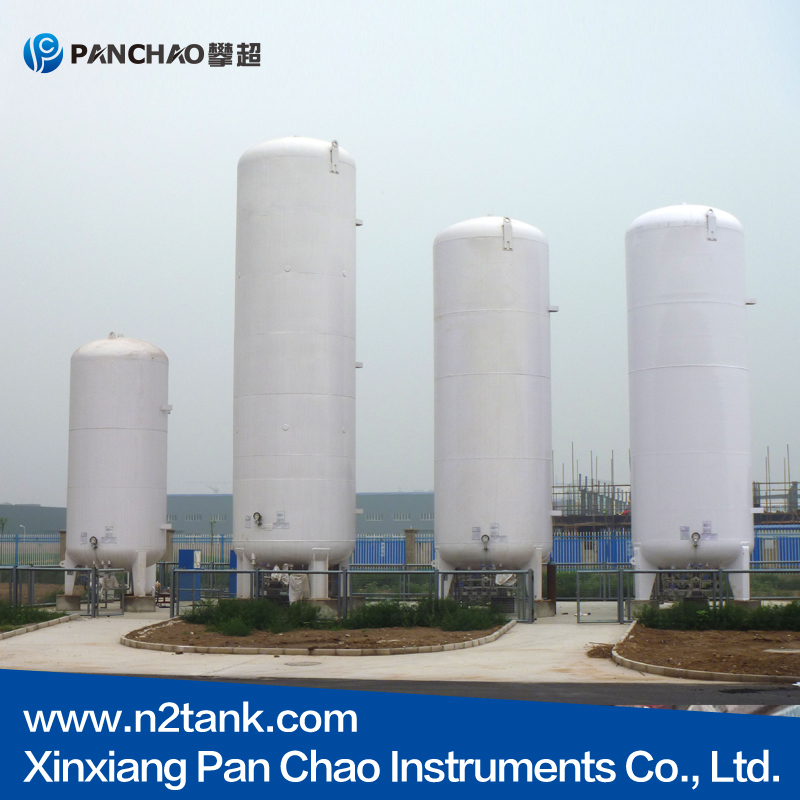
Cryogenic Liquid Tanks are available in vertical or horizonta...[more]
- 2vertical stainless steel pressu
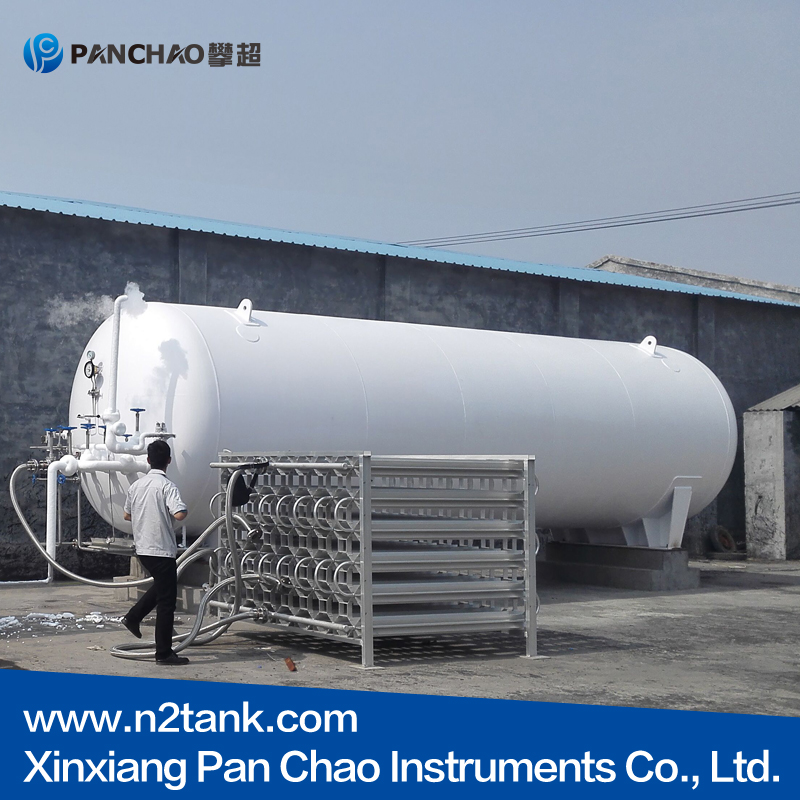
Cryogenic Liquid Tanks are available in vertical or horizonta...[more]
- 310 cubic meters cryogenic Liqui
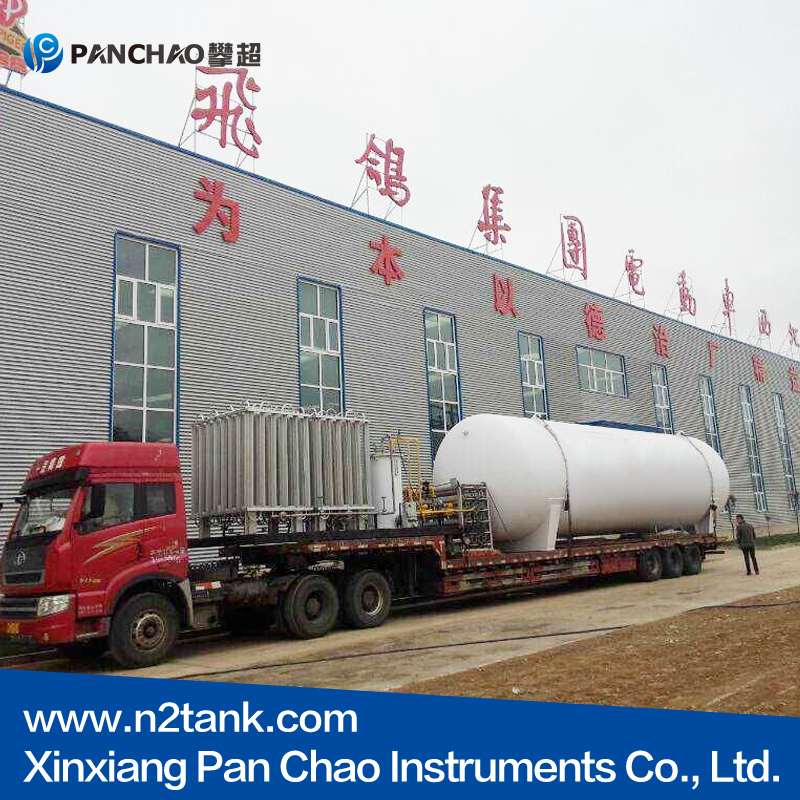
Cryogenic Liquid Tanks are available in vertical or horizonta...[more]
- 4GB150 pressure vessels cryogeni
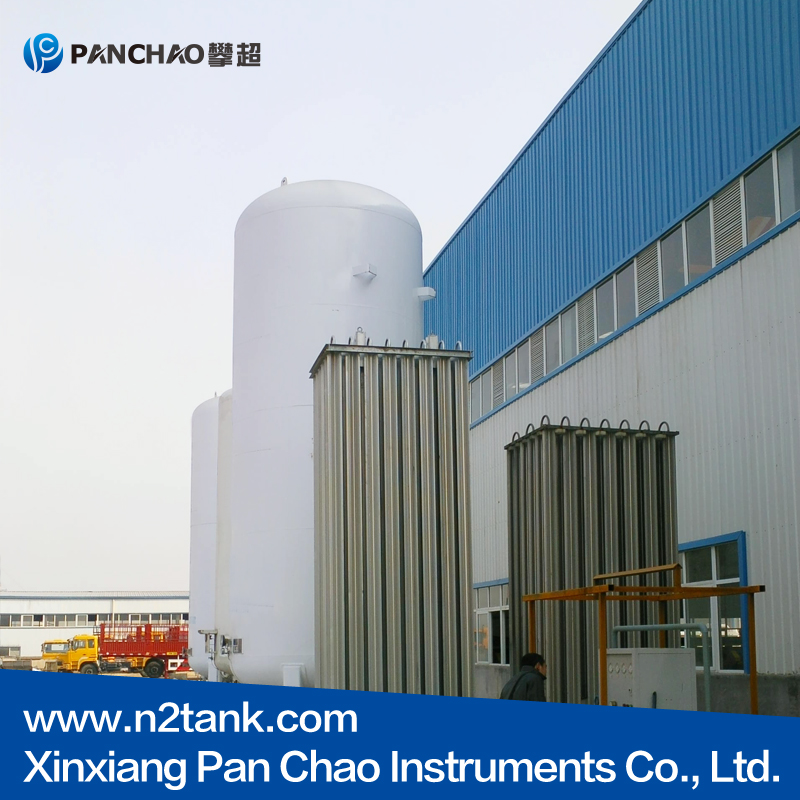
Cryogenic Liquid Tanks are available in vertical or horizonta...[more]
- 5New double Vertical cryogenic L
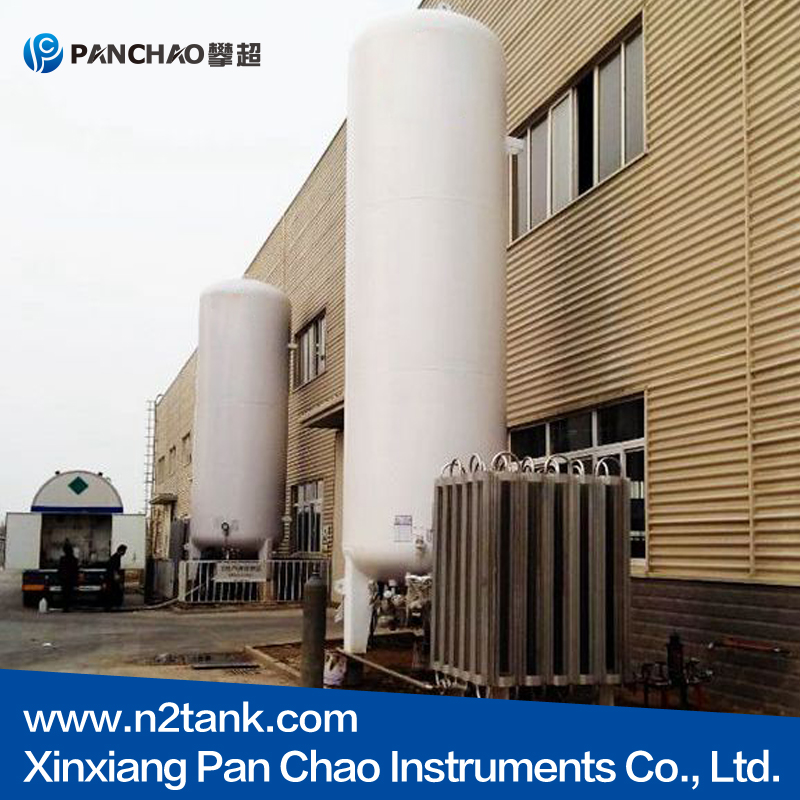
Cryogenic Liquid Tanks are available in vertical or horizonta...[more]
Rankings Of Similar Articles
- How to Maintain a Liquid Nitrogen Tank During Long-Term Inact
- How to Determine Whether a Liquid Nitrogen Tank Needs Replace
- How Is the Vacuum Layer in a Liquid Nitrogen Tank Manufacture
- Design Logic of the Inner Canister in Liquid Nitrogen Tanks:
- How Is the Static Holding Time of a Liquid Nitrogen Tank Calc
- Why Does a Narrower Neck Improve the Insulation of a Liquid N
- Neck Opening Design in Liquid Nitrogen Tanks
- The Cooling Principle of Liquid Nitrogen Tanks: How Do They M
- How Long Can a Liquid Nitrogen Tank Store? Key Factors Affect
- Vacuum Technology in Liquid Nitrogen Tanks: How to Maintain L
Latest Information
- Aluminum Alloy vs. Stainless Steel Liquid Nitrogen Tanks: Adv
- The Cooling Principle of Liquid Nitrogen Tanks: How Do They M
- The Vacuum Layer in Liquid Nitrogen Tanks: Invisible but Esse
- Holiday Notice
- Storage Environment Requirements for Liquid Nitrogen Tanks: T
- Hot sale thawing cup
- Storage of liquid nitrogen tank
- Application of liquid nitrogen tank in heat treatment field
- Liquid nitrogen tank for nitrogen station
- What is the liquid nitrogen tank made of?
