Liquid nitrogen tanks are available in a wide range of capacities, and selecting the right size is essential for efficiency, safety, and cost control. Different capacities are designed to meet very different usage scenarios, from short-term sample transport to long-term biological storage. Understanding how tank capacity aligns with application needs helps users make informed decisions.
Small-capacity liquid nitrogen tanks (typically 1–10 liters) are mainly used for short-duration tasks and portable applications. These tanks are lightweight and easy to carry, making them ideal for field sampling, laboratory demonstrations, or temporary storage during sample transfer. However, their holding time is relatively short, and frequent refilling is usually required.
Medium-capacity tanks (10–30 liters) are commonly used in laboratories, clinics, and small research facilities. They strike a balance between portability and storage duration. These tanks are suitable for storing small batches of biological samples, such as cells, vaccines, or animal semen, while still allowing convenient handling and routine access.
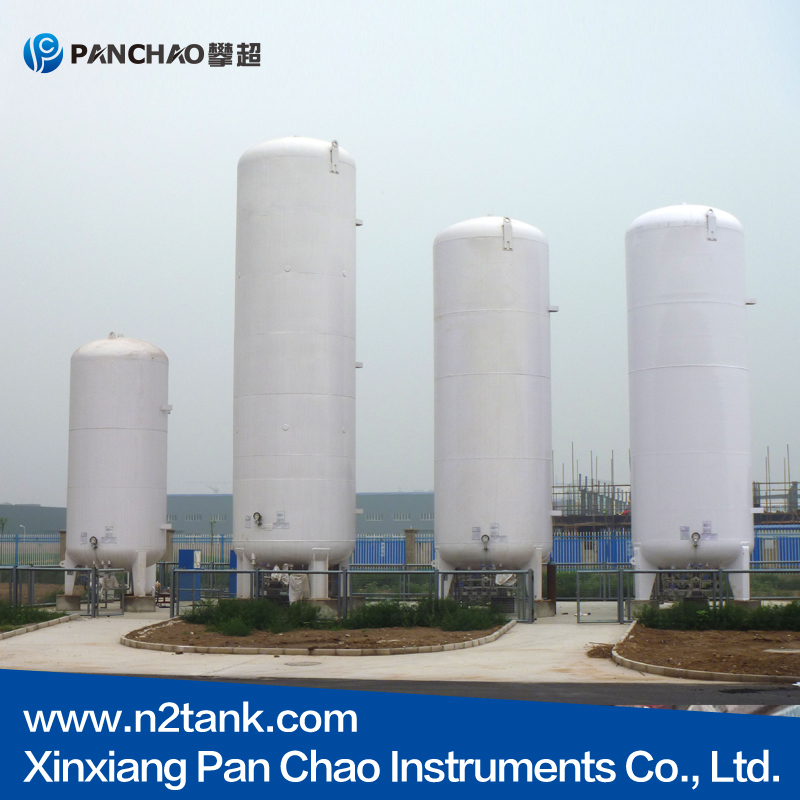
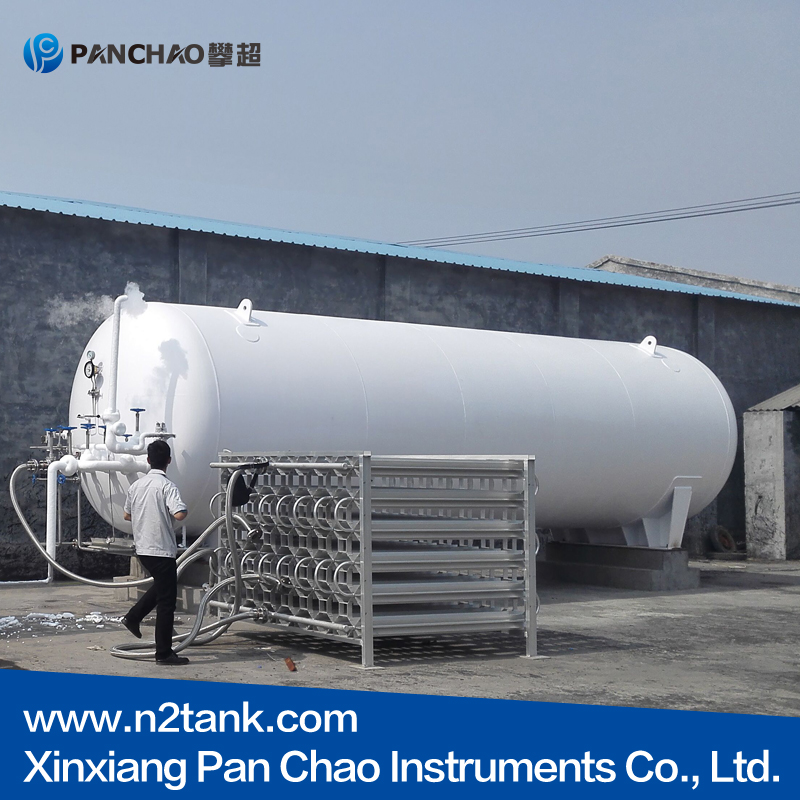
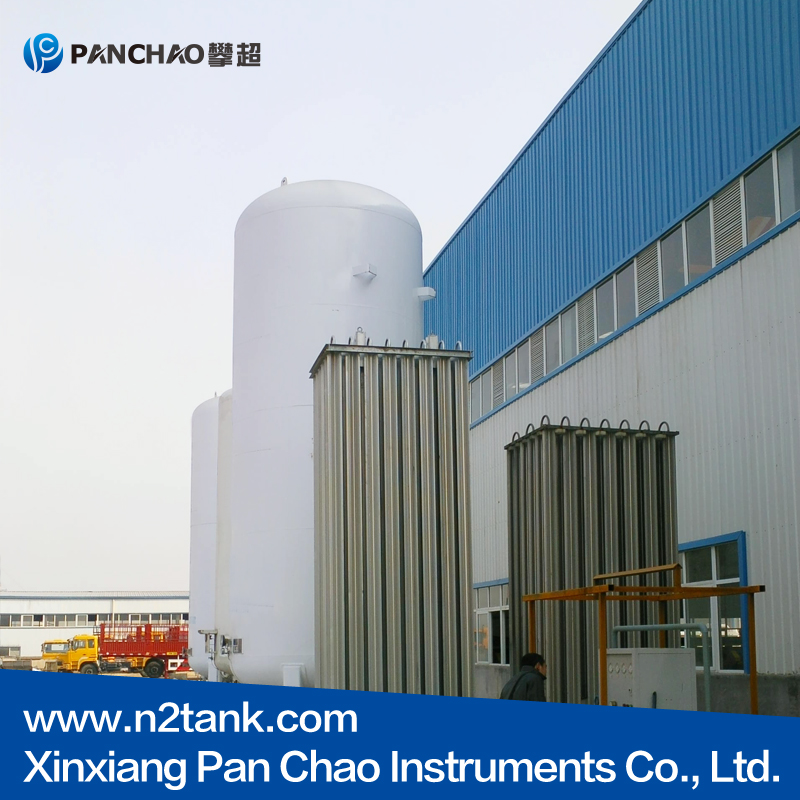
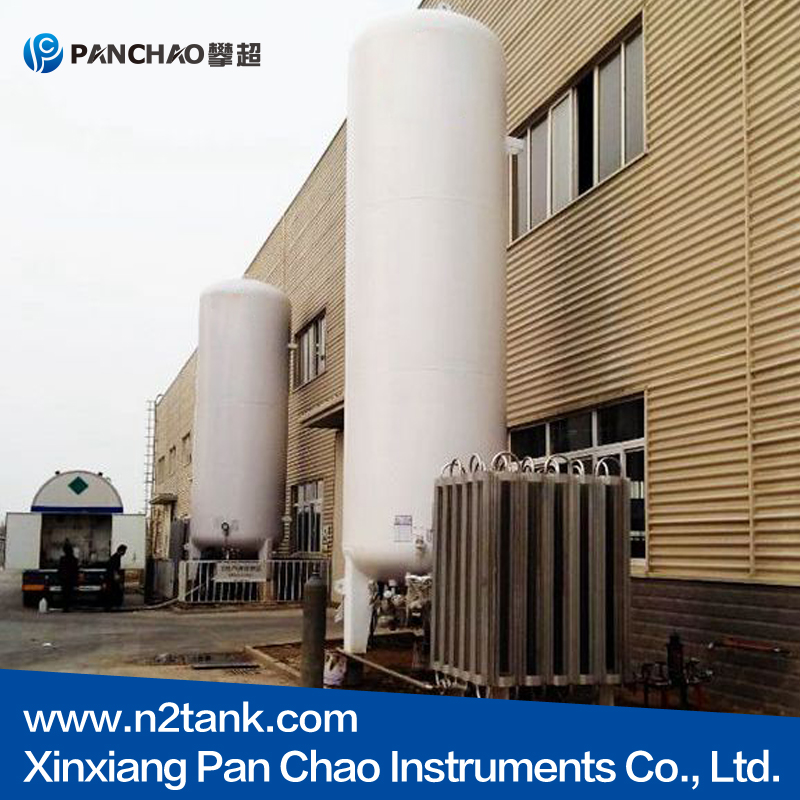
Large-capacity liquid nitrogen tanks (30–50 liters and above) are designed for long-term storage and high-volume applications. They are widely used in biobanks, fertility centers, hospitals, and livestock breeding facilities. With longer static holding times and lower evaporation rates per unit volume, large tanks are more economical for continuous storage. However, they are heavier and less suitable for frequent relocation.
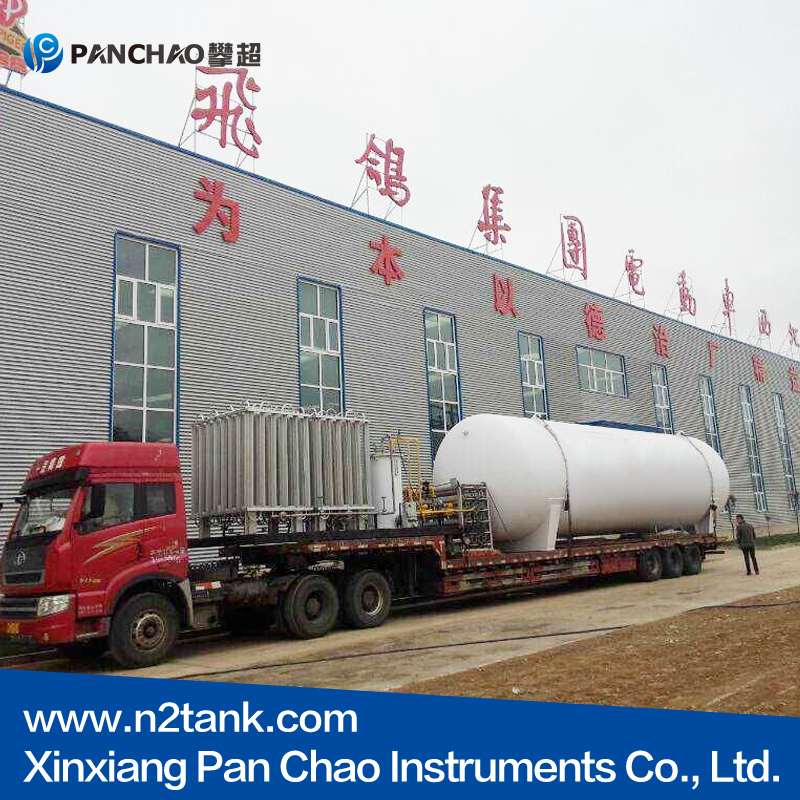
For transport-oriented applications, specially designed dry shippers or transport tanks are used regardless of nominal capacity. These tanks focus on spill prevention and vibration resistance rather than maximum volume.
In practice, capacity selection should consider not only sample quantity but also usage frequency, refilling logistics, available space, and safety requirements. Oversized tanks may increase handling difficulty, while undersized tanks raise operating costs due to excessive nitrogen loss.
In conclusion, small tanks serve portability and short-term needs, medium tanks support routine laboratory use, and large tanks are best for centralized, long-term storage. Matching liquid nitrogen tank capacity to the correct application scenario ensures optimal performance, safety, and cost efficiency.