
How the Outer Shell Material of a Liquid Nitrogen Tank Affects Its Overall Service Life
The outer shell of a liquid nitrogen tank may seem secondary compared to the inner vessel, but in reality, its material selection has a significant impact on the tank’s durability, safety, and long-term performance. A well-designed outer shell not only protects internal components but also plays a key role in maintaining vacuum insulation and extending overall service life.
First, the outer shell provides essential mechanical protection. During daily use, transportation, and handling, liquid nitrogen tanks are exposed to impacts, vibrations, and accidental collisions. Outer shells made from high-strength aluminum alloys or stainless steel offer better resistance to deformation and cracking. If the shell is too weak, external damage can be transferred to the inner vessel or vacuum layer, accelerating performance degradation.
Second, material corrosion resistance directly influences lifespan. Liquid nitrogen tanks are often used in laboratories, hospitals, farms, or outdoor environments where humidity, chemicals, or salt air may be present. Stainless steel shells provide excellent corrosion resistance, making them suitable for harsh or coastal environments. Aluminum alloy shells, while lighter, require proper surface treatment to prevent oxidation and long-term corrosion. Poor corrosion resistance can lead to thinning, structural weakness, and eventual failure.
Third, the outer shell material affects vacuum stability and insulation reliability. The vacuum layer between the inner and outer vessels must remain sealed for years. If the outer shell material is prone to fatigue, microcracks, or weld failure, vacuum leakage may occur. Once vacuum insulation deteriorates, heat transfer increases, leading to higher liquid nitrogen evaporation rates and reduced static holding time.
Additionally, weight and thermal properties also matter. Lightweight materials reduce handling stress and transportation damage, while materials with stable thermal behavior help minimize stress caused by temperature differences between ambient conditions and cryogenic interiors.
In conclusion, the outer shell material is a critical factor in determining the overall service life of a liquid nitrogen tank. Choosing materials with high strength, good corrosion resistance, stable thermal performance, and reliable weldability ensures better protection, longer vacuum integrity, and safer long-term operation across scientific, medical, and industrial applications.
Relevant Information
- How to Understand the Static Evaporation Rate of a Liquid Nitrogen Tank
- How to Understand the Static Evaporation Rate of a Liquid Nitrogen Tank
- How Neck Tube Length Affects Evaporation Loss in Liquid Nitrogen Tanks
- Five Typical Signs of Vacuum Failure in Liquid Nitrogen Tanks
- Key Indicators That Define the Insulation Performance of Liquid Nitrogen Tanks
- Design of the Inner Canister (Rack) in Liquid Nitrogen Tanks
- How to Maintain a Liquid Nitrogen Tank During Long-Term Inactivity
- How to Determine Whether a Liquid Nitrogen Tank Needs Replacement: Professional
- The Critical Role of Liquid Nitrogen Tanks in Frozen Semen Storage for the Live
- What Makes the Sealing Structure of a Liquid Nitrogen Tank Lid So Important?

Latest Products
- 110m3 double wall cryogenic Liqu
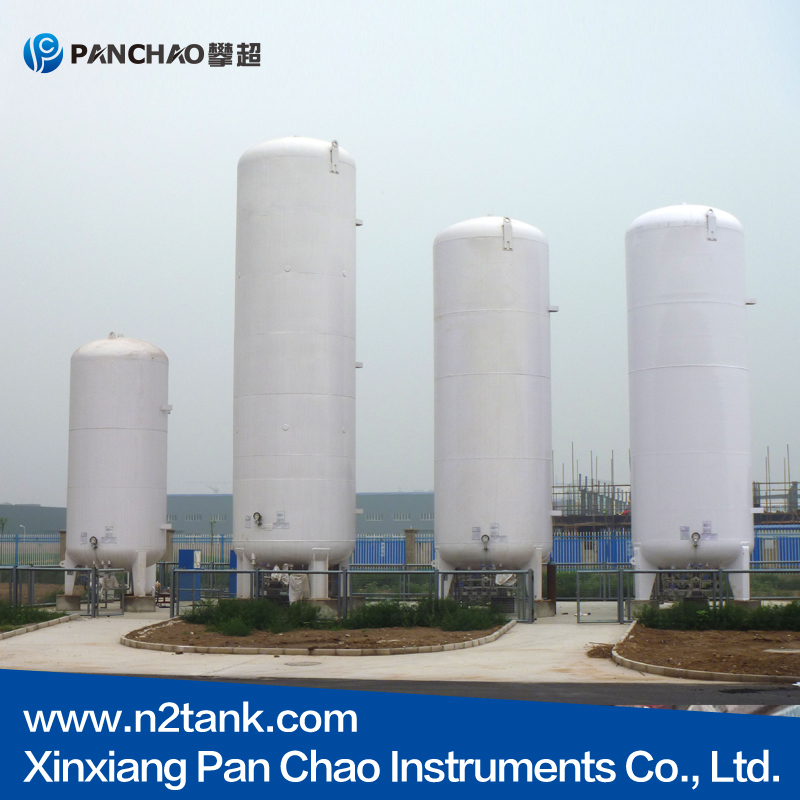
Cryogenic Liquid Tanks are available in vertical or horizonta...[more]
- 2vertical stainless steel pressu
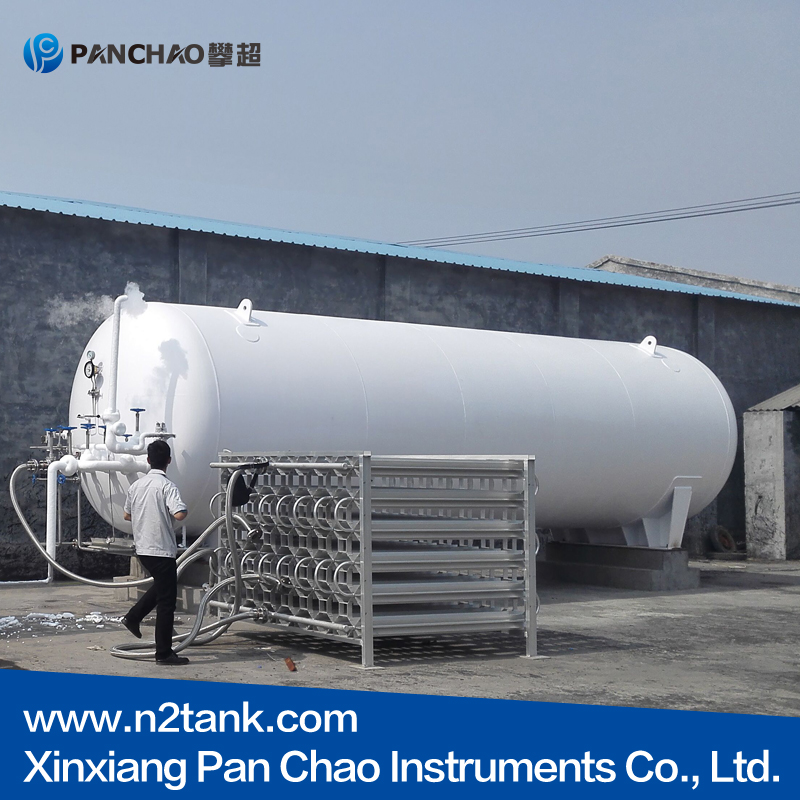
Cryogenic Liquid Tanks are available in vertical or horizonta...[more]
- 310 cubic meters cryogenic Liqui
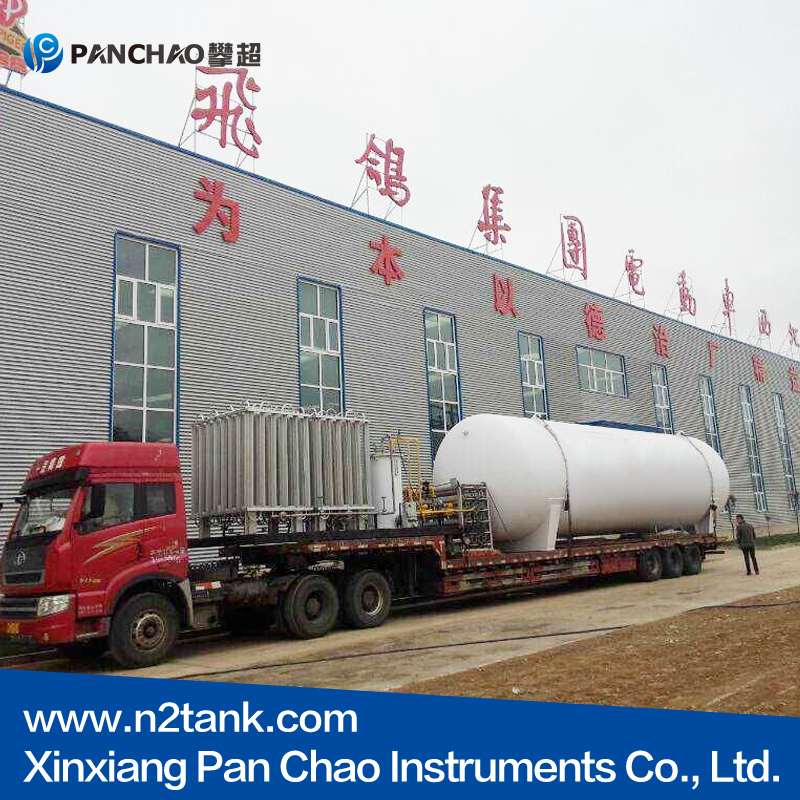
Cryogenic Liquid Tanks are available in vertical or horizonta...[more]
- 4GB150 pressure vessels cryogeni
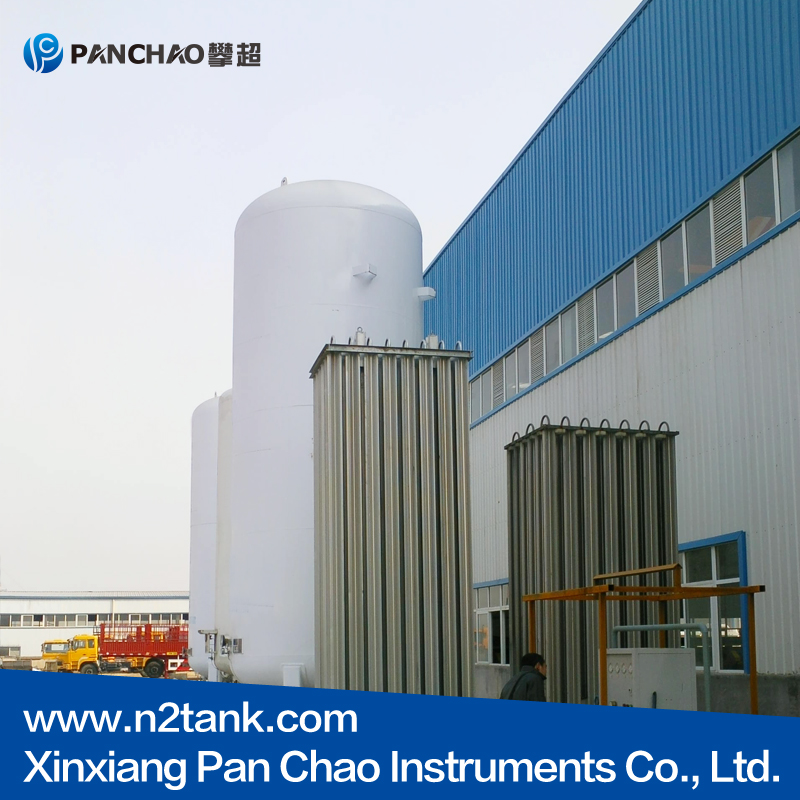
Cryogenic Liquid Tanks are available in vertical or horizonta...[more]
- 5New double Vertical cryogenic L
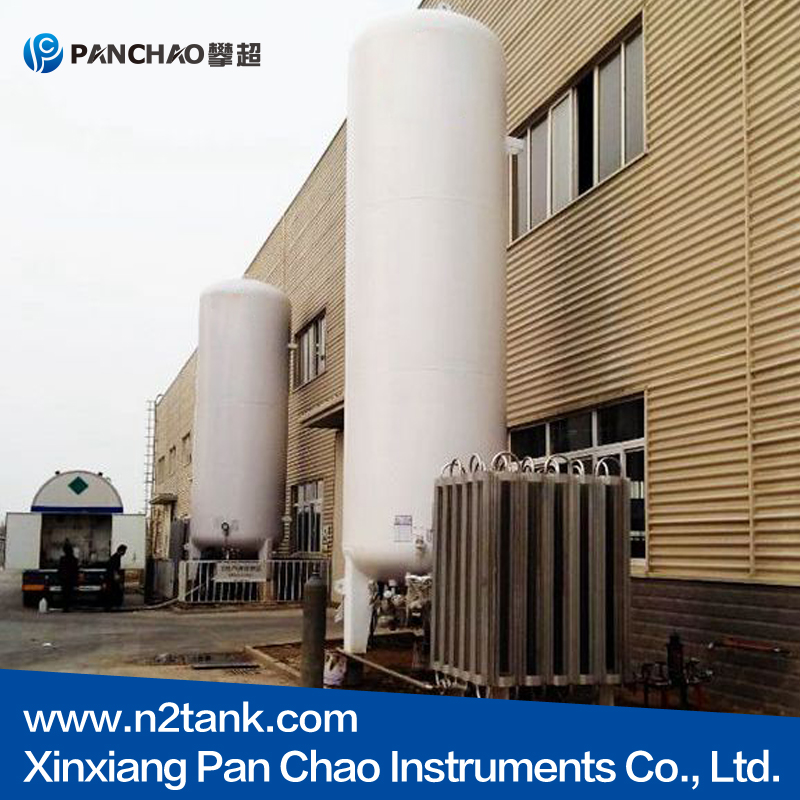
Cryogenic Liquid Tanks are available in vertical or horizonta...[more]
Rankings Of Similar Articles
- How to Understand the Static Evaporation Rate of a Liquid Nit
- How to Understand the Static Evaporation Rate of a Liquid Nit
- How Neck Tube Length Affects Evaporation Loss in Liquid Nitro
- Five Typical Signs of Vacuum Failure in Liquid Nitrogen Tanks
- Key Indicators That Define the Insulation Performance of Liqu
- Design of the Inner Canister (Rack) in Liquid Nitrogen Tanks
- How to Maintain a Liquid Nitrogen Tank During Long-Term Inact
- How to Determine Whether a Liquid Nitrogen Tank Needs Replace
- The Critical Role of Liquid Nitrogen Tanks in Frozen Semen St
- What Makes the Sealing Structure of a Liquid Nitrogen Tank Li
Latest Information
- How to Understand the Static Evaporation Rate of a Liquid Nit
- Aluminum Alloy vs. Stainless Steel Liquid Nitrogen Tanks: Adv
- The Cooling Principle of Liquid Nitrogen Tanks: How Do They M
- The Vacuum Layer in Liquid Nitrogen Tanks: Invisible but Esse
- Holiday Notice
- Storage Environment Requirements for Liquid Nitrogen Tanks: T
- Hot sale thawing cup
- Storage of liquid nitrogen tank
- Application of liquid nitrogen tank in heat treatment field
- Liquid nitrogen tank for nitrogen station
