
The Key Role of Liquid Nitrogen Containers in Biological Sample Transportation
Biological samples such as cells, tissues, stem cells, reproductive materials, vaccines, and research specimens are highly sensitive to temperature changes. During transportation, maintaining sample integrity is critical. Even short periods outside the required temperature range can lead to degradation, loss of viability, contamination risk, or unusable results. This is why liquid nitrogen containers play a vital role in modern biological logistics.
The greatest advantage of liquid nitrogen containers is their ability to provide ultra-low temperature storage conditions, reaching as low as −196°C. At these temperatures, biological activity is effectively halted, helping preserve cellular structure, viability, and molecular stability during transport.
For many logistics applications, dry shipper liquid nitrogen containers are commonly used. These containers absorb liquid nitrogen into a porous medium and maintain samples in a cold nitrogen vapor environment. This design offers two major benefits: stable cryogenic temperatures and no free liquid movement, making transport safer and more practical.
Liquid nitrogen containers are especially important in:
- Stem cell and cell therapy transport
- IVF and reproductive material shipping
- Biobank sample transfer between facilities
- Vaccine and pharmaceutical cold-chain transport
- Clinical trial specimen movement
- University and research institution sample exchange
Another key role is temperature independence from external power sources. Unlike mechanical freezers or powered cold-chain boxes, liquid nitrogen containers do not rely on electricity during transport. This greatly improves reliability during long-distance shipping, customs delays, or remote deliveries.
They also offer extended holding times, allowing samples to remain within required temperature ranges for many hours or even days depending on model and conditions.
In regulated industries, liquid nitrogen containers support quality assurance and compliance, helping maintain validated temperature control throughout transit.
Additionally, well-designed containers protect samples from vibration, physical shock, and environmental fluctuations during movement.
At Zhongpanxin, we provide professional liquid nitrogen transport solutions engineered for biological sample logistics. Our containers combine efficient insulation, durable construction, and dependable holding performance to help ensure every sample arrives in optimal condition.
When the value of a sample cannot be replaced, temperature control becomes mission-critical.
Relevant Information
- Detailed Explanation of the Glass Tube Bending Process
- Is Frost on the Outside of a Liquid Nitrogen Container Normal?
- Impact of Ambient Temperature on the Evaporation Rate of Liquid Nitrogen Contai
- Impact of Ambient Temperature on the Evaporation Rate of Liquid Nitrogen Contai
- Long-Term Sample Storage in Liquid Nitrogen Tanks: Key Considerations
- Why Are Multi-Layer Reflective Shields Used in the Vacuum Layer of Liquid Nitro
- How Does the Insulation Principle of Liquid Nitrogen Containers Differ from Tra
- Key Control Points in the Vacuum Pumping Process of Liquid Nitrogen Containers
- Why Is the Internal Support Structure of a Liquid Nitrogen Container So Importa
- Why Does the Evaporation Rate of Liquid Nitrogen Containers Increase After Long
Latest Products
- 110m3 double wall cryogenic Liqu
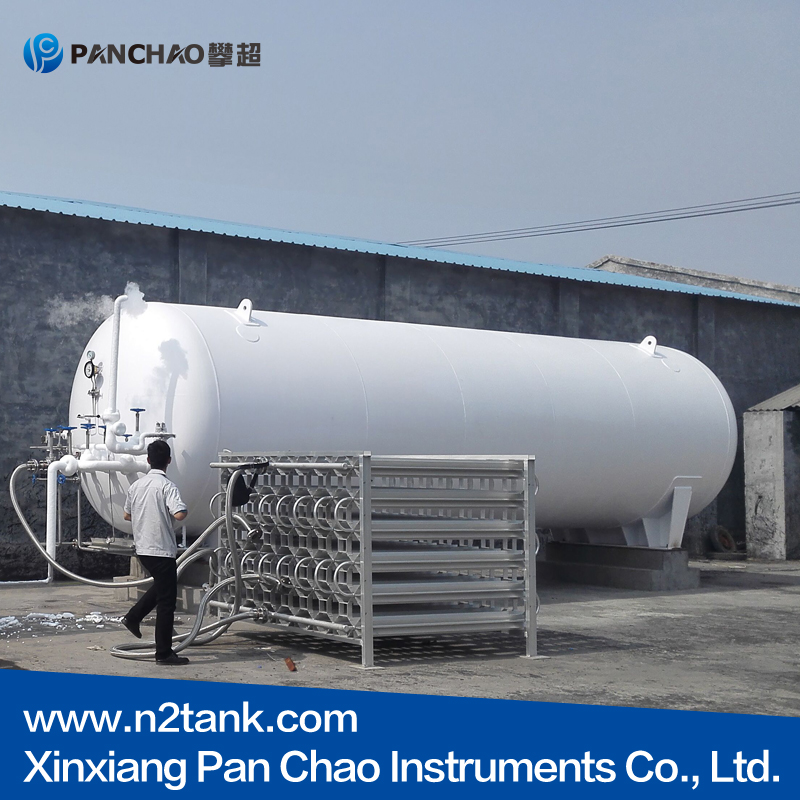
Cryogenic Liquid Tanks are available in vertical or horizonta...[more]
- 2vertical stainless steel pressu
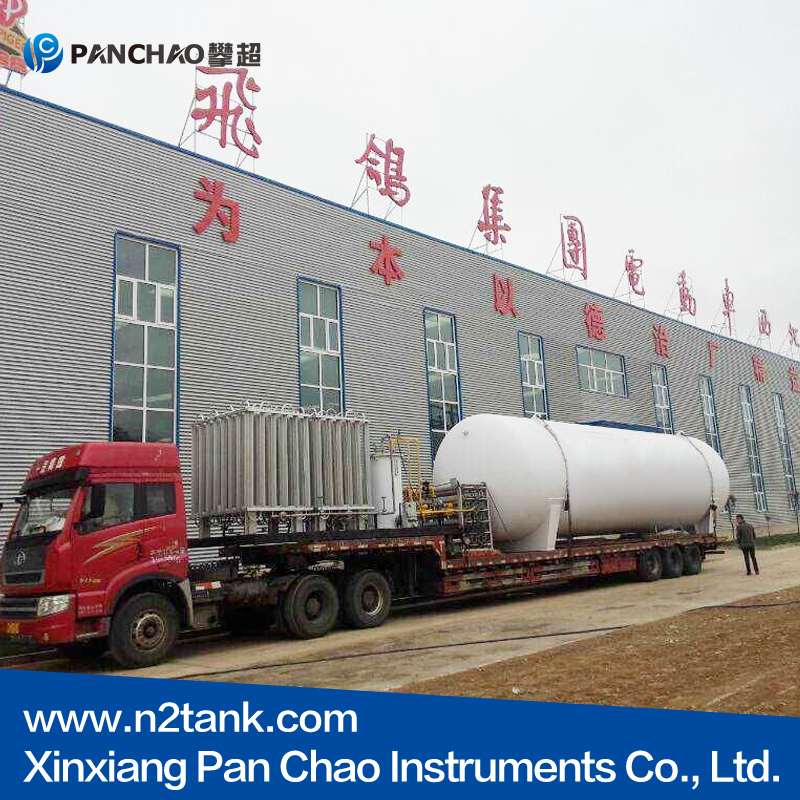
Cryogenic Liquid Tanks are available in vertical or horizonta...[more]
- 310 cubic meters cryogenic Liqui
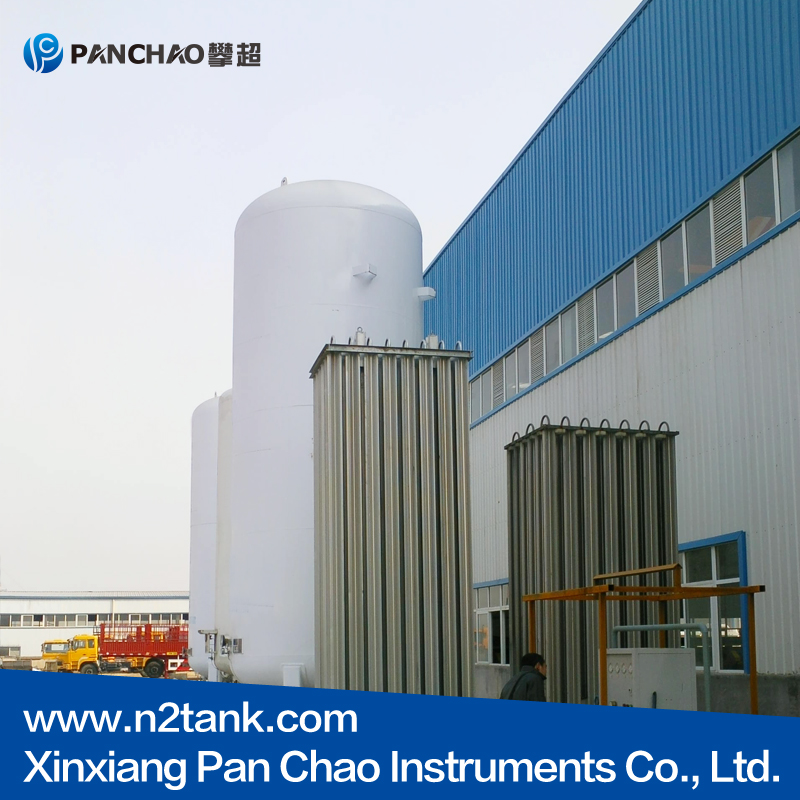
Cryogenic Liquid Tanks are available in vertical or horizonta...[more]
- 4GB150 pressure vessels cryogeni
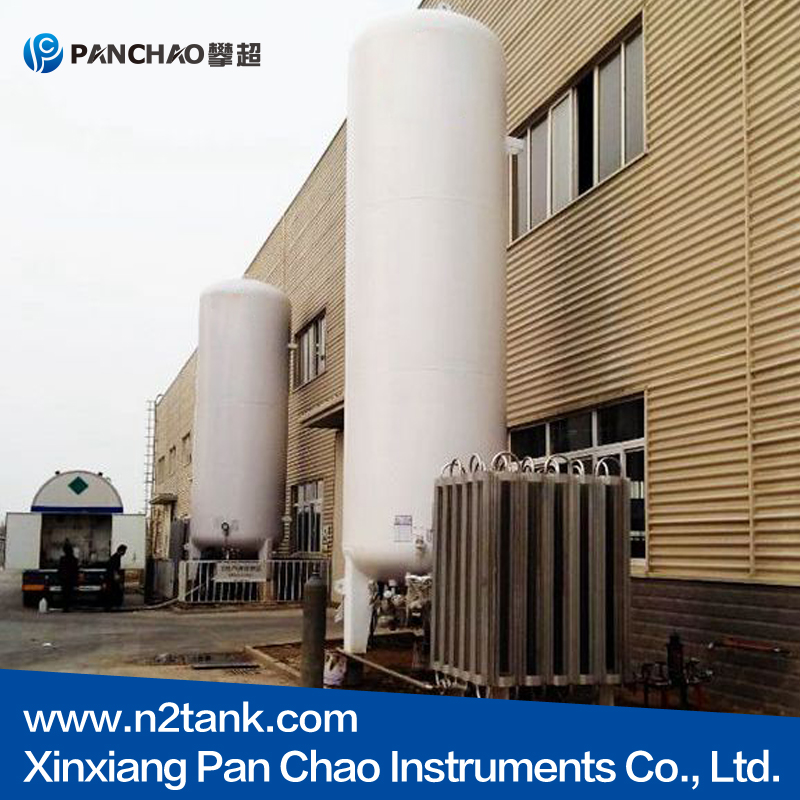
Cryogenic Liquid Tanks are available in vertical or horizonta...[more]
- 5New double Vertical cryogenic L
Cryogenic Liquid Tanks are available in vertical or horizonta...[more]
Rankings Of Similar Articles
- Detailed Explanation of the Glass Tube Bending Process
- Is Frost on the Outside of a Liquid Nitrogen Container Normal
- Impact of Ambient Temperature on the Evaporation Rate of Liqu
- Impact of Ambient Temperature on the Evaporation Rate of Liqu
- Long-Term Sample Storage in Liquid Nitrogen Tanks: Key Consid
- Why Are Multi-Layer Reflective Shields Used in the Vacuum Lay
- How Does the Insulation Principle of Liquid Nitrogen Containe
- Key Control Points in the Vacuum Pumping Process of Liquid Ni
- Why Is the Internal Support Structure of a Liquid Nitrogen Co
- Why Does the Evaporation Rate of Liquid Nitrogen Containers I
Latest Information
- Does Frost on the Outside of a Liquid Nitrogen Tank Always In
- Why Liquid Nitrogen Dewars Should Not Be Stored Empty Long-Te
- How to Understand the Static Evaporation Rate of a Liquid Nit
- Aluminum Alloy vs. Stainless Steel Liquid Nitrogen Tanks: Adv
- The Cooling Principle of Liquid Nitrogen Tanks: How Do They M
- The Vacuum Layer in Liquid Nitrogen Tanks: Invisible but Esse
- Holiday Notice
- Storage Environment Requirements for Liquid Nitrogen Tanks: T
- Hot sale thawing cup
- Storage of liquid nitrogen tank
