
Detailed Explanation of the Glass Tube Bending Process
Glass tube bending is a precision forming process widely used in laboratory equipment, industrial fluid systems, lighting components, medical devices, and custom glass assemblies. By heating and reshaping straight tubes into specific angles or curves, manufacturers create components that improve flow paths, save space, and meet structural requirements. High-quality bending depends on careful control of temperature, geometry, wall thickness, and cooling conditions.
1. Material Selection
The first step is choosing the correct glass type based on application needs:
- Borosilicate glass – common for laboratory and industrial use due to thermal and chemical resistance
- Quartz glass – used for high-temperature or optical applications
- Soda-lime glass – used in less demanding environments
Different materials have different softening temperatures and forming behaviors.
2. Heating Stage
The tube is heated locally at the intended bending area using:
- Gas flame burners
- Electric heating furnaces
- Infrared heating systems
The goal is to raise the glass to a workable softening range without overheating. Uniform heating is critical. Uneven temperature can cause wall collapse, distortion, or internal stress.
3. Bending and Forming
Once softened, the tube is bent to the required angle or radius using:
- Manual forming tools
- Mandrels or internal supports
- Mechanical bending fixtures
- CNC glass forming systems for high consistency
During bending, operators must control:
- Bend radius
- Angle accuracy
- Roundness retention
- Wall thickness uniformity
If bent too sharply, the inner wall may wrinkle and the outer wall may thin excessively.
4. Diameter and Wall Protection
To prevent deformation, some processes use:
- Internal air pressure
- Mandrels
- Rotational forming during heating
These methods help preserve circular cross-section and smooth flow characteristics.
5. Annealing and Controlled Cooling
After shaping, the tube must undergo annealing. This controlled cooling process removes residual internal stress created during heating and forming. Without proper annealing, the bent area may crack later during service.
6. Finishing and Inspection
Post-processing may include:
- End cutting and polishing
- Dimensional inspection
- Visual checks for bubbles or distortion
- Stress inspection with polarized light
- Leak or pressure testing if required
Common Challenges
- Oval deformation
- Wall thinning at outer radius
- Surface devitrification from overheating
- Stress cracks from poor cooling
- Inconsistent bend angles
Good bending is not just shaping glass—it is controlling stress, geometry, and quality at every step.
Relevant Information
- The Key Role of Liquid Nitrogen Containers in Biological Sample Transportation
- Is Frost on the Outside of a Liquid Nitrogen Container Normal?
- Impact of Ambient Temperature on the Evaporation Rate of Liquid Nitrogen Contai
- Impact of Ambient Temperature on the Evaporation Rate of Liquid Nitrogen Contai
- Why Are Multi-Layer Reflective Shields Used in the Vacuum Layer of Liquid Nitro
- How Does the Insulation Principle of Liquid Nitrogen Containers Differ from Tra
- Key Control Points in the Vacuum Pumping Process of Liquid Nitrogen Containers
- Why Is the Internal Support Structure of a Liquid Nitrogen Container So Importa
- Why Does the Evaporation Rate of Liquid Nitrogen Containers Increase After Long
- How to Evaluate Liquid Nitrogen Evaporation Using the Weighing Method
Latest Products
- 110m3 double wall cryogenic Liqu
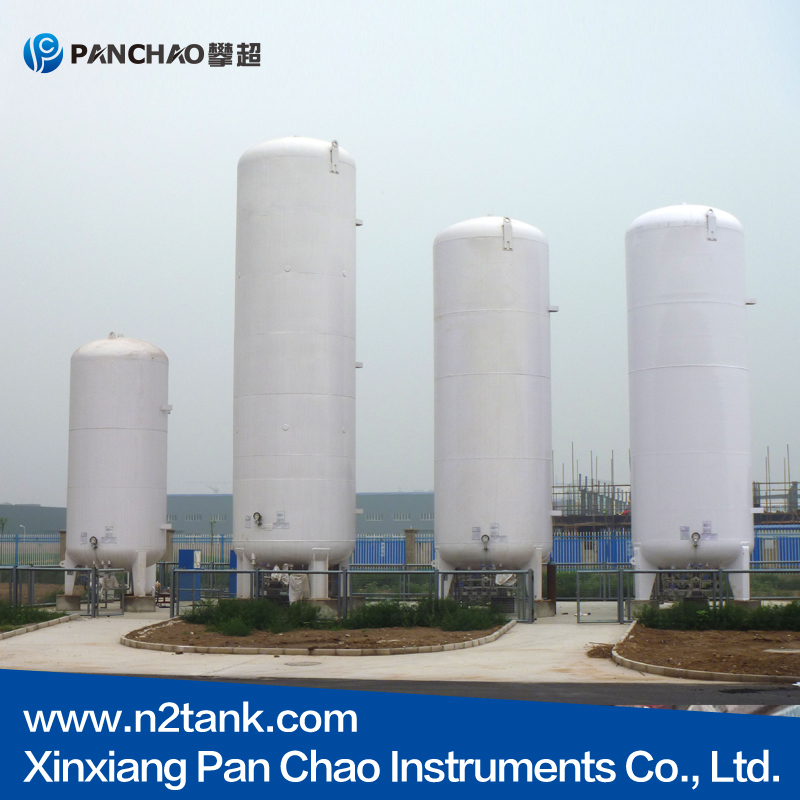
Cryogenic Liquid Tanks are available in vertical or horizonta...[more]
- 2vertical stainless steel pressu
Cryogenic Liquid Tanks are available in vertical or horizonta...[more]
- 310 cubic meters cryogenic Liqui
Cryogenic Liquid Tanks are available in vertical or horizonta...[more]
- 4GB150 pressure vessels cryogeni
Cryogenic Liquid Tanks are available in vertical or horizonta...[more]
- 5New double Vertical cryogenic L
Cryogenic Liquid Tanks are available in vertical or horizonta...[more]
Rankings Of Similar Articles
- The Key Role of Liquid Nitrogen Containers in Biological Samp
- Is Frost on the Outside of a Liquid Nitrogen Container Normal
- Impact of Ambient Temperature on the Evaporation Rate of Liqu
- Impact of Ambient Temperature on the Evaporation Rate of Liqu
- Why Are Multi-Layer Reflective Shields Used in the Vacuum Lay
- How Does the Insulation Principle of Liquid Nitrogen Containe
- Key Control Points in the Vacuum Pumping Process of Liquid Ni
- Why Is the Internal Support Structure of a Liquid Nitrogen Co
- Why Does the Evaporation Rate of Liquid Nitrogen Containers I
- How to Evaluate Liquid Nitrogen Evaporation Using the Weighin
Latest Information
- Does Frost on the Outside of a Liquid Nitrogen Tank Always In
- Why Liquid Nitrogen Dewars Should Not Be Stored Empty Long-Te
- How to Understand the Static Evaporation Rate of a Liquid Nit
- Aluminum Alloy vs. Stainless Steel Liquid Nitrogen Tanks: Adv
- The Cooling Principle of Liquid Nitrogen Tanks: How Do They M
- The Vacuum Layer in Liquid Nitrogen Tanks: Invisible but Esse
- Holiday Notice
- Storage Environment Requirements for Liquid Nitrogen Tanks: T
- Hot sale thawing cup
- Storage of liquid nitrogen tank
