
Can a Liquid Nitrogen Container Still Be Used After Being Dropped?
Risk Assessment Guide
A liquid nitrogen container may appear undamaged after a fall, but internal performance can still be compromised. Because these containers rely on a precision vacuum insulation structure, impacts can damage hidden components even when the outer shell looks normal. Whether it can continue to be used depends on the severity of the drop and the results of a careful inspection.
Why a Drop Is Serious
Liquid nitrogen containers typically contain:
- Inner vessel for cryogenic storage
- Outer protective shell
- High-vacuum insulation layer
- Neck tube support structure
- Welded sealing joints
A drop can affect any of these systems. Damage may not always be visible immediately.
Immediate Risks After a Fall
1. Vacuum Layer Damage
Impact may crack welds or weaken the vacuum space. If vacuum integrity is lost, evaporation rate can rise sharply.
2. Neck Tube Misalignment
The neck is a critical structural and thermal component. A drop may deform it, affecting lid fit and increasing heat leakage.
3. Internal Support Damage
The inner vessel may shift or internal supports may loosen, creating long-term structural instability.
4. Shell Deformation
Dents or distortion may indicate energy transfer severe enough to damage internal components.
What to Check Immediately
After a drop, inspect for:
- Dents, cracks, deep scratches
- Loose lid or neck deformation
- Unusual rattling sounds when moved carefully
- Frost forming on side walls
- Sudden increase in nitrogen consumption
- Tilting or unstable standing position
Can It Still Be Used?
Possibly yes, if:
- The drop was minor
- No visible damage exists
- No abnormal frosting occurs
- Evaporation performance remains normal
- Neck opening and lid alignment are unchanged
Use with caution or stop using, if:
- Frost appears on body walls
- Holding time decreases noticeably
- Structural dents are significant
- Neck tube is damaged
- Container becomes unstable or noisy internally
Best Practice: Monitor Performance
The most practical test is to observe evaporation rate and holding time over the next usage cycle. A sudden increase often indicates hidden insulation damage.
Important Warning
Do not continue using a damaged container for critical biological samples or high-value materials until performance is verified.
Prevention Tips
- Use carts or proper lifting methods
- Avoid dragging or rolling improperly
- Secure during transport
- Keep on stable surfaces
A dropped container may look fine outside—but performance is decided inside.
Relevant Information
- Is the Temperature Distribution Inside a Liquid Nitrogen Container Uniform?
- The Key Role of Liquid Nitrogen Containers in Biological Sample Transportation
- Comparison of Application Scenarios for Different Liquid Nitrogen Container Cap
- Is Frost on the Outside of a Liquid Nitrogen Container Normal?
- Why Can’t Liquid Nitrogen Containers Be Fully Sealed?
- How to Evaluate Liquid Nitrogen Container Performance Through Evaporation Rate
- Safety Redundancy Principles in Liquid Nitrogen Container Design
- Working Principle of Multi-Layer Insulation Inside Liquid Nitrogen Containers
- Why Do Liquid Nitrogen Containers Require Regular Liquid Level Checks?
- How Structural Design Reduces Heat Conduction in Liquid Nitrogen Containers
Latest Products
- 110m3 double wall cryogenic Liqu
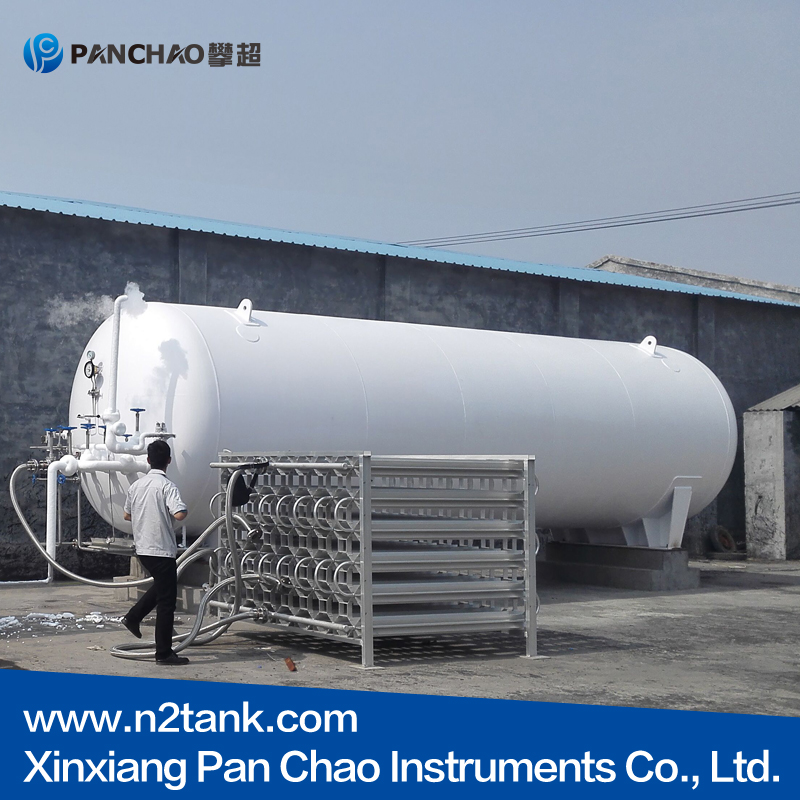
Cryogenic Liquid Tanks are available in vertical or horizonta...[more]
- 2vertical stainless steel pressu
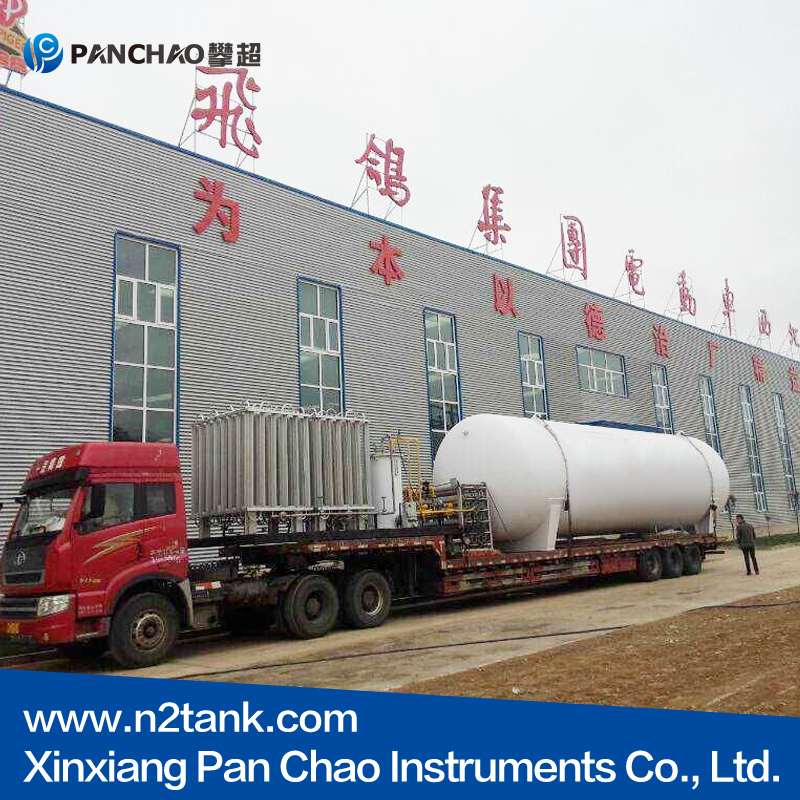
Cryogenic Liquid Tanks are available in vertical or horizonta...[more]
- 310 cubic meters cryogenic Liqui
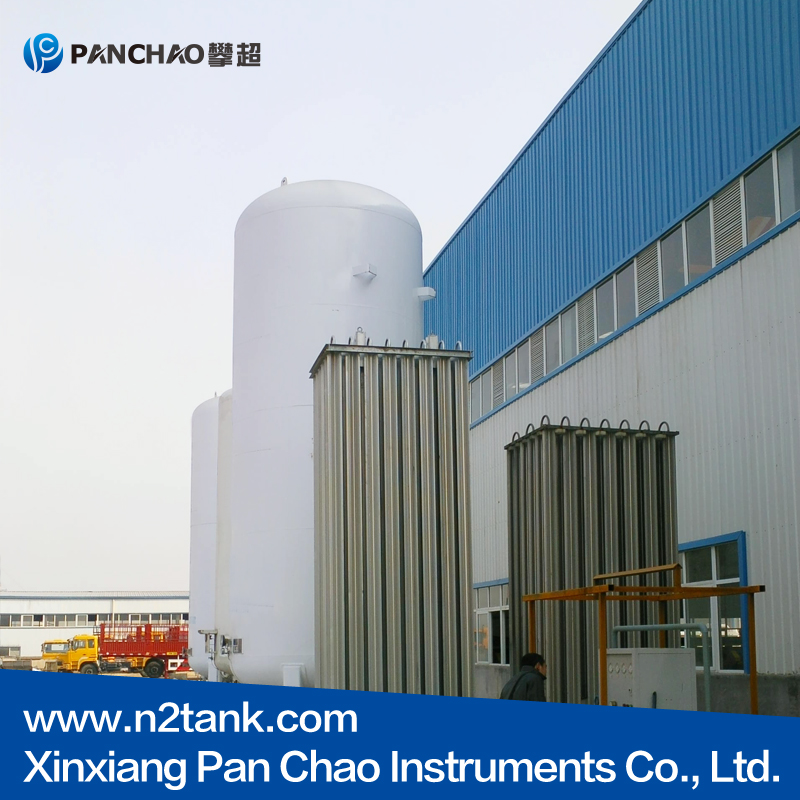
Cryogenic Liquid Tanks are available in vertical or horizonta...[more]
- 4GB150 pressure vessels cryogeni
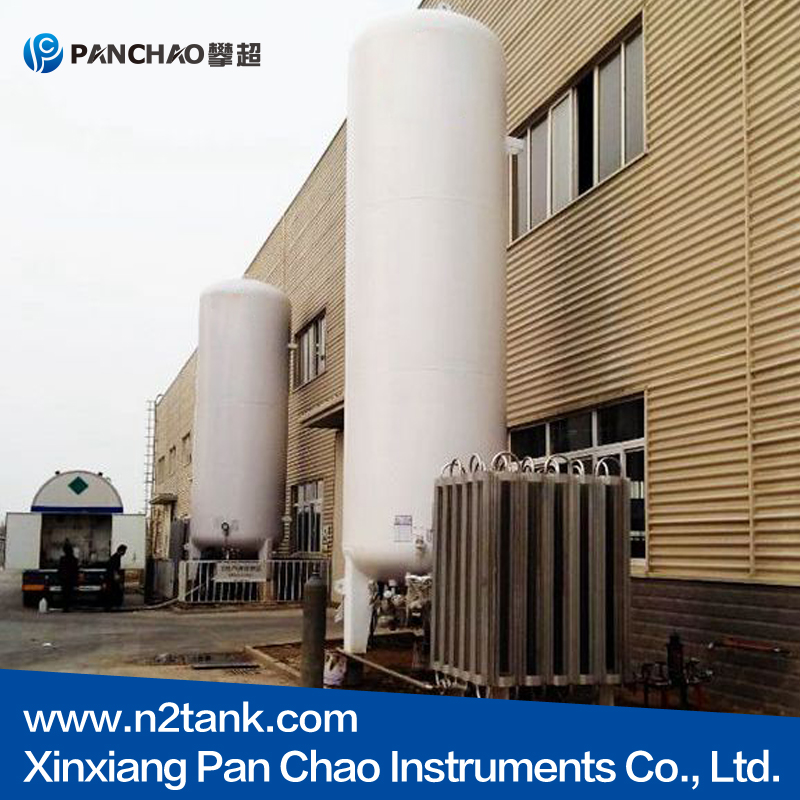
Cryogenic Liquid Tanks are available in vertical or horizonta...[more]
- 5New double Vertical cryogenic L
Cryogenic Liquid Tanks are available in vertical or horizonta...[more]
Rankings Of Similar Articles
- Is the Temperature Distribution Inside a Liquid Nitrogen Cont
- The Key Role of Liquid Nitrogen Containers in Biological Samp
- Comparison of Application Scenarios for Different Liquid Nitr
- Is Frost on the Outside of a Liquid Nitrogen Container Normal
- Why Can’t Liquid Nitrogen Containers Be Fully Sealed?
- How to Evaluate Liquid Nitrogen Container Performance Through
- Safety Redundancy Principles in Liquid Nitrogen Container Des
- Working Principle of Multi-Layer Insulation Inside Liquid Nit
- Why Do Liquid Nitrogen Containers Require Regular Liquid Leve
- How Structural Design Reduces Heat Conduction in Liquid Nitro
Latest Information
- Does Frost on the Outside of a Liquid Nitrogen Tank Always In
- Why Liquid Nitrogen Dewars Should Not Be Stored Empty Long-Te
- How to Understand the Static Evaporation Rate of a Liquid Nit
- Aluminum Alloy vs. Stainless Steel Liquid Nitrogen Tanks: Adv
- The Cooling Principle of Liquid Nitrogen Tanks: How Do They M
- The Vacuum Layer in Liquid Nitrogen Tanks: Invisible but Esse
- Holiday Notice
- Storage Environment Requirements for Liquid Nitrogen Tanks: T
- Hot sale thawing cup
- Storage of liquid nitrogen tank
