
Why Do Liquid Nitrogen Containers Require Regular Liquid Level Checks?
Regularly checking the liquid level in a liquid nitrogen container is not just routine maintenance—it is essential for ensuring sample safety, operational reliability, and equipment performance. Because liquid nitrogen continuously evaporates, the internal level is constantly changing, making monitoring a critical practice.
The most important reason is protecting stored samples. Many applications—such as biobanking, medical storage, and laboratory research—require samples to remain at ultra-low temperatures. If the liquid nitrogen level drops too low, samples may be exposed to higher temperatures, leading to degradation, loss of viability, or complete damage.
Another key factor is preventing unexpected depletion. Liquid nitrogen evaporates naturally even under ideal insulation conditions. Without regular checks, users may not notice abnormal consumption caused by issues such as vacuum degradation or structural damage. Monitoring liquid levels helps detect early signs of performance problems.
Liquid level checks also support operational planning. By understanding the evaporation rate and consumption pattern, users can schedule timely refilling and avoid interruptions. This is especially important in continuous-use environments where stable temperature conditions must be maintained.
In addition, regular monitoring enhances safety management. Extremely low liquid levels can increase the risk of temperature fluctuations and may lead to unstable internal conditions. Ensuring sufficient liquid nitrogen helps maintain a consistent cryogenic environment.
Another practical reason is equipment condition assessment. If the liquid level decreases faster than expected, it may indicate issues such as vacuum loss, neck tube damage, or sealing problems. Early detection allows for timely maintenance and prevents more serious failures.
For accurate monitoring, users may use manual measurement methods (such as dipsticks) or automated level sensors in advanced systems. Regardless of the method, consistency in checking frequency is key.
Stable storage starts with consistent monitoring.
Relevant Information
- Working Principle of Multi-Layer Insulation Inside Liquid Nitrogen Containers
- How Structural Design Reduces Heat Conduction in Liquid Nitrogen Containers
- Applications of Liquid Nitrogen Containers in Vaccine and Bioproduct Transporta
- Impact of Ambient Temperature on the Evaporation Rate of Liquid Nitrogen Contai
- Impact of Ambient Temperature on the Evaporation Rate of Liquid Nitrogen Contai
- Long-Term Sample Storage in Liquid Nitrogen Tanks: Key Considerations
- Why Do Liquid Nitrogen Containers Require Strict Sealing and Welding Processes?
- Engineering Design Logic of Internal Canister Structures in Liquid Nitrogen Con
- Why Are Multi-Layer Reflective Shields Used in the Vacuum Layer of Liquid Nitro
- Relationship Between Liquid Nitrogen Container Capacity and Evaporation Rate

Latest Products
- 110m3 double wall cryogenic Liqu
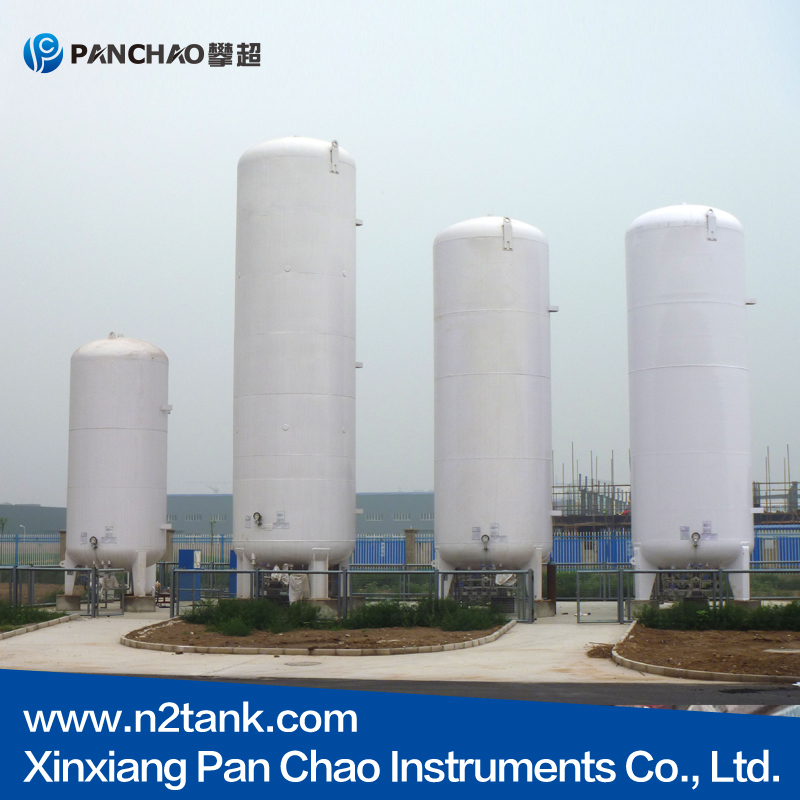
Cryogenic Liquid Tanks are available in vertical or horizonta...[more]
- 2vertical stainless steel pressu
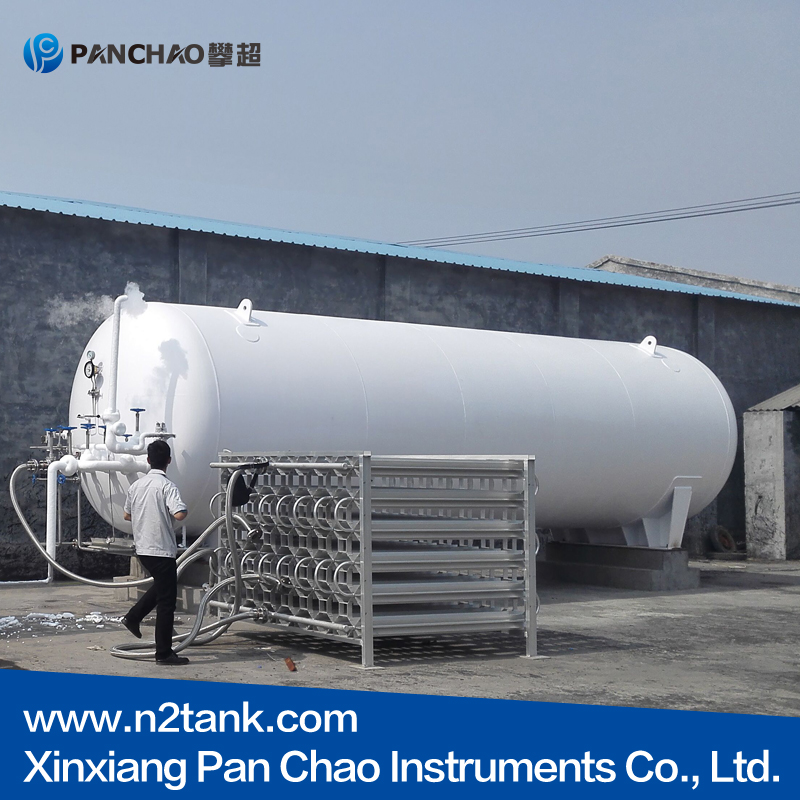
Cryogenic Liquid Tanks are available in vertical or horizonta...[more]
- 310 cubic meters cryogenic Liqui
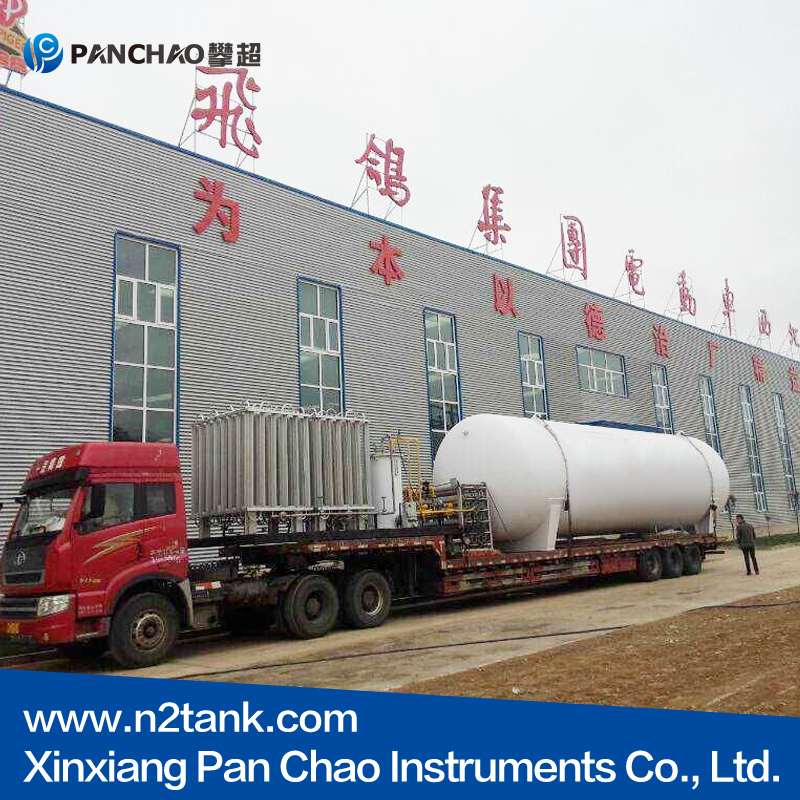
Cryogenic Liquid Tanks are available in vertical or horizonta...[more]
- 4GB150 pressure vessels cryogeni
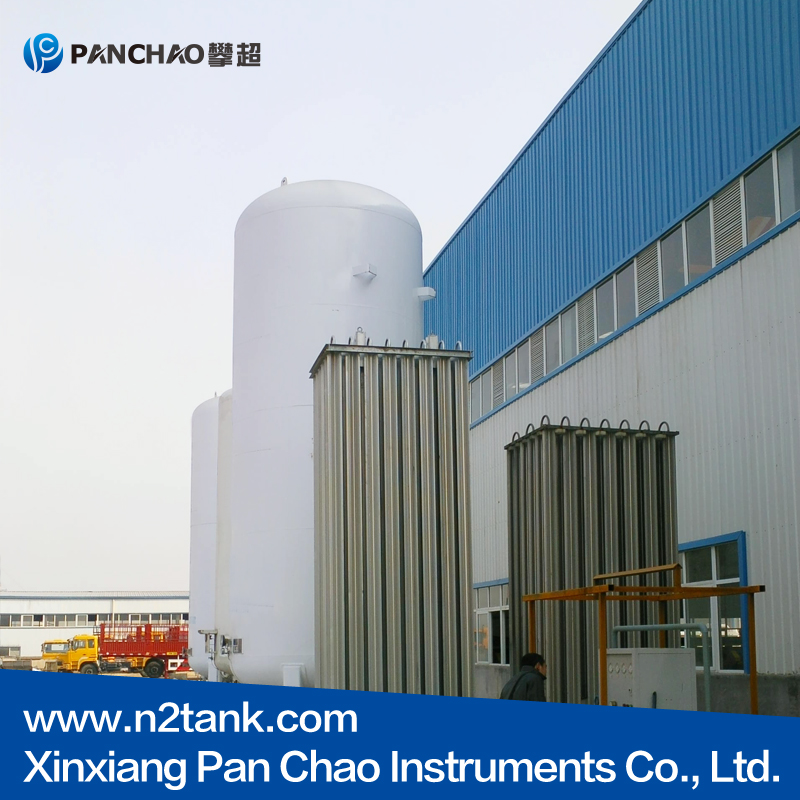
Cryogenic Liquid Tanks are available in vertical or horizonta...[more]
- 5New double Vertical cryogenic L
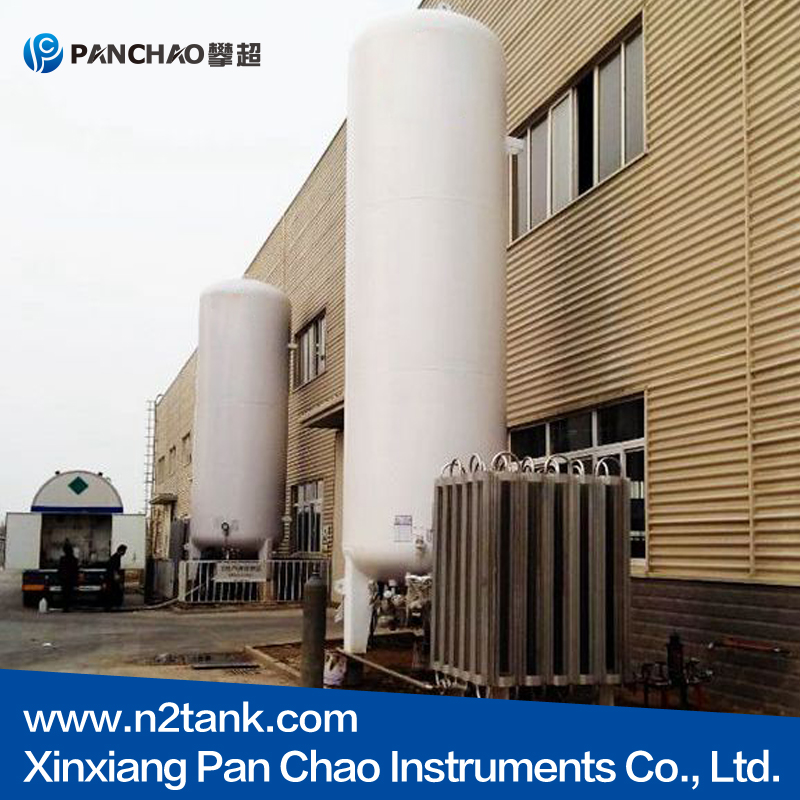
Cryogenic Liquid Tanks are available in vertical or horizonta...[more]
Rankings Of Similar Articles
- Working Principle of Multi-Layer Insulation Inside Liquid Nit
- How Structural Design Reduces Heat Conduction in Liquid Nitro
- Applications of Liquid Nitrogen Containers in Vaccine and Bio
- Impact of Ambient Temperature on the Evaporation Rate of Liqu
- Impact of Ambient Temperature on the Evaporation Rate of Liqu
- Long-Term Sample Storage in Liquid Nitrogen Tanks: Key Consid
- Why Do Liquid Nitrogen Containers Require Strict Sealing and
- Engineering Design Logic of Internal Canister Structures in L
- Why Are Multi-Layer Reflective Shields Used in the Vacuum Lay
- Relationship Between Liquid Nitrogen Container Capacity and E
Latest Information
- Does Frost on the Outside of a Liquid Nitrogen Tank Always In
- Why Liquid Nitrogen Dewars Should Not Be Stored Empty Long-Te
- How to Understand the Static Evaporation Rate of a Liquid Nit
- Aluminum Alloy vs. Stainless Steel Liquid Nitrogen Tanks: Adv
- The Cooling Principle of Liquid Nitrogen Tanks: How Do They M
- The Vacuum Layer in Liquid Nitrogen Tanks: Invisible but Esse
- Holiday Notice
- Storage Environment Requirements for Liquid Nitrogen Tanks: T
- Hot sale thawing cup
- Storage of liquid nitrogen tank
