
How to Extend the Actual Service Life of a Liquid Nitrogen Tank
A liquid nitrogen tank is a significant investment, but its actual service life depends far more on daily care and maintenance than on the manufacturer alone. While quality tanks are built to last, proper handling and regular upkeep can mean the difference between a tank that serves reliably for a decade and one that fails prematurely. Here is a comprehensive guide to maximizing your tank's longevity.
Handle with Care to Protect the Vacuum
The tank's insulation relies entirely on the high vacuum between its double walls. Any damage to this vacuum will drastically shorten its life. Always handle the tank gently, avoiding impacts, drops, or rough treatment. When moving it, lift with both handles to keep it level and never drag it across the floor.
Even minor dents are a serious concern. A dent can compress the insulation material or damage the inner vessel, creating a thermal bridge that allows heat to enter. If you notice frost or ice forming on the outer shell, it is a clear warning sign that the vacuum has been compromised.
Maintain Proper Storage Conditions
Where you store the tank matters as much as how you handle it. Place it in a clean, dry, and well-ventilated area, away from direct sunlight, heat sources, and corrosive chemicals. Avoid storing it directly on concrete, as abrasion and moisture accumulation can corrode the bottom. A wooden or composite platform provides better protection.
Monitor and Refill Liquid Nitrogen Regularly
Liquid nitrogen evaporates continuously, even in a perfect tank. Check the level at least weekly using a wooden or plastic dipstick. The rule of thumb is to refill when the liquid drops to about one-third of the total capacity. This prevents the tank from warming up and ensures samples remain protected. If you notice nitrogen consumption accelerating without reason, it is a sign that the tank's insulation is failing.
Keep It Clean and Dry
Moisture is one of the biggest enemies of a liquid nitrogen tank. When cleaning the exterior, use only a mild soap and water, and avoid getting any water into the neck tube or on the plug. If the plug becomes wet, let it dry thoroughly before reinserting; otherwise, it can freeze and cause damage.
The interior should be cleaned annually, or whenever the tank is emptied and warmed. Use warm water not exceeding 40°C and allow it to dry completely before refilling. Residual moisture will freeze at -196°C and can damage the inner vessel.
Use Accessories Correctly
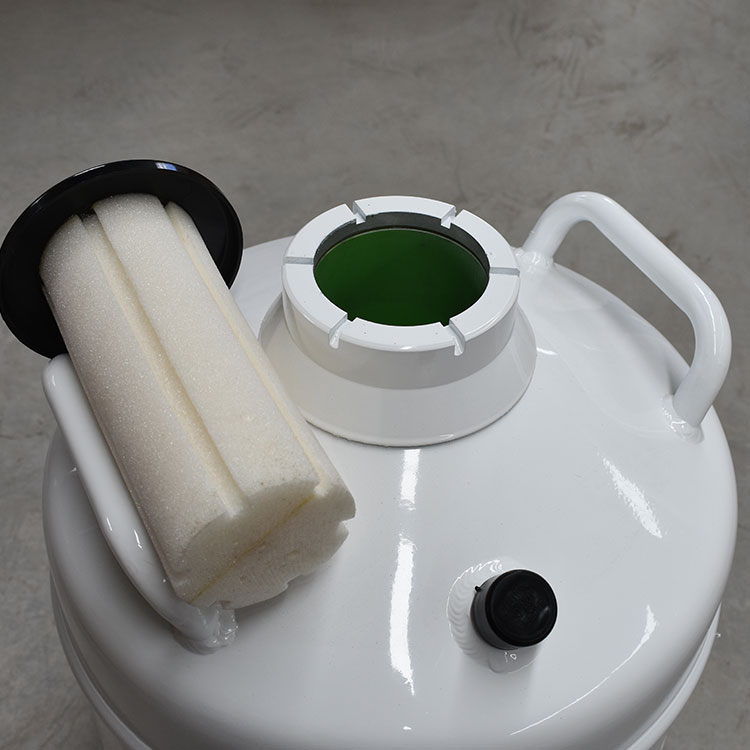
The neck plug is a critical component. Keep it in good condition and ensure it fits properly. A loose or damaged plug allows warm air to enter and accelerates nitrogen evaporation. When retrieving samples, keep the opening time to a minimum and avoid fully removing the canisters unless necessary.
Schedule Professional Maintenance
Over time, the vacuum may degrade due to seal aging or material micro-cracks. While a high-quality tank can maintain vacuum for 3 to 5 years or more, professional re-evacuation may be required if performance drops. This is a job for the manufacturer or a certified technician. Also, replace seals, O-rings, and other wear parts as recommended.
The Bottom Line
Extending a liquid nitrogen tank's service life is a matter of consistent care. By handling it gently, storing it properly, monitoring nitrogen levels, keeping it clean, and addressing issues early, you can ensure that your tank remains reliable for many years. Remember, a neglected tank may fail in just a few years, while a well-maintained one can serve for a decade or more.
Relevant Information
- How to Maintain a Liquid Nitrogen Tank During Idle Periods
- The Importance of Liquid Nitrogen Tank Usage Record Management
- The Importance of Liquid Nitrogen Tank Usage Record Management
- What Is the Appropriate Cleaning and Maintenance Cycle for Liquid Nitrogen Tank
- How to Avoid Cross-Contamination of Samples in Liquid Nitrogen Tanks
- How Base Design Affects Liquid Nitrogen Tank Stability
- How Weld Quality Affects Liquid Nitrogen Tank Service Life
- LN₂ Tank Inner Vessel Manufacturing Process Explained
- LN₂ Tank Annular Structure: The Secret to Low Evaporation Rates
- Why Does Vacuum Degree Determine LN₂ Tank Thermal Performance?
Latest Products
- 110m3 double wall cryogenic Liqu
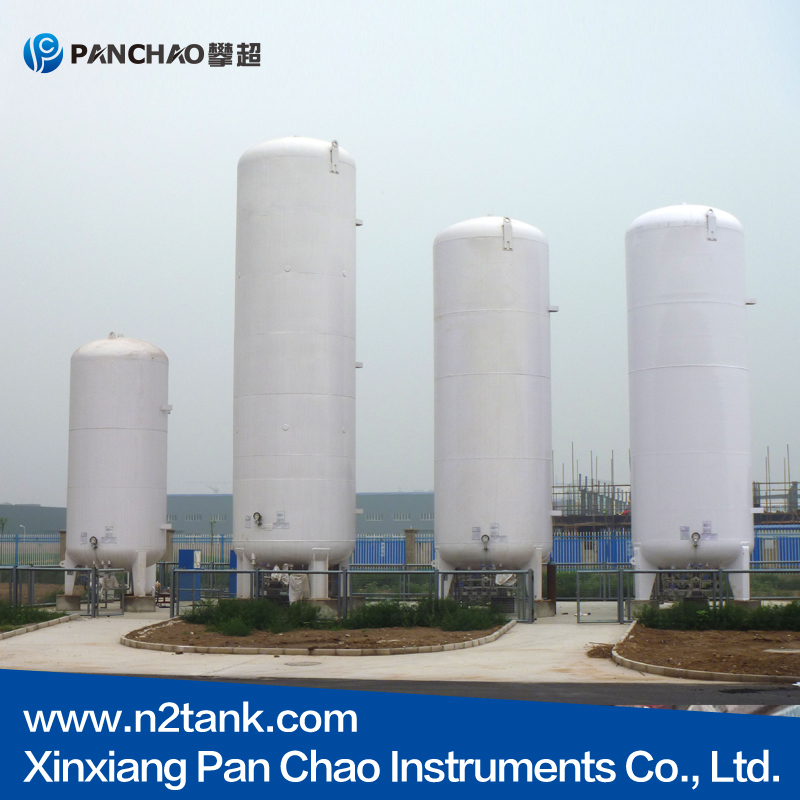
Cryogenic Liquid Tanks are available in vertical or horizonta...[more]
- 2vertical stainless steel pressu
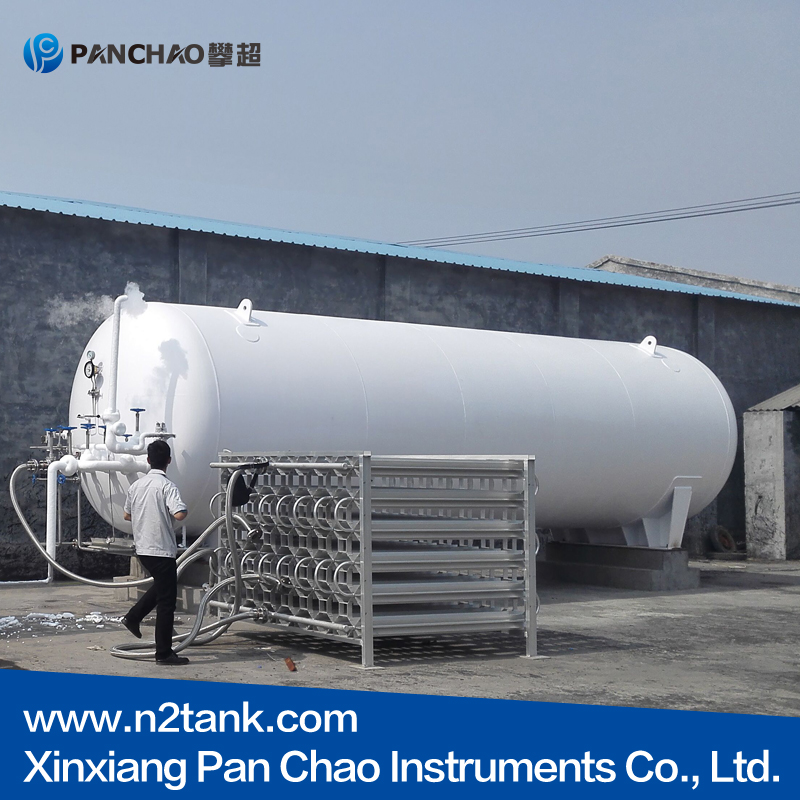
Cryogenic Liquid Tanks are available in vertical or horizonta...[more]
- 310 cubic meters cryogenic Liqui
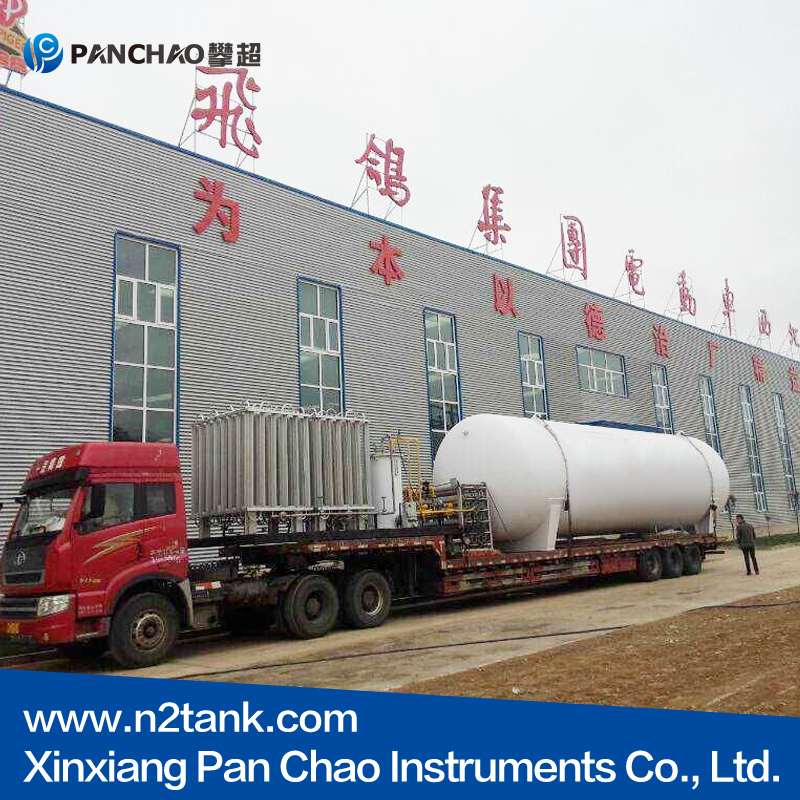
Cryogenic Liquid Tanks are available in vertical or horizonta...[more]
- 4GB150 pressure vessels cryogeni
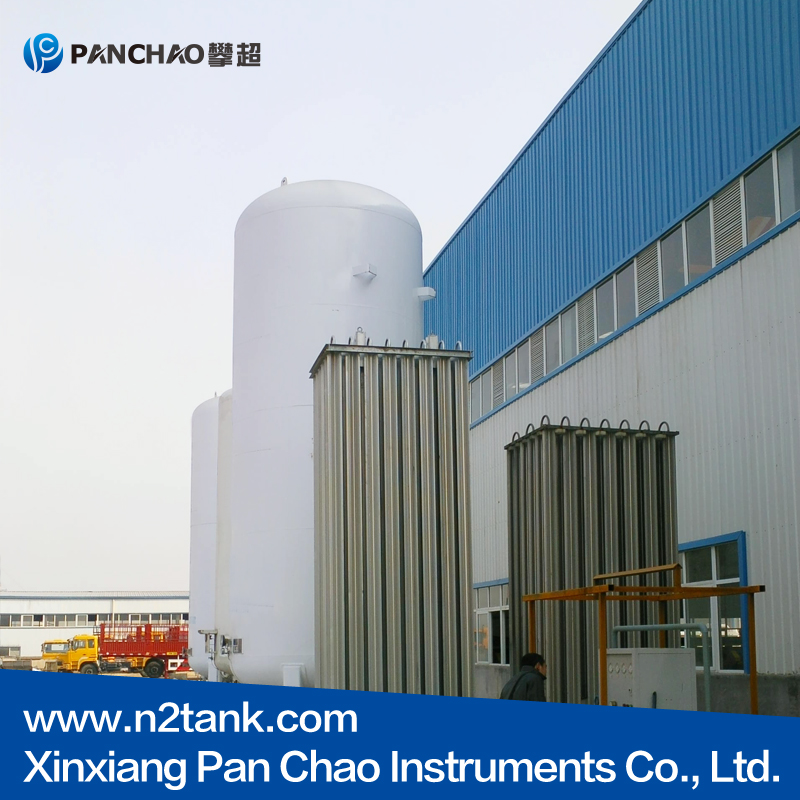
Cryogenic Liquid Tanks are available in vertical or horizonta...[more]
- 5New double Vertical cryogenic L
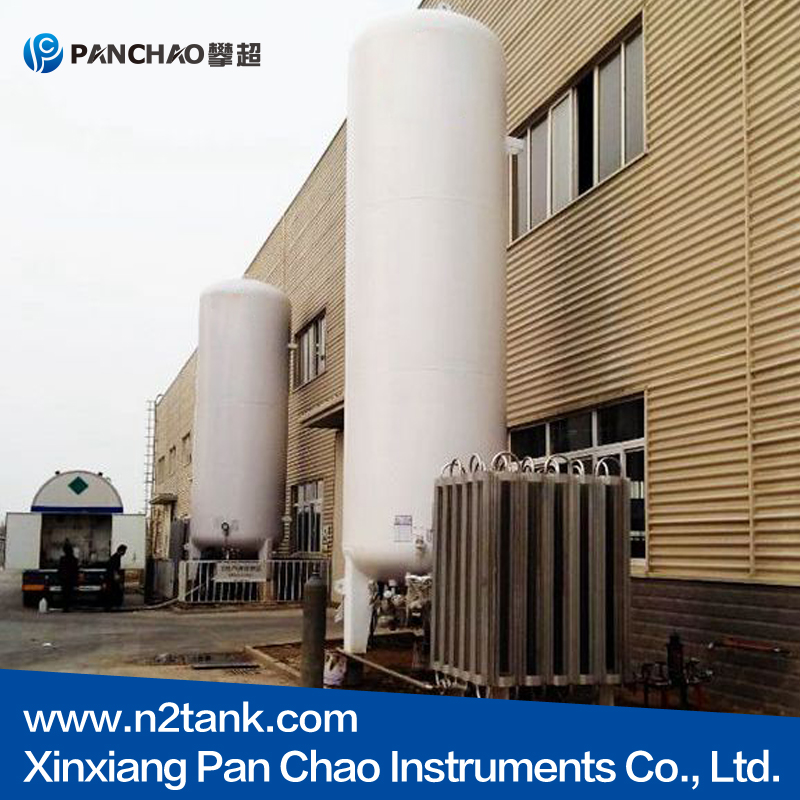
Cryogenic Liquid Tanks are available in vertical or horizonta...[more]
Rankings Of Similar Articles
- How to Maintain a Liquid Nitrogen Tank During Idle Periods
- The Importance of Liquid Nitrogen Tank Usage Record Managemen
- The Importance of Liquid Nitrogen Tank Usage Record Managemen
- What Is the Appropriate Cleaning and Maintenance Cycle for Li
- How to Avoid Cross-Contamination of Samples in Liquid Nitroge
- How Base Design Affects Liquid Nitrogen Tank Stability
- How Weld Quality Affects Liquid Nitrogen Tank Service Life
- LN₂ Tank Inner Vessel Manufacturing Process Explained
- LN₂ Tank Annular Structure: The Secret to Low Evaporation R
- Why Does Vacuum Degree Determine LN₂ Tank Thermal Performan
Latest Information
- Does Frost on the Outside of a Liquid Nitrogen Tank Always In
- Why Liquid Nitrogen Dewars Should Not Be Stored Empty Long-Te
- How to Understand the Static Evaporation Rate of a Liquid Nit
- Aluminum Alloy vs. Stainless Steel Liquid Nitrogen Tanks: Adv
- The Cooling Principle of Liquid Nitrogen Tanks: How Do They M
- The Vacuum Layer in Liquid Nitrogen Tanks: Invisible but Esse
- Holiday Notice
- Storage Environment Requirements for Liquid Nitrogen Tanks: T
- Hot sale thawing cup
- Storage of liquid nitrogen tank
