
Why Does Vacuum Degree Determine LN₂ Tank Thermal Performance?
The thermal performance of a liquid nitrogen tank hinges on one factor above all: vacuum degree. Simply put, better vacuum means better insulation. Here’s why.
How Vacuum Blocks Heat
Heat moves in three ways—conduction, convection, and radiation. A high vacuum eliminates the first two almost entirely.
In a typical LN₂ tank, the inner and outer shells form a sealed gap. When this gap is evacuated to ≤10⁻³ Pa (high vacuum), so few gas molecules remain that they can barely transfer heat by collision. Gas conduction and convection become negligible. Without this vacuum, air at atmospheric pressure would conduct heat 100 times more effectively.
Radiation is another story—vacuum alone doesn’t stop it. That’s why quality tanks add multi-layer insulation (MLI) inside the vacuum space: 20–40 alternating layers of aluminum foil and fiberglass fabric. The foil reflects infrared radiation, while the fiberglass prevents solid conduction between layers. Together, they cut radiative heat transfer by over 90%.
What Happens When Vacuum Fails?
Over time, vacuum naturally degrades due to gas permeation, seal aging, or mechanical damage. The consequences are dramatic.
A tank with full vacuum might lose just 0.3 liters of LN₂ per day. A tank with failed vacuum (back to atmospheric pressure) can lose over 30 liters daily—100 times faster. In practice, this means a tank that normally holds LN₂ for 100 days might empty in just 1–2 days.
You can spot vacuum failure without instruments. A healthy tank’s outer shell feels like room temperature. A failing tank develops frost or condensation on its exterior, especially near the bottom. You might also see cold vapor streaming from the neck, even when the lid is closed.
Protecting Your Tank’s Vacuum
Vacuum isn’t permanent—it requires care. Avoid impacts and dents, which can create “thermal bridges” by pushing the inner and outer shells together. Store the tank upright in a dry, ventilated area. Check for external frost weekly—if you find unexplained condensation, transfer samples immediately and have the tank professionally inspected.
Most manufacturers guarantee vacuum for 5 years or more. After that, tanks can often be re-evacuated or have their internal adsorbents (which trap residual gases) replaced. This service costs far less than a new tank and restores near-original performance.
The Bottom Line
Vacuum degree is the lifeline of LN₂ tank insulation. High vacuum eliminates gas-based heat transfer; multi-layer insulation handles radiation. When vacuum fails,保温性能 collapses. Choose tanks with proven vacuum longevity, handle them carefully, and monitor for external frost. Your samples depend on it.
Relevant Information
- Does the Seal Ring of a Liquid Nitrogen Container Need Replacement?
- Does the Seal Ring of a Liquid Nitrogen Container Need Replacement?
- Why Does Sight Glass Sometimes “Self-Explode”? Causes and Preventive Measur
- Why Can’t Liquid Nitrogen Containers Be Fully Sealed?
- Why Do Liquid Nitrogen Containers Require Regular Liquid Level Checks?
- Why Do Liquid Nitrogen Containers Require Strict Sealing and Welding Processes?
- Why Are Multi-Layer Reflective Shields Used in the Vacuum Layer of Liquid Nitro
- How Does the Insulation Principle of Liquid Nitrogen Containers Differ from Tra
- Key Control Points in the Vacuum Pumping Process of Liquid Nitrogen Containers
- How to Maintain Long-Term Vacuum Stability in Liquid Nitrogen Containers After
Latest Products
- 110m3 double wall cryogenic Liqu
Cryogenic Liquid Tanks are available in vertical or horizonta...[more]
- 2vertical stainless steel pressu
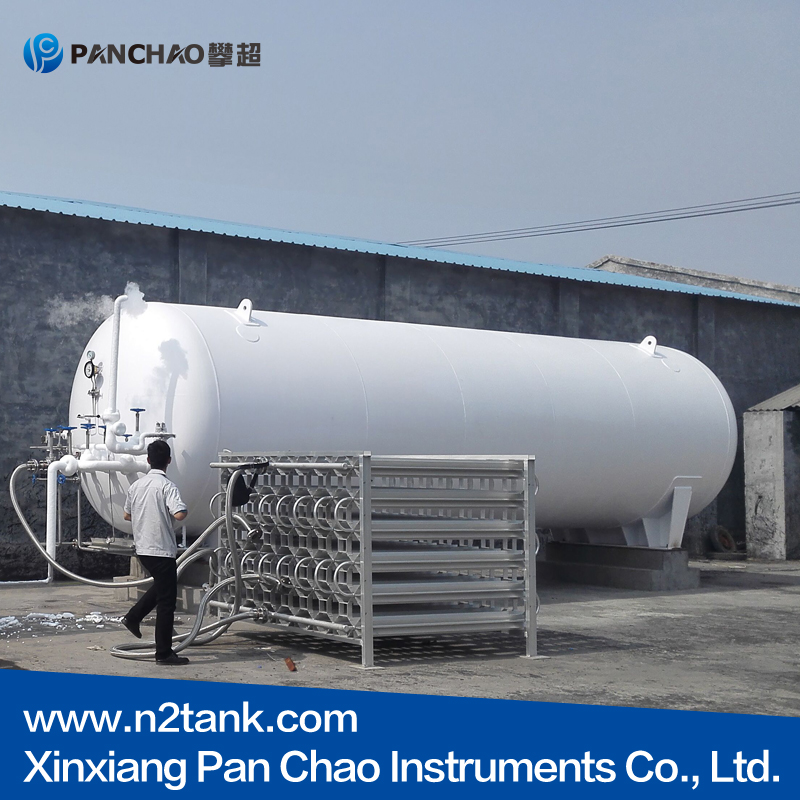
Cryogenic Liquid Tanks are available in vertical or horizonta...[more]
- 310 cubic meters cryogenic Liqui
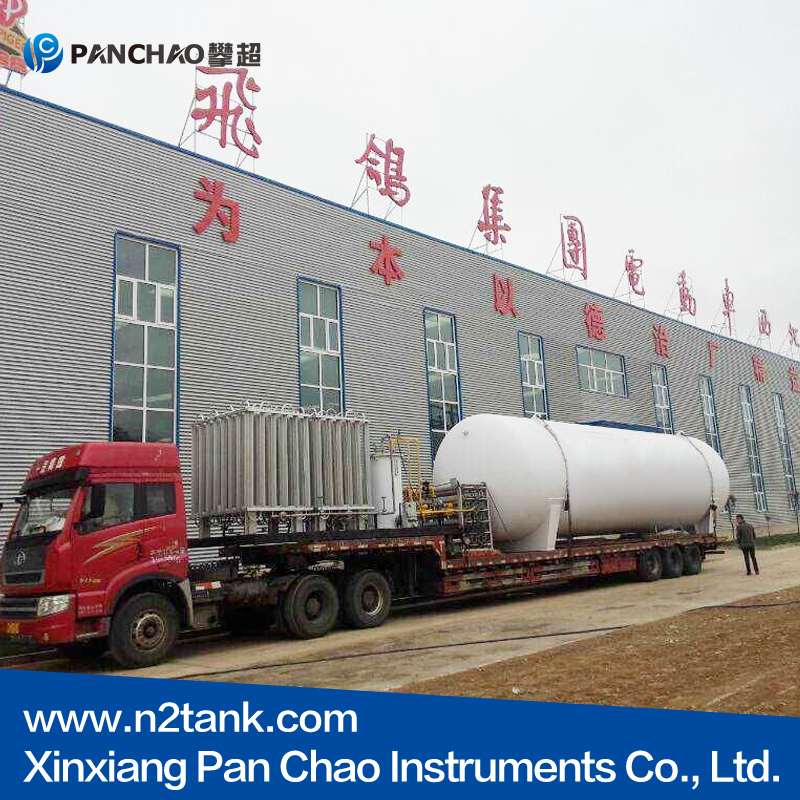
Cryogenic Liquid Tanks are available in vertical or horizonta...[more]
- 4GB150 pressure vessels cryogeni
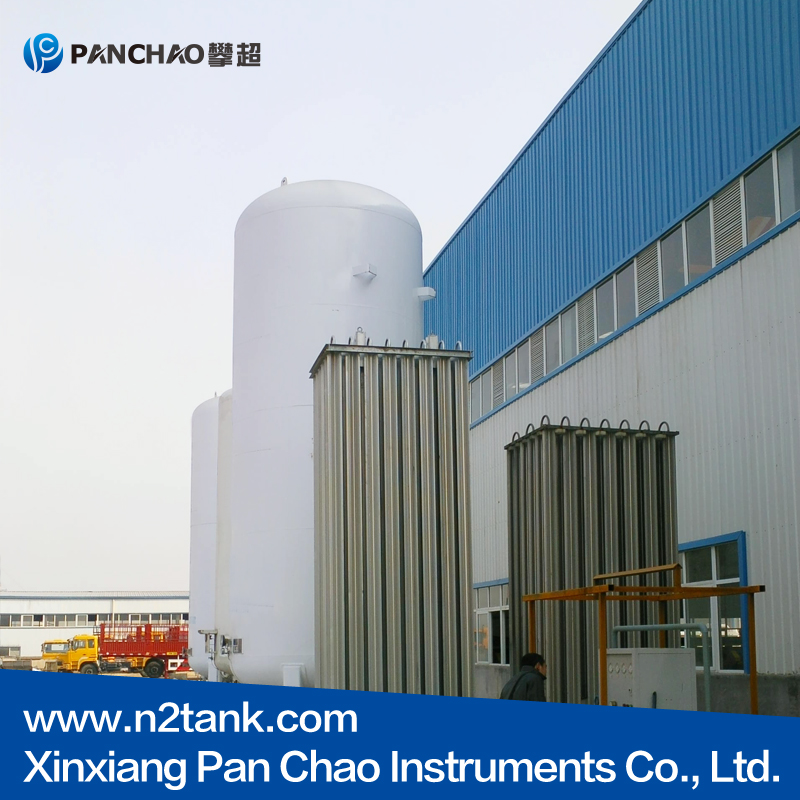
Cryogenic Liquid Tanks are available in vertical or horizonta...[more]
- 5New double Vertical cryogenic L
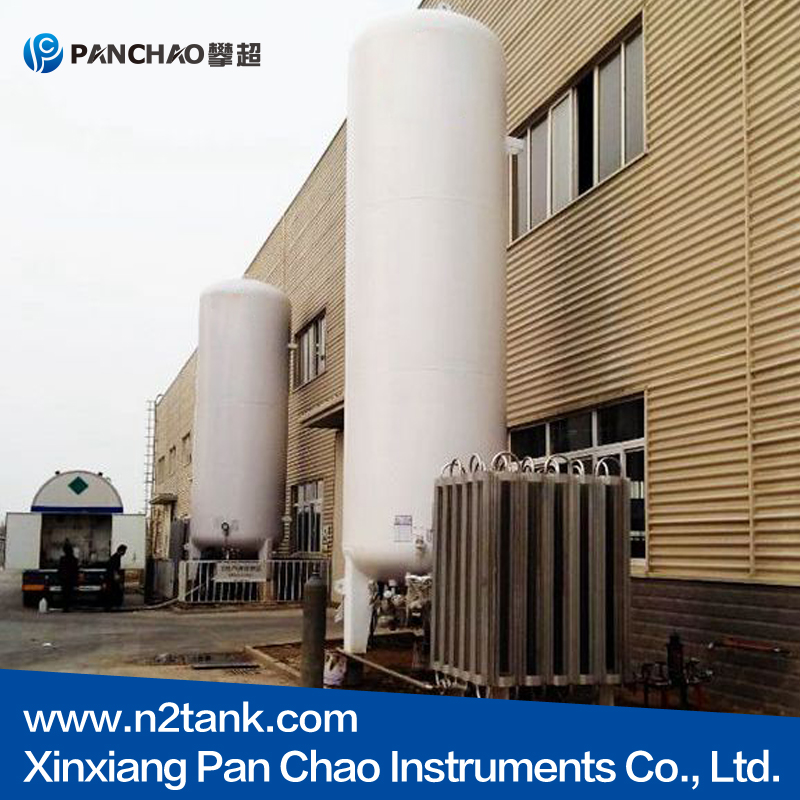
Cryogenic Liquid Tanks are available in vertical or horizonta...[more]
Rankings Of Similar Articles
- Does the Seal Ring of a Liquid Nitrogen Container Need Replac
- Does the Seal Ring of a Liquid Nitrogen Container Need Replac
- Why Does Sight Glass Sometimes “Self-Explode”? Causes and
- Why Can’t Liquid Nitrogen Containers Be Fully Sealed?
- Why Do Liquid Nitrogen Containers Require Regular Liquid Leve
- Why Do Liquid Nitrogen Containers Require Strict Sealing and
- Why Are Multi-Layer Reflective Shields Used in the Vacuum Lay
- How Does the Insulation Principle of Liquid Nitrogen Containe
- Key Control Points in the Vacuum Pumping Process of Liquid Ni
- How to Maintain Long-Term Vacuum Stability in Liquid Nitrogen
Latest Information
- Does Frost on the Outside of a Liquid Nitrogen Tank Always In
- Why Liquid Nitrogen Dewars Should Not Be Stored Empty Long-Te
- How to Understand the Static Evaporation Rate of a Liquid Nit
- Aluminum Alloy vs. Stainless Steel Liquid Nitrogen Tanks: Adv
- The Cooling Principle of Liquid Nitrogen Tanks: How Do They M
- The Vacuum Layer in Liquid Nitrogen Tanks: Invisible but Esse
- Holiday Notice
- Storage Environment Requirements for Liquid Nitrogen Tanks: T
- Hot sale thawing cup
- Storage of liquid nitrogen tank
