
Is Thicker Aluminum Always Better for Liquid Nitrogen Containers?
Many users believe that a thicker aluminum body means a better liquid nitrogen container. In reality, thickness is only one factor, and thicker is not always better.
The aluminum shell mainly provides structural strength, impact resistance, and durability. A thicker shell can better resist dents and damage during transportation and daily use. However, it also increases the overall weight of the container, making handling and transportation less convenient.
More importantly, the insulation performance of a liquid nitrogen container is determined primarily by its vacuum insulation system, neck tube design, and manufacturing quality, rather than aluminum thickness alone. A well-designed container with optimized structure and high-quality vacuum technology can often outperform a heavier container with thicker walls.
When selecting a liquid nitrogen container, users should focus on:
- Static evaporation rate
- Holding time
- Vacuum quality
- Structural reliability
- Application requirements
Rather than simply choosing the thickest container available.
At Zhongpanxin, we carefully balance aluminum thickness, structural strength, and thermal efficiency to provide durable, lightweight, and high-performance liquid nitrogen containers.
The best liquid nitrogen container is not necessarily the thickest one—it is the one with the most optimized overall design.
Relevant Information
- Does Frost on the Outside of a Liquid Nitrogen Tank Always Indicate a Quality P
- Aluminum Alloy vs. Stainless Steel Liquid Nitrogen Tanks: Advantages and Disadv
- Liquid Nitrogen Tank Material Comparison: Aluminum Alloy vs. Stainless Steel
- 5 Daily Maintenance Tips for Liquid Nitrogen Tanks: Extend Aluminum Tank Life a
- Aluminum Liquid Nitrogen Tank User Guide: How to Store Liquid Nitrogen Safely a
- Competition of liquid nitrogen tank materials: Which is better, aluminum alloy
- How to Keep Aircraft Aluminum Liquid Nitrogen Tank

Latest Products
- 110m3 double wall cryogenic Liqu
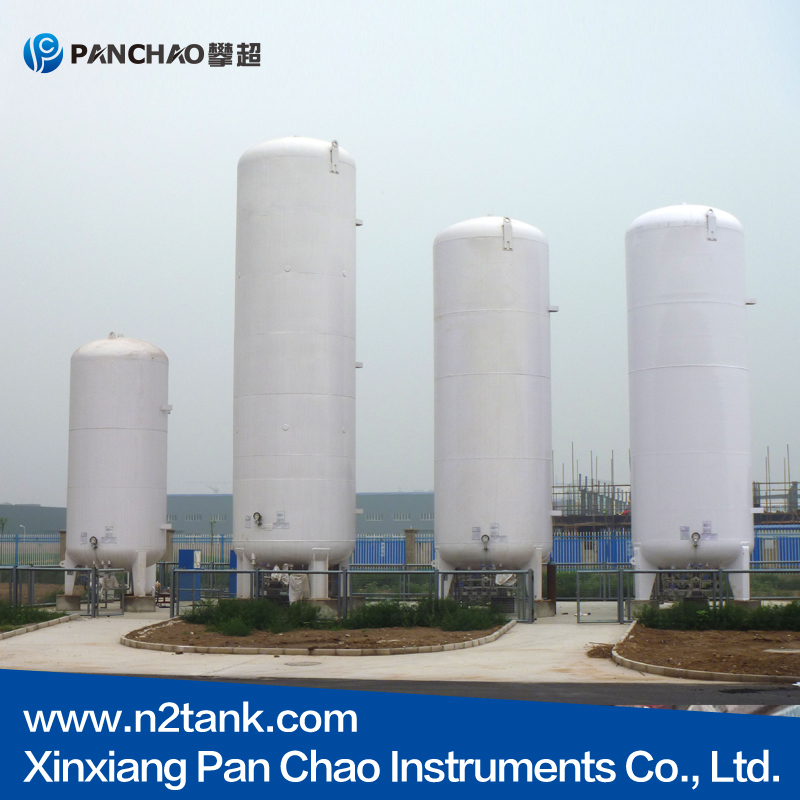
Cryogenic Liquid Tanks are available in vertical or horizonta...[more]
- 2vertical stainless steel pressu
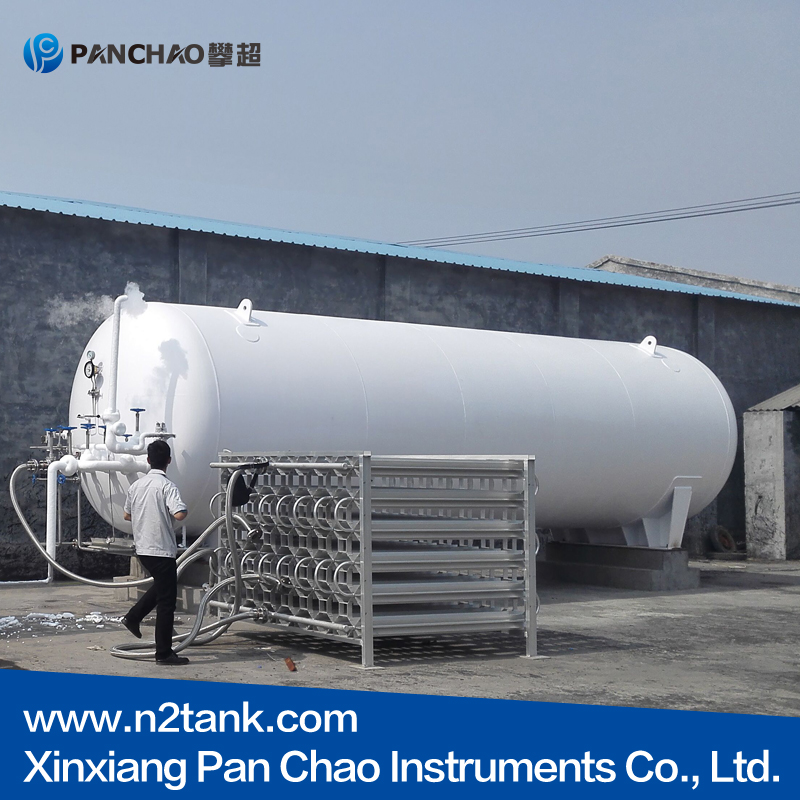
Cryogenic Liquid Tanks are available in vertical or horizonta...[more]
- 310 cubic meters cryogenic Liqui
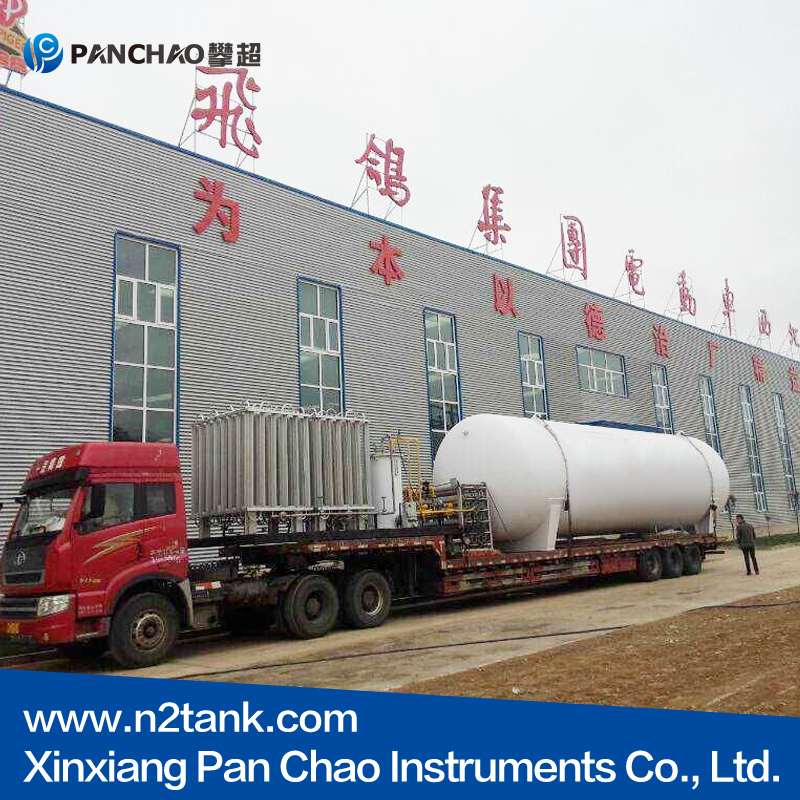
Cryogenic Liquid Tanks are available in vertical or horizonta...[more]
- 4GB150 pressure vessels cryogeni
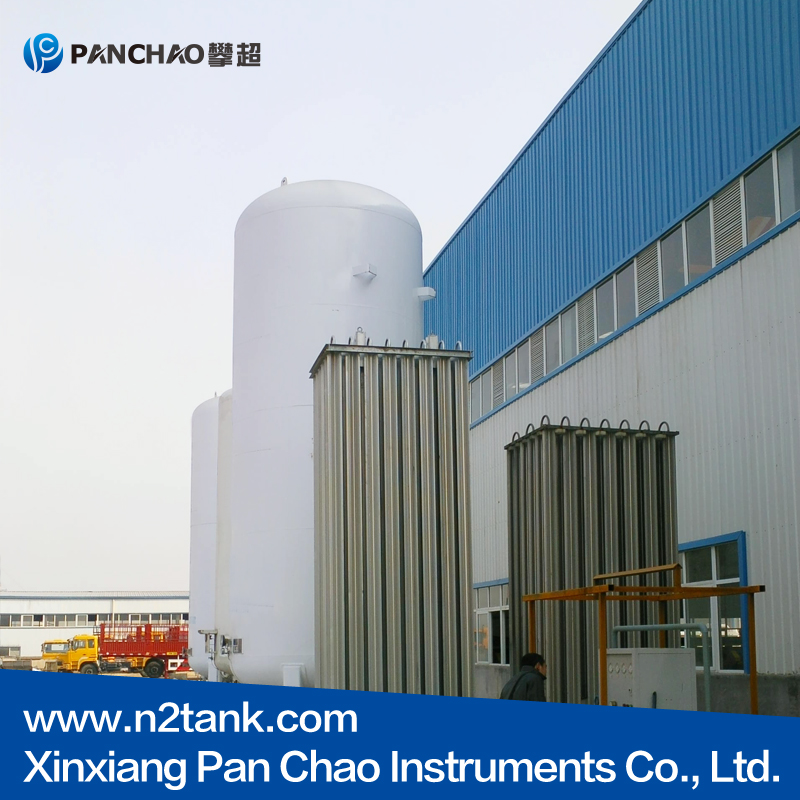
Cryogenic Liquid Tanks are available in vertical or horizonta...[more]
- 5New double Vertical cryogenic L
Cryogenic Liquid Tanks are available in vertical or horizonta...[more]
Rankings Of Similar Articles
- Does Frost on the Outside of a Liquid Nitrogen Tank Always In
- Aluminum Alloy vs. Stainless Steel Liquid Nitrogen Tanks: Adv
- Liquid Nitrogen Tank Material Comparison: Aluminum Alloy vs.
- 5 Daily Maintenance Tips for Liquid Nitrogen Tanks: Extend Al
- Aluminum Liquid Nitrogen Tank User Guide: How to Store Liquid
- Competition of liquid nitrogen tank materials: Which is bette
- How to Keep Aircraft Aluminum Liquid Nitrogen Tank
Latest Information
- Does Frost on the Outside of a Liquid Nitrogen Tank Always In
- Why Liquid Nitrogen Dewars Should Not Be Stored Empty Long-Te
- How to Understand the Static Evaporation Rate of a Liquid Nit
- Aluminum Alloy vs. Stainless Steel Liquid Nitrogen Tanks: Adv
- The Cooling Principle of Liquid Nitrogen Tanks: How Do They M
- The Vacuum Layer in Liquid Nitrogen Tanks: Invisible but Esse
- Holiday Notice
- Storage Environment Requirements for Liquid Nitrogen Tanks: T
- Hot sale thawing cup
- Storage of liquid nitrogen tank
