
The Importance of Liquid Nitrogen Tank Usage Record Management
Maintaining accurate usage records for liquid nitrogen tanks is far more than a bureaucratic exercise. It is a critical practice that directly impacts sample safety, operational efficiency, regulatory compliance, and equipment longevity. Here is why proper record management matters.
Ensuring Sample Integrity and Traceability
The most fundamental reason for maintaining detailed usage records is to protect the valuable biological materials stored inside the tank. LN₂ storage is essential for preserving cells, tissues, and other biological specimens over extended periods. Without accurate records, the location and status of these samples can be lost, jeopardizing years of research or critical clinical materials.
A robust record-keeping system allows you to track when samples were placed in the tank, their exact location within the tank, and when they were removed. This traceability is essential to prevent loss or misidentification of samples. It also enables quick retrieval when needed, minimizing the time the tank is open and reducing temperature fluctuations.
Monitoring Liquid Nitrogen Consumption and Performance
Usage records are indispensable for tracking LN₂ consumption. By recording fill dates, amounts, and levels, you can establish a baseline consumption rate for your specific tank under your specific operating conditions. Any significant deviation from this baseline can be an early warning sign of a problem, such as a failing vacuum or a leak. This allows for proactive maintenance before a catastrophic failure occurs.
These records also help you identify patterns in consumption, enabling more efficient scheduling of fills and inventory management. By analyzing fill records, you can determine the optimal refill schedule for your tank, ensuring that you never run low on LN₂ and that samples are always fully protected.
Supporting Regulatory Compliance
For laboratories in regulated industries, such as pharmaceuticals, clinical diagnostics, or academic research, maintaining proper records is not just recommended—it is mandatory. Regulatory bodies like the FDA, ISO, and various health authorities require detailed documentation of sample storage conditions, including temperature logs and maintenance records. Failure to provide these records can result in failed audits, regulatory action, and loss of accreditation.
Furthermore, in the event of an accident or sample loss, comprehensive usage records are invaluable for determining the cause. They can help demonstrate that proper procedures were followed and that the loss was not due to negligence.
Enabling Effective Maintenance and Troubleshooting
A well-maintained logbook serves as a diagnostic tool. If a tank exhibits performance issues, such as increased LN₂ consumption or unexplained frost, the usage records can provide historical context. They can show if the tank was recently moved, if there was an unusual event, or if maintenance was performed. This information is essential for effective troubleshooting and for deciding whether a tank needs repair or replacement.
The Bottom Line
Effective record management for liquid nitrogen tanks is a cornerstone of good laboratory practice. It ensures sample integrity, optimizes LN₂ consumption, supports regulatory compliance, and aids in maintenance. Implementing a simple but consistent system to record fill levels, maintenance activities, and sample movements is an investment in the safety and reliability of your entire cryogenic storage program. In cryogenics, the records are as important as the cold itself.
Relevant Information
- How to Extend the Actual Service Life of a Liquid Nitrogen Tank
- The Importance of Liquid Nitrogen Tank Usage Record Management
- What Is the Appropriate Cleaning and Maintenance Cycle for Liquid Nitrogen Tank
- Long-Term Sample Storage in Liquid Nitrogen Tanks: Key Considerations
- How to Avoid Cross-Contamination of Samples in Liquid Nitrogen Tanks
- Key Details to Pay Attention to When Filling a Liquid Nitrogen Tank
- Essential Checks Before First Use of a Liquid Nitrogen Tank
- Advantages of Powder Coating on Liquid Nitrogen Tank Surfaces
- How Base Design Affects Liquid Nitrogen Tank Stability
- Can a Liquid Nitrogen Tank Still Be Used After Its Exterior Is Dented?

Latest Products
- 110m3 double wall cryogenic Liqu
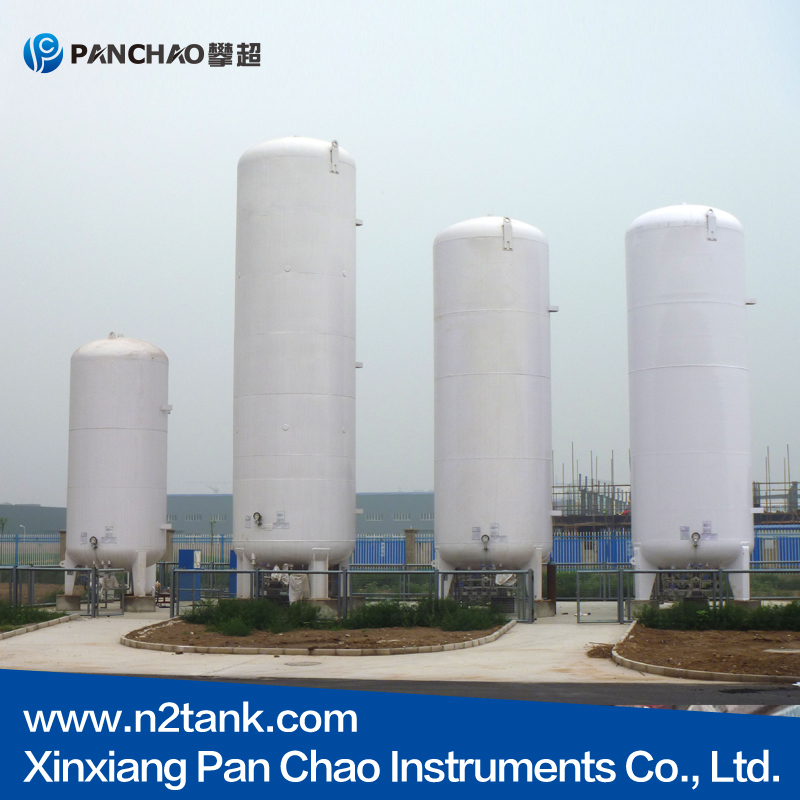
Cryogenic Liquid Tanks are available in vertical or horizonta...[more]
- 2vertical stainless steel pressu
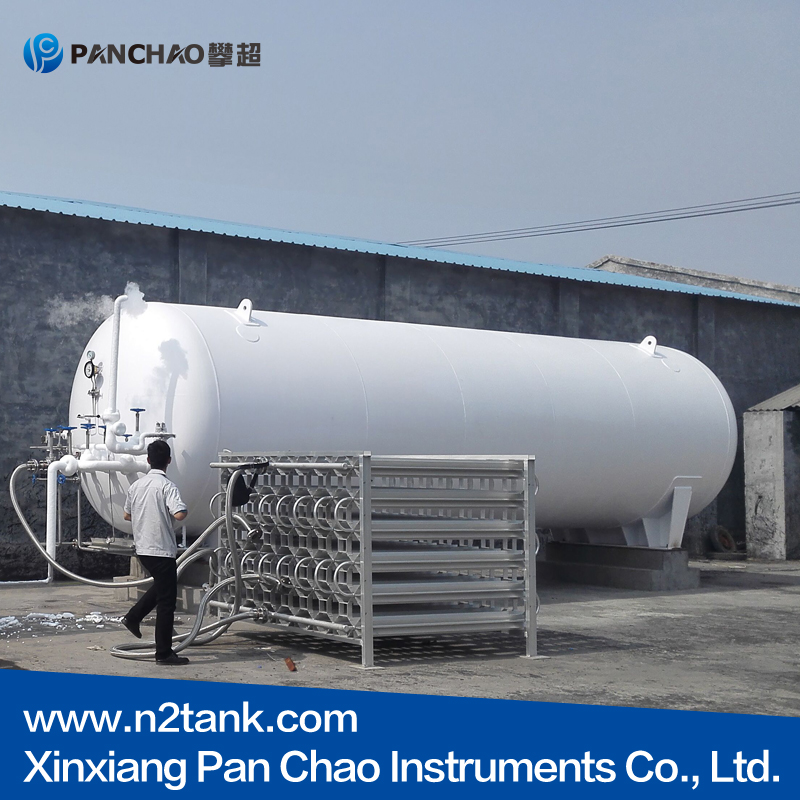
Cryogenic Liquid Tanks are available in vertical or horizonta...[more]
- 310 cubic meters cryogenic Liqui
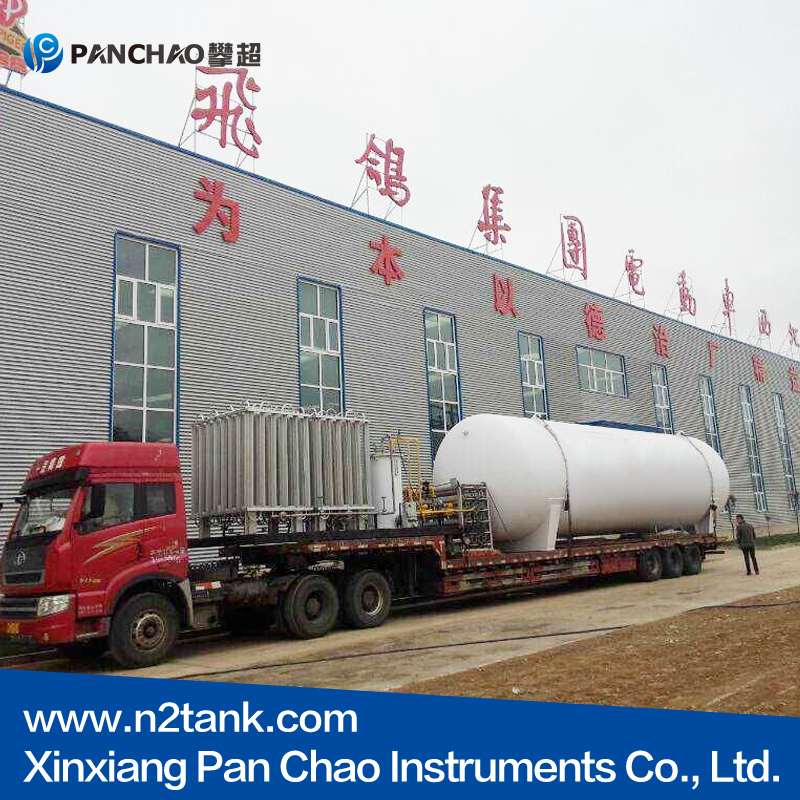
Cryogenic Liquid Tanks are available in vertical or horizonta...[more]
- 4GB150 pressure vessels cryogeni
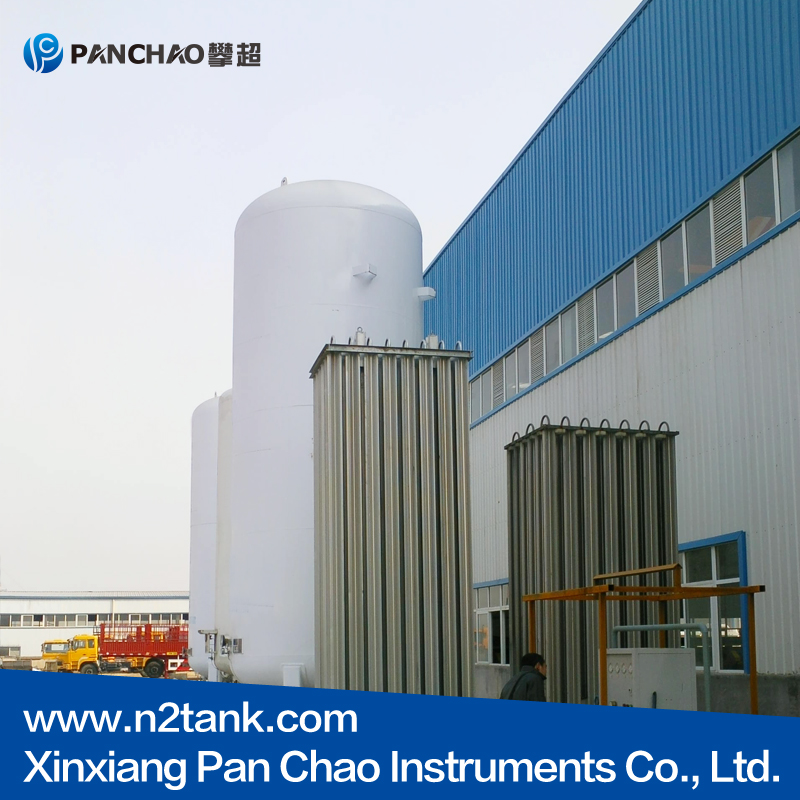
Cryogenic Liquid Tanks are available in vertical or horizonta...[more]
- 5New double Vertical cryogenic L
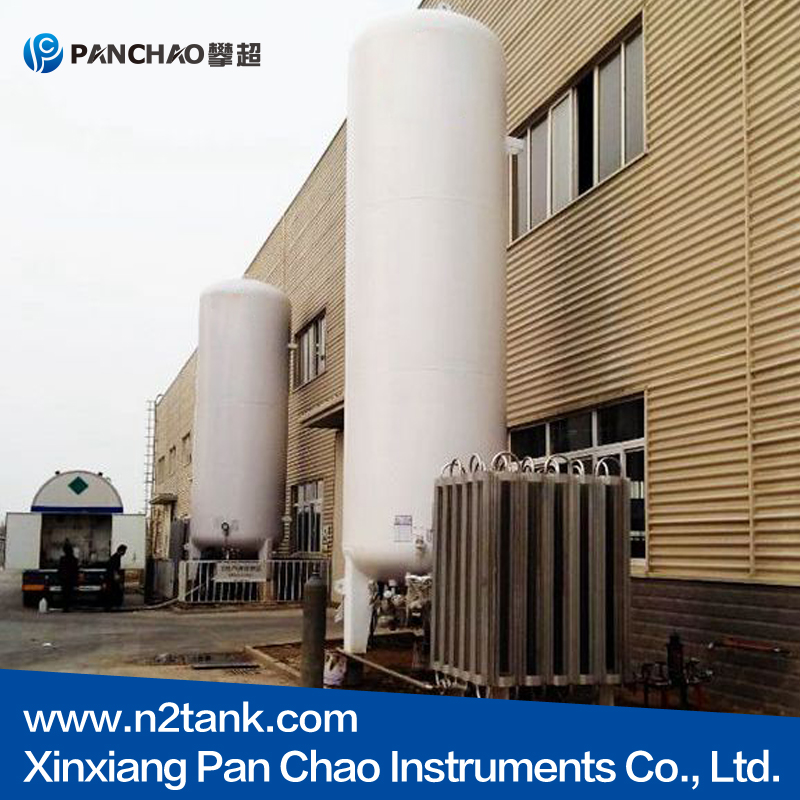
Cryogenic Liquid Tanks are available in vertical or horizonta...[more]
Rankings Of Similar Articles
- How to Extend the Actual Service Life of a Liquid Nitrogen Ta
- The Importance of Liquid Nitrogen Tank Usage Record Managemen
- What Is the Appropriate Cleaning and Maintenance Cycle for Li
- Long-Term Sample Storage in Liquid Nitrogen Tanks: Key Consid
- How to Avoid Cross-Contamination of Samples in Liquid Nitroge
- Key Details to Pay Attention to When Filling a Liquid Nitroge
- Essential Checks Before First Use of a Liquid Nitrogen Tank
- Advantages of Powder Coating on Liquid Nitrogen Tank Surfaces
- How Base Design Affects Liquid Nitrogen Tank Stability
- Can a Liquid Nitrogen Tank Still Be Used After Its Exterior I
Latest Information
- Does Frost on the Outside of a Liquid Nitrogen Tank Always In
- Why Liquid Nitrogen Dewars Should Not Be Stored Empty Long-Te
- How to Understand the Static Evaporation Rate of a Liquid Nit
- Aluminum Alloy vs. Stainless Steel Liquid Nitrogen Tanks: Adv
- The Cooling Principle of Liquid Nitrogen Tanks: How Do They M
- The Vacuum Layer in Liquid Nitrogen Tanks: Invisible but Esse
- Holiday Notice
- Storage Environment Requirements for Liquid Nitrogen Tanks: T
- Hot sale thawing cup
- Storage of liquid nitrogen tank
