
How to Maintain a Liquid Nitrogen Tank During Idle Periods
Editor:adminClick:
Time:2026-07-14 17:14
Proper maintenance during idle periods is just as critical as care during active use. A liquid nitrogen tank that sits empty and unattended can suffer damage that reduces its performance or renders it unusable. Here is a comprehensive guide to maintaining your tank when it is not in service.
Empty the Tank Completely
The first step in preparing a tank for idle storage is to ensure it is completely empty of any liquid nitrogen. If the tank has been in use, allow all remaining LN₂ to evaporate naturally in a well-ventilated area. Never attempt to speed up the process by applying external heat, as this can damage the inner vessel or the vacuum insulation. Do not cap or seal the tank while it is warming up, as the expanding gas could create dangerous pressure buildup.
Clean the Interior Thoroughly
Once the tank has reached room temperature, it is time for a thorough cleaning. Residual biological material, moisture, or contaminants left inside can corrode the aluminum inner vessel over time. Use warm water not exceeding 40°C and a mild detergent if necessary. Scrub the interior gently with a soft brush to remove any deposits. Rinse thoroughly with clean water to remove all cleaning agents.
Allow Complete Drying
After cleaning, the tank must be completely dry before it is stored. Any residual moisture will freeze if the tank is later refilled, potentially causing damage. Invert the tank to drain excess water and allow it to air dry in a clean, dust-free environment for several days. You can also use a low-temperature drying method, such as blowing clean, dry air or nitrogen gas through the neck tube to speed up the process. Ensure the interior is completely moisture-free before proceeding.
Inspect the Tank and Components
While the tank is empty and accessible, perform a thorough inspection. Check the outer shell for dents, scratches, or signs of corrosion. Inspect the neck tube for any damage or ice blockages. Examine the neck plug for cracks or wear. Inspect the O-rings and seals for any signs of deterioration. If you find any damage, address it before the tank is placed back into service.
Store in a Suitable Environment
Store the tank in a clean, dry, and well-ventilated area, away from direct sunlight, heat sources, and corrosive chemicals. Avoid storing it directly on concrete; use a wooden or composite platform to prevent moisture absorption and corrosion at the bottom. Ensure the tank is stored upright and secured to prevent it from tipping over. Keep the neck plug in place to prevent dust or pests from entering.
Perform Regular Checks
Even while idle, the tank should be checked periodically. The vacuum integrity of the tank may degrade over time. During idle periods, it is advisable to periodically check the vacuum condition. If the tank is equipped with a vacuum gauge, monitor it to ensure the vacuum remains stable. If the tank is stored for an extended period, check it every few months for any signs of deterioration.
The Bottom Line
Idle periods should not be a time of neglect. By completely emptying, thoroughly cleaning, carefully inspecting, and properly storing the tank, you ensure it remains in good condition and is ready for reliable service when needed. A well-maintained idle tank will serve you reliably for many years.
Keywords:
Relevant Information
- Applications of Liquid Nitrogen Tanks in Cell Therapy
- How to Extend the Actual Service Life of a Liquid Nitrogen Tank
- The Importance of Liquid Nitrogen Tank Usage Record Management
- The Importance of Liquid Nitrogen Tank Usage Record Management
- What Is the Appropriate Cleaning and Maintenance Cycle for Liquid Nitrogen Tank
- Long-Term Sample Storage in Liquid Nitrogen Tanks: Key Considerations
- How to Avoid Cross-Contamination of Samples in Liquid Nitrogen Tanks
- Key Details to Pay Attention to When Filling a Liquid Nitrogen Tank
- Essential Checks Before First Use of a Liquid Nitrogen Tank
- Advantages of Powder Coating on Liquid Nitrogen Tank Surfaces

Latest Products
- 110m3 double wall cryogenic Liqu
Cryogenic Liquid Tanks are available in vertical or horizonta...[more]
- 2vertical stainless steel pressu
Cryogenic Liquid Tanks are available in vertical or horizonta...[more]
- 310 cubic meters cryogenic Liqui
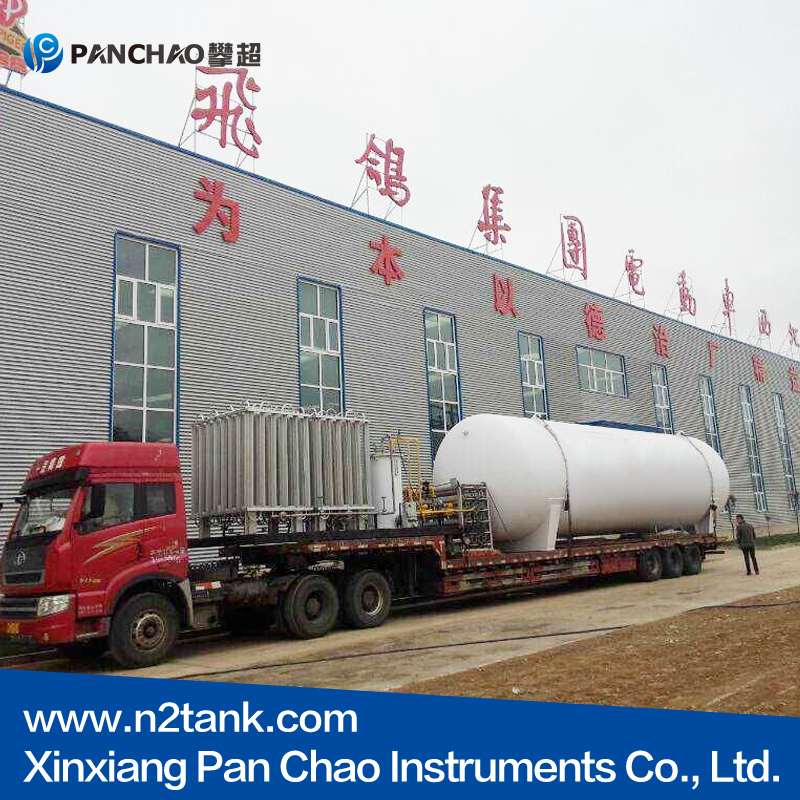
Cryogenic Liquid Tanks are available in vertical or horizonta...[more]
- 4GB150 pressure vessels cryogeni
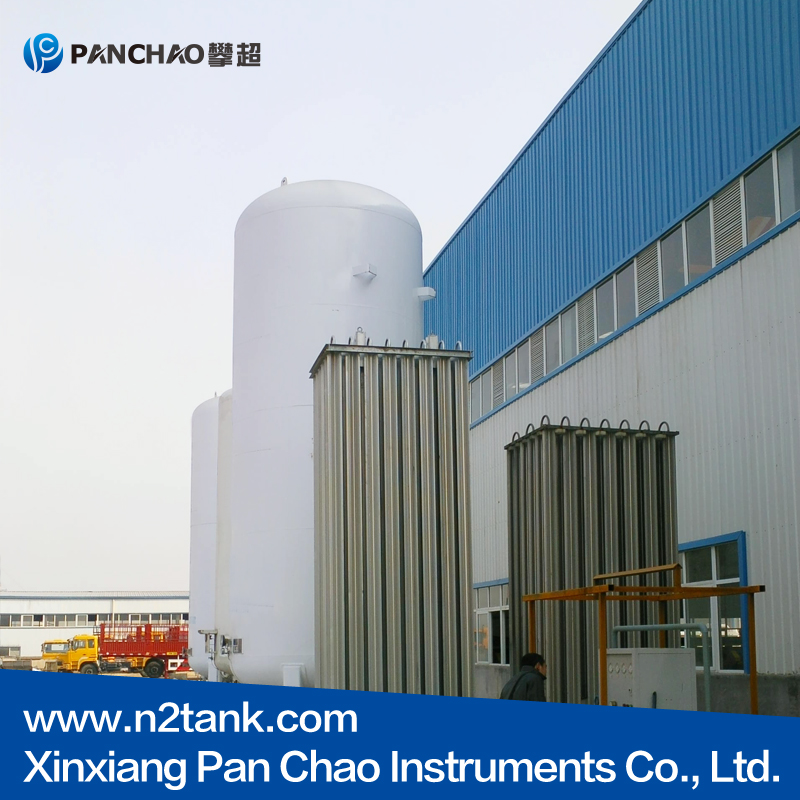
Cryogenic Liquid Tanks are available in vertical or horizonta...[more]
- 5New double Vertical cryogenic L
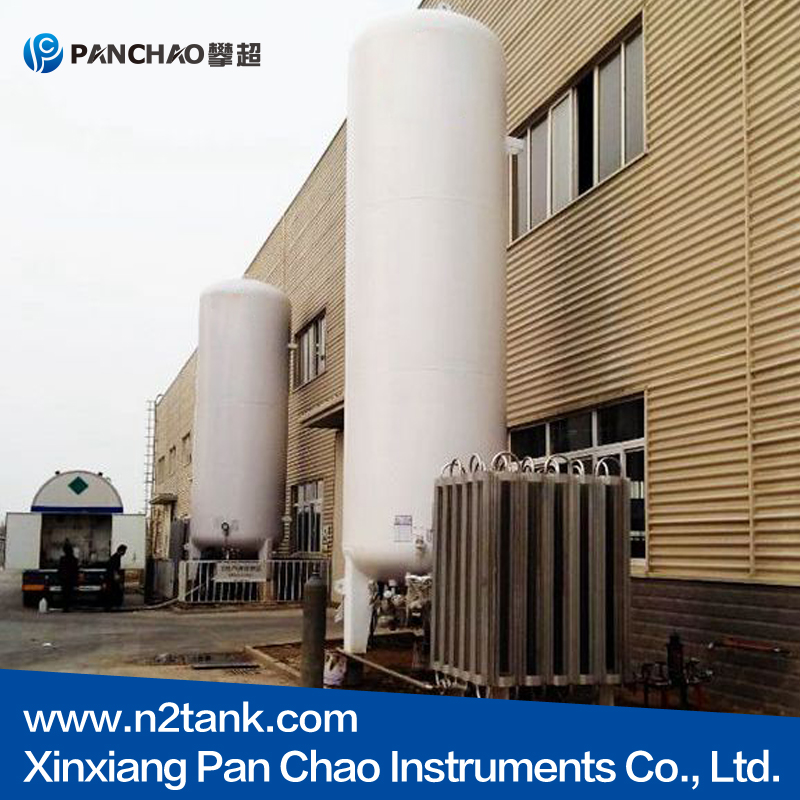
Cryogenic Liquid Tanks are available in vertical or horizonta...[more]
Rankings Of Similar Articles
- Applications of Liquid Nitrogen Tanks in Cell Therapy
- How to Extend the Actual Service Life of a Liquid Nitrogen Ta
- The Importance of Liquid Nitrogen Tank Usage Record Managemen
- The Importance of Liquid Nitrogen Tank Usage Record Managemen
- What Is the Appropriate Cleaning and Maintenance Cycle for Li
- Long-Term Sample Storage in Liquid Nitrogen Tanks: Key Consid
- How to Avoid Cross-Contamination of Samples in Liquid Nitroge
- Key Details to Pay Attention to When Filling a Liquid Nitroge
- Essential Checks Before First Use of a Liquid Nitrogen Tank
- Advantages of Powder Coating on Liquid Nitrogen Tank Surfaces
Latest Information
- Does Frost on the Outside of a Liquid Nitrogen Tank Always In
- Why Liquid Nitrogen Dewars Should Not Be Stored Empty Long-Te
- How to Understand the Static Evaporation Rate of a Liquid Nit
- Aluminum Alloy vs. Stainless Steel Liquid Nitrogen Tanks: Adv
- The Cooling Principle of Liquid Nitrogen Tanks: How Do They M
- The Vacuum Layer in Liquid Nitrogen Tanks: Invisible but Esse
- Holiday Notice
- Storage Environment Requirements for Liquid Nitrogen Tanks: T
- Hot sale thawing cup
- Storage of liquid nitrogen tank
