
The Value of Liquid Nitrogen Tanks in Animal Breeding
Liquid nitrogen tanks have revolutionized animal breeding by enabling the long-term preservation and global transport of genetic material. These cryogenic vessels are essential tools in modern agriculture, helping to improve livestock quality, preserve endangered species, and enhance breeding efficiency worldwide.
The Foundation of Genetic Preservation
The core value of liquid nitrogen tanks in animal breeding lies in their ability to preserve sperm, eggs, and embryos at -196°C. At this ultra-low temperature, biological activity ceases entirely, allowing genetic material to remain viable for decades. This capability has transformed livestock breeding from a localized practice into a global industry.
Semen preservation is the most widespread application. Superior male animals with desirable traits—such as high milk production, fast growth, or disease resistance—can contribute to breeding programs long after their natural reproductive life has ended. A single bull, for example, can produce enough semen during its lifetime to impregnate hundreds of thousands of cows through artificial insemination.
The Impact of Artificial Insemination
Liquid nitrogen tanks are the backbone of artificial insemination programs worldwide. They enable the safe transport of frozen semen from elite breeding stock to farms in remote locations. This not only improves local herds but also reduces the need to keep large numbers of males on farms, lowering costs and simplifying management.
In the dairy industry, artificial insemination has become standard practice. Farmers can select from a global catalog of proven sires, choosing those that best match their herd improvement goals. Liquid nitrogen tanks ensure that this genetic material arrives in perfect condition and can be stored on-site until it is needed.
Supporting Emerging Technologies
As reproductive technologies advance, liquid nitrogen tanks are becoming even more critical. Sex-sorted semen, which allows farmers to choose the gender of offspring, requires careful cryopreservation. Similarly, in vitro fertilization and embryo transfer techniques depend on reliable frozen storage. These technologies allow for more rapid genetic progress and enable the propagation of high-value genetics in species such as cattle, horses, and pigs.
Regional and Economic Importance
The value of liquid nitrogen tanks varies by region. In developed agricultural regions, they are essential for routine breeding and genetic improvement. In developing areas, they are equally crucial for preserving and improving local livestock populations, contributing to food security and rural livelihoods.
The ability to store and transport genetic material also has significant economic implications. It allows breeders to access superior genetics from anywhere in the world without the expense and risk of transporting live animals. This democratization of genetic resources has leveled the playing field, enabling small-scale farmers to compete in global markets.
The Bottom Line
Liquid nitrogen tanks are indispensable in modern animal breeding. They enable the preservation and global distribution of superior genetics, support advanced reproductive technologies, and help safeguard biodiversity. As global demand for animal protein increases, the role of these cryogenic vessels in improving efficiency and sustainability will only grow, securing the future of animal agriculture.
Relevant Information
- Application Standards for Liquid Nitrogen Tanks in Hospital Biobanks
- The Critical Role of Liquid Nitrogen Tanks in Assisted Reproductive Technology
- How Liquid Nitrogen Tanks Preserve Long-Term Viability of Biological Samples
- Applications of Liquid Nitrogen Tanks in Cell Therapy
- How to Maintain a Liquid Nitrogen Tank During Idle Periods
- How to Extend the Actual Service Life of a Liquid Nitrogen Tank
- The Importance of Liquid Nitrogen Tank Usage Record Management
- The Importance of Liquid Nitrogen Tank Usage Record Management
- What Is the Appropriate Cleaning and Maintenance Cycle for Liquid Nitrogen Tank
- Long-Term Sample Storage in Liquid Nitrogen Tanks: Key Considerations
Latest Products
- 110m3 double wall cryogenic Liqu
Cryogenic Liquid Tanks are available in vertical or horizonta...[more]
- 2vertical stainless steel pressu
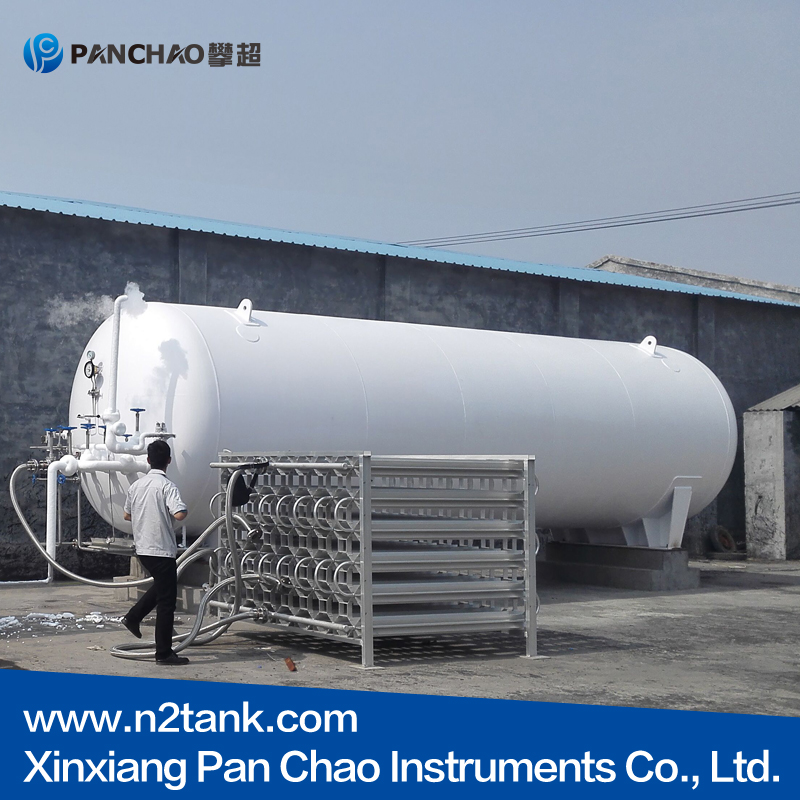
Cryogenic Liquid Tanks are available in vertical or horizonta...[more]
- 310 cubic meters cryogenic Liqui
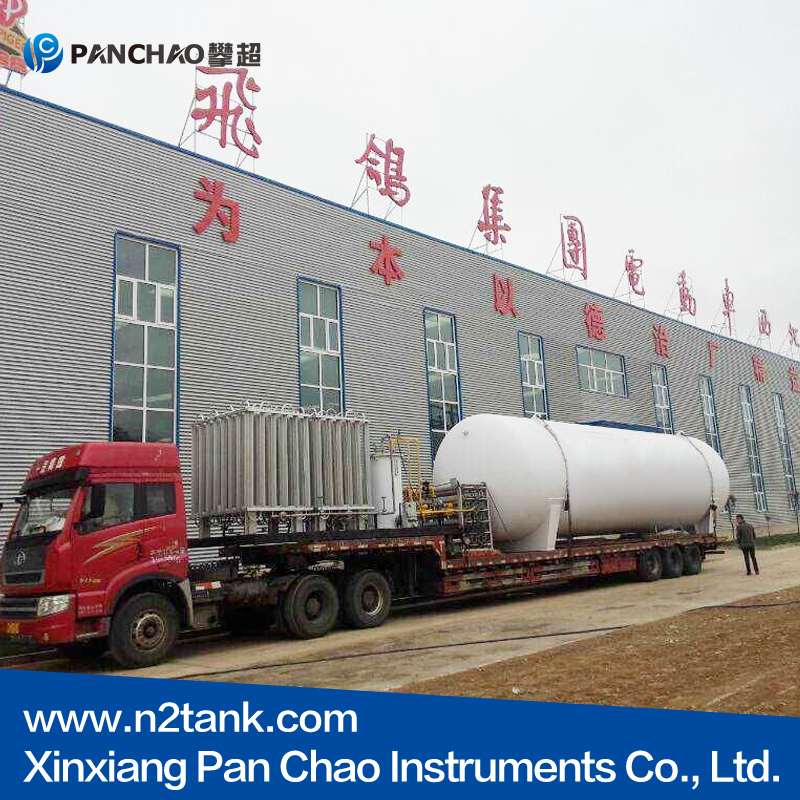
Cryogenic Liquid Tanks are available in vertical or horizonta...[more]
- 4GB150 pressure vessels cryogeni
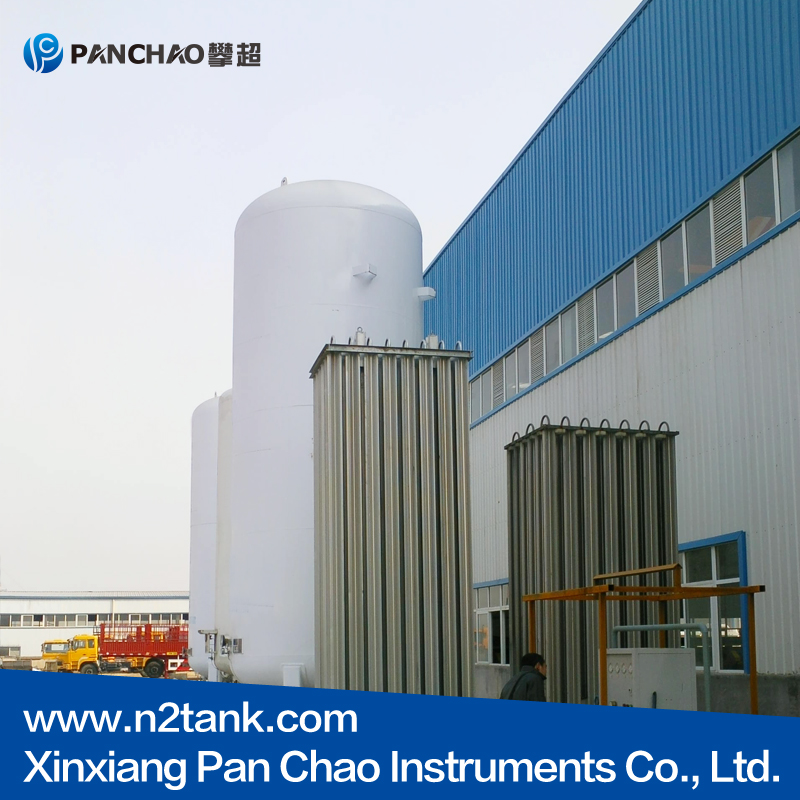
Cryogenic Liquid Tanks are available in vertical or horizonta...[more]
- 5New double Vertical cryogenic L
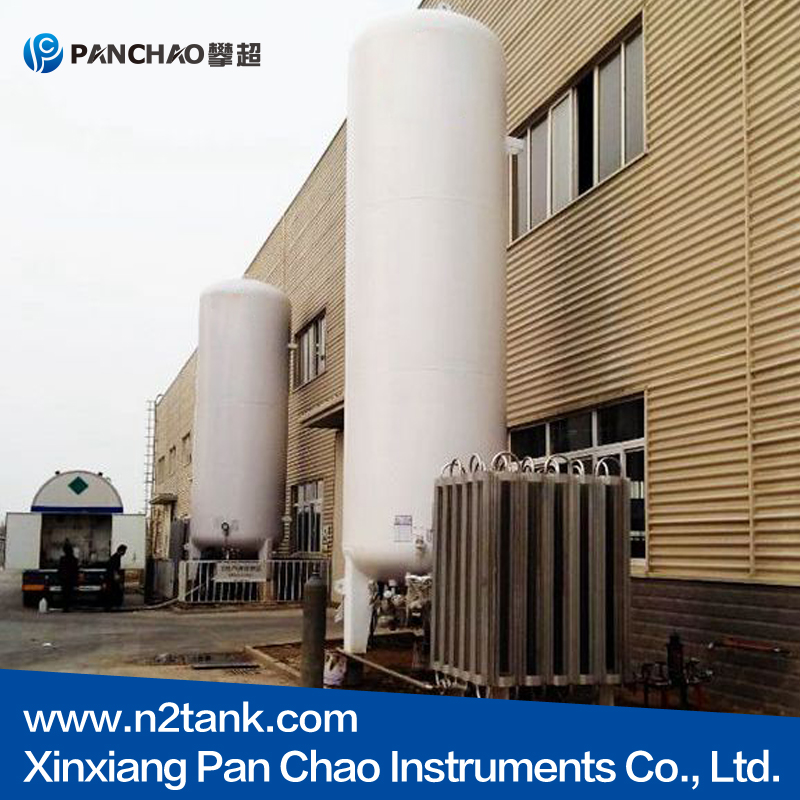
Cryogenic Liquid Tanks are available in vertical or horizonta...[more]
Rankings Of Similar Articles
- Application Standards for Liquid Nitrogen Tanks in Hospital B
- The Critical Role of Liquid Nitrogen Tanks in Assisted Reprod
- How Liquid Nitrogen Tanks Preserve Long-Term Viability of Bio
- Applications of Liquid Nitrogen Tanks in Cell Therapy
- How to Maintain a Liquid Nitrogen Tank During Idle Periods
- How to Extend the Actual Service Life of a Liquid Nitrogen Ta
- The Importance of Liquid Nitrogen Tank Usage Record Managemen
- The Importance of Liquid Nitrogen Tank Usage Record Managemen
- What Is the Appropriate Cleaning and Maintenance Cycle for Li
- Long-Term Sample Storage in Liquid Nitrogen Tanks: Key Consid
Latest Information
- Does Frost on the Outside of a Liquid Nitrogen Tank Always In
- Why Liquid Nitrogen Dewars Should Not Be Stored Empty Long-Te
- How to Understand the Static Evaporation Rate of a Liquid Nit
- Aluminum Alloy vs. Stainless Steel Liquid Nitrogen Tanks: Adv
- The Cooling Principle of Liquid Nitrogen Tanks: How Do They M
- The Vacuum Layer in Liquid Nitrogen Tanks: Invisible but Esse
- Holiday Notice
- Storage Environment Requirements for Liquid Nitrogen Tanks: T
- Hot sale thawing cup
- Storage of liquid nitrogen tank
