
The Role of Liquid Nitrogen Tanks in Vaccine Development: Ensuring Low-Temperature Integrity
Vaccine development is a complex and time-sensitive process, requiring the preservation of biological materials under stringent conditions. Liquid nitrogen tanks play a critical role in this process by providing the ultra-low temperature environment necessary to maintain the viability and integrity of vaccine components throughout research, development, and storage.
Preserving Biological Materials in Research
The journey of a vaccine begins with research. Scientists isolate and study antigens, which are the active components that stimulate an immune response. These biological materials are often fragile and can degrade quickly if not stored correctly. Liquid nitrogen tanks provide a stable temperature of -196°C, effectively halting biological activity. This ensures that antigens, cell lines, and viral vectors remain viable and unchanged, allowing for consistent and reliable experimental results.
For example, in the development of mRNA vaccines, liquid nitrogen was crucial for preserving the lipid nanoparticles that carry the genetic instructions into cells. Without the ability to freeze and store these materials at ultra-low temperatures, the rapid development and distribution of these vaccines would not have been possible.
Supporting Process Development and Scale-Up
Once a vaccine candidate shows promise, it moves to process development and scale-up. This involves producing the vaccine in larger quantities for preclinical and clinical trials. Liquid nitrogen tanks are used to preserve master and working cell banks, which are essential for consistent production. These cell banks contain the cells used to produce the vaccine antigen. By storing them in liquid nitrogen, manufacturers can ensure that they have a consistent and reliable source of starting material for each production run.
Ensuring Stability During Clinical Trials
Clinical trials require rigorous testing of vaccine stability under various conditions. Liquid nitrogen tanks are used to store vaccine samples for stability testing, ensuring that the vaccine remains effective under simulated storage and transport conditions. This data is critical for determining the shelf life and storage requirements of the final vaccine product.
Safeguarding the Cold Chain
The "cold chain" is the term used to describe the temperature-controlled supply chain required to keep vaccines potent from manufacturing to administration. Liquid nitrogen tanks are an essential part of this chain for vaccines that require ultra-low temperature storage. They provide a reliable means of storing vaccine doses at the manufacturer, during transport to distribution centers, and at healthcare facilities.
Ensuring Regulatory Compliance
Vaccine development is subject to strict regulatory oversight from agencies like the FDA and EMA. These regulations require detailed temperature monitoring and documentation to ensure product quality and patient safety. Liquid nitrogen tanks equipped with continuous monitoring and alarm systems help manufacturers meet these requirements, ensuring that vaccines are stored within specified temperature ranges throughout their lifecycle.
The Bottom Line
Liquid nitrogen tanks are indispensable in vaccine development. They provide the ultra-low temperature storage required to preserve the biological materials used in research, support consistent production, and ensure vaccine stability through clinical trials and distribution. As vaccine development continues to advance, particularly for mRNA and viral vector technologies, the role of liquid nitrogen tanks in ensuring low-temperature integrity will only grow more important.
Relevant Information
- Application Trends of Liquid Nitrogen Tanks in the Biopharmaceutical Industry
- How Liquid Nitrogen Tanks Serve University Research Laboratories
- Application Standards for Liquid Nitrogen Tanks in Hospital Biobanks
- The Value of Liquid Nitrogen Tanks in Animal Breeding
- The Critical Role of Liquid Nitrogen Tanks in Assisted Reproductive Technology
- How Liquid Nitrogen Tanks Preserve Long-Term Viability of Biological Samples
- Applications of Liquid Nitrogen Tanks in Cell Therapy
- How to Maintain a Liquid Nitrogen Tank During Idle Periods
- How to Extend the Actual Service Life of a Liquid Nitrogen Tank
- The Importance of Liquid Nitrogen Tank Usage Record Management
Latest Products
- 110m3 double wall cryogenic Liqu
Cryogenic Liquid Tanks are available in vertical or horizonta...[more]
- 2vertical stainless steel pressu
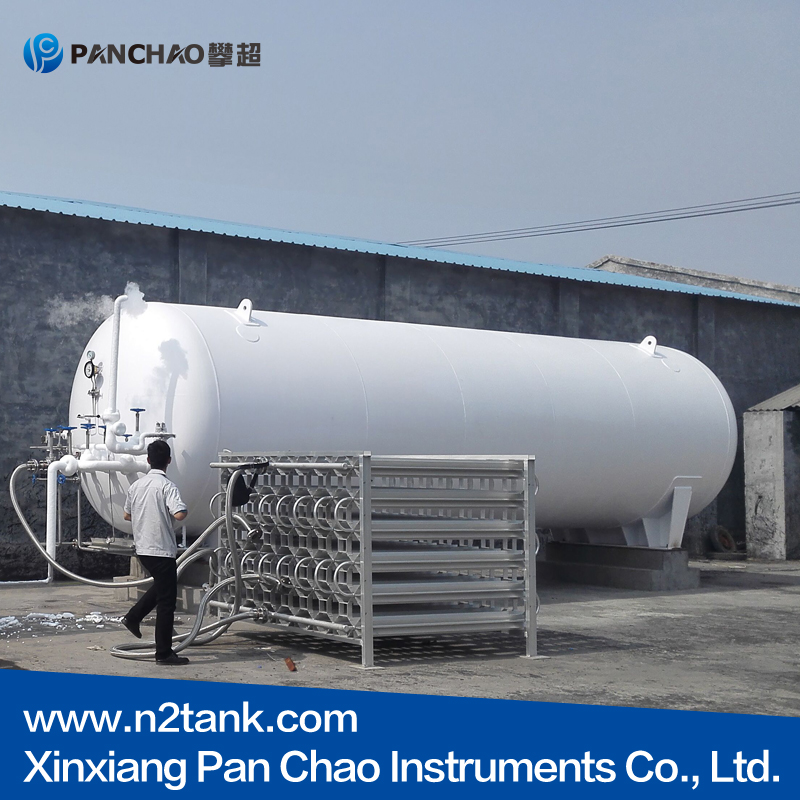
Cryogenic Liquid Tanks are available in vertical or horizonta...[more]
- 310 cubic meters cryogenic Liqui
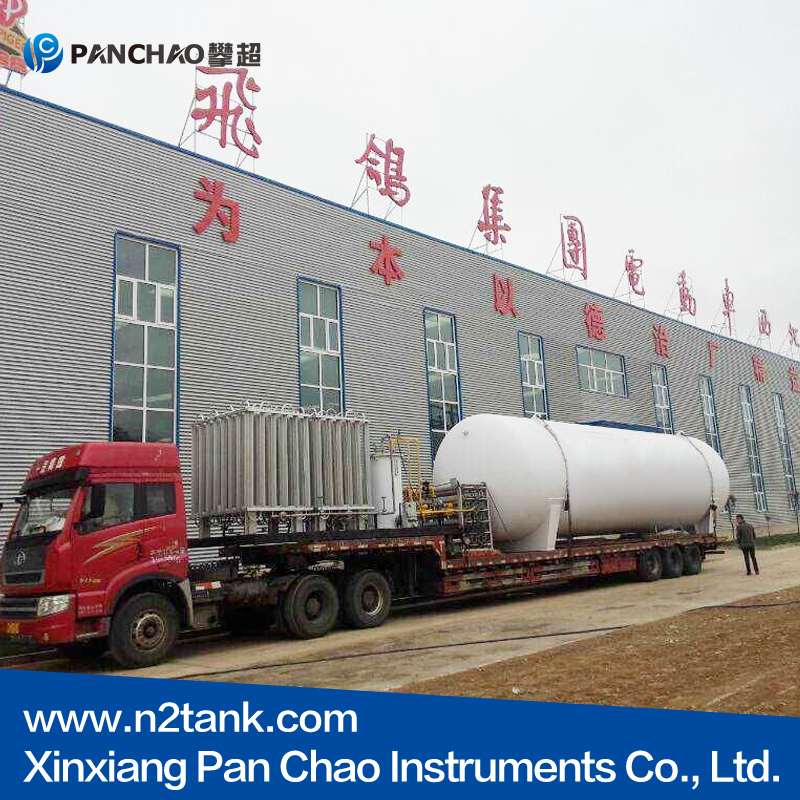
Cryogenic Liquid Tanks are available in vertical or horizonta...[more]
- 4GB150 pressure vessels cryogeni
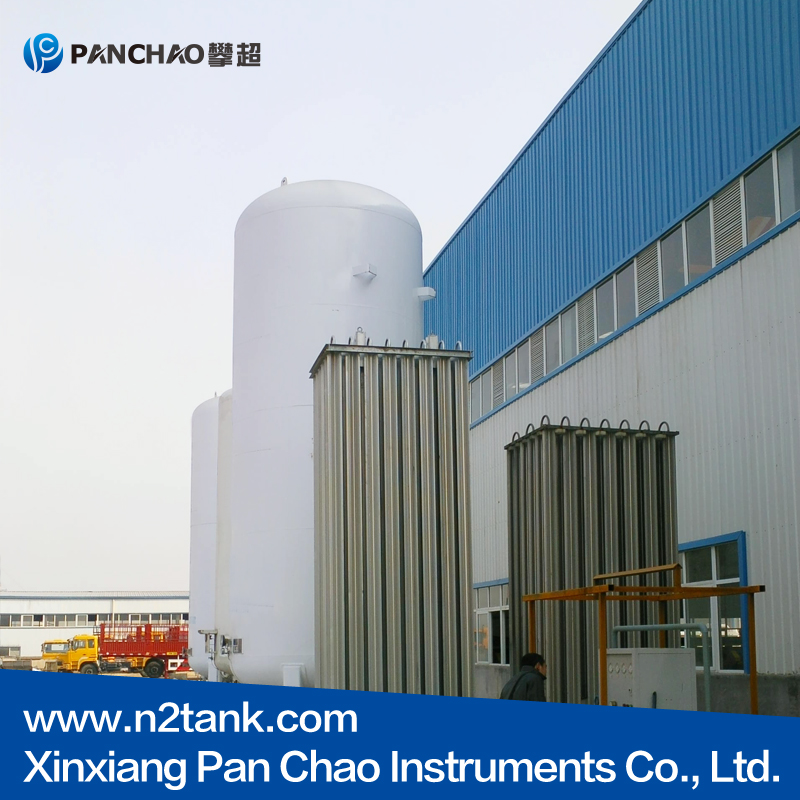
Cryogenic Liquid Tanks are available in vertical or horizonta...[more]
- 5New double Vertical cryogenic L
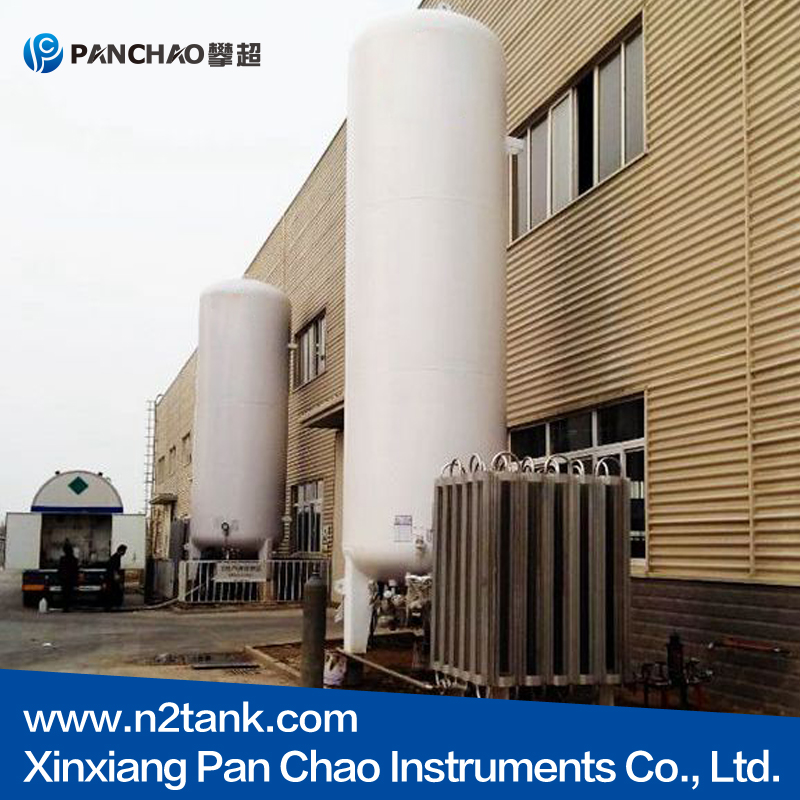
Cryogenic Liquid Tanks are available in vertical or horizonta...[more]
Rankings Of Similar Articles
- Application Trends of Liquid Nitrogen Tanks in the Biopharmac
- How Liquid Nitrogen Tanks Serve University Research Laborator
- Application Standards for Liquid Nitrogen Tanks in Hospital B
- The Value of Liquid Nitrogen Tanks in Animal Breeding
- The Critical Role of Liquid Nitrogen Tanks in Assisted Reprod
- How Liquid Nitrogen Tanks Preserve Long-Term Viability of Bio
- Applications of Liquid Nitrogen Tanks in Cell Therapy
- How to Maintain a Liquid Nitrogen Tank During Idle Periods
- How to Extend the Actual Service Life of a Liquid Nitrogen Ta
- The Importance of Liquid Nitrogen Tank Usage Record Managemen
Latest Information
- Does Frost on the Outside of a Liquid Nitrogen Tank Always In
- Why Liquid Nitrogen Dewars Should Not Be Stored Empty Long-Te
- How to Understand the Static Evaporation Rate of a Liquid Nit
- Aluminum Alloy vs. Stainless Steel Liquid Nitrogen Tanks: Adv
- The Cooling Principle of Liquid Nitrogen Tanks: How Do They M
- The Vacuum Layer in Liquid Nitrogen Tanks: Invisible but Esse
- Holiday Notice
- Storage Environment Requirements for Liquid Nitrogen Tanks: T
- Hot sale thawing cup
- Storage of liquid nitrogen tank
