
How to Choose Between "Canisters" and "Racks" Inside a Liquid Nitrogen Tank?
The internal organization of a liquid nitrogen (LN₂) tank is a critical but often overlooked aspect of its usability. The two primary systems for sample storage are "canisters" (also known as "canes" or "sleeves") and "racks." Selecting the right system depends on your specific workflow and sample type.
Canisters (Sleeves): The Traditional Choice
Canisters are cylindrical containers that typically hang from the neck of the tank. They are most commonly used for storing samples on straws (plastic tubes used for sperm or embryo storage) or small cryo-vials.
Advantages: Canisters are excellent for long-term, static storage of large numbers of uniform samples, and are generally more affordable. They are designed to keep samples organized and are a good choice when you mainly need to archive samples for extended periods.
Disadvantages: The primary drawback is accessibility. Accessing samples at the bottom of a canister requires raising the entire canister, which can be heavy and increases the risk of frostbite. This also exposes the samples to a significant temperature rise, which can affect viability.
Racks: The Modern Solution
Racks are modular, shelf-like structures that sit inside the tank. They are designed to hold boxes of cryo-vials, typically in a 9x9 or 10x10 grid format.
Advantages: Racks offer superior sample organization, allowing for quick retrieval of specific boxes without disturbing other samples. This reduces the time the tank is open and minimizes temperature fluctuations. They are also scalable, with many rack systems designed for high-density storage.
Disadvantages: The primary disadvantage is the upfront investment, as rack-based systems are more expensive than a set of canisters. They also require careful planning to ensure the system fits the tank's dimensions correctly.
Matching the System to Your Application
The choice between canisters and racks depends on your application. Canisters are best for long-term storage of large batches of similar samples, such as frozen sperm pellets, where individual sample retrieval is infrequent. Racks are ideal for biobanks, clinical labs, and research facilities where samples are accessed frequently and need to be tracked individually.
Key Considerations
Before deciding, consider the frequency of access, the size and type of your samples, your budget, and the storage density you require. Racks offer higher density and better organization but at a higher cost and with stricter compatibility requirements.
The Bottom Line
Choosing between canisters and racks is a strategic decision that affects the efficiency, safety, and long-term viability of your cryogenic storage system. Evaluate your workflow and sample needs carefully to select the system that provides the right balance of organization, accessibility, and cost-effectiveness for your specific application.
Relevant Information
- How Is the "Daily Evaporation Rate" of a Liquid Nitrogen Tank Actuall
- How to Determine If a Liquid Nitrogen Tank's Vacuum Layer Has Failed
- How Liquid Nitrogen Tanks Serve University Research Laboratories
- How Liquid Nitrogen Tanks Preserve Long-Term Viability of Biological Samples
- How to Maintain a Liquid Nitrogen Tank During Idle Periods
- How to Extend the Actual Service Life of a Liquid Nitrogen Tank
- How to Avoid Cross-Contamination of Samples in Liquid Nitrogen Tanks
- How Base Design Affects Liquid Nitrogen Tank Stability
- How Weld Quality Affects Liquid Nitrogen Tank Service Life
- How to Establish a Standardized Liquid Nitrogen Container Management System in

Latest Products
- 110m3 double wall cryogenic Liqu
Cryogenic Liquid Tanks are available in vertical or horizonta...[more]
- 2vertical stainless steel pressu
Cryogenic Liquid Tanks are available in vertical or horizonta...[more]
- 310 cubic meters cryogenic Liqui
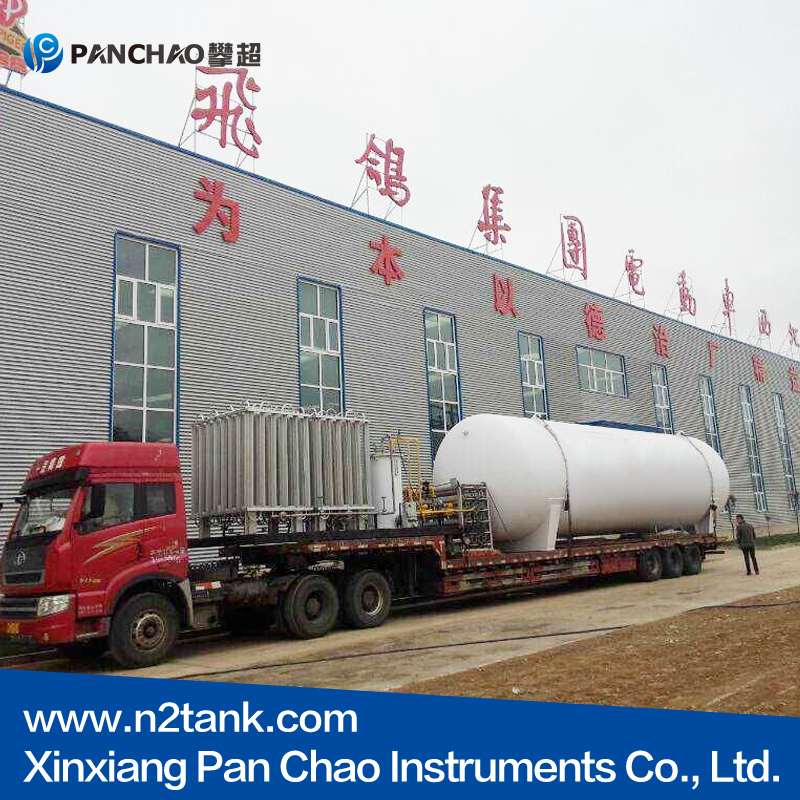
Cryogenic Liquid Tanks are available in vertical or horizonta...[more]
- 4GB150 pressure vessels cryogeni
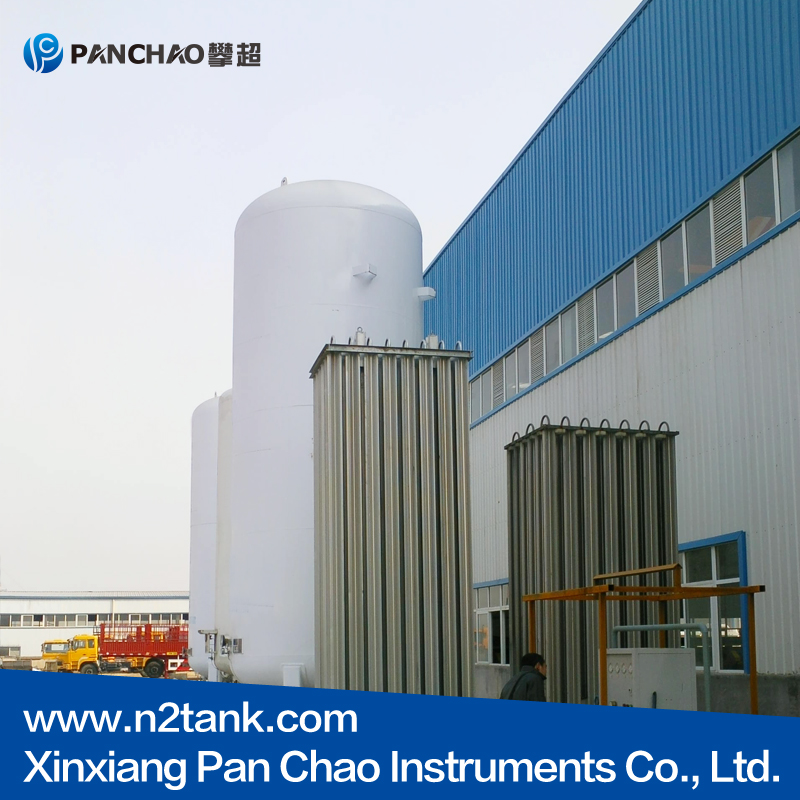
Cryogenic Liquid Tanks are available in vertical or horizonta...[more]
- 5New double Vertical cryogenic L
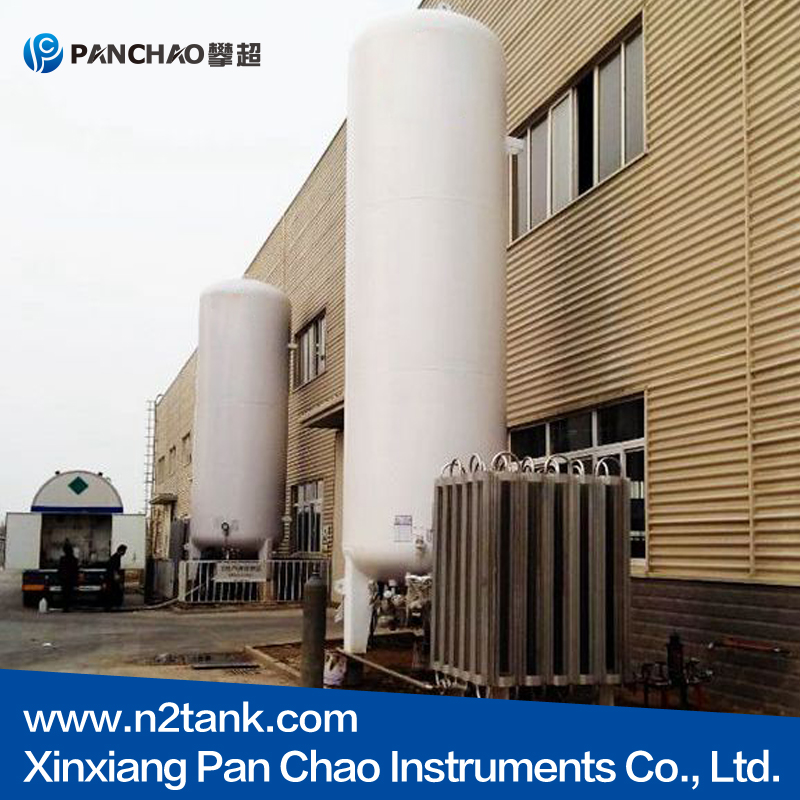
Cryogenic Liquid Tanks are available in vertical or horizonta...[more]
Rankings Of Similar Articles
- How Is the "Daily Evaporation Rate" of a Liquid Nit
- How to Determine If a Liquid Nitrogen Tank's Vacuum Layer Has
- How Liquid Nitrogen Tanks Serve University Research Laborator
- How Liquid Nitrogen Tanks Preserve Long-Term Viability of Bio
- How to Maintain a Liquid Nitrogen Tank During Idle Periods
- How to Extend the Actual Service Life of a Liquid Nitrogen Ta
- How to Avoid Cross-Contamination of Samples in Liquid Nitroge
- How Base Design Affects Liquid Nitrogen Tank Stability
- How Weld Quality Affects Liquid Nitrogen Tank Service Life
- How to Establish a Standardized Liquid Nitrogen Container Man
Latest Information
- Does Frost on the Outside of a Liquid Nitrogen Tank Always In
- Why Liquid Nitrogen Dewars Should Not Be Stored Empty Long-Te
- How to Understand the Static Evaporation Rate of a Liquid Nit
- Aluminum Alloy vs. Stainless Steel Liquid Nitrogen Tanks: Adv
- The Cooling Principle of Liquid Nitrogen Tanks: How Do They M
- The Vacuum Layer in Liquid Nitrogen Tanks: Invisible but Esse
- Holiday Notice
- Storage Environment Requirements for Liquid Nitrogen Tanks: T
- Hot sale thawing cup
- Storage of liquid nitrogen tank
