
Is a Lower Static Evaporation Rate Always Better for Liquid Nitrogen Tanks?
The static evaporation rate is a key performance indicator for liquid nitrogen tanks, measuring how much LN₂ evaporates per day under stable conditions. While a lower rate generally indicates better insulation and longer holding times, it is not always the sole factor to consider. Here is a balanced analysis.
What Static Evaporation Rate Actually Means
The static evaporation rate is the amount of liquid nitrogen lost to evaporation each day when the tank is not being opened. It is expressed as a percentage of tank capacity or as liters per day. A rate of 0.1-0.3% per day is typical for high-quality tanks.
A lower evaporation rate means:
-
Longer holding time before refilling is needed
-
Lower operational costs due to reduced LN₂ consumption
-
Better insulation performance of the vacuum layer
However, a low evaporation rate is just one aspect of a tank's overall value.
The Trade-Off: Performance vs. Practicality
While a lower evaporation rate is desirable, achieving it often involves trade-offs. Stability means that the tank's insulation is highly effective, but it may also indicate a more delicate structure that could be more susceptible to damage from impacts or mishandling.
Weight and cost are also important factors. Achieving the lowest evaporation rates typically requires advanced materials and manufacturing processes, which can increase both the weight and cost of the tank. For some users, a slightly higher evaporation rate is an acceptable trade-off for a lighter, more affordable tank.
Not All Applications Require the Lowest Rate
The "best" evaporation rate depends on your specific needs.
-
Long-term storage of irreplaceable samples in a controlled lab environment may justify paying a premium for the lowest possible rate.
-
Frequent-access tanks in busy labs or clinics may prioritize ease of use and sample retrieval over absolute holding time.
-
Field or mobile use might benefit from a tank that balances holding time with durability.
Regulatory and Standard Considerations
Manufacturers often must balance a low evaporation rate with the requirement for a robust tank that can withstand the rigors of transport and daily handling. The goal is to achieve a rate that is low enough to be practical while maintaining the tank's structural integrity.
The Bottom Line
While a lower static evaporation rate generally indicates better insulation and lower running costs, it is not the only measure of a tank's quality. Consider the context of your specific application, the tank's durability, and the overall cost of ownership. A tank with a slightly higher evaporation rate may be the more practical choice for many users. Use the evaporation rate as one of several factors, not the sole determinant, when making a selection.
Relevant Information
- LN₂ Tank Annular Structure: The Secret to Low Evaporation Rates
- How to Evaluate Liquid Nitrogen Container Performance Through Evaporation Rate
- Impact of Ambient Temperature on the Evaporation Rate of Liquid Nitrogen Contai
- Impact of Ambient Temperature on the Evaporation Rate of Liquid Nitrogen Contai
- Relationship Between Liquid Nitrogen Container Capacity and Evaporation Rate
- Why Does the Evaporation Rate of Liquid Nitrogen Containers Increase After Long
- How to Evaluate Liquid Nitrogen Evaporation Using the Weighing Method
- Difference Between Static Evaporation Rate and Actual Evaporation Rate of Liqui
- How to Understand the Static Evaporation Rate of a Liquid Nitrogen Tank
- How to Understand the Static Evaporation Rate of a Liquid Nitrogen Tank
Latest Products
- 110m3 double wall cryogenic Liqu
Cryogenic Liquid Tanks are available in vertical or horizonta...[more]
- 2vertical stainless steel pressu
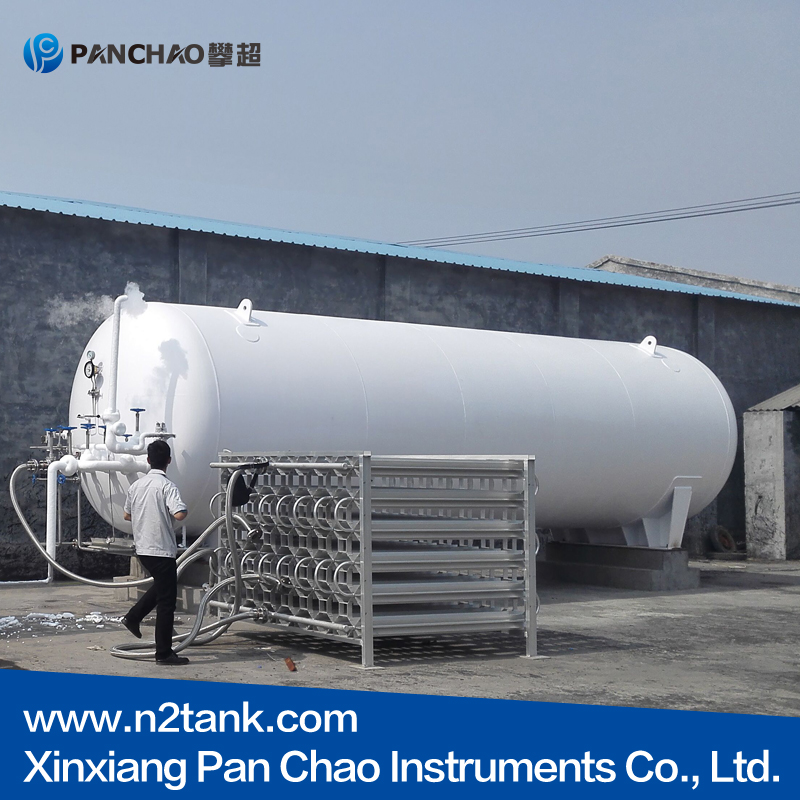
Cryogenic Liquid Tanks are available in vertical or horizonta...[more]
- 310 cubic meters cryogenic Liqui
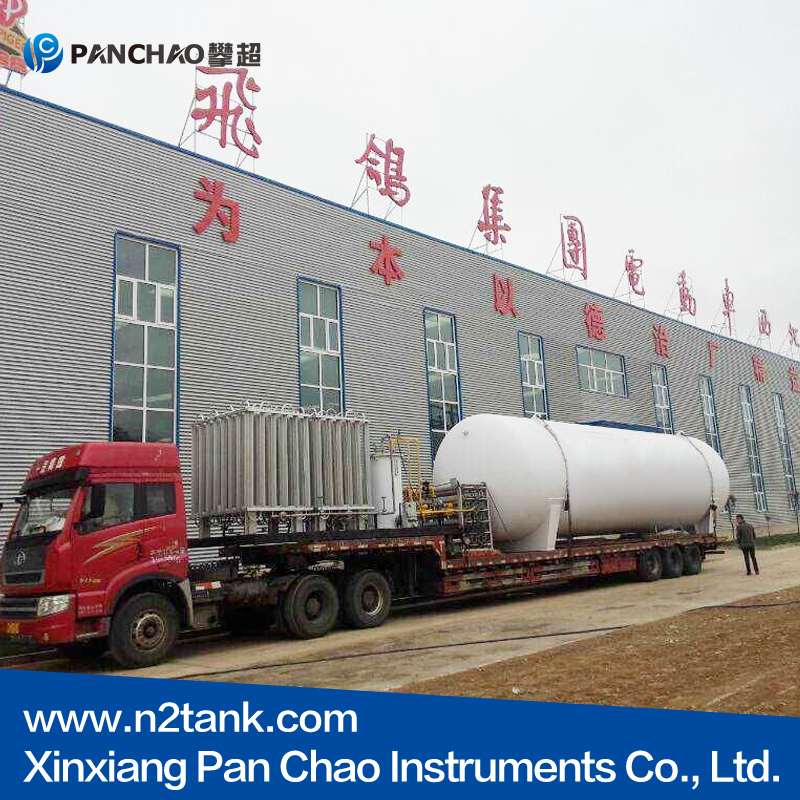
Cryogenic Liquid Tanks are available in vertical or horizonta...[more]
- 4GB150 pressure vessels cryogeni
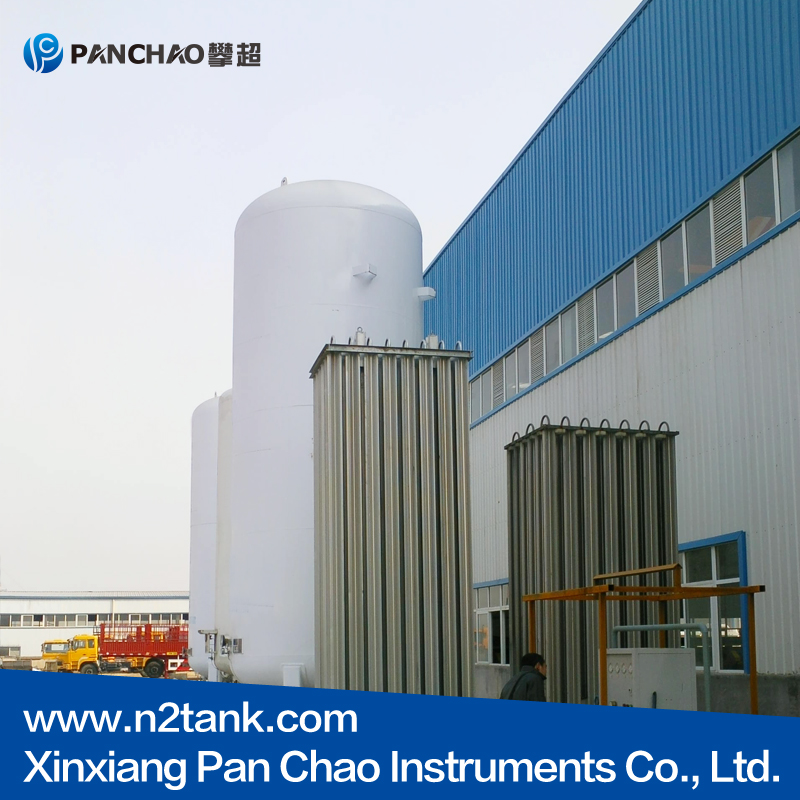
Cryogenic Liquid Tanks are available in vertical or horizonta...[more]
- 5New double Vertical cryogenic L
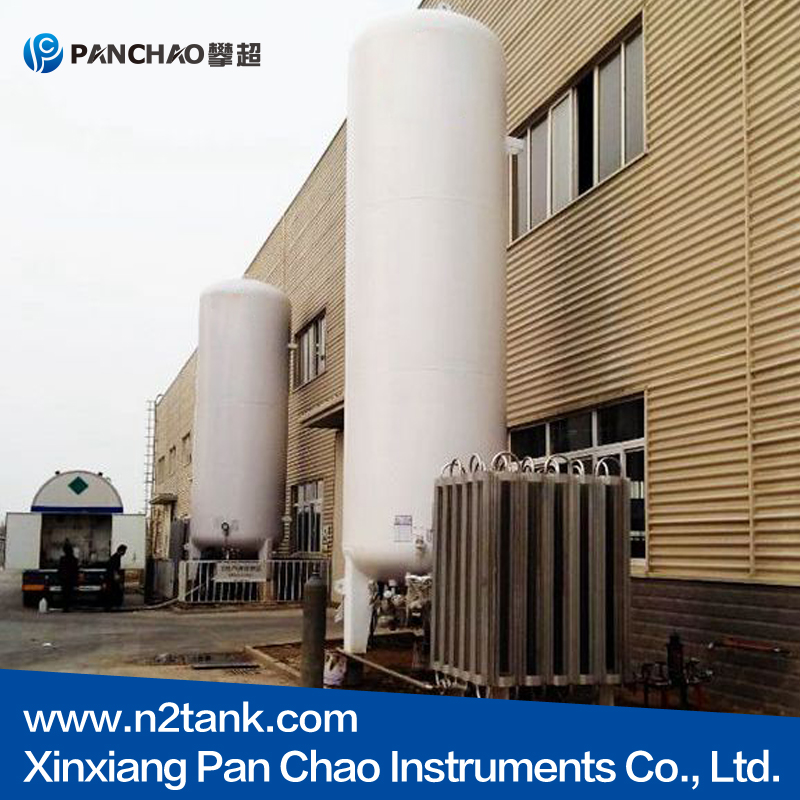
Cryogenic Liquid Tanks are available in vertical or horizonta...[more]
Rankings Of Similar Articles
- LN₂ Tank Annular Structure: The Secret to Low Evaporation R
- How to Evaluate Liquid Nitrogen Container Performance Through
- Impact of Ambient Temperature on the Evaporation Rate of Liqu
- Impact of Ambient Temperature on the Evaporation Rate of Liqu
- Relationship Between Liquid Nitrogen Container Capacity and E
- Why Does the Evaporation Rate of Liquid Nitrogen Containers I
- How to Evaluate Liquid Nitrogen Evaporation Using the Weighin
- Difference Between Static Evaporation Rate and Actual Evapora
- How to Understand the Static Evaporation Rate of a Liquid Nit
- How to Understand the Static Evaporation Rate of a Liquid Nit
Latest Information
- Does Frost on the Outside of a Liquid Nitrogen Tank Always In
- Why Liquid Nitrogen Dewars Should Not Be Stored Empty Long-Te
- How to Understand the Static Evaporation Rate of a Liquid Nit
- Aluminum Alloy vs. Stainless Steel Liquid Nitrogen Tanks: Adv
- The Cooling Principle of Liquid Nitrogen Tanks: How Do They M
- The Vacuum Layer in Liquid Nitrogen Tanks: Invisible but Esse
- Holiday Notice
- Storage Environment Requirements for Liquid Nitrogen Tanks: T
- Hot sale thawing cup
- Storage of liquid nitrogen tank
