
Why Portable Liquid Nitrogen Tanks Place Higher Demands on Vacuum Technology
Compared with stationary storage tanks, portable liquid nitrogen tanks place much higher demands on vacuum insulation technology. Although their capacity is smaller, maintaining stable low-temperature performance in a compact, mobile design is far more challenging. The quality of the vacuum process becomes a decisive factor in their reliability and service life.
The first reason is limited insulation space. Portable liquid nitrogen tanks have thinner walls and a narrower vacuum interlayer. This means there is less room to compensate for heat transfer. Even a slight reduction in vacuum quality can significantly increase heat conduction, leading to rapid evaporation of liquid nitrogen. In contrast, larger stationary tanks often have more insulation margin.
Secondly, portable tanks experience frequent movement and vibration. Transportation, manual handling, and field use expose the tank to shocks and continuous mechanical stress. These conditions place high demands on weld integrity, sealing quality, and vacuum stability. A poorly executed vacuum process may initially meet specifications but degrade quickly under repeated vibration.
Another critical factor is neck tube heat conduction sensitivity. Portable tanks typically use shorter and thinner neck tubes to reduce size and weight. While this design improves portability, it also makes heat transfer paths more sensitive to vacuum performance. Any residual gas in the vacuum layer can dramatically increase conductive heat flow through the neck region.
Portable liquid nitrogen tanks are also more exposed to environmental temperature fluctuations. Outdoor use, frequent opening, and varying ambient conditions create stronger thermal cycles. A high-quality vacuum layer is essential to buffer these changes and prevent sudden increases in evaporation rate.
In addition, weight optimization in portable designs leaves less tolerance for insulation failure. Manufacturers often reduce material thickness to keep the tank lightweight. As a result, vacuum insulation must perform at a higher level to compensate for reduced structural mass.
Finally, long-term vacuum retention is especially critical. Portable tanks are often refilled and reused many times over their lifespan. Each refill introduces thermal and mechanical stress, making poor vacuum processes more likely to fail prematurely.
In summary, portable liquid nitrogen tanks demand superior vacuum technology due to limited insulation space, frequent movement, sensitive neck design, environmental exposure, and strict weight constraints. High-quality vacuum extraction, reliable sealing, and stable insulation are essential to ensure low evaporation rates and dependable performance in portable cryogenic applications.
Relevant Information
- Why the Vacuum Layer of a Liquid Nitrogen Tank Cannot Be Repaired On-Site
- The Fundamental Reasons Behind Performance Degradation in Liquid Nitrogen Tanks
- How to Understand the Static Evaporation Rate of a Liquid Nitrogen Tank
- How to Understand the Static Evaporation Rate of a Liquid Nitrogen Tank
- How the Outer Shell Material of a Liquid Nitrogen Tank Affects Its Overall Serv
- Application Comparison of Liquid Nitrogen Tanks by Capacity
- How Neck Tube Length Affects Evaporation Loss in Liquid Nitrogen Tanks
- Five Typical Signs of Vacuum Failure in Liquid Nitrogen Tanks
- Key Indicators That Define the Insulation Performance of Liquid Nitrogen Tanks
- Design of the Inner Canister (Rack) in Liquid Nitrogen Tanks

Latest Products
- 110m3 double wall cryogenic Liqu
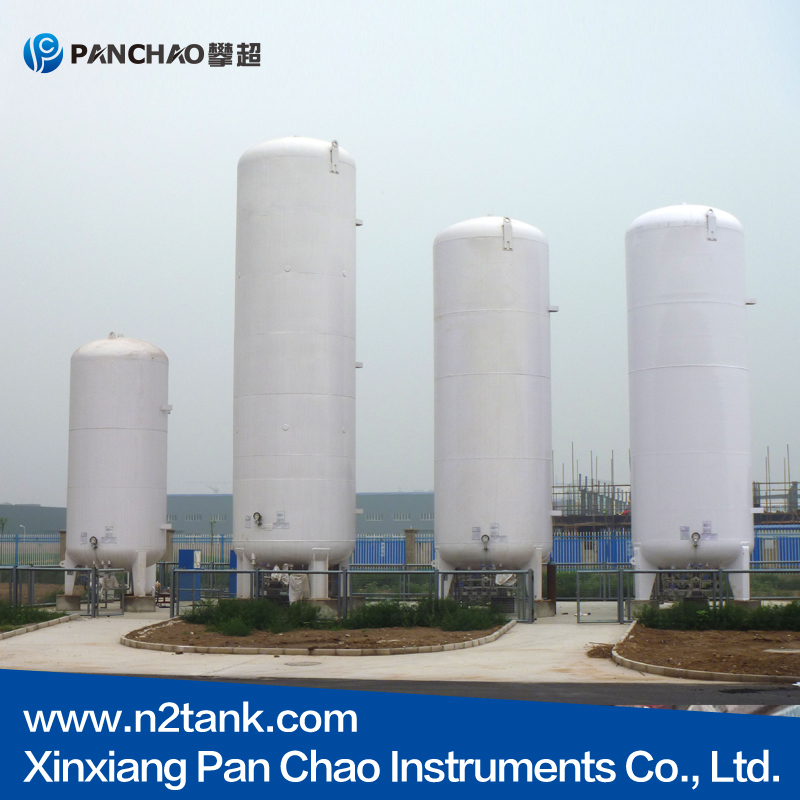
Cryogenic Liquid Tanks are available in vertical or horizonta...[more]
- 2vertical stainless steel pressu
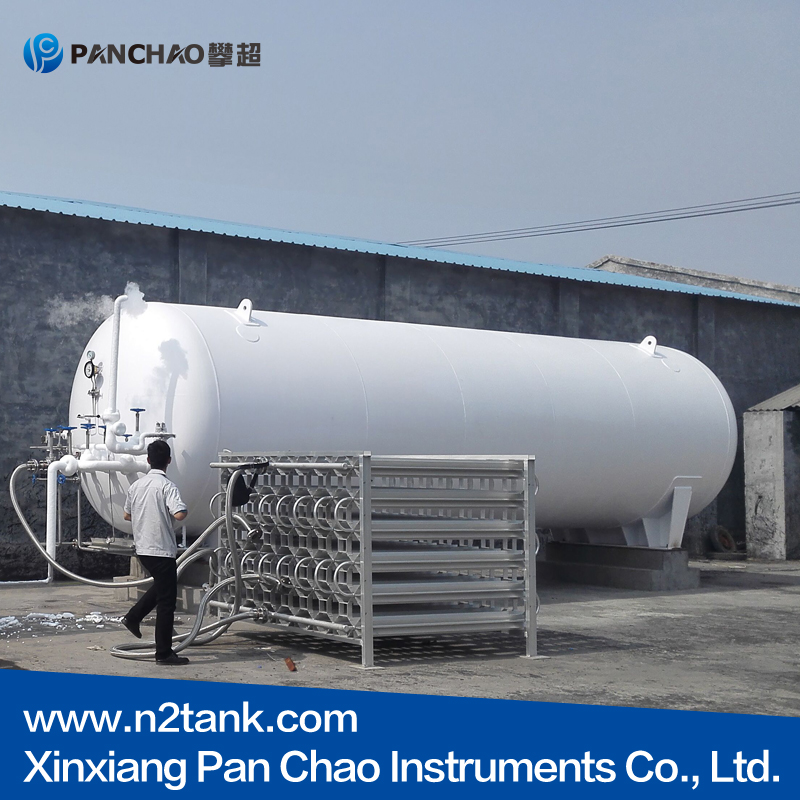
Cryogenic Liquid Tanks are available in vertical or horizonta...[more]
- 310 cubic meters cryogenic Liqui
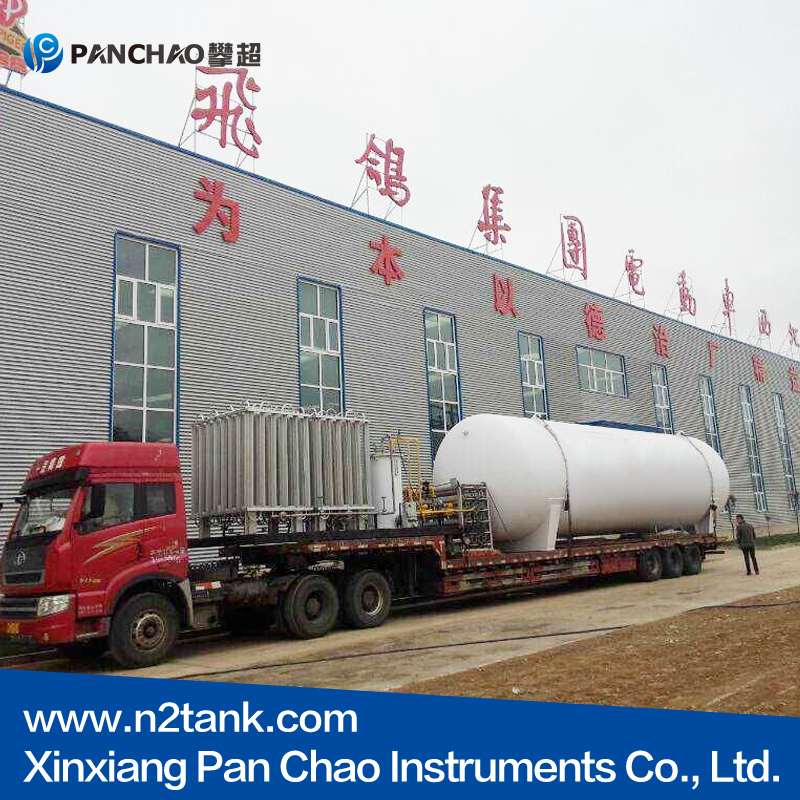
Cryogenic Liquid Tanks are available in vertical or horizonta...[more]
- 4GB150 pressure vessels cryogeni
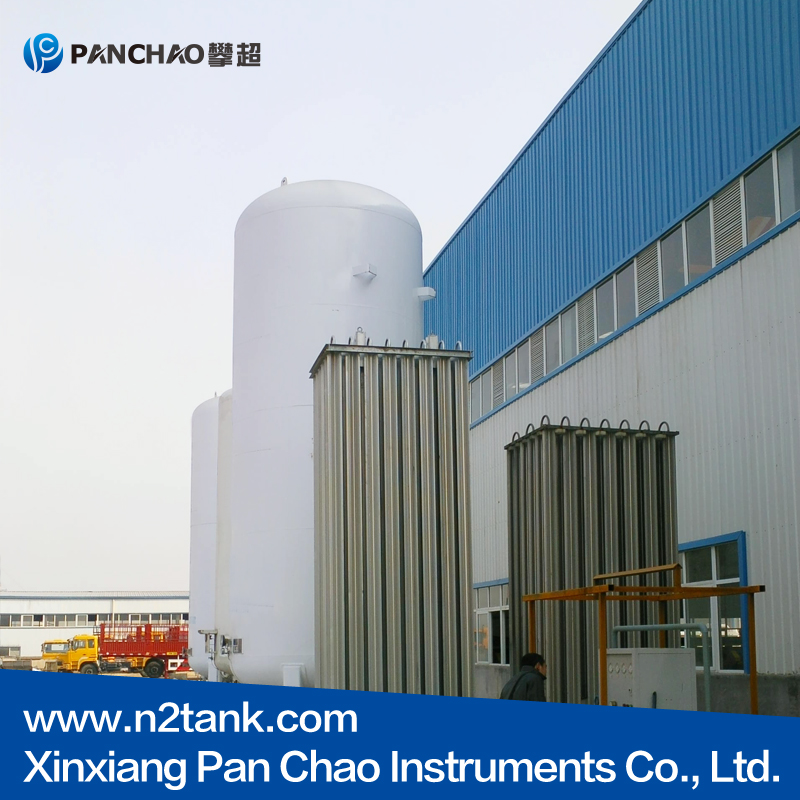
Cryogenic Liquid Tanks are available in vertical or horizonta...[more]
- 5New double Vertical cryogenic L
Cryogenic Liquid Tanks are available in vertical or horizonta...[more]
Rankings Of Similar Articles
- Why the Vacuum Layer of a Liquid Nitrogen Tank Cannot Be Repa
- The Fundamental Reasons Behind Performance Degradation in Liq
- How to Understand the Static Evaporation Rate of a Liquid Nit
- How to Understand the Static Evaporation Rate of a Liquid Nit
- How the Outer Shell Material of a Liquid Nitrogen Tank Affect
- Application Comparison of Liquid Nitrogen Tanks by Capacity
- How Neck Tube Length Affects Evaporation Loss in Liquid Nitro
- Five Typical Signs of Vacuum Failure in Liquid Nitrogen Tanks
- Key Indicators That Define the Insulation Performance of Liqu
- Design of the Inner Canister (Rack) in Liquid Nitrogen Tanks
Latest Information
- How to Understand the Static Evaporation Rate of a Liquid Nit
- Aluminum Alloy vs. Stainless Steel Liquid Nitrogen Tanks: Adv
- The Cooling Principle of Liquid Nitrogen Tanks: How Do They M
- The Vacuum Layer in Liquid Nitrogen Tanks: Invisible but Esse
- Holiday Notice
- Storage Environment Requirements for Liquid Nitrogen Tanks: T
- Hot sale thawing cup
- Storage of liquid nitrogen tank
- Application of liquid nitrogen tank in heat treatment field
- Liquid nitrogen tank for nitrogen station
