
Why the Vacuum Layer of a Liquid Nitrogen Tank Cannot Be Repaired On-Site
The vacuum layer is the core insulation structure of a liquid nitrogen tank, and once it fails, many users naturally ask whether it can be repaired on-site. In practice, the vacuum layer of a liquid nitrogen tank cannot be effectively repaired in the field, and this limitation is rooted in both engineering and safety realities.
First, creating a high-quality vacuum requires specialized factory equipment. During manufacturing, the space between the inner and outer shells is evacuated using high-vacuum pumps and monitored with precision instruments. This process often includes multi-stage pumping, heating (bake-out) to remove absorbed gases, and the installation of getters to maintain long-term vacuum stability. These steps are impossible to replicate in an on-site environment.
Second, vacuum failure is usually caused by micro-leaks or structural defects. These leaks often occur at weld seams, neck tube joints, or hidden internal interfaces. Identifying the exact leak location requires helium leak detectors and controlled testing conditions. Even if a suspected area is sealed externally, internal leakage paths often remain, making any temporary fix unreliable.
Another key issue is loss of insulation integrity. Once air and moisture enter the vacuum layer, the multi-layer insulation inside becomes contaminated. Moisture can condense or freeze, creating permanent thermal bridges. Simply re-evacuating the space—if it were even possible—would not restore the insulation to its original performance.
Safety concerns also prevent on-site repair. Welding or heating a tank that has contained liquid nitrogen is extremely dangerous without proper degassing, drying, and pressure control. Residual nitrogen, trapped moisture, and pressure differentials can lead to cracking or sudden structural failure.
Additionally, liquid nitrogen tanks are sealed, integrated systems. Opening the vacuum layer requires cutting the outer shell, which permanently compromises structural strength and alignment. After such intervention, the tank can no longer meet its original design standards or safety certifications.
In summary, the vacuum layer of a liquid nitrogen tank cannot be repaired on-site because high-vacuum generation, leak detection, insulation recovery, and structural resealing all require controlled factory conditions and specialized equipment. When vacuum failure occurs, replacement is usually the only safe and reliable solution.
Relevant Information
- Why Portable Liquid Nitrogen Tanks Place Higher Demands on Vacuum Technology
- The Fundamental Reasons Behind Performance Degradation in Liquid Nitrogen Tanks
- How to Understand the Static Evaporation Rate of a Liquid Nitrogen Tank
- How to Understand the Static Evaporation Rate of a Liquid Nitrogen Tank
- How the Outer Shell Material of a Liquid Nitrogen Tank Affects Its Overall Serv
- Five Typical Signs of Vacuum Failure in Liquid Nitrogen Tanks
- Key Indicators That Define the Insulation Performance of Liquid Nitrogen Tanks
- Design of the Inner Canister (Rack) in Liquid Nitrogen Tanks
- A Detailed Explanation of Vacuum Evacuation Technology in Liquid Nitrogen Tanks
- Causes of Vacuum Failure in Liquid Nitrogen Tanks and On-Site Identification Me

Latest Products
- 110m3 double wall cryogenic Liqu
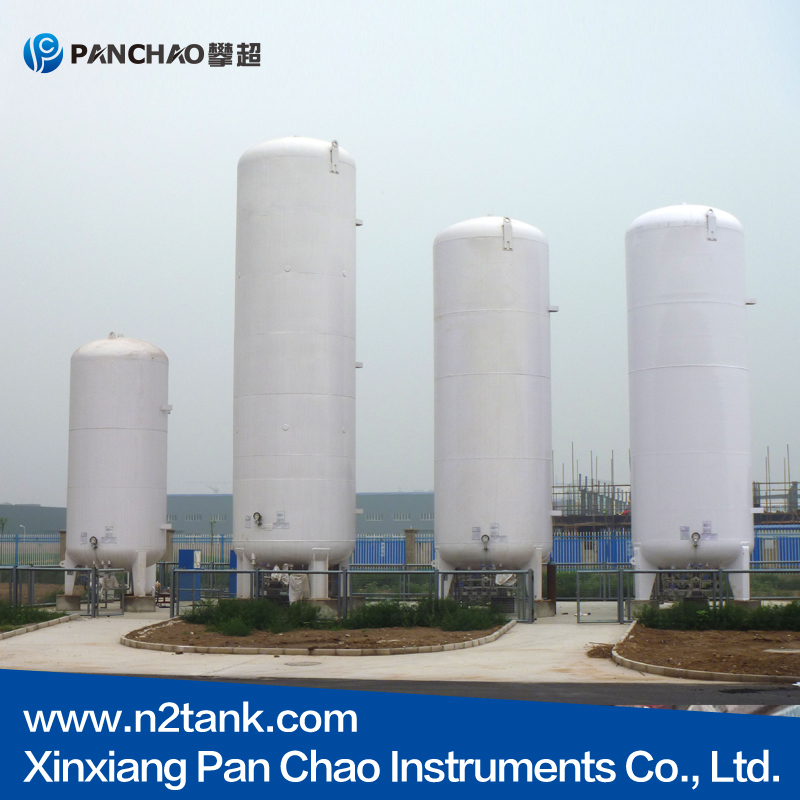
Cryogenic Liquid Tanks are available in vertical or horizonta...[more]
- 2vertical stainless steel pressu
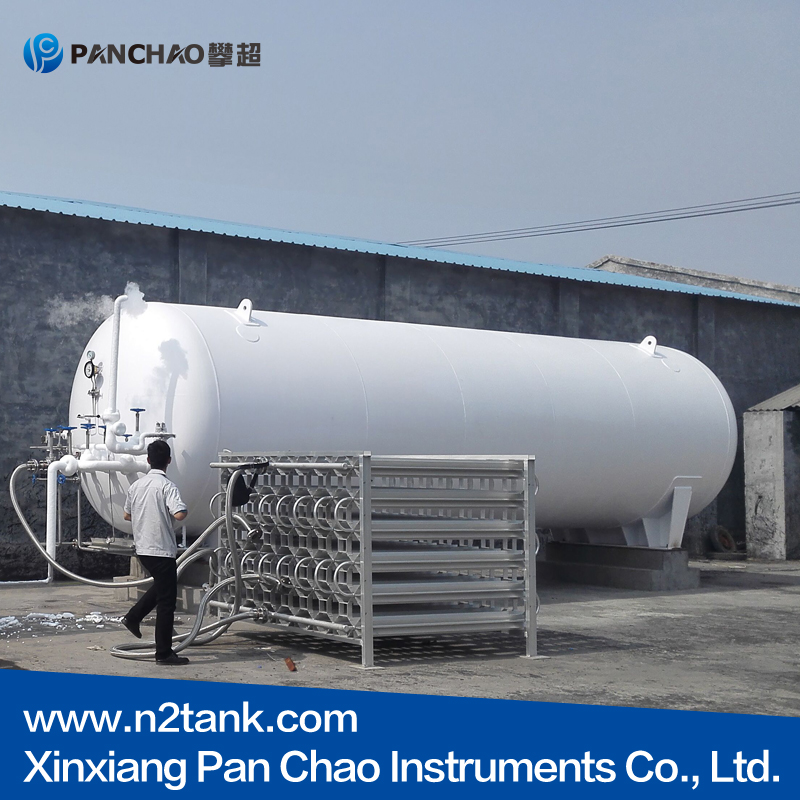
Cryogenic Liquid Tanks are available in vertical or horizonta...[more]
- 310 cubic meters cryogenic Liqui
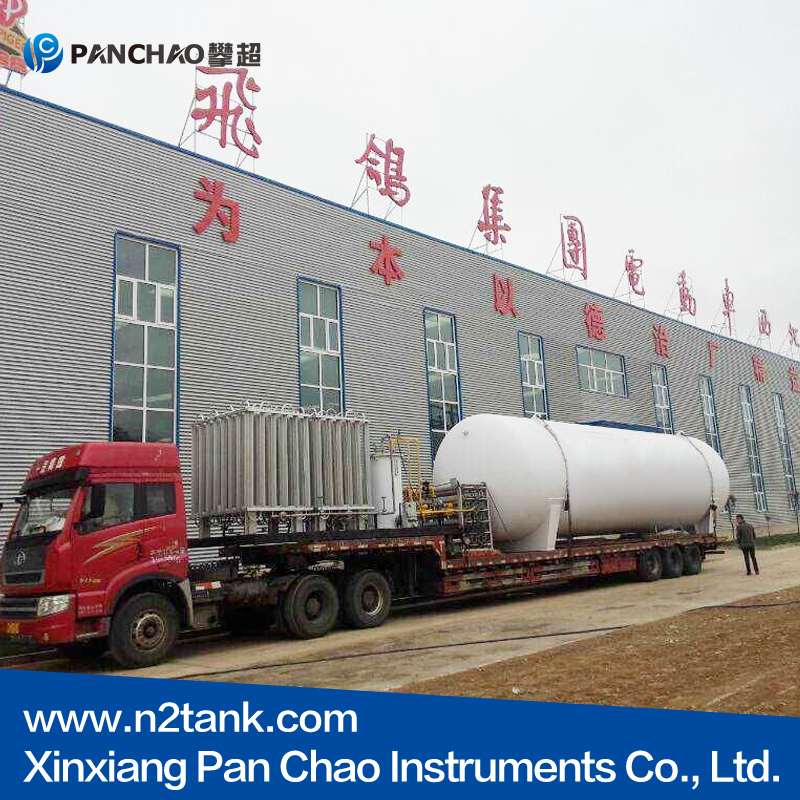
Cryogenic Liquid Tanks are available in vertical or horizonta...[more]
- 4GB150 pressure vessels cryogeni
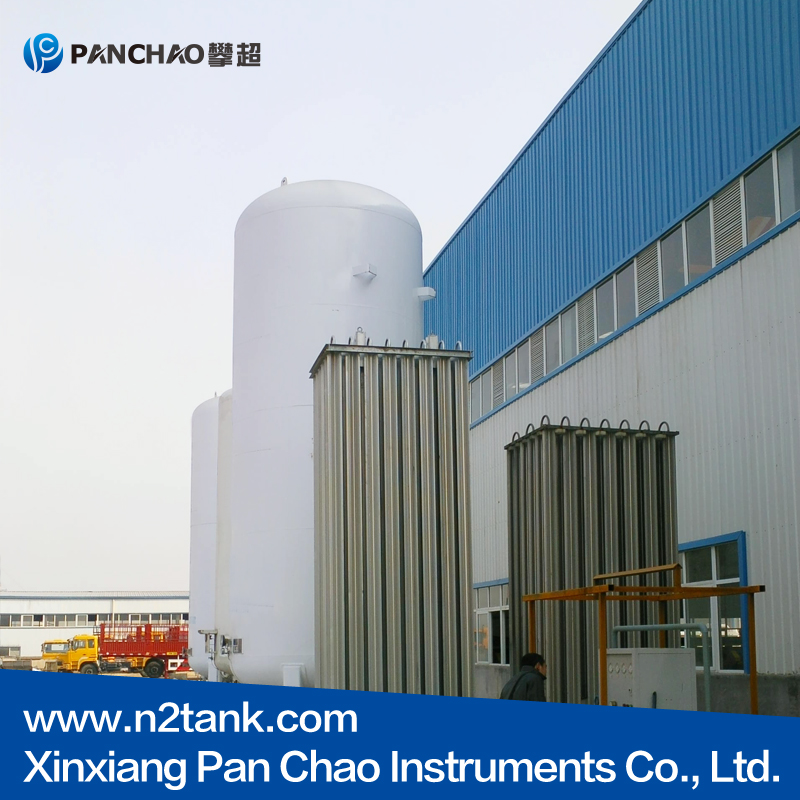
Cryogenic Liquid Tanks are available in vertical or horizonta...[more]
- 5New double Vertical cryogenic L
Cryogenic Liquid Tanks are available in vertical or horizonta...[more]
Rankings Of Similar Articles
- Why Portable Liquid Nitrogen Tanks Place Higher Demands on Va
- The Fundamental Reasons Behind Performance Degradation in Liq
- How to Understand the Static Evaporation Rate of a Liquid Nit
- How to Understand the Static Evaporation Rate of a Liquid Nit
- How the Outer Shell Material of a Liquid Nitrogen Tank Affect
- Five Typical Signs of Vacuum Failure in Liquid Nitrogen Tanks
- Key Indicators That Define the Insulation Performance of Liqu
- Design of the Inner Canister (Rack) in Liquid Nitrogen Tanks
- A Detailed Explanation of Vacuum Evacuation Technology in Liq
- Causes of Vacuum Failure in Liquid Nitrogen Tanks and On-Site
Latest Information
- How to Understand the Static Evaporation Rate of a Liquid Nit
- Aluminum Alloy vs. Stainless Steel Liquid Nitrogen Tanks: Adv
- The Cooling Principle of Liquid Nitrogen Tanks: How Do They M
- The Vacuum Layer in Liquid Nitrogen Tanks: Invisible but Esse
- Holiday Notice
- Storage Environment Requirements for Liquid Nitrogen Tanks: T
- Hot sale thawing cup
- Storage of liquid nitrogen tank
- Application of liquid nitrogen tank in heat treatment field
- Liquid nitrogen tank for nitrogen station
