
How Is the Design Service Life of a Liquid Nitrogen Tank Determined?
The design service life of a liquid nitrogen tank is not an arbitrary number. It is the result of engineering calculations, material limits, insulation performance, and real-world usage assumptions. Understanding how this lifespan is defined helps users better evaluate maintenance needs, replacement timing, and operational risk.
The most critical factor is vacuum insulation longevity. Liquid nitrogen tanks rely on a high-vacuum layer combined with multi-layer insulation to minimize heat transfer. During design, manufacturers estimate how long the vacuum can be maintained based on weld quality, sealing technology, outgassing rates of internal materials, and the effectiveness of getters. Since vacuum degradation is irreversible in the field, this factor largely determines the upper limit of service life.
Material fatigue and structural integrity are also key considerations. The inner vessel, outer shell, neck tube, and welds are subjected to repeated thermal cycling between ambient temperature and −196 °C. Engineers evaluate fatigue resistance using material data, weld design standards, and safety factors to predict how many cycles the structure can withstand without cracking or deformation.
Another element is expected usage conditions. Design life assumptions include filling frequency, typical liquid nitrogen levels, transport intensity, vibration exposure, and ambient temperature range. Portable tanks, for example, usually have shorter design lives than stationary tanks due to more frequent handling and mechanical stress.
Evaporation performance criteria are also built into the design life. Manufacturers specify acceptable limits for static evaporation rate increase over time. When a tank can no longer meet these performance thresholds—even if it remains structurally intact—it is considered to have reached the end of its effective service life.
Compliance with standards and safety regulations further influences design life. International and regional standards require conservative safety margins, pressure ratings, and material selections that indirectly define how long a tank can be safely used under normal conditions.
Finally, quality control during manufacturing plays a decisive role. Tanks produced with high concentricity, precise welding, clean vacuum processing, and controlled insulation assembly consistently achieve or exceed their designed lifespan.
In summary, the design service life of a liquid nitrogen tank is determined by vacuum retention capability, material fatigue resistance, assumed operating conditions, performance thresholds, and regulatory requirements. Proper use and maintenance can help a tank approach its design life, but once insulation or structural limits are reached, replacement becomes the only safe option.
Relevant Information
- Is the Safety Valve of a Liquid Nitrogen Tank Really “Just for Venting”?
- Why Concentricity Between the Inner and Outer Vessels of a Liquid Nitrogen Tank
- Why the Vacuum Layer of a Liquid Nitrogen Tank Cannot Be Repaired On-Site
- The Fundamental Reasons Behind Performance Degradation in Liquid Nitrogen Tanks
- How to Understand the Static Evaporation Rate of a Liquid Nitrogen Tank
- How to Understand the Static Evaporation Rate of a Liquid Nitrogen Tank
- How the Outer Shell Material of a Liquid Nitrogen Tank Affects Its Overall Serv
- How Neck Tube Length Affects Evaporation Loss in Liquid Nitrogen Tanks
- Five Typical Signs of Vacuum Failure in Liquid Nitrogen Tanks
- Key Indicators That Define the Insulation Performance of Liquid Nitrogen Tanks

Latest Products
- 110m3 double wall cryogenic Liqu
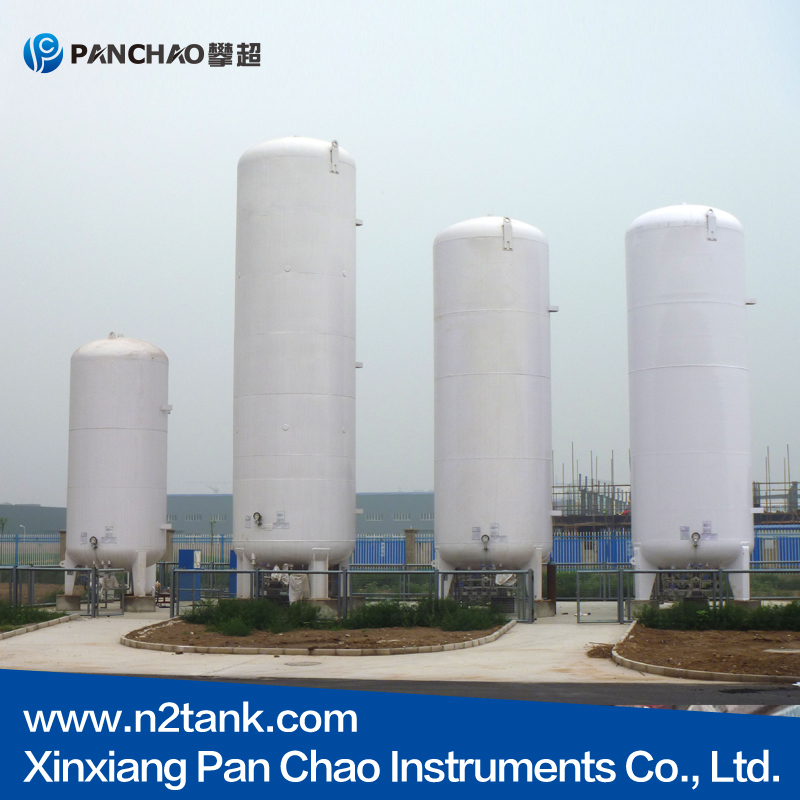
Cryogenic Liquid Tanks are available in vertical or horizonta...[more]
- 2vertical stainless steel pressu
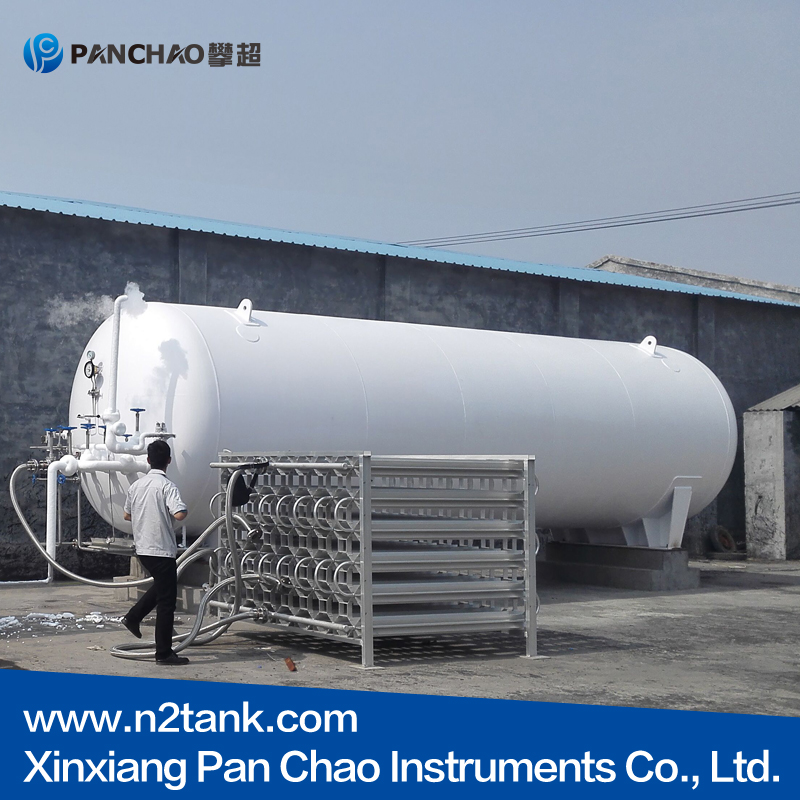
Cryogenic Liquid Tanks are available in vertical or horizonta...[more]
- 310 cubic meters cryogenic Liqui
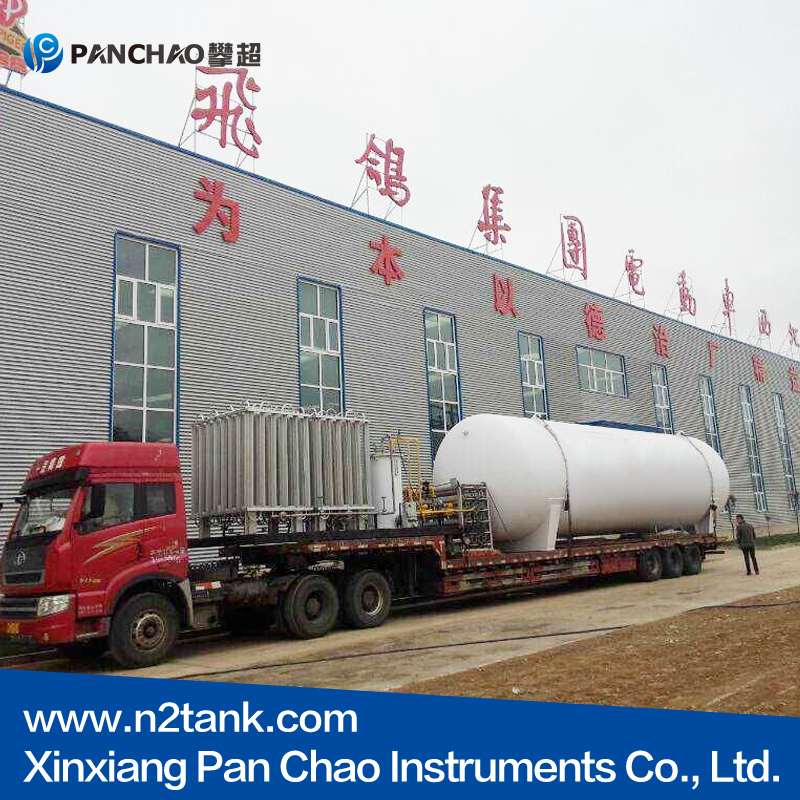
Cryogenic Liquid Tanks are available in vertical or horizonta...[more]
- 4GB150 pressure vessels cryogeni
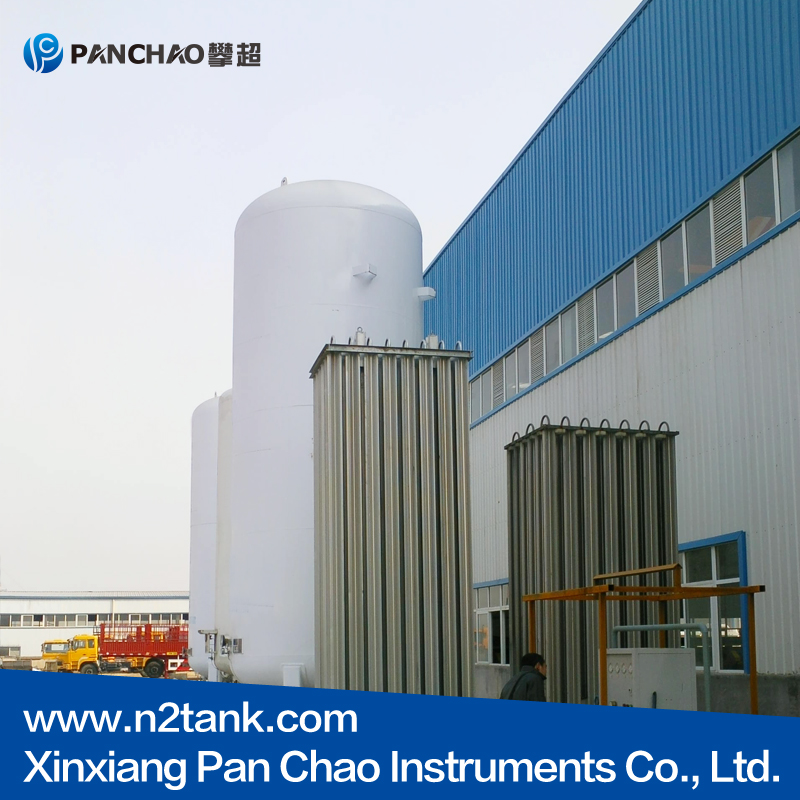
Cryogenic Liquid Tanks are available in vertical or horizonta...[more]
- 5New double Vertical cryogenic L
Cryogenic Liquid Tanks are available in vertical or horizonta...[more]
Rankings Of Similar Articles
- Is the Safety Valve of a Liquid Nitrogen Tank Really “Just
- Why Concentricity Between the Inner and Outer Vessels of a Li
- Why the Vacuum Layer of a Liquid Nitrogen Tank Cannot Be Repa
- The Fundamental Reasons Behind Performance Degradation in Liq
- How to Understand the Static Evaporation Rate of a Liquid Nit
- How to Understand the Static Evaporation Rate of a Liquid Nit
- How the Outer Shell Material of a Liquid Nitrogen Tank Affect
- How Neck Tube Length Affects Evaporation Loss in Liquid Nitro
- Five Typical Signs of Vacuum Failure in Liquid Nitrogen Tanks
- Key Indicators That Define the Insulation Performance of Liqu
Latest Information
- How to Understand the Static Evaporation Rate of a Liquid Nit
- Aluminum Alloy vs. Stainless Steel Liquid Nitrogen Tanks: Adv
- The Cooling Principle of Liquid Nitrogen Tanks: How Do They M
- The Vacuum Layer in Liquid Nitrogen Tanks: Invisible but Esse
- Holiday Notice
- Storage Environment Requirements for Liquid Nitrogen Tanks: T
- Hot sale thawing cup
- Storage of liquid nitrogen tank
- Application of liquid nitrogen tank in heat treatment field
- Liquid nitrogen tank for nitrogen station
