
Which Cryogenic Biological Samples Are Suitable for Storage in Liquid Nitrogen Tanks?
Liquid nitrogen tanks play a critical role in cryogenic storage, providing a stable environment at −196 °C that effectively halts biological activity and biochemical degradation. Because of this ultra-low temperature, liquid nitrogen tanks are suitable for a wide range of biological samples that require long-term preservation with minimal loss of viability or genetic integrity.
One of the most common applications is the storage of reproductive materials, including animal semen, embryos, and oocytes. In livestock breeding and veterinary medicine, liquid nitrogen tanks are essential for preserving genetic resources, supporting artificial insemination programs, and enabling long-distance transport of valuable breeding material.
Cell lines and primary cells are another major category. Stem cells, immune cells, hybridoma cells, and other cultured cells can be preserved in liquid nitrogen for years while maintaining their biological characteristics. This is especially important in biomedical research, pharmaceutical development, and cell therapy applications, where consistency and reproducibility are critical.
Liquid nitrogen tanks are also widely used for tissue samples. Biopsy specimens, organ tissues, and tumor samples are stored for pathological analysis, biobanking, and future research. Cryogenic storage prevents enzymatic activity and molecular degradation, ensuring reliable downstream testing such as histology, proteomics, and genomic sequencing.
In addition, microorganisms—including bacteria, fungi, and viruses—are well suited for liquid nitrogen storage. Research laboratories and industrial fermentation facilities rely on cryogenic preservation to maintain strain stability and prevent genetic drift over time.
Blood components and biomolecules, such as plasma, DNA, RNA, and proteins, can also be stored in liquid nitrogen when ultra-long preservation or maximum molecular stability is required. This is particularly relevant for biobanks and high-value reference samples.
In summary, liquid nitrogen tanks are suitable for reproductive materials, cells, tissues, microorganisms, and sensitive biomolecules. Their ability to provide a stable, ultra-low-temperature environment makes them an indispensable tool in biotechnology, medicine, agriculture, and scientific research.
Relevant Information
- Liquid Nitrogen Tank Transport Guidelines: A Complete Guide to Anti-Tilt and An
- Design Logic of the Inner Canister in Liquid Nitrogen Tanks: How It Protects Sa
- Risk Analysis of Liquid Nitrogen Tank Rupture: Causes and Prevention Measures
- A Complete Analysis of Application Scenarios for Portable Liquid Nitrogen Tanks
- Why Does a Narrower Neck Improve the Insulation of a Liquid Nitrogen Tank?
- Portable Liquid Nitrogen Containers
- Liquid Nitrogen Tank Vacuuming Technology: The Core of Long-Term Insulation
- Internal Canister Design in Liquid Nitrogen Tanks: The Key to Sample Safety
- Liquid Nitrogen Tank Leak Detection Methods and Repair Recommendations
- Liquid Nitrogen Tank Transportation Guide: Anti-Tilt and Anti-Vibration Precaut

Latest Products
- 110m3 double wall cryogenic Liqu
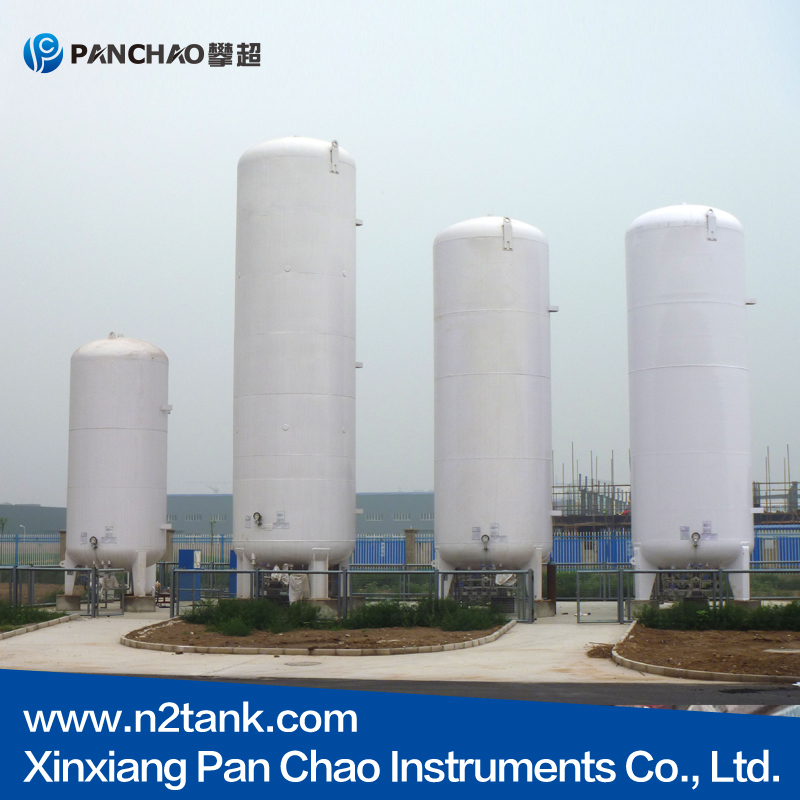
Cryogenic Liquid Tanks are available in vertical or horizonta...[more]
- 2vertical stainless steel pressu
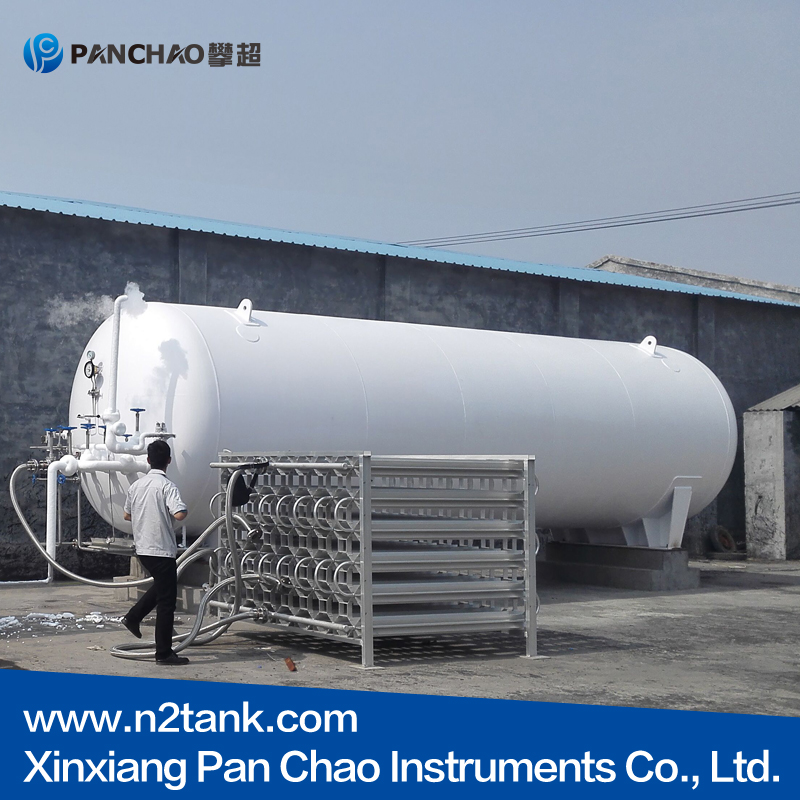
Cryogenic Liquid Tanks are available in vertical or horizonta...[more]
- 310 cubic meters cryogenic Liqui
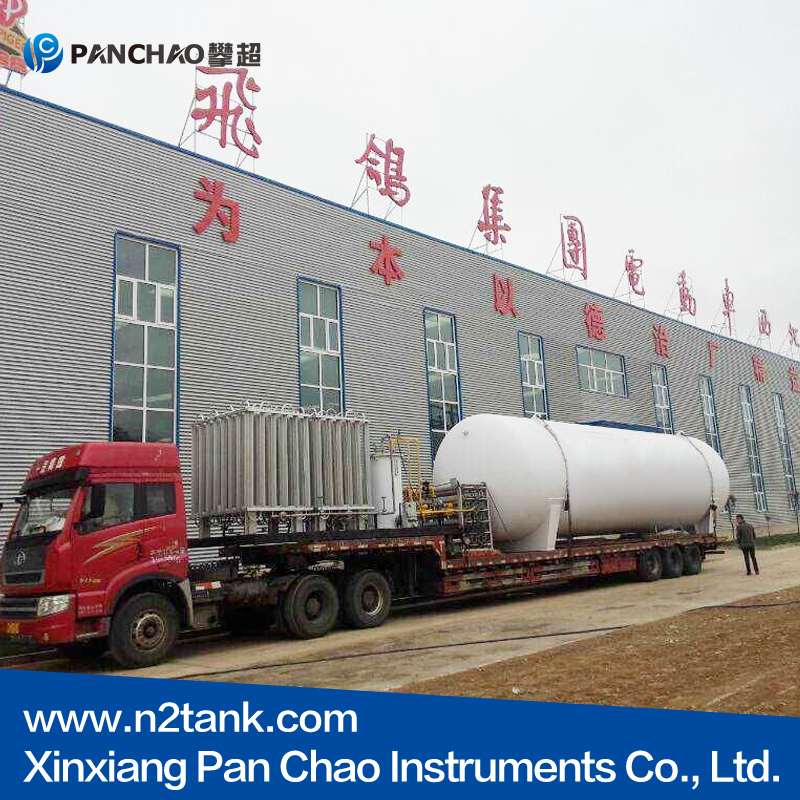
Cryogenic Liquid Tanks are available in vertical or horizonta...[more]
- 4GB150 pressure vessels cryogeni
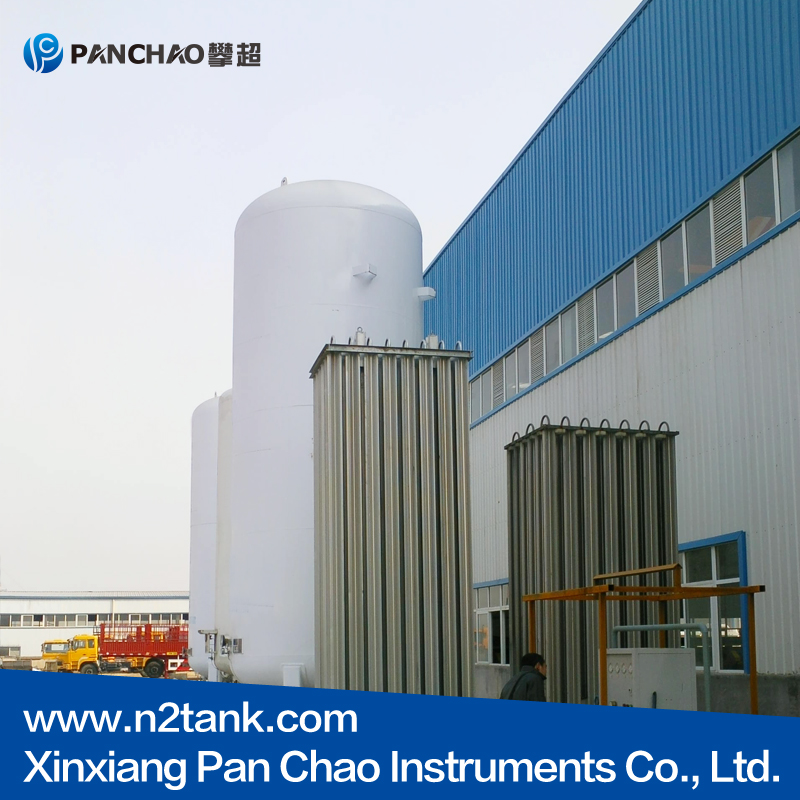
Cryogenic Liquid Tanks are available in vertical or horizonta...[more]
- 5New double Vertical cryogenic L
Cryogenic Liquid Tanks are available in vertical or horizonta...[more]
Rankings Of Similar Articles
- Liquid Nitrogen Tank Transport Guidelines: A Complete Guide t
- Design Logic of the Inner Canister in Liquid Nitrogen Tanks:
- Risk Analysis of Liquid Nitrogen Tank Rupture: Causes and Pre
- A Complete Analysis of Application Scenarios for Portable Liq
- Why Does a Narrower Neck Improve the Insulation of a Liquid N
- Portable Liquid Nitrogen Containers
- Liquid Nitrogen Tank Vacuuming Technology: The Core of Long-T
- Internal Canister Design in Liquid Nitrogen Tanks: The Key to
- Liquid Nitrogen Tank Leak Detection Methods and Repair Recomm
- Liquid Nitrogen Tank Transportation Guide: Anti-Tilt and Anti
Latest Information
- Why Liquid Nitrogen Dewars Should Not Be Stored Empty Long-Te
- How to Understand the Static Evaporation Rate of a Liquid Nit
- Aluminum Alloy vs. Stainless Steel Liquid Nitrogen Tanks: Adv
- The Cooling Principle of Liquid Nitrogen Tanks: How Do They M
- The Vacuum Layer in Liquid Nitrogen Tanks: Invisible but Esse
- Holiday Notice
- Storage Environment Requirements for Liquid Nitrogen Tanks: T
- Hot sale thawing cup
- Storage of liquid nitrogen tank
- Application of liquid nitrogen tank in heat treatment field
