
Liquid Nitrogen Tank Transport Guidelines: A Complete Guide to Anti-Tilt and Anti-Vibration Safety
Transporting liquid nitrogen (LN₂) tanks requires strict attention to stability, vibration control, and pressure safety. Whether used in laboratories, medical institutions, or livestock operations, improper transport can damage the tank structure, degrade vacuum performance, or compromise stored samples. This guide outlines essential precautions to ensure safe, reliable transportation.
1. Keep the Tank Upright
Liquid nitrogen tanks must always remain upright during movement. Tilting a tank can cause LN₂ to splash onto the neck plug, resulting in rapid boiling, frost buildup, or pressure variations. For models with internal canisters, tilting may also disrupt sample positioning and increase contamination risks. Use upright carts or secure brackets to keep the tank vertical throughout transit.
2. Prevent Excessive Vibration
Continuous vibration during transport—especially in vehicles—can weaken welds, damage the vacuum layer, and accelerate internal heat leakage. To minimize vibration:
-
Use shock-absorbing pads or foam bases
-
Secure the tank firmly with straps
-
Avoid rough roads when possible
-
Opt for slow, steady driving rather than sudden acceleration
Reducing vibration extends the tank’s service life and preserves insulation efficiency.
3. Avoid Sealing the Neck Plug
The tank’s neck opening must stay ventilated to release nitrogen vapor. During transport, never place airtight covers, tape, or plastic film over the neck. Blocking the vent can lead to dangerous pressure buildup, increasing the risk of tank deformation or rupture.
4. Limit Movement of Internal Canisters
Before moving the tank, ensure canisters are properly seated. Some users use foam spacers or locking rings for added stability during long transports. This prevents sample impact, reduces stirring of LN₂, and ensures steady evaporation conditions.
5. Protect the Outer Shell
Scratches and dents can compromise the tank’s vacuum jacket. Use padded transport crates for long-distance delivery and avoid dropping or dragging the tank on rough surfaces.
Conclusion
Following proper anti-tilt and anti-vibration practices ensures safe LN₂ transport, protects sensitive biological samples, and prolongs the operational life of the tank.
Relevant Information
- Liquid Nitrogen Tank Maintenance Guide: From Daily Checks to Long-Term Care
- A Selection Guide for Different Liquid Nitrogen Tank Models: Choosing for Resea
- Design Logic of the Inner Canister in Liquid Nitrogen Tanks: How It Protects Sa
- Risk Analysis of Liquid Nitrogen Tank Rupture: Causes and Prevention Measures
- How Is the Static Holding Time of a Liquid Nitrogen Tank Calculated?
- What to Do When a Liquid Nitrogen Tank Leaks: Detection Methods and Repair Sugg
- A Complete Analysis of Application Scenarios for Portable Liquid Nitrogen Tanks
- A Detailed Explanation of Liquid Nitrogen Tank Vacuum Technology: The Core of C
- Why Does a Narrower Neck Improve the Insulation of a Liquid Nitrogen Tank?
- Portable Liquid Nitrogen Containers

Latest Products
- 110m3 double wall cryogenic Liqu

Cryogenic Liquid Tanks are available in vertical or horizonta...[more]
- 2vertical stainless steel pressu
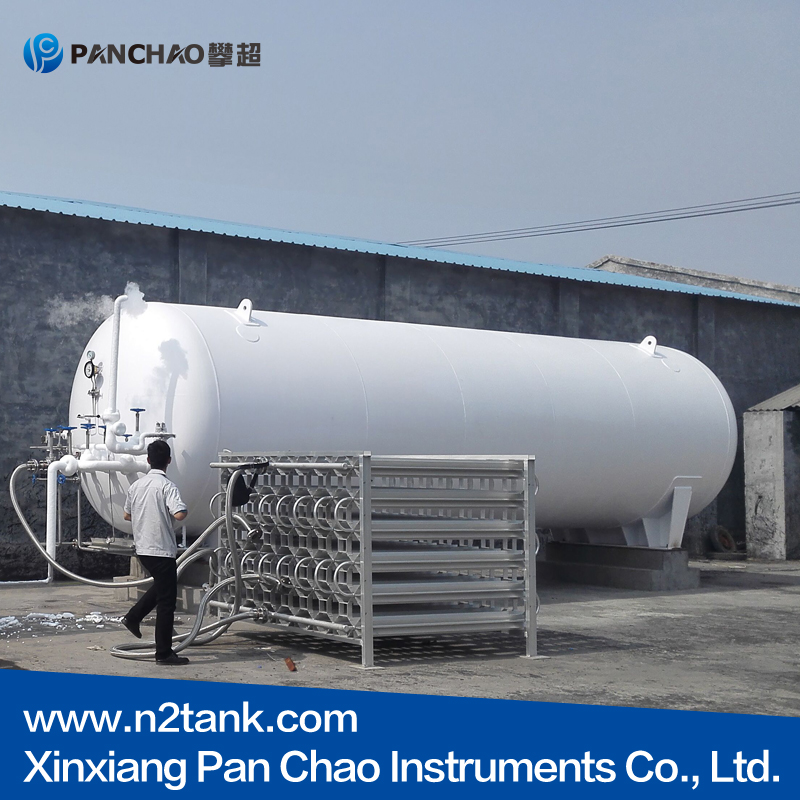
Cryogenic Liquid Tanks are available in vertical or horizonta...[more]
- 310 cubic meters cryogenic Liqui
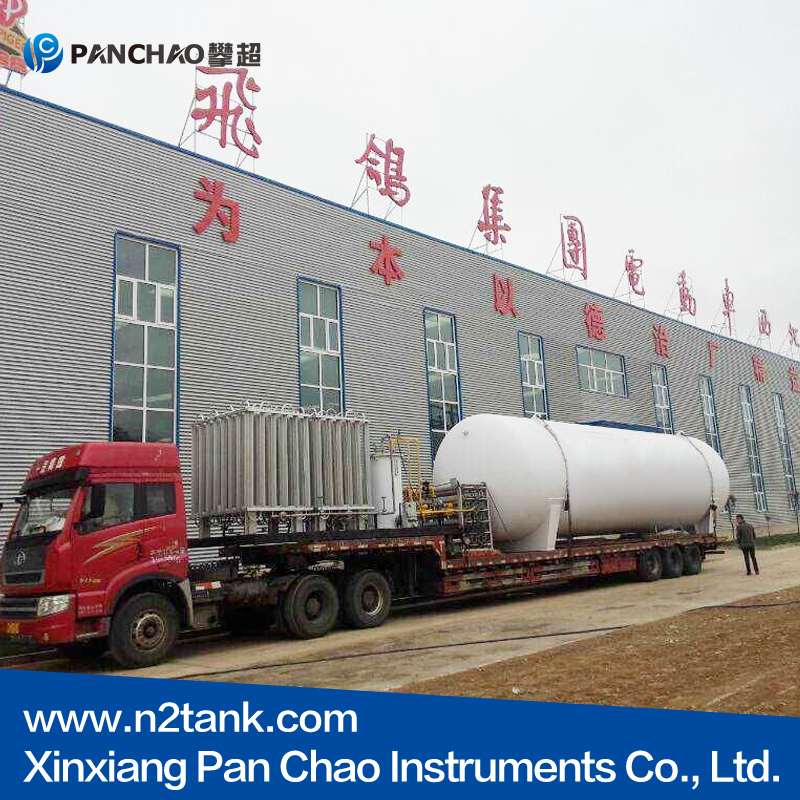
Cryogenic Liquid Tanks are available in vertical or horizonta...[more]
- 4GB150 pressure vessels cryogeni
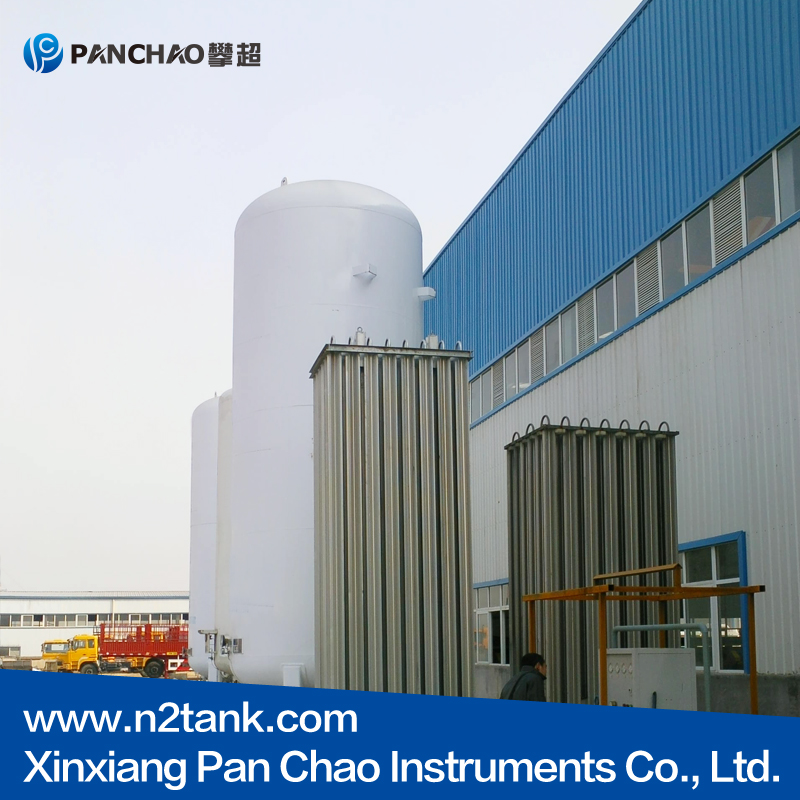
Cryogenic Liquid Tanks are available in vertical or horizonta...[more]
- 5New double Vertical cryogenic L
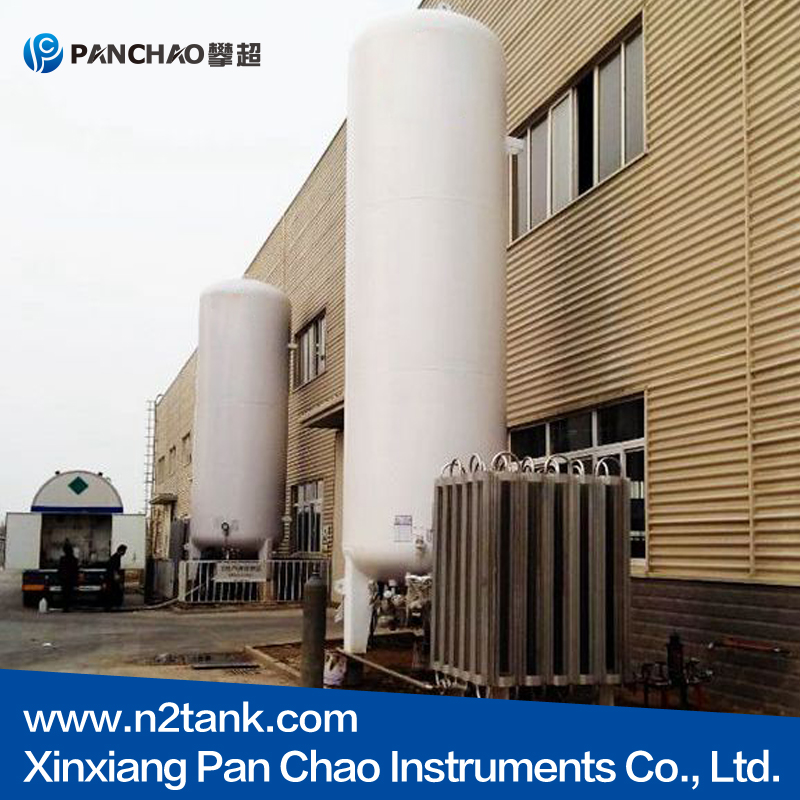
Cryogenic Liquid Tanks are available in vertical or horizonta...[more]
Rankings Of Similar Articles
- Liquid Nitrogen Tank Maintenance Guide: From Daily Checks to
- A Selection Guide for Different Liquid Nitrogen Tank Models:
- Design Logic of the Inner Canister in Liquid Nitrogen Tanks:
- Risk Analysis of Liquid Nitrogen Tank Rupture: Causes and Pre
- How Is the Static Holding Time of a Liquid Nitrogen Tank Calc
- What to Do When a Liquid Nitrogen Tank Leaks: Detection Metho
- A Complete Analysis of Application Scenarios for Portable Liq
- A Detailed Explanation of Liquid Nitrogen Tank Vacuum Technol
- Why Does a Narrower Neck Improve the Insulation of a Liquid N
- Portable Liquid Nitrogen Containers
Latest Information
- The Cooling Principle of Liquid Nitrogen Tanks: How Do They M
- The Vacuum Layer in Liquid Nitrogen Tanks: Invisible but Esse
- Holiday Notice
- Storage Environment Requirements for Liquid Nitrogen Tanks: T
- Hot sale thawing cup
- Storage of liquid nitrogen tank
- Application of liquid nitrogen tank in heat treatment field
- Liquid nitrogen tank for nitrogen station
- What is the liquid nitrogen tank made of?
- What is the liquid nitrogen tank made of?
