
Why Can’t Liquid Nitrogen Containers Be Completely Sealed?
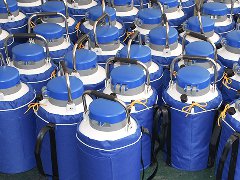
Liquid nitrogen containers are specially designed for storing cryogenic liquids at extremely low temperatures (−196°C). While they may appear to be tightly closed systems, they are never completely sealed. This design is not a flaw—it is a critical safety feature.
The primary reason lies in the natural behavior of liquid nitrogen. Even under optimal insulation, liquid nitrogen continuously absorbs heat from the surrounding environment and slowly evaporates into nitrogen gas. If the container were fully sealed, this ongoing evaporation would cause gas pressure to build up rapidly inside the vessel.
As pressure increases, it can exceed the structural limits of the container. In extreme cases, this may lead to deformation, rupture, or even explosion, posing serious safety risks to both personnel and equipment. To prevent this, liquid nitrogen containers are designed with a vented or loosely fitted lid that allows nitrogen gas to escape safely.
Another important consideration is operational practicality. During normal use, users frequently open the container to access samples or refill liquid nitrogen. A completely sealed structure would not only be unsafe but also highly inconvenient for routine handling.
Additionally, maintaining a controlled release of nitrogen gas helps stabilize the internal pressure and supports the overall thermal balance of the container. This ensures that the insulation system performs efficiently without being compromised by pressure fluctuations.
It is also important to note that users should never attempt to modify or tightly seal a liquid nitrogen container. Blocking the vent or forcing an airtight closure can quickly create dangerous conditions.
At Zhongpanxin, our liquid nitrogen containers are engineered with safety-first principles, combining advanced insulation technology with reliable pressure-release design. This ensures stable performance, extended holding time, and, most importantly, safe operation in laboratories, medical facilities, and industrial environments.
Safe storage is not about complete isolation—it is about controlled protection.
Relevant Information
- Why Is the Neck Tube Material of a Liquid Nitrogen Container So Critical?
- Why Liquid Nitrogen Dewars Should Not Be Stored Empty Long-Term
- What Hidden Risks Can Neck Opening Wear Cause in a Liquid Nitrogen Tank?
- Why Concentricity Between the Inner and Outer Vessels of a Liquid Nitrogen Tank
- Why the Vacuum Layer of a Liquid Nitrogen Tank Cannot Be Repaired On-Site
- Why Portable Liquid Nitrogen Tanks Place Higher Demands on Vacuum Technology
- Design of the Inner Canister (Rack) in Liquid Nitrogen Tanks
- The Cooling Principle of Liquid Nitrogen Tanks: Why Can They Maintain –196°C
- Design Logic of the Inner Canister in Liquid Nitrogen Tanks: How It Protects Sa
- Why Does a Narrower Neck Improve the Insulation of a Liquid Nitrogen Tank?

Latest Products
- 110m3 double wall cryogenic Liqu
Cryogenic Liquid Tanks are available in vertical or horizonta...[more]
- 2vertical stainless steel pressu
Cryogenic Liquid Tanks are available in vertical or horizonta...[more]
- 310 cubic meters cryogenic Liqui
Cryogenic Liquid Tanks are available in vertical or horizonta...[more]
- 4GB150 pressure vessels cryogeni
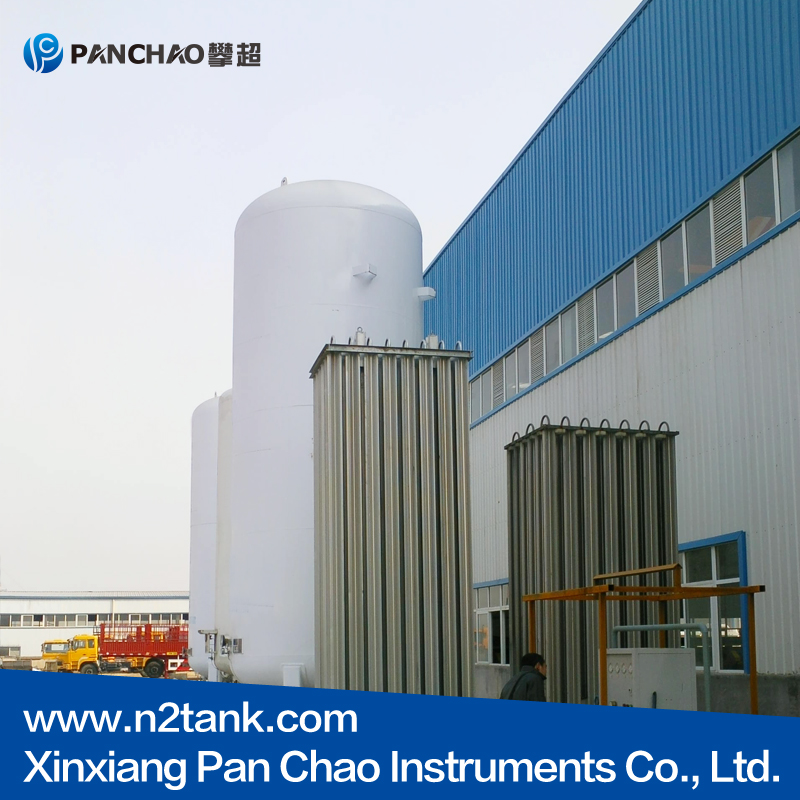
Cryogenic Liquid Tanks are available in vertical or horizonta...[more]
- 5New double Vertical cryogenic L
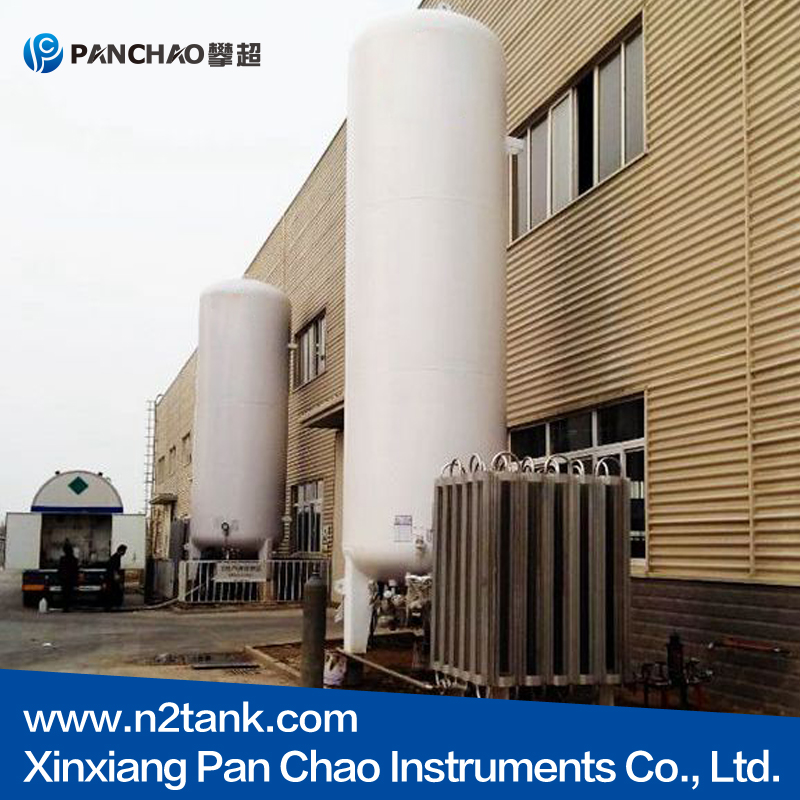
Cryogenic Liquid Tanks are available in vertical or horizonta...[more]
Rankings Of Similar Articles
- Why Is the Neck Tube Material of a Liquid Nitrogen Container
- Why Liquid Nitrogen Dewars Should Not Be Stored Empty Long-Te
- What Hidden Risks Can Neck Opening Wear Cause in a Liquid Nit
- Why Concentricity Between the Inner and Outer Vessels of a Li
- Why the Vacuum Layer of a Liquid Nitrogen Tank Cannot Be Repa
- Why Portable Liquid Nitrogen Tanks Place Higher Demands on Va
- Design of the Inner Canister (Rack) in Liquid Nitrogen Tanks
- The Cooling Principle of Liquid Nitrogen Tanks: Why Can They
- Design Logic of the Inner Canister in Liquid Nitrogen Tanks:
- Why Does a Narrower Neck Improve the Insulation of a Liquid N
Latest Information
- Does Frost on the Outside of a Liquid Nitrogen Tank Always In
- Why Liquid Nitrogen Dewars Should Not Be Stored Empty Long-Te
- How to Understand the Static Evaporation Rate of a Liquid Nit
- Aluminum Alloy vs. Stainless Steel Liquid Nitrogen Tanks: Adv
- The Cooling Principle of Liquid Nitrogen Tanks: How Do They M
- The Vacuum Layer in Liquid Nitrogen Tanks: Invisible but Esse
- Holiday Notice
- Storage Environment Requirements for Liquid Nitrogen Tanks: T
- Hot sale thawing cup
- Storage of liquid nitrogen tank
