
Why Is the Neck Tube Material of a Liquid Nitrogen Container So Critical?
In the design of a liquid nitrogen container, every structural component plays an important role in maintaining temperature stability and ensuring safe storage. Among these components, the neck tube is one of the most critical parts. Although it appears to be a small structural element, the material used in the neck tube has a significant impact on the container’s insulation performance, durability, and overall efficiency.
The neck tube connects the inner vessel, where liquid nitrogen is stored, with the outer shell of the container. Because of this structure, it becomes the main channel for heat transfer between the external environment and the cryogenic interior. If the neck tube material has high thermal conductivity, heat from the outside environment can easily enter the container, accelerating the evaporation of liquid nitrogen and shortening the holding time.
For this reason, manufacturers carefully select materials with low thermal conductivity and high structural strength. Specialized composite materials or reinforced glass fiber structures are often used to minimize heat transfer while still providing sufficient mechanical stability. This helps maintain the vacuum insulation performance of the container and reduces the static evaporation rate.
Another key requirement for neck tube materials is mechanical durability. During daily use, the neck area is frequently exposed to mechanical stress from opening the lid, inserting canisters, or handling sample racks. A high-quality neck tube must therefore resist deformation, cracking, or wear even after long-term use.
Additionally, the neck tube must perform reliably under extreme temperature differences. The interior of a liquid nitrogen container can reach temperatures around −196°C, while the outside environment may be at room temperature or higher. Materials used in the neck tube must maintain stability under these extreme thermal conditions without losing strength or insulation capability.
Our liquid nitrogen containers are designed with carefully engineered neck tube structures and high-quality materials. This ensures excellent insulation performance, improved durability, and longer liquid nitrogen holding times—helping users achieve safer and more efficient cryogenic storage.
Relevant Information
- Why Can’t Liquid Nitrogen Containers Be Completely Sealed?
- Quality Evaluation Standards for the Vacuum Pumping Process of Liquid Nitrogen
- Does Frost on the Outside of a Liquid Nitrogen Tank Always Indicate a Quality P
- Analysis of How Storage Environment Affects the Service Life of Liquid Nitrogen
- Why Liquid Nitrogen Dewars Should Not Be Stored Empty Long-Term
- How Is the Design Service Life of a Liquid Nitrogen Tank Determined?
- What Hidden Risks Can Neck Opening Wear Cause in a Liquid Nitrogen Tank?
- Is the Safety Valve of a Liquid Nitrogen Tank Really “Just for Venting”?
- Why Concentricity Between the Inner and Outer Vessels of a Liquid Nitrogen Tank
- Why the Vacuum Layer of a Liquid Nitrogen Tank Cannot Be Repaired On-Site

Latest Products
- 110m3 double wall cryogenic Liqu
Cryogenic Liquid Tanks are available in vertical or horizonta...[more]
- 2vertical stainless steel pressu
Cryogenic Liquid Tanks are available in vertical or horizonta...[more]
- 310 cubic meters cryogenic Liqui
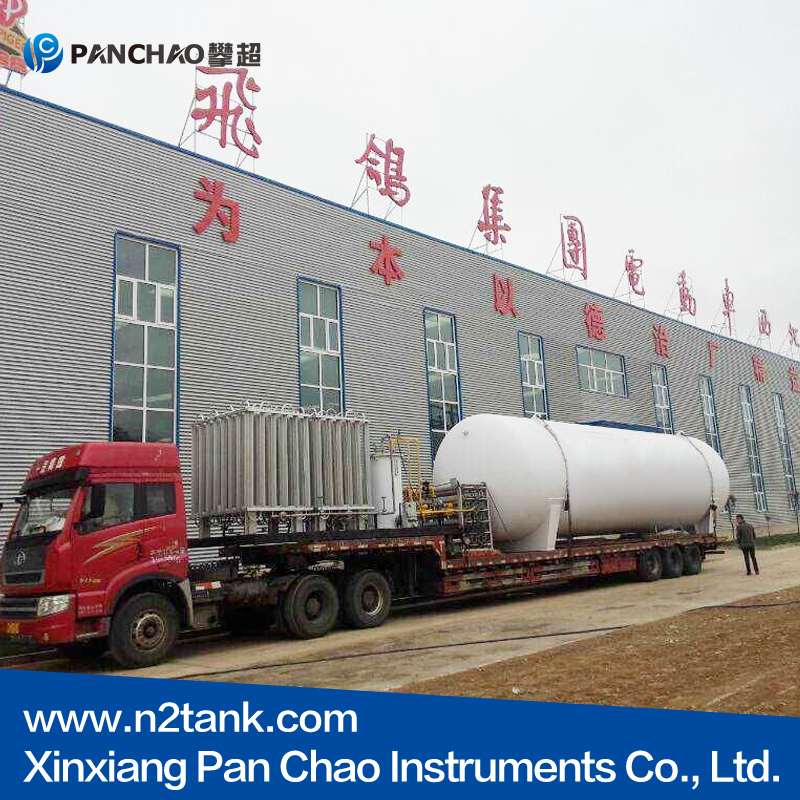
Cryogenic Liquid Tanks are available in vertical or horizonta...[more]
- 4GB150 pressure vessels cryogeni
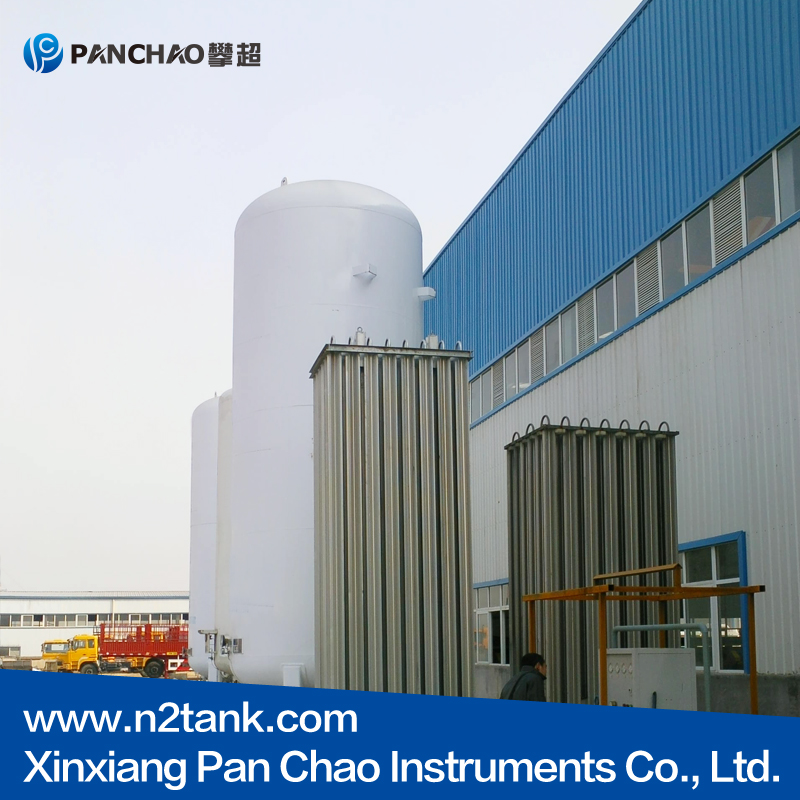
Cryogenic Liquid Tanks are available in vertical or horizonta...[more]
- 5New double Vertical cryogenic L
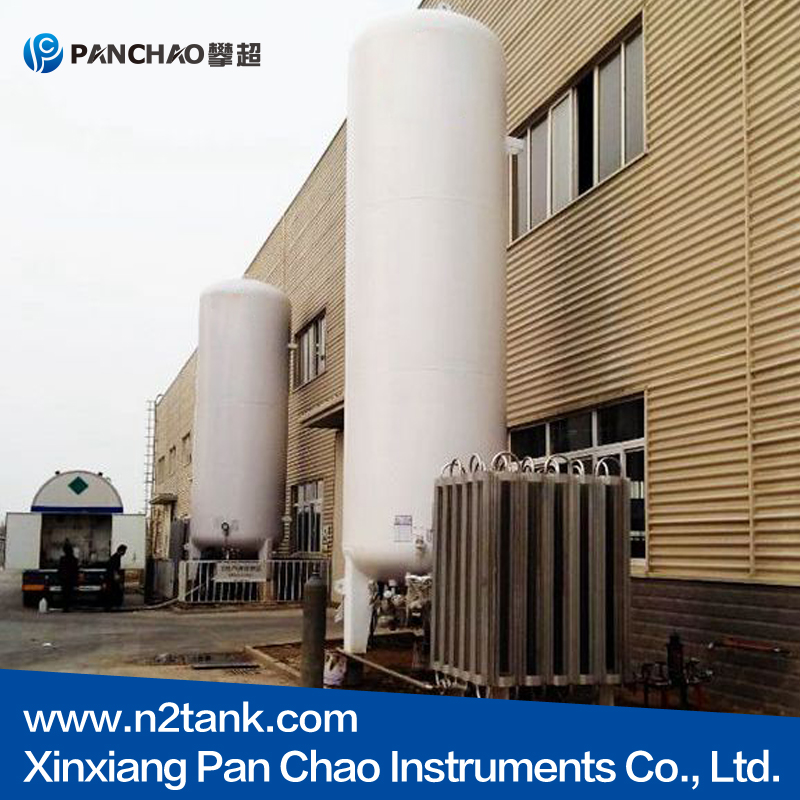
Cryogenic Liquid Tanks are available in vertical or horizonta...[more]
Rankings Of Similar Articles
- Why Can’t Liquid Nitrogen Containers Be Completely Sealed?
- Quality Evaluation Standards for the Vacuum Pumping Process o
- Does Frost on the Outside of a Liquid Nitrogen Tank Always In
- Analysis of How Storage Environment Affects the Service Life
- Why Liquid Nitrogen Dewars Should Not Be Stored Empty Long-Te
- How Is the Design Service Life of a Liquid Nitrogen Tank Dete
- What Hidden Risks Can Neck Opening Wear Cause in a Liquid Nit
- Is the Safety Valve of a Liquid Nitrogen Tank Really “Just
- Why Concentricity Between the Inner and Outer Vessels of a Li
- Why the Vacuum Layer of a Liquid Nitrogen Tank Cannot Be Repa
Latest Information
- Does Frost on the Outside of a Liquid Nitrogen Tank Always In
- Why Liquid Nitrogen Dewars Should Not Be Stored Empty Long-Te
- How to Understand the Static Evaporation Rate of a Liquid Nit
- Aluminum Alloy vs. Stainless Steel Liquid Nitrogen Tanks: Adv
- The Cooling Principle of Liquid Nitrogen Tanks: How Do They M
- The Vacuum Layer in Liquid Nitrogen Tanks: Invisible but Esse
- Holiday Notice
- Storage Environment Requirements for Liquid Nitrogen Tanks: T
- Hot sale thawing cup
- Storage of liquid nitrogen tank
