
Quality Evaluation Standards for the Vacuum Pumping Process of Liquid Nitrogen Tanks
The vacuum insulation layer is the core component that determines the thermal performance of a liquid nitrogen tank. During manufacturing, the vacuum pumping process removes air and moisture between the inner and outer vessels, creating a high-vacuum environment that greatly reduces heat transfer. Because this process directly affects insulation performance and service life, strict quality evaluation standards are required.
1. Vacuum Degree Measurement
One of the most important indicators is the final vacuum level achieved inside the insulation space. High-quality liquid nitrogen tanks typically require a high-vacuum condition to minimize conductive and convective heat transfer. Manufacturers often verify this through vacuum gauges or vacuum testing systems during production. Insufficient vacuum levels will lead to higher evaporation rates and reduced holding time.
2. Leak Detection
Even if a high vacuum is initially achieved, micro-leaks in welds or seals can gradually destroy the insulation environment. Helium leak detection is commonly used because helium molecules are extremely small and can reveal tiny leaks that other methods may miss. Tanks that fail leak detection cannot maintain stable insulation performance over time.
3. Outgassing Control
Materials inside the vacuum layer may release gases over time, a phenomenon known as outgassing. During the vacuum process, heating and extended pumping are often applied to remove absorbed gases from surfaces. Effective outgassing control ensures that the vacuum level remains stable after the tank is sealed.
4. Getter Activation
Many high-performance liquid nitrogen tanks include getter materials inside the vacuum layer. These materials absorb residual gases that remain after pumping. Proper activation of the getter during manufacturing helps maintain the vacuum for years, extending the effective insulation life of the tank.
5. Evaporation Rate Verification
After vacuum sealing, the tank's insulation performance is validated through static evaporation rate testing. This test measures how quickly liquid nitrogen evaporates under controlled conditions. A low evaporation rate confirms that the vacuum insulation system is functioning properly.
6. Structural Stability of the Vacuum Space
The internal support structures must maintain proper spacing between the inner and outer shells without creating excessive thermal bridges. Any structural deformation can compromise vacuum integrity or increase heat conduction.
In summary, the quality of the vacuum pumping process is judged by vacuum level, leak detection results, outgassing control, getter effectiveness, evaporation rate testing, and structural stability. Strict control of these parameters ensures that liquid nitrogen tanks maintain excellent insulation performance and reliable long-term operation.
Relevant Information
- Does Frost on the Outside of a Liquid Nitrogen Tank Always Indicate a Quality P
- How Long Do Liquid Nitrogen Tanks Last? Decoding Lifespan & Retirement Stan
- High quality liquid nitrogen tank supplier PANCHAO
- What are the factors affecting semen quality in liquid nitrogen tanks?
- How to judge the quality of small liquid nitrogen tank (buyer's notice)

Latest Products
- 110m3 double wall cryogenic Liqu
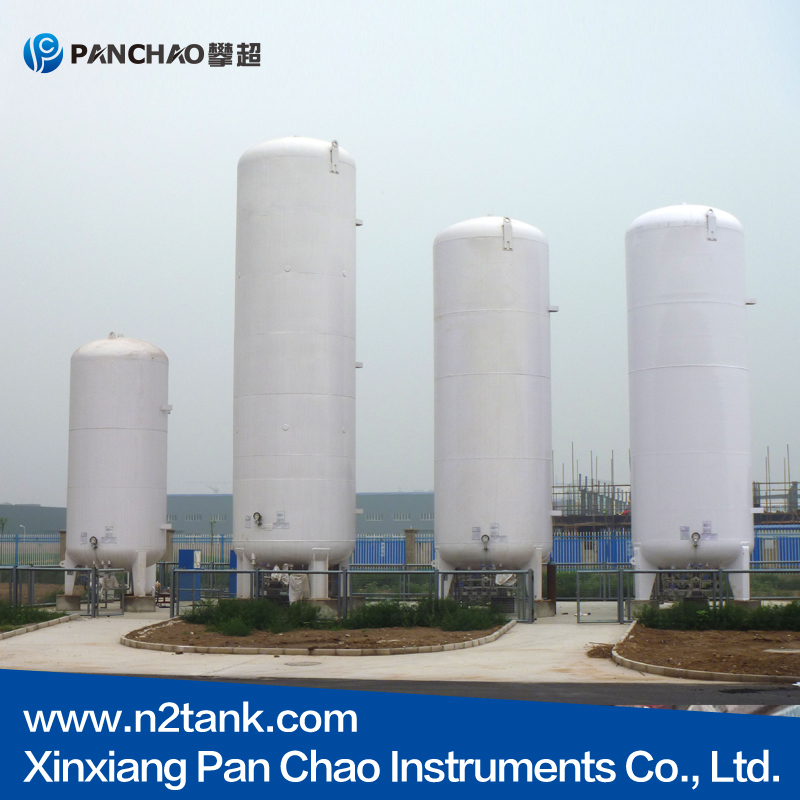
Cryogenic Liquid Tanks are available in vertical or horizonta...[more]
- 2vertical stainless steel pressu
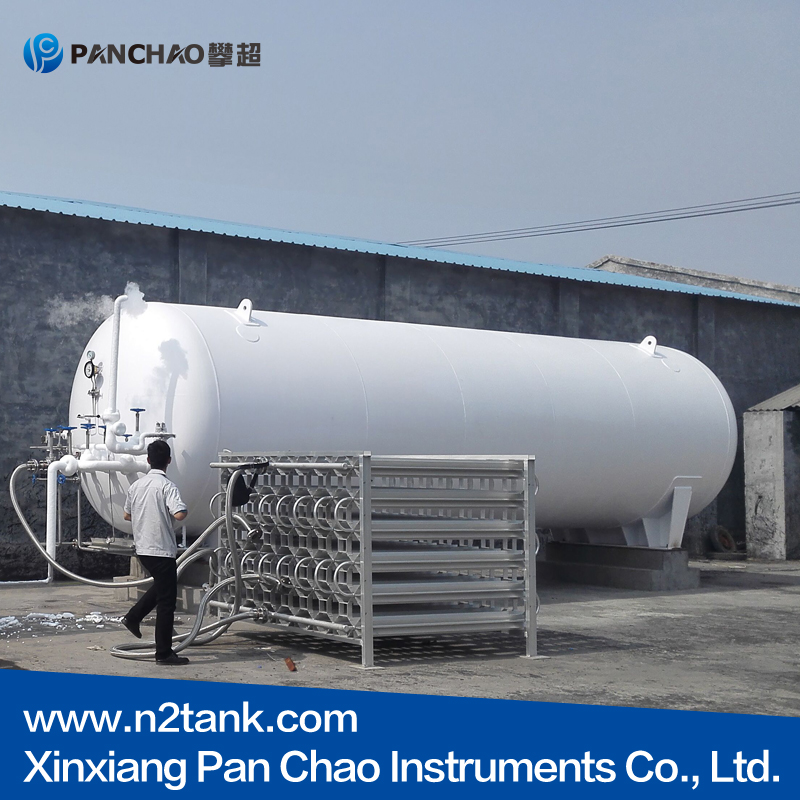
Cryogenic Liquid Tanks are available in vertical or horizonta...[more]
- 310 cubic meters cryogenic Liqui
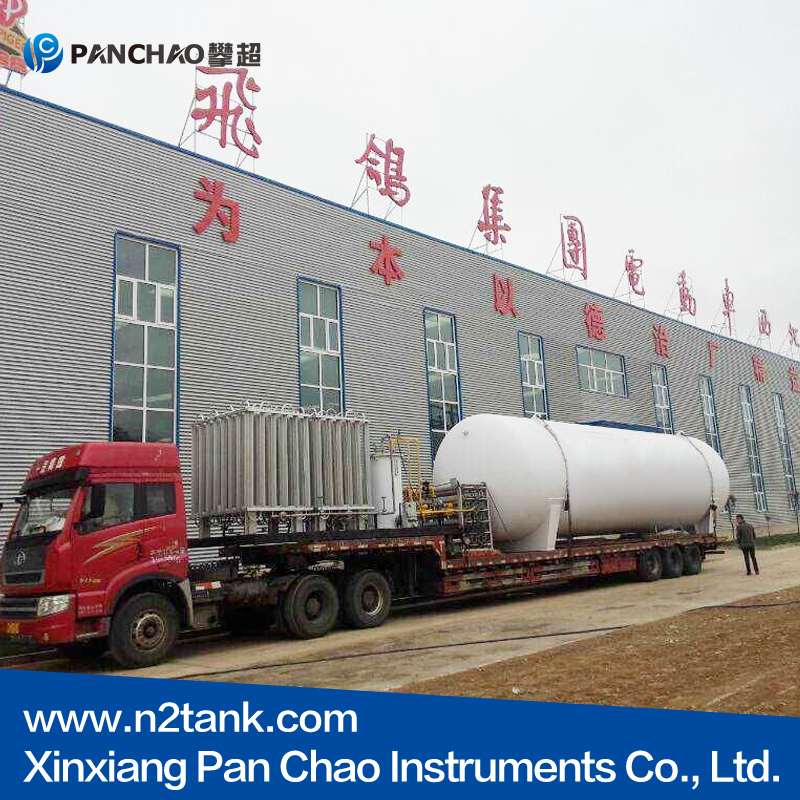
Cryogenic Liquid Tanks are available in vertical or horizonta...[more]
- 4GB150 pressure vessels cryogeni
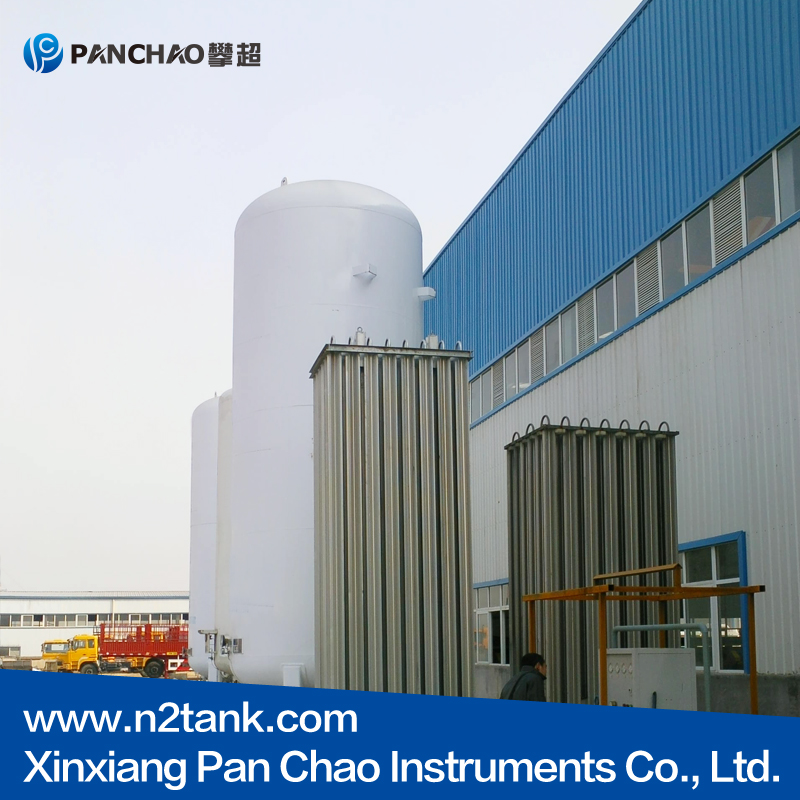
Cryogenic Liquid Tanks are available in vertical or horizonta...[more]
- 5New double Vertical cryogenic L
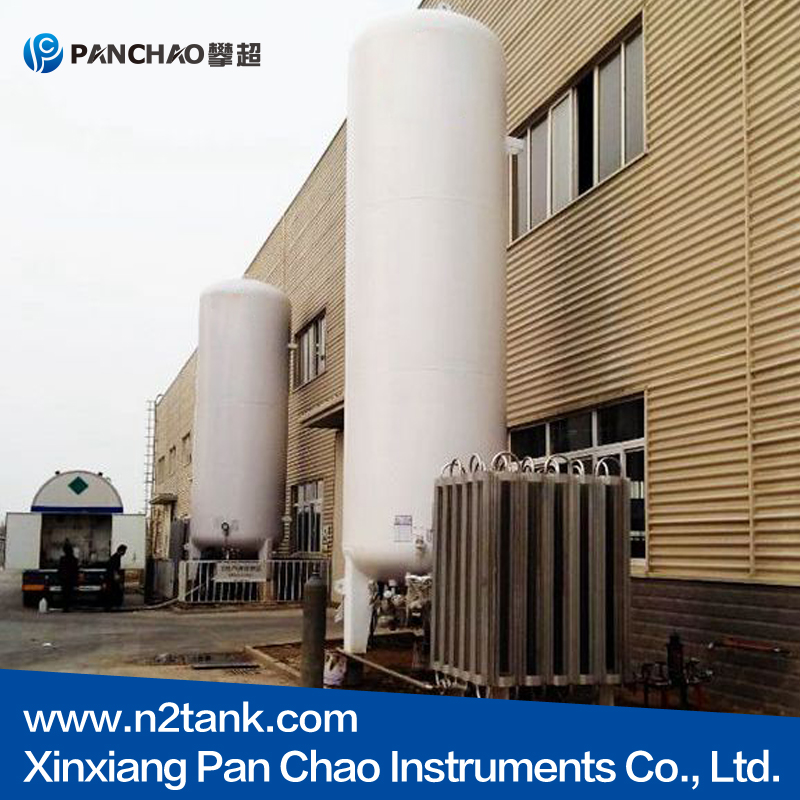
Cryogenic Liquid Tanks are available in vertical or horizonta...[more]
Rankings Of Similar Articles
- Does Frost on the Outside of a Liquid Nitrogen Tank Always In
- How Long Do Liquid Nitrogen Tanks Last? Decoding Lifespan &am
- High quality liquid nitrogen tank supplier PANCHAO
- What are the factors affecting semen quality in liquid nitrog
- How to judge the quality of small liquid nitrogen tank (buyer
Latest Information
- Does Frost on the Outside of a Liquid Nitrogen Tank Always In
- Why Liquid Nitrogen Dewars Should Not Be Stored Empty Long-Te
- How to Understand the Static Evaporation Rate of a Liquid Nit
- Aluminum Alloy vs. Stainless Steel Liquid Nitrogen Tanks: Adv
- The Cooling Principle of Liquid Nitrogen Tanks: How Do They M
- The Vacuum Layer in Liquid Nitrogen Tanks: Invisible but Esse
- Holiday Notice
- Storage Environment Requirements for Liquid Nitrogen Tanks: T
- Hot sale thawing cup
- Storage of liquid nitrogen tank
