
How to Identify Structural Abnormalities in Liquid Nitrogen Containers Through Visual Inspection
1. Check for Surface Deformation
Inspect the outer shell for dents, bulges, or distortion. A well-functioning container should maintain a uniform shape. Any visible deformation may indicate internal structural stress or damage caused by impact, which could affect the vacuum layer and insulation performance.
2. Look for Frosting or Condensation
Under normal conditions, the outer surface of a liquid nitrogen container should remain dry. If you notice frost, ice formation, or persistent condensation, especially on the side walls, it may signal vacuum failure or insulation degradation, allowing heat to enter the container.
3. Examine the Neck Tube Area
The neck is a critical structural component. Check for cracks, wear, deformation, or abnormal frost buildup around the opening. Damage in this area can increase heat transfer and lead to higher evaporation rates.
4. Inspect the Lid and Fit
Ensure the lid sits properly and is not damaged or deformed. While liquid nitrogen containers are not fully sealed, a poorly fitting lid can allow excessive warm air exchange, accelerating evaporation and indicating possible structural misalignment.
5. Check for Unusual Odors or Sounds
Although subtle, hissing sounds or unusual airflow may indicate gas escaping abnormally due to internal pressure imbalance or structural issues. This should be taken seriously and investigated further.
6. Observe Evaporation Behavior
If the container appears to consume liquid nitrogen faster than normal, it may reflect internal structural problems such as vacuum degradation or support failure—even if no obvious external damage is visible.
7. Inspect the Base and Support Areas
Check the bottom of the container for uneven wear, instability, or tilting. Structural imbalance may suggest internal support issues or deformation.
While visual inspection cannot replace professional testing, it is a valuable first step in identifying potential problems early. If any abnormalities are detected, the container should be taken out of service and inspected by professionals.
Relevant Information
- How to Maintain Long-Term Vacuum Stability in Liquid Nitrogen Containers After
- How to Evaluate Liquid Nitrogen Evaporation Using the Weighing Method
- Five Structural Factors Affecting the Insulation Performance of Liquid Nitrogen
- Analysis of How Storage Environment Affects the Service Life of Liquid Nitrogen
- How Is the Design Service Life of a Liquid Nitrogen Tank Determined?
- How to Understand the Static Evaporation Rate of a Liquid Nitrogen Tank
- How to Understand the Static Evaporation Rate of a Liquid Nitrogen Tank
- How the Outer Shell Material of a Liquid Nitrogen Tank Affects Its Overall Serv
- How Neck Tube Length Affects Evaporation Loss in Liquid Nitrogen Tanks
- How to Maintain a Liquid Nitrogen Tank During Long-Term Inactivity
Latest Products
- 110m3 double wall cryogenic Liqu
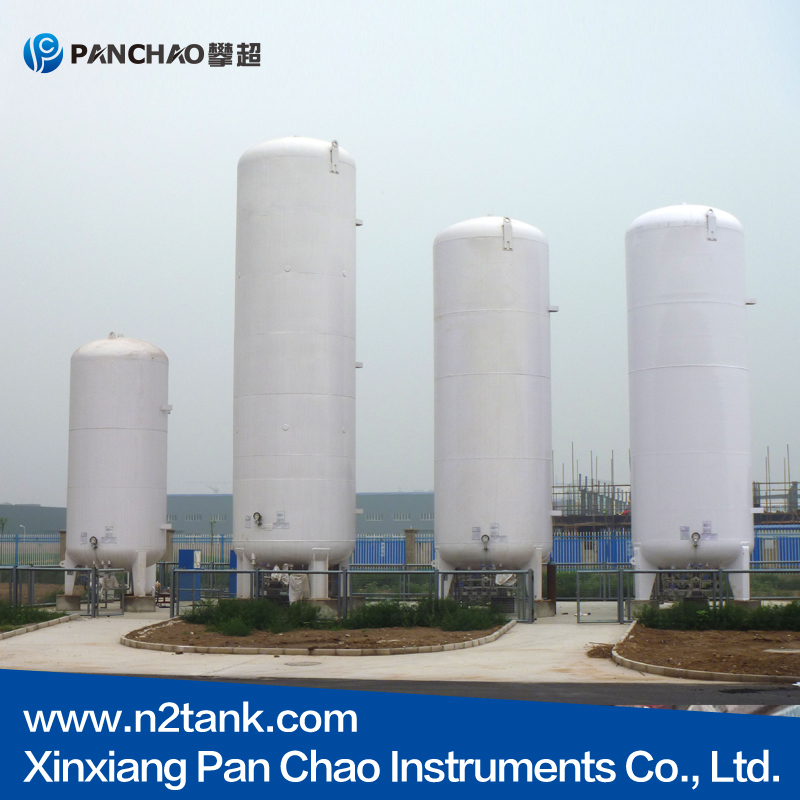
Cryogenic Liquid Tanks are available in vertical or horizonta...[more]
- 2vertical stainless steel pressu
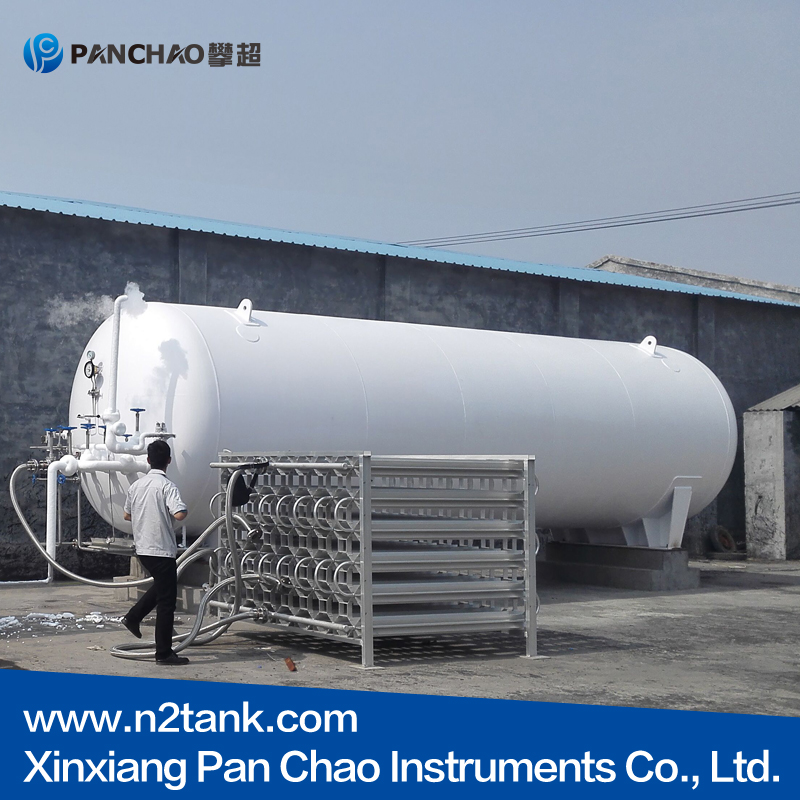
Cryogenic Liquid Tanks are available in vertical or horizonta...[more]
- 310 cubic meters cryogenic Liqui
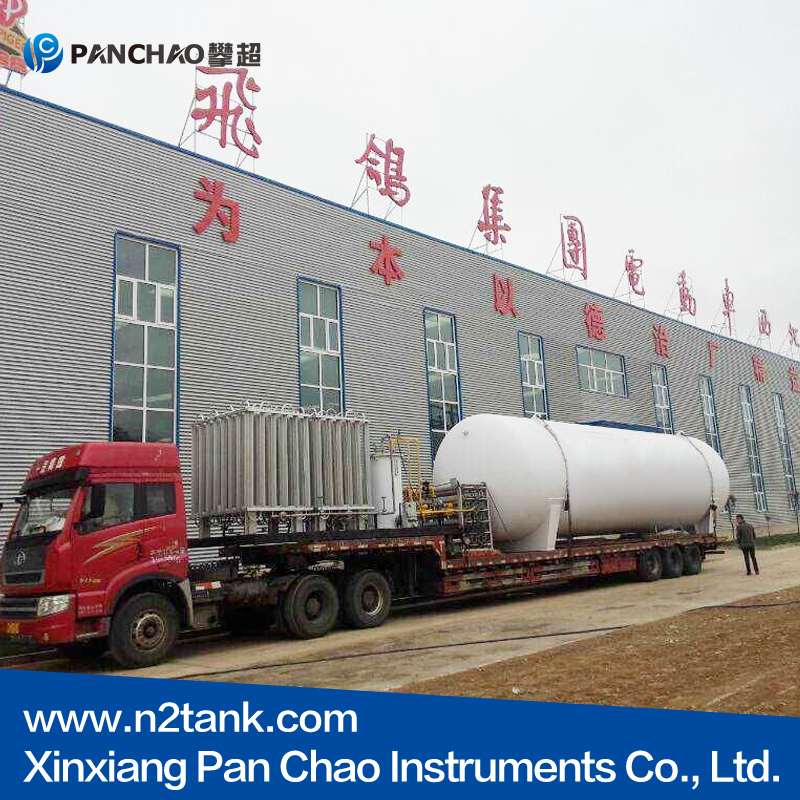
Cryogenic Liquid Tanks are available in vertical or horizonta...[more]
- 4GB150 pressure vessels cryogeni
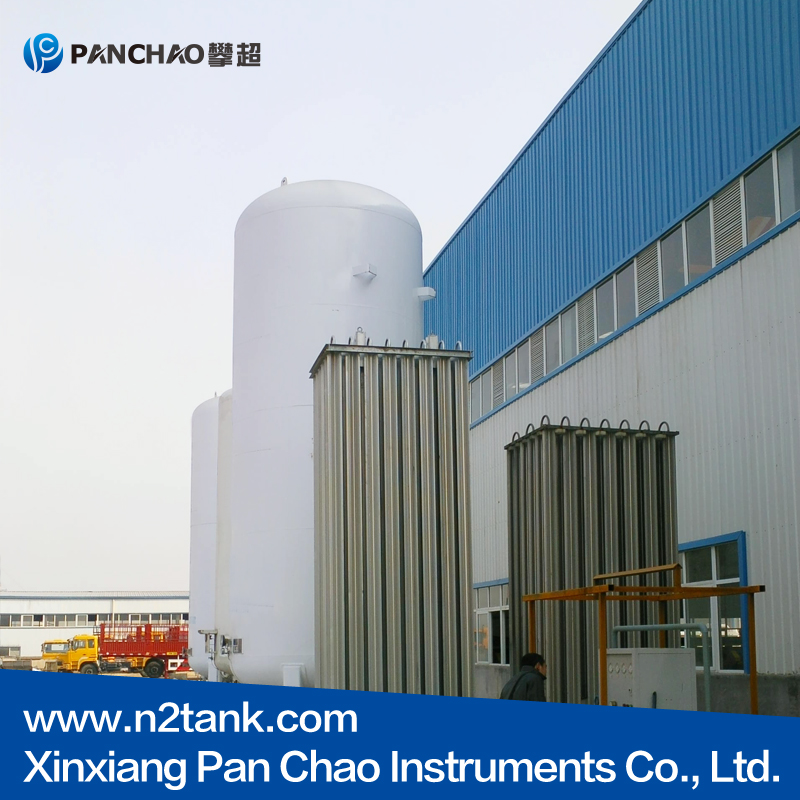
Cryogenic Liquid Tanks are available in vertical or horizonta...[more]
- 5New double Vertical cryogenic L
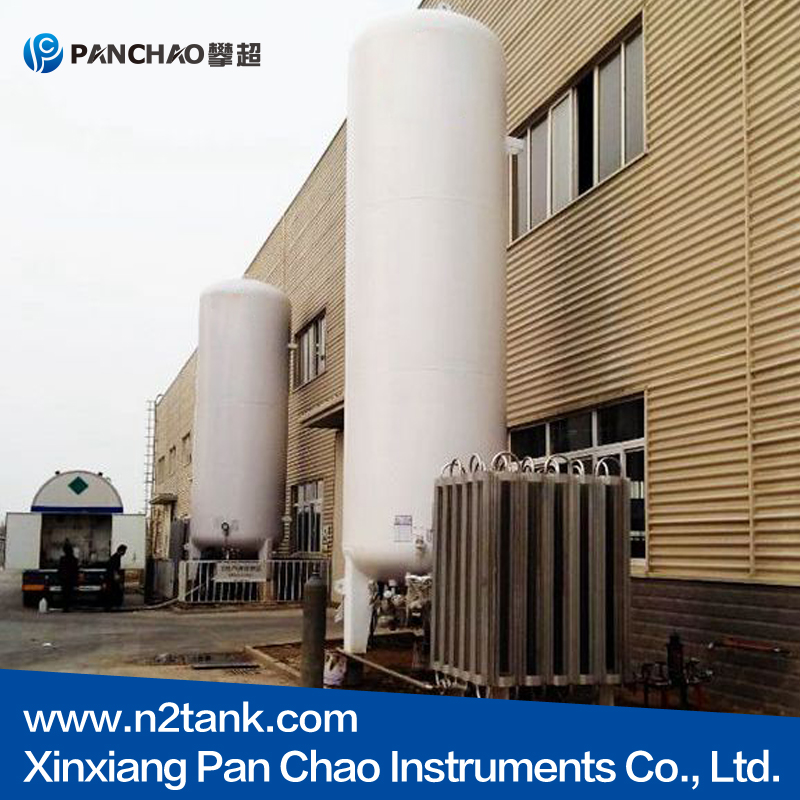
Cryogenic Liquid Tanks are available in vertical or horizonta...[more]
Rankings Of Similar Articles
- How to Maintain Long-Term Vacuum Stability in Liquid Nitrogen
- How to Evaluate Liquid Nitrogen Evaporation Using the Weighin
- Five Structural Factors Affecting the Insulation Performance
- Analysis of How Storage Environment Affects the Service Life
- How Is the Design Service Life of a Liquid Nitrogen Tank Dete
- How to Understand the Static Evaporation Rate of a Liquid Nit
- How to Understand the Static Evaporation Rate of a Liquid Nit
- How the Outer Shell Material of a Liquid Nitrogen Tank Affect
- How Neck Tube Length Affects Evaporation Loss in Liquid Nitro
- How to Maintain a Liquid Nitrogen Tank During Long-Term Inact
Latest Information
- Does Frost on the Outside of a Liquid Nitrogen Tank Always In
- Why Liquid Nitrogen Dewars Should Not Be Stored Empty Long-Te
- How to Understand the Static Evaporation Rate of a Liquid Nit
- Aluminum Alloy vs. Stainless Steel Liquid Nitrogen Tanks: Adv
- The Cooling Principle of Liquid Nitrogen Tanks: How Do They M
- The Vacuum Layer in Liquid Nitrogen Tanks: Invisible but Esse
- Holiday Notice
- Storage Environment Requirements for Liquid Nitrogen Tanks: T
- Hot sale thawing cup
- Storage of liquid nitrogen tank
