
How to Reduce the Daily Operating Cost of Liquid Nitrogen Containers
Liquid nitrogen containers are widely used in laboratories, medical storage, biological research, livestock breeding, and industrial applications. Although the containers themselves are durable, the long-term operating cost mainly comes from liquid nitrogen consumption, maintenance, and handling efficiency. By optimizing usage methods and equipment management, users can significantly reduce daily operating expenses.
1. Choose the Right Container Capacity
Using an oversized container for small storage needs may lead to unnecessary nitrogen consumption, while a container that is too small may require frequent refilling.
The ideal choice should balance:
- Storage volume requirements
- Refill frequency
- Daily access needs
- Transport convenience
Proper capacity selection improves overall efficiency.
2. Reduce Unnecessary Opening Time
Every time the lid is opened, warm air enters the container and increases heat load. Frequent or prolonged opening accelerates evaporation.
Good practices include:
- Preparing samples before opening
- Minimizing lid-open duration
- Organizing storage positions clearly
- Reducing repeated searches inside the container
3. Maintain Proper Liquid Nitrogen Levels
Allowing the liquid level to become too low may increase temperature fluctuation and reduce storage stability. At the same time, overfilling may not always improve efficiency.
Regular monitoring helps maintain optimal operating conditions.
4. Store the Container in a Suitable Environment
Environmental conditions strongly affect evaporation rate.
To reduce nitrogen loss:
- Keep containers away from direct sunlight
- Avoid placing near heat sources
- Maintain good ventilation
- Use stable ambient temperatures whenever possible
Cooler environments generally reduce evaporation.
5. Prevent Vacuum Performance Damage
The vacuum insulation system is the core of efficiency. Impacts, drops, or poor handling may damage insulation and increase nitrogen consumption.
Users should:
- Avoid collisions during transport
- Use proper carts or lifting methods
- Inspect regularly for abnormal frosting or evaporation
6. Monitor Evaporation Rate
Tracking nitrogen consumption helps identify early performance changes. Sudden increases in evaporation may indicate insulation problems that require attention before costs rise further.
7. Use Proper Accessories and Storage Organization
Efficient racks, canisters, and sample labeling reduce handling time and unnecessary opening frequency.
8. Perform Routine Maintenance
Simple maintenance practices such as checking seals, cleaning openings, and inspecting structural condition help maintain long-term performance.
Long-Term Cost Efficiency Comes from Management
Reducing daily operating cost is not only about buying cheaper nitrogen—it depends on:
- Efficient insulation
- Proper handling
- Good operational habits
- Preventive maintenance
At Zhongpanxin, we design liquid nitrogen containers with efficient thermal insulation and durable structures to help users minimize nitrogen loss and improve long-term operational economy.
Lower evaporation and smarter operation together create lower operating costs.
Relevant Information
- How Improper Cleaning of a Liquid Nitrogen Container Can Cause Problems
- Does the Seal Ring of a Liquid Nitrogen Container Need Replacement?
- Does the Seal Ring of a Liquid Nitrogen Container Need Replacement?
- How to Determine Whether a Liquid Nitrogen Container Needs to Be Retired
- Is the Temperature Distribution Inside a Liquid Nitrogen Container Uniform?
- Detailed Explanation of the Glass Tube Bending Process
- The Key Role of Liquid Nitrogen Containers in Biological Sample Transportation
- Is Frost on the Outside of a Liquid Nitrogen Container Normal?
- How to Evaluate Liquid Nitrogen Container Performance Through Evaporation Rate
- How Structural Design Reduces Heat Conduction in Liquid Nitrogen Containers
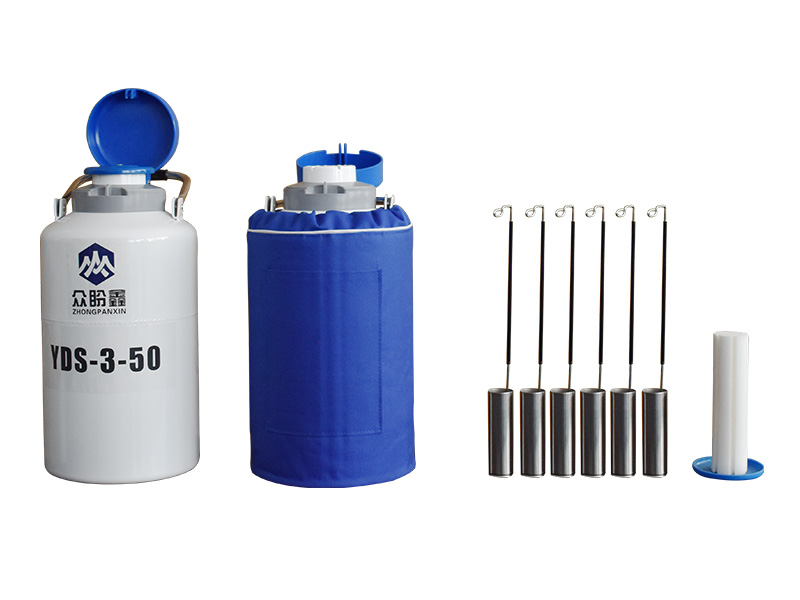
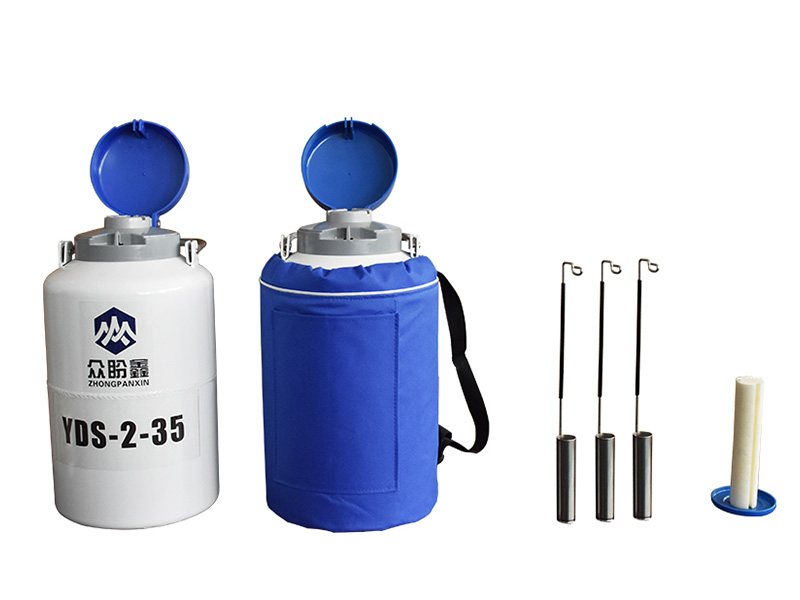
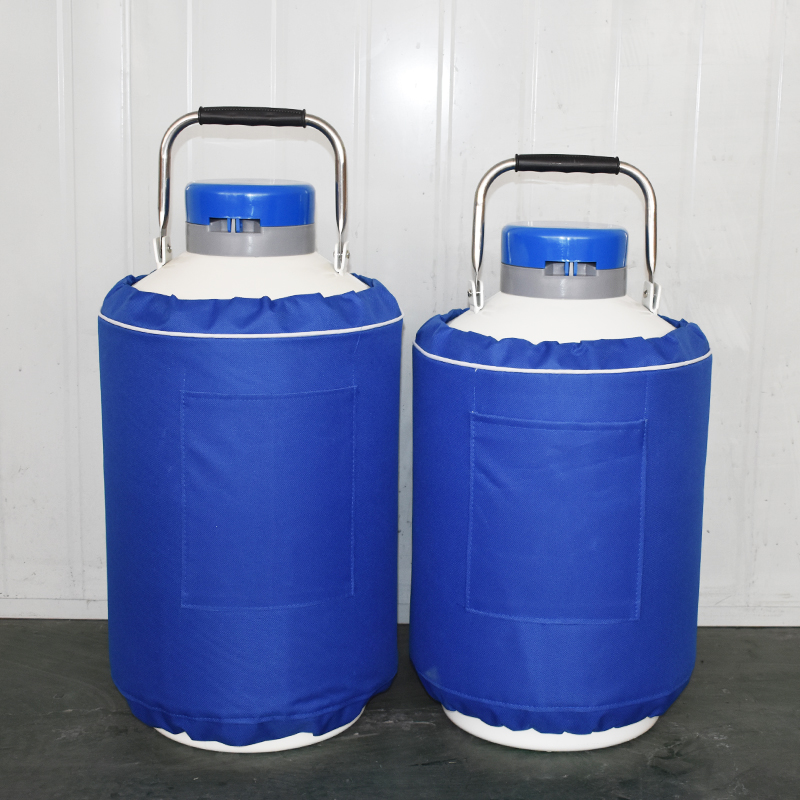
Latest Products
- 110m3 double wall cryogenic Liqu
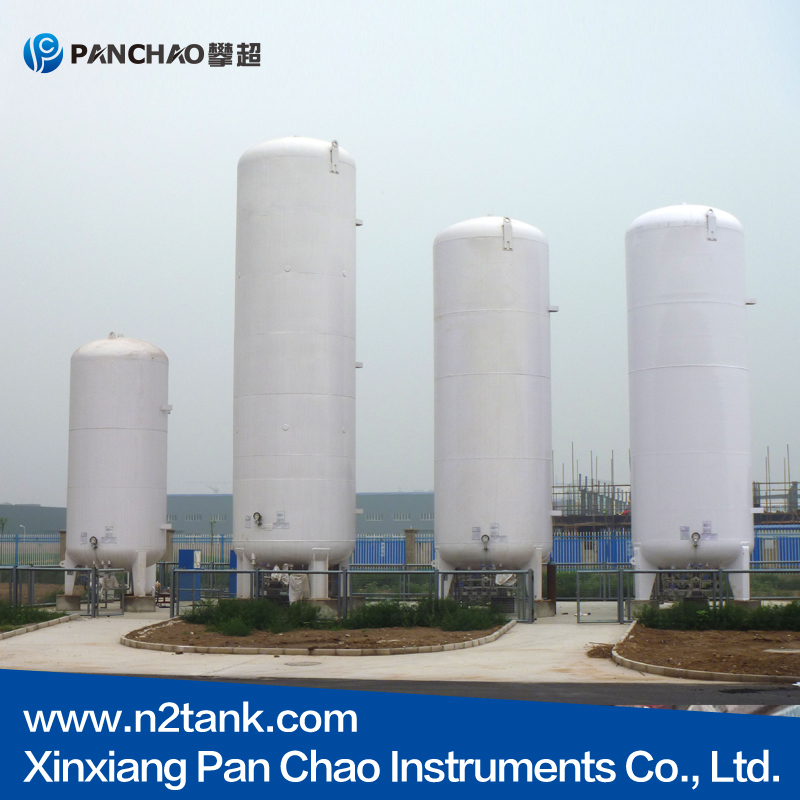
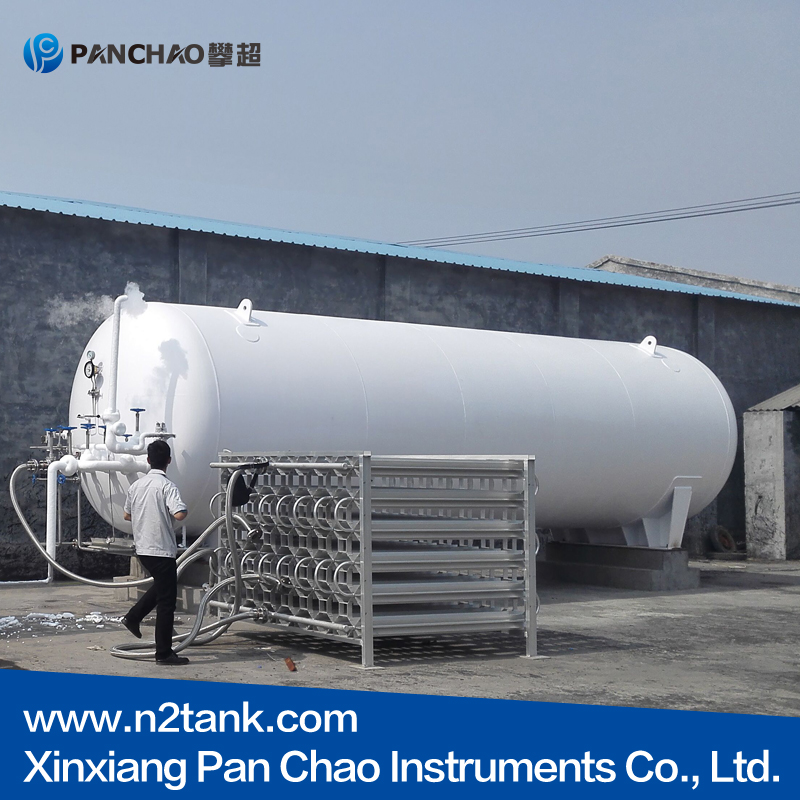
Cryogenic Liquid Tanks are available in vertical or horizonta...[more]
- 2vertical stainless steel pressu
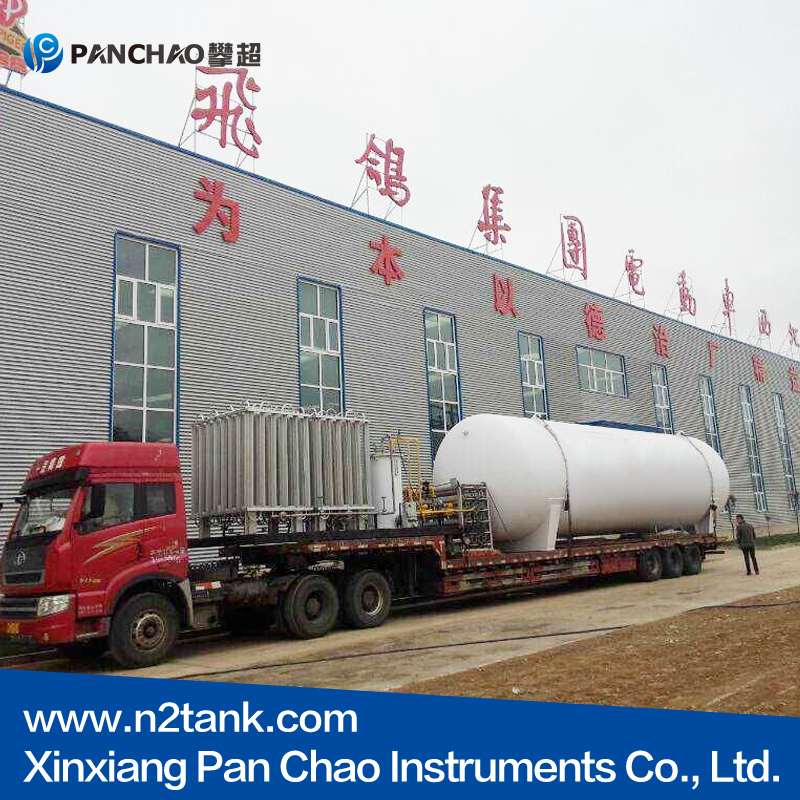
Cryogenic Liquid Tanks are available in vertical or horizonta...[more]
- 310 cubic meters cryogenic Liqui
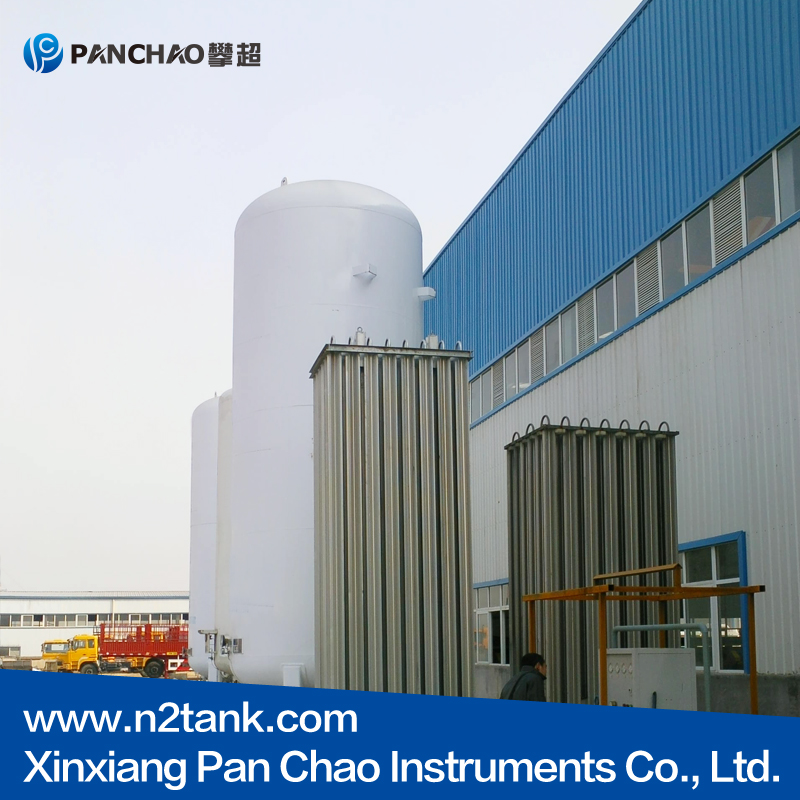
Cryogenic Liquid Tanks are available in vertical or horizonta...[more]
- 4GB150 pressure vessels cryogeni
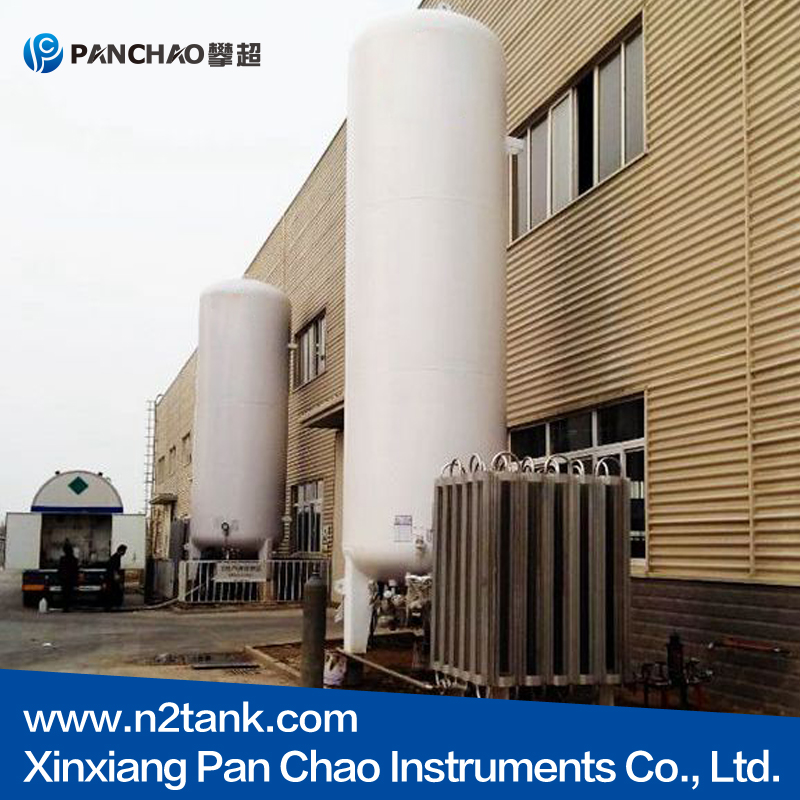
Cryogenic Liquid Tanks are available in vertical or horizonta...[more]
- 5New double Vertical cryogenic L
Cryogenic Liquid Tanks are available in vertical or horizonta...[more]
Rankings Of Similar Articles
- How Improper Cleaning of a Liquid Nitrogen Container Can Caus
- Does the Seal Ring of a Liquid Nitrogen Container Need Replac
- Does the Seal Ring of a Liquid Nitrogen Container Need Replac
- How to Determine Whether a Liquid Nitrogen Container Needs to
- Is the Temperature Distribution Inside a Liquid Nitrogen Cont
- Detailed Explanation of the Glass Tube Bending Process
- The Key Role of Liquid Nitrogen Containers in Biological Samp
- Is Frost on the Outside of a Liquid Nitrogen Container Normal
- How to Evaluate Liquid Nitrogen Container Performance Through
- How Structural Design Reduces Heat Conduction in Liquid Nitro
Latest Information
- Does Frost on the Outside of a Liquid Nitrogen Tank Always In
- Why Liquid Nitrogen Dewars Should Not Be Stored Empty Long-Te
- How to Understand the Static Evaporation Rate of a Liquid Nit
- Aluminum Alloy vs. Stainless Steel Liquid Nitrogen Tanks: Adv
- The Cooling Principle of Liquid Nitrogen Tanks: How Do They M
- The Vacuum Layer in Liquid Nitrogen Tanks: Invisible but Esse
- Holiday Notice
- Storage Environment Requirements for Liquid Nitrogen Tanks: T
- Hot sale thawing cup
- Storage of liquid nitrogen tank
