
Five Common Operational Mistakes When Using Liquid Nitrogen Tanks
Liquid nitrogen tanks are widely used for cryogenic storage in laboratories, medical facilities, and industrial environments. Although they are designed for reliability and safety, improper operation can reduce insulation performance, shorten service life, and even create safety hazards. Understanding the most common mistakes helps users avoid unnecessary risks.
1. Opening the Lid Too Frequently or for Too Long
Every time the lid is opened, warm air enters the neck tube, increasing heat transfer into the tank. If the lid remains open for extended periods, liquid nitrogen evaporates faster and moisture from the air may freeze inside the neck. Over time, this leads to higher evaporation rates and reduced holding time.
2. Tilting or Laying the Tank Horizontally
Liquid nitrogen tanks are designed to operate in an upright position. Tilting or laying the tank horizontally—especially during transport—can damage the internal support structure or affect the vacuum insulation layer. This may reduce insulation efficiency or cause long-term structural stress.
3. Blocking the Safety Vent or Valve
Some users mistakenly block the vent opening to reduce gas release. This is extremely dangerous. Liquid nitrogen naturally evaporates and generates nitrogen gas. If the pressure relief path is blocked, pressure can build up inside the tank, creating a serious risk of structural failure.
4. Storing the Tank in Poorly Ventilated Areas
Liquid nitrogen continuously evaporates into nitrogen gas. In enclosed spaces without adequate ventilation, nitrogen accumulation can reduce oxygen concentration in the air, posing a serious asphyxiation hazard. Tanks should always be stored and used in well-ventilated environments.
5. Ignoring Changes in Liquid Nitrogen Consumption
An increase in refill frequency is often an early sign of vacuum insulation degradation. If users ignore these changes, the tank may eventually lose liquid nitrogen much faster than expected, potentially leading to sample loss or operational interruption.
In summary, the most common mistakes involve improper handling, unsafe modifications, poor storage conditions, and lack of performance monitoring. By following correct operating procedures and regularly checking tank performance, users can maintain safety, protect stored samples, and extend the service life of their liquid nitrogen tanks.
Relevant Information
- Five Typical Signs of Vacuum Failure in Liquid Nitrogen Tanks
- Common Problems and Solutions in Custom Non-Standard Sight Glass Manufacturing
- Liquid Nitrogen Tank Safety Guidelines: Five Common Misconceptions Explained
- Liquid Nitrogen Tank Q&A: The Ten Most Common Questions for Beginners
- Common problems and solutions for liquid nitrogen tanks: Quick troubleshooting
- Common faults and troubleshooting methods for Panchao liquid nitrogen tanks
- Common Sense

Latest Products
- 110m3 double wall cryogenic Liqu
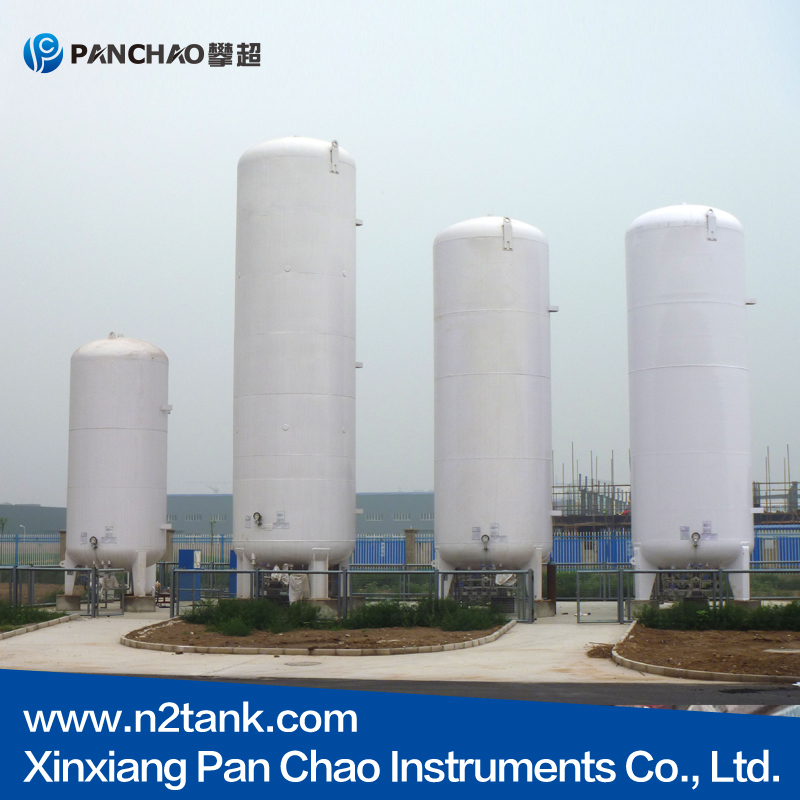
Cryogenic Liquid Tanks are available in vertical or horizonta...[more]
- 2vertical stainless steel pressu
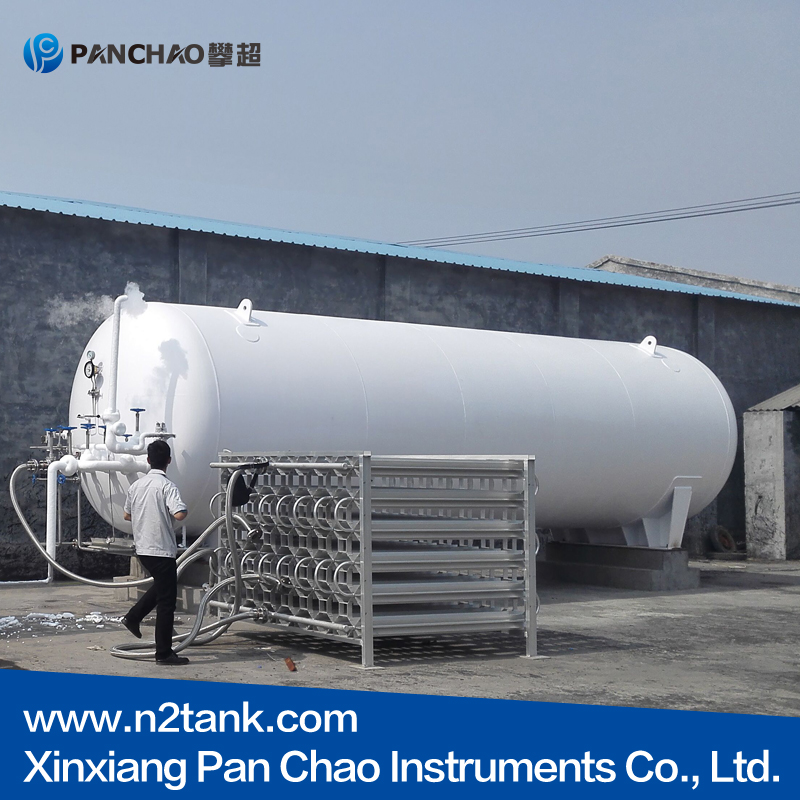
Cryogenic Liquid Tanks are available in vertical or horizonta...[more]
- 310 cubic meters cryogenic Liqui
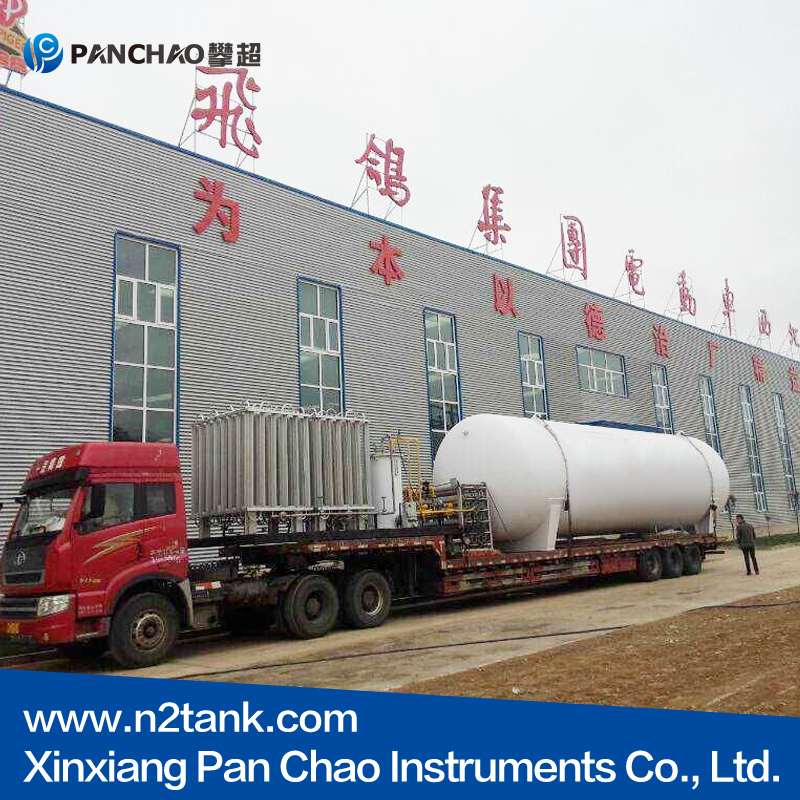
Cryogenic Liquid Tanks are available in vertical or horizonta...[more]
- 4GB150 pressure vessels cryogeni
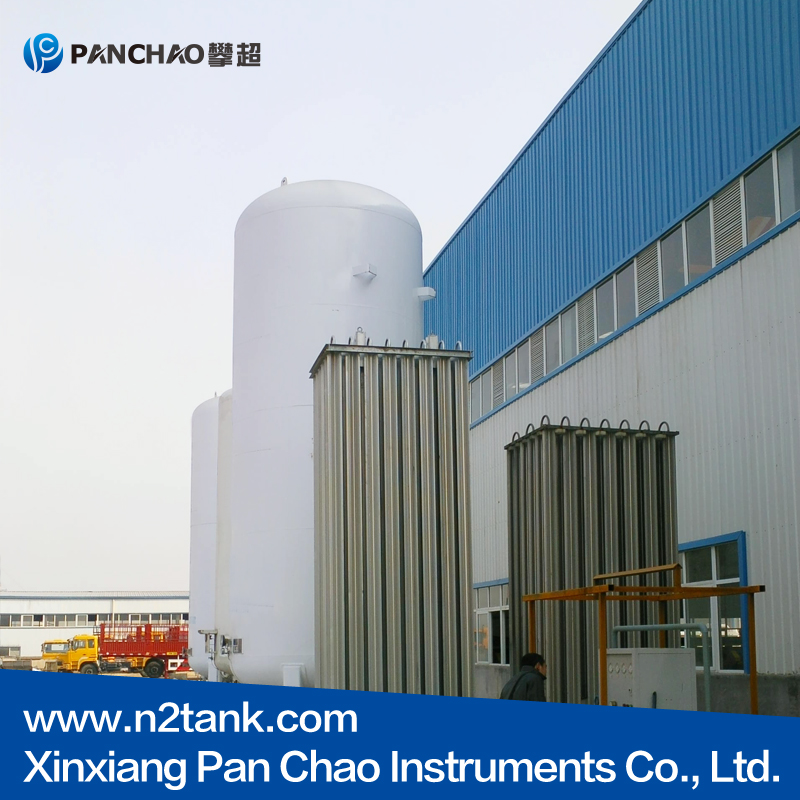
Cryogenic Liquid Tanks are available in vertical or horizonta...[more]
- 5New double Vertical cryogenic L
Cryogenic Liquid Tanks are available in vertical or horizonta...[more]
Rankings Of Similar Articles
- Five Typical Signs of Vacuum Failure in Liquid Nitrogen Tanks
- Common Problems and Solutions in Custom Non-Standard Sight Gl
- Liquid Nitrogen Tank Safety Guidelines: Five Common Misconcep
- Liquid Nitrogen Tank Q&A: The Ten Most Common Questions f
- Common problems and solutions for liquid nitrogen tanks: Quic
- Common faults and troubleshooting methods for Panchao liquid
- Common Sense
Latest Information
- Does Frost on the Outside of a Liquid Nitrogen Tank Always In
- Why Liquid Nitrogen Dewars Should Not Be Stored Empty Long-Te
- How to Understand the Static Evaporation Rate of a Liquid Nit
- Aluminum Alloy vs. Stainless Steel Liquid Nitrogen Tanks: Adv
- The Cooling Principle of Liquid Nitrogen Tanks: How Do They M
- The Vacuum Layer in Liquid Nitrogen Tanks: Invisible but Esse
- Holiday Notice
- Storage Environment Requirements for Liquid Nitrogen Tanks: T
- Hot sale thawing cup
- Storage of liquid nitrogen tank
